EchoFlight is a traffic-detection or avoidance system that supports monitoring of potential conflicts in the operating area. It contributes detection or tracking information to an integrated situational-awareness architecture for unmanned-aircraft operations.
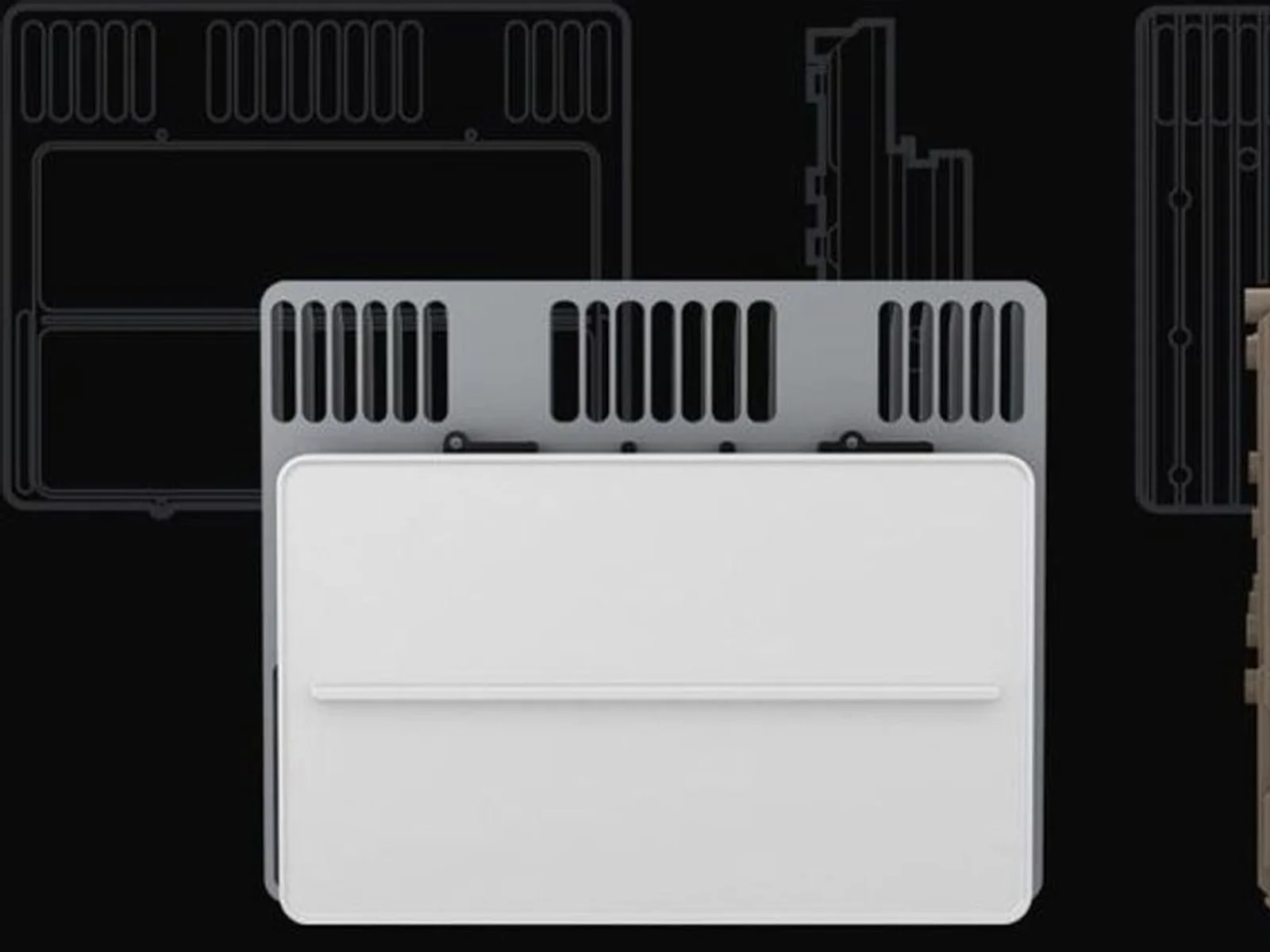
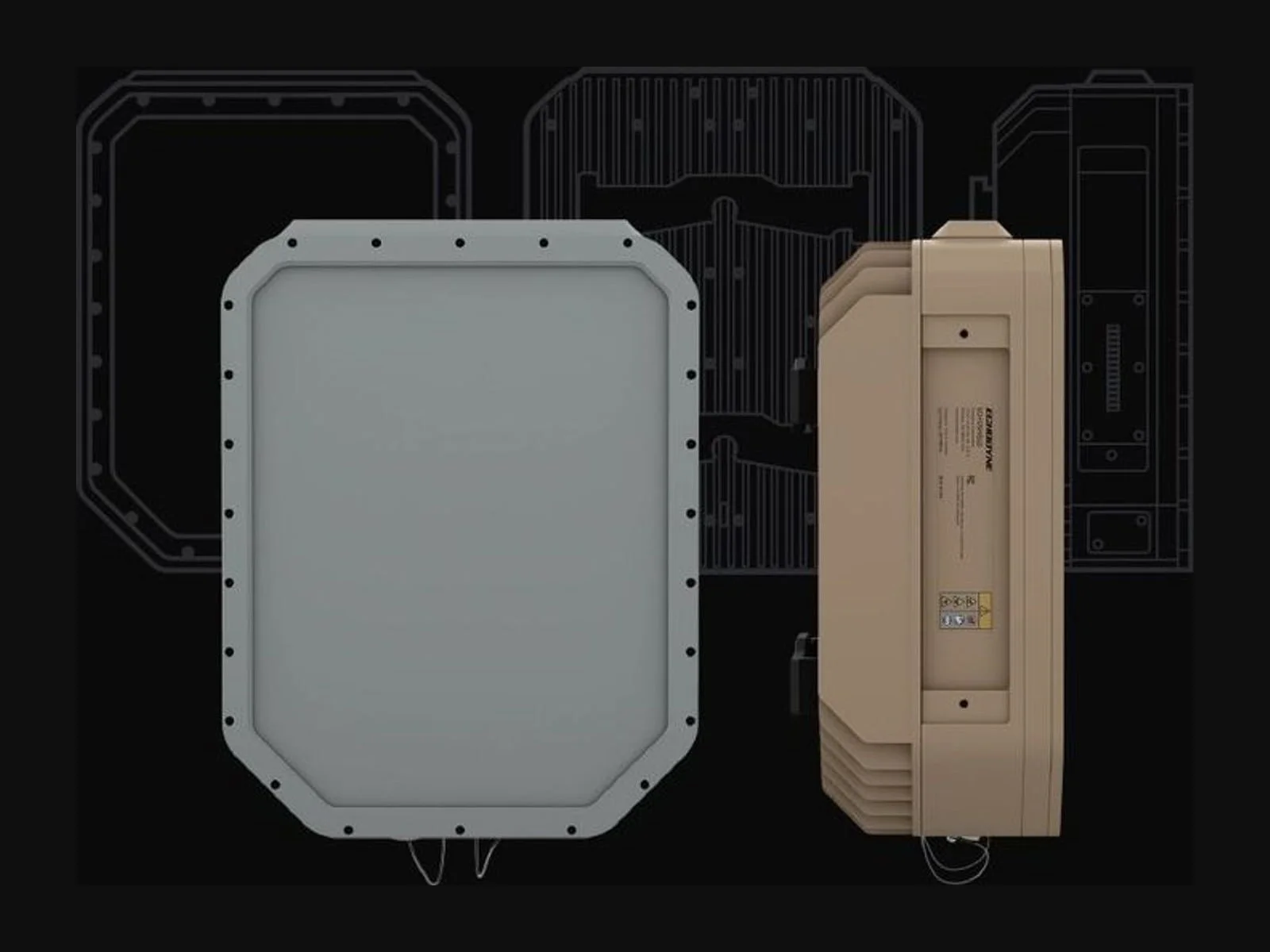
The EchoFlight is a lightweight 4D airborne radar from Echodyne, built as a traffic-detection and avoidance sensor for unmanned aircraft. It uses Echodyne's metamaterials electronically scanned array (MESA) technology and is designed to be carried by the aircraft itself, giving the platform its own radar view of cooperative and non-cooperative traffic as a detect-and-avoid, collision avoidance sensor.
The radar is intended for untethered and tethered drone surveillance and for drone interceptor applications, as well as for general detect-and-avoid on UAS and advanced air mobility platforms. Because the sensor is airborne, it extends the perimeter of awareness to wherever the aircraft flies, instead of relying on ground radars that cover a fixed area. Echodyne states that it is customizable to mission requirements.
The key figures are those an integrator uses to judge fit. The radar operates in K-band, 24.45 to 24.65 GHz, with a field of view of 120 degrees in azimuth by 80 degrees in elevation, so a single unit covers a wide forward sector. Track accuracy is better than 1 degree in azimuth and better than 1.5 degrees in elevation, and the track update rate is 10 Hz with up to 20 simultaneous tracks. The instrumented range is 6 km. For typical targets the maker quotes ranges of more than 750 m for a small UAS of the Phantom 4 class, more than 1 km for a Matrice 600 class aircraft and more than 2 km for a Cessna-sized aircraft, which sets the warning distance available to the avoidance logic at a given closing speed. Echodyne also states range accuracy better than 3.25 m.
The unit measures 18.7 cm by 12 cm by 4 cm and weighs 817 g with natural convection cooling, so it is below 1 kg and does not need a fan. It runs from 12 to 28 VDC and draws 45 W when operating and less than 10 W in hot standby, which matters for the power budget of small aircraft. The operating temperature range is -40 to +75 degrees C and the weather protection rating is IP67. Control input and output use Gigabit Ethernet and power is supplied through a snap-lock 12-pin connector. The data output rates are 40 MBps for range-velocity maps, 1 MBps for detections, 1 MBps for measurements and 25 KBps for tracks, so the host computer can choose between raw maps and processed tracks according to its processing capacity.
Regulatory information on the datasheet lists an FCC ID, CE marking, RED compliance, RoHS 3 compliance and REACH compliance. Echodyne also sells a quick-start kit with a protective case, cables, a quick-release handle and accessories for integration and testing, and a software and support package that includes software updates, radar visualisation tools and technical support.
Typical applications are detect-and-avoid for beyond visual line of sight operations, air-to-air situational awareness on larger unmanned aircraft, persistent perimeter and airspace surveillance from tethered or free-flying drones, and interceptor drones that must locate and track a target aircraft.
Specifications
Specifications · EchoFlight traffic-detection or avoidance system
General
Grade
Professional
Market
Dual-use
Platform class
Small UAS (<25 kg), Large UAS (25–150 kg), Heavy UAS (>150 kg), eVTOL
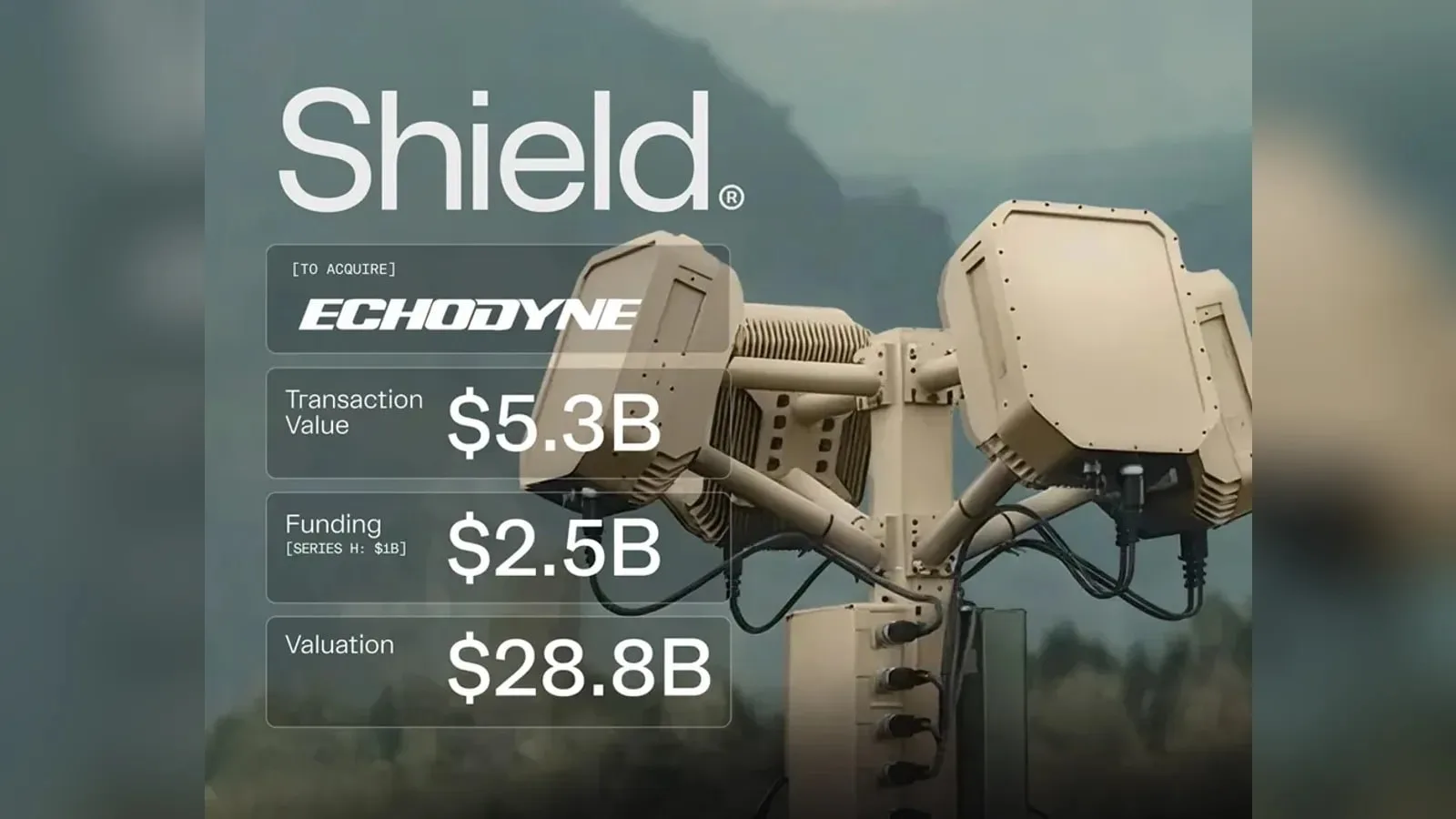
Shield agrees to buy Echodyne, the Kirkland-based radar maker, in a deal valued at $5.3 billion. The purchase brings software-defined MESA radars, used in counter-UAS systems and for UAS detect-and-avoid, into Shield's Mission Systems…
Shield has agreed to buy Echodyne, the Washington-based maker of MESA radars for counter-UAS and airspace sensing, for $5.3bn. Echodyne's radars stay available as standalone products, and the deal adds production capacity for the sensor…
Honeywell Aerospace presents results from demonstrations of celestial-, vision- and magnetic-aided navigation that support inertial systems when GNSS signals are lost. Its star-tracker based system matches GNSS-INS performance under…










 FeaturedCollision avoidance
 FeaturedCollision avoidance
 Featured
 FeaturedCollision avoidance
 FeaturedCollision avoidance
 FeaturedCollision avoidance