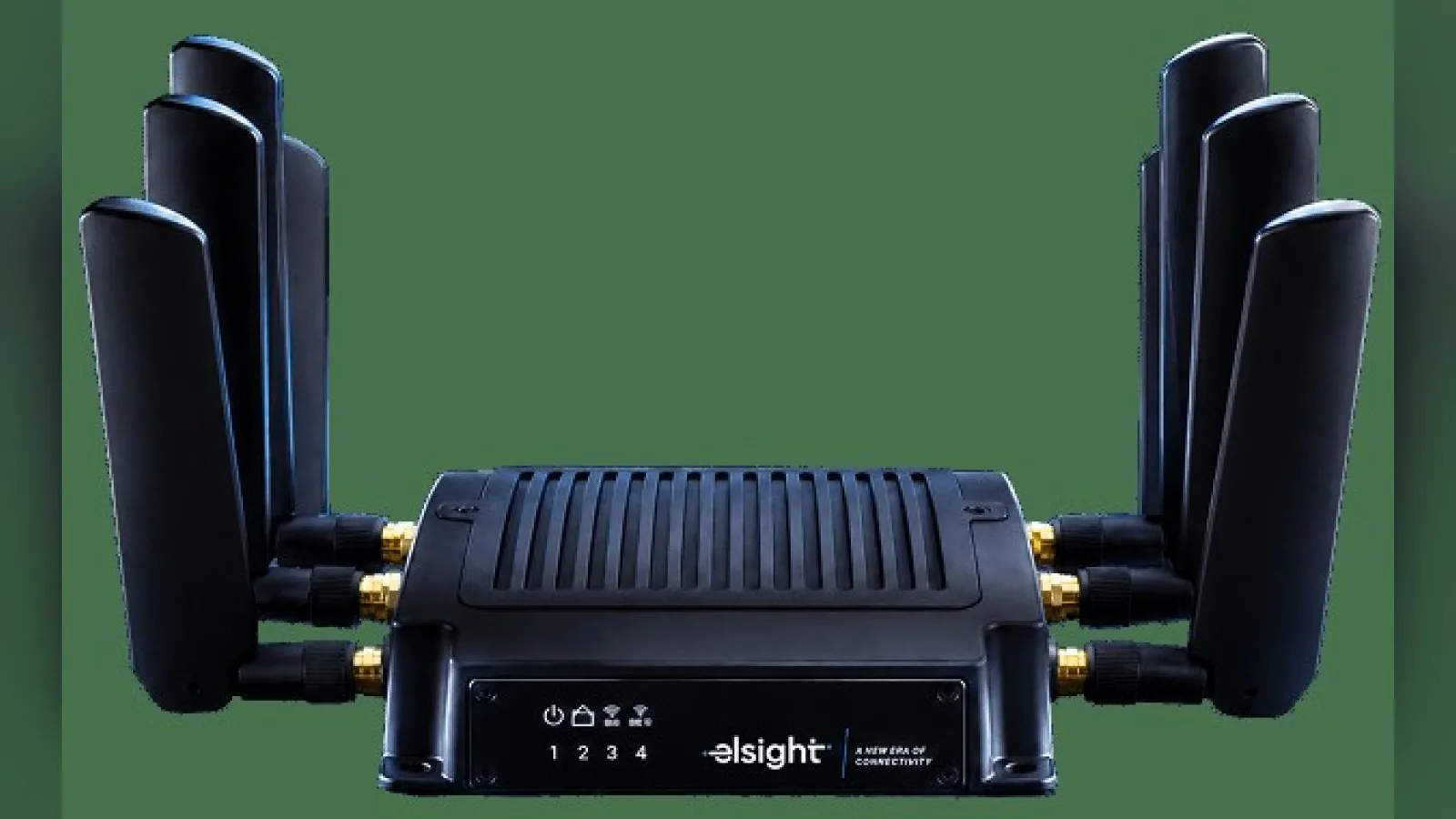
Elsight, which trades on the ASX as ELS, aims the capability at air, land and maritime platforms. A patented method derives position from cellular measurements, so navigation continues where satellite signals are lost or untrustworthy.
A fusion engine layers more data onto that fix: Timing Advance values, nearby base-station signals, motion and velocity vectors, and GPS whenever it checks out as reliable. The company says the engine adapts as inputs come and go and works on any available network regardless of its owner. GPS remains the default source; cellular takes over only when GPS drops out.
Spoofing detection runs in parallel. It compares the GPS position with the cellular-derived one in real time and alerts the operator when the two diverge beyond a threshold. Elsight claims no other GNSS-denied positioning offer rests on patented multi-signal fusion, and calls this the first with built-in active spoofing detection.







CEO Yoav Amitai calls GPS a critical weakness in contested environments. Other approaches, he says, report how far a platform has travelled, while Elsight’s reports where it is. The company states that the function needs no GPS, internet, visual reference or communications link.
Existing Halo customers need no extra hardware. Elsight pitches the feature as a small, light and affordable alternative to heavy or costly navigation equipment.
Why it matters
Specialist units alone once held jamming and spoofing equipment, while regular forces now field it broadly, and the growing use of uncrewed systems puts electronic warfare at the centre of tactical planning. A platform that cannot trust its satellite fix risks losing navigation and its mission.
Halo is the base for the new function. It combines cellular, satellite and RF links into a single connectivity layer that picks the best path and supports operations beyond visual line of sight without ground infrastructure. Elsight cites more than 500,000 operating hours with over 100 active customers, and Halo is on the DCMA Blue List. Fielded fleets can gain the new capability by software update rather than retrofit.
Source: Elsight newsroom
Was this article useful?
Thanks for your feedback. You can change your answer at any time.
Latest news
Latest news
- Aernnova to acquire GE Aviation's Hamble aerostructures unit
- Hitec DPC-20 programmer configures PWM, CAN, DroneCAN actuators
- DAIRCM missile-warning system enters production at Leonardo DRS
- Aernnova joins Radia WindRunner wing and pylon design effort
- Ultra Motion B1 compact linear actuator for UAS control surfaces
Companies in this article
 Comms & GCS · 1
Products in this article
 FeaturedBLOS links
Halo beyond-line-of-sight connectivity product
- Grade
- Professional
- Market
- Dual-use
- Availability
- In production
 FeaturedBLOS links
EXPLORER beyond-line-of-sight connectivity product
- Grade
- Professional
- Market
- Dual-use
- Availability
- In production
Related articles
Halo multilink connectivity to be integrated into AV Mayhem 10
AeroVironment (AV) will fit Elsight's Halo multilink unit to its Mayhem 10 launched effects system under a new partnership. The aim is to keep the system's communications working in contested environments by combining satellite, cellular…
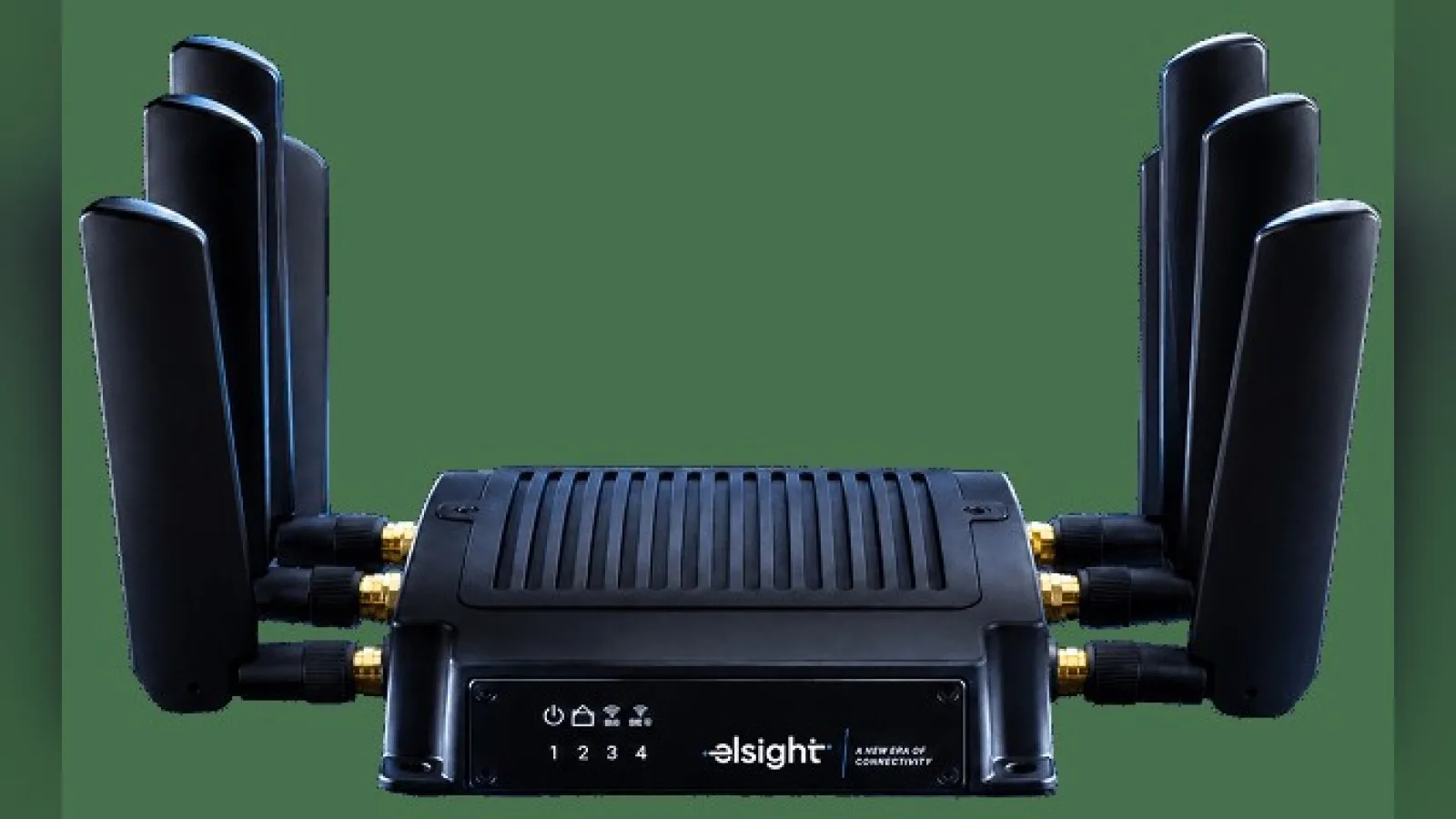
Elsight adds factories in the US and Germany for Halo
Elsight, a connectivity supplier for uncrewed systems, adds production capacity in the US and Germany. It acts after its Halo unit was cleared for the Blue UAS list. The statement is dated 18 August 2026.

DAIRCM missile-warning system enters production at Leonardo DRS
Leonardo DRS secures a three-year IDIQ vehicle from NAVAIR to begin low-rate initial production of its AN/AAQ-45 DAIRCM survivability system for aircraft. The award moves a modular missile-warning and countermeasure suite for small and…
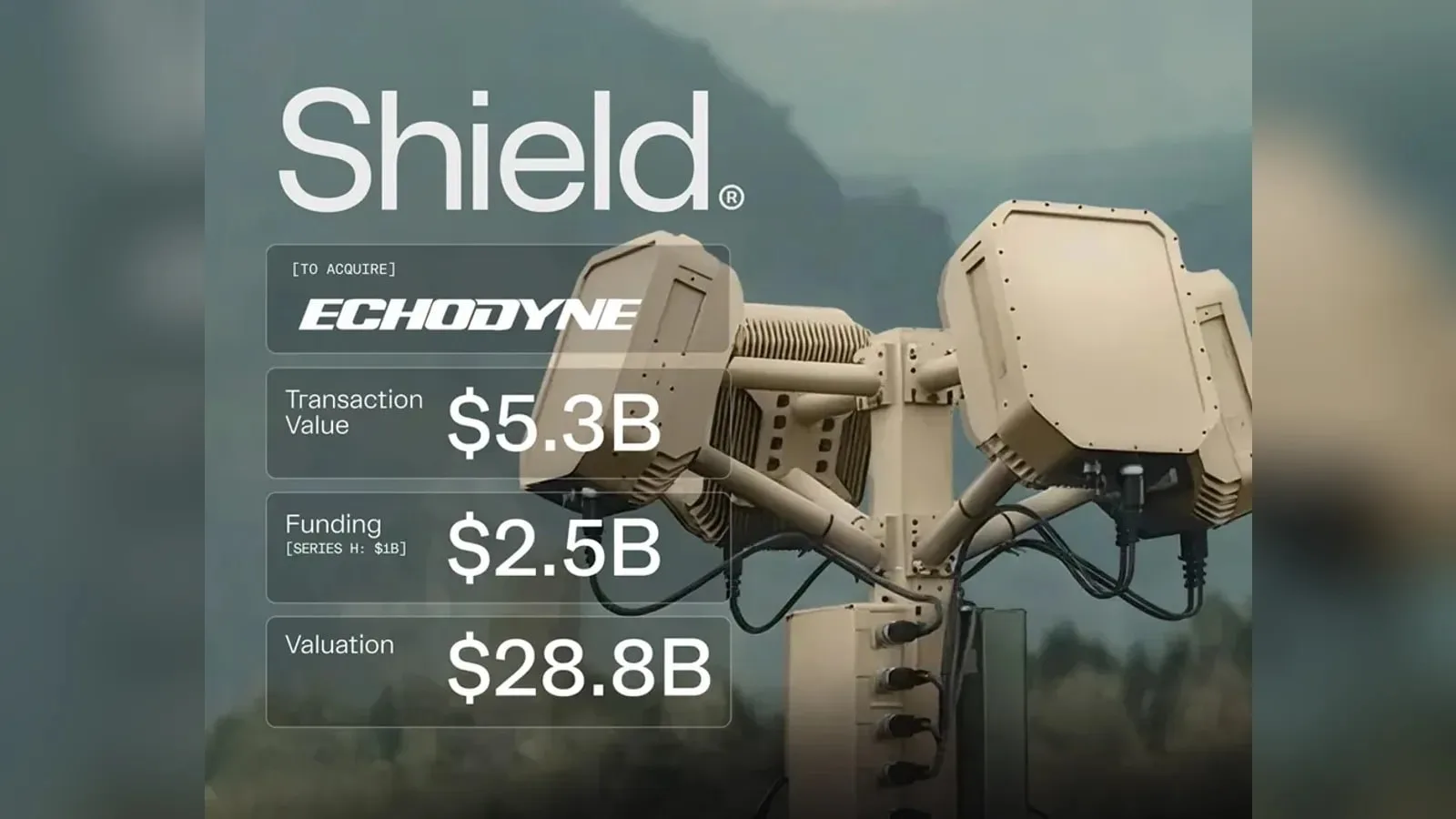
Shield to acquire MESA radar maker Echodyne for $5.3 billion
Shield agrees to buy Echodyne, the Kirkland-based radar maker, in a deal valued at $5.3 billion. The purchase brings software-defined MESA radars, used in counter-UAS systems and for UAS detect-and-avoid, into Shield's Mission Systems…