US-D1 measures height above terrain or water using 24 GHz radar. Designed for drone landing and low-altitude operations, it reports measurements at 100 Hz through UART or CAN, with a documented operating range from 0.5 to 50 metres.
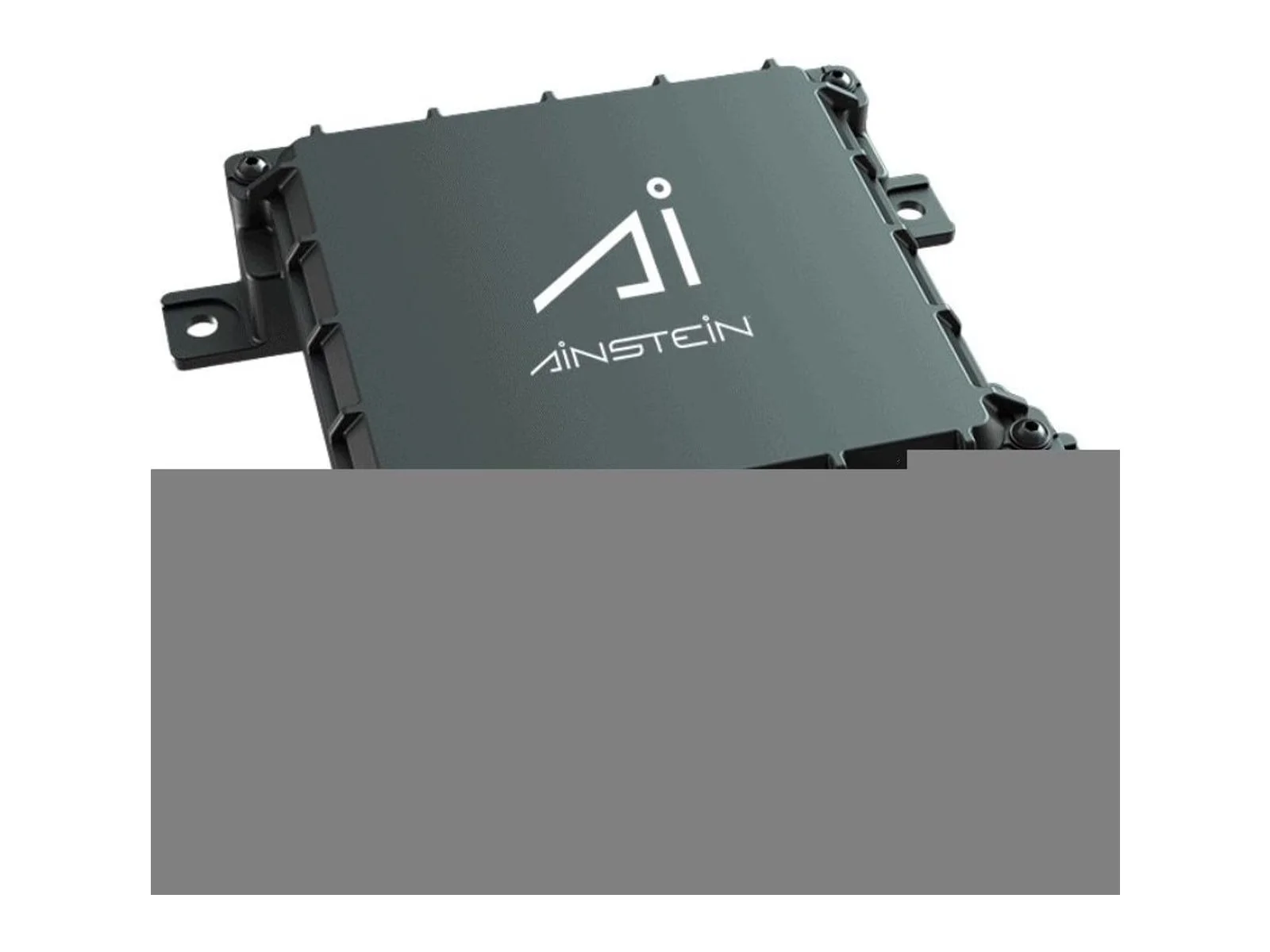
The Ainstein US-D1 is a UAV radar altimeter from Ainstein: a compact 24 GHz millimetre-wave sensor that measures height above terrain, vegetation or water for small and medium unmanned aircraft. As a radar altimeter rather than a barometric or laser unit, it returns a distance to the surface directly below the vehicle, which makes it a height reference for landing, low-altitude flight and terrain following.
The sensor is intended for multirotor, VTOL and eVTOL platforms flying close to the ground. The maker lists smart agriculture, last-mile delivery, terrain following, utility work and forestry or surveying among its use cases. Because the measurement relies on radar rather than light, the maker describes operation over water, in fog, through dust and in bright or dark conditions, and the housing is rated IP67 (with sealant) so that spray, rain and landing dust do not stop the unit.
The key figures are as follows. The altitude range runs from 0.5 m to 50 m, so the sensor reports from just above the ground during touchdown up to a working height of 50 m; readings outside this window are not meant to be trusted by the flight controller, and the datasheet advises using data only within the operating range. The unit operates at 24 GHz with a bandwidth of 190 MHz, and the update rate is 100 Hz, which gives a flight controller a dense height signal for flare and landing logic. The field of view is 43 degrees in azimuth by 30 degrees in elevation, so the beam footprint grows with height and nothing should intrude into that cone.
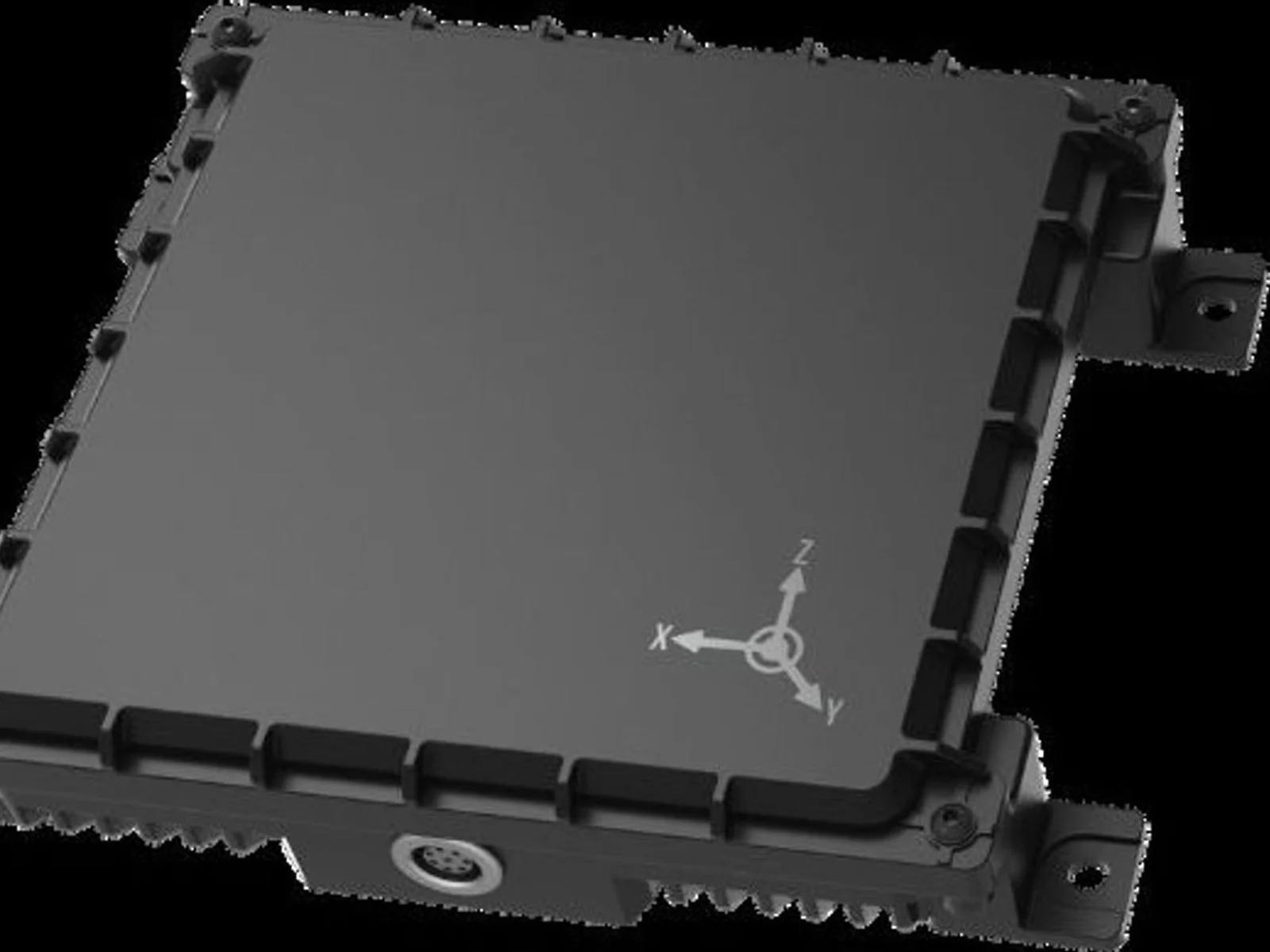
Electrically, the US-D1 accepts a supply of 5 V to 13 V DC, with 5.5 V recommended in the datasheet, and draws 2 W at a 5 V input. It operates from -20 degrees C to 65 degrees C, measures 108 x 79 x 20 mm and weighs 110 g, which keeps the payload penalty small even on light airframes.
For integration, each unit is shipped with one output protocol, UART or CAN. The UART output runs at 115200 baud with 3.3 V logic, 8 data bits, no parity and 1 stop bit, and sends a six-byte packet carrying altitude in centimetres, a signal-to-noise value and a checksum. The CAN output runs at 1 Mb/s using CAN 2.0A and 2.0B frames with a customisable identifier and four data bytes for altitude and signal-to-noise. Wiring is a four-wire lead for ground, supply and the two data lines, and firmware can be upgraded over the same CAN or UART link. The maker states compatibility with the common open-source flight-control stacks.
Installation follows a few rules. The radar face should be perpendicular to the surface being measured, kept clean and uncovered, and any object in the field of view can disturb the signal, so the unit is mounted clear of landing gear. Orientation otherwise does not matter. The datasheet warns against relying on the sensor in tightly enclosed indoor spaces, where multipath reflections cause errors. The sensor carries FCC and CE certifications, as listed by the maker.
Typical applications are automatic landing and soft touchdown, constant-height flight over crops or forest canopy, terrain following for utility inspection and survey, and height keeping for delivery drones operating over mixed terrain and water.
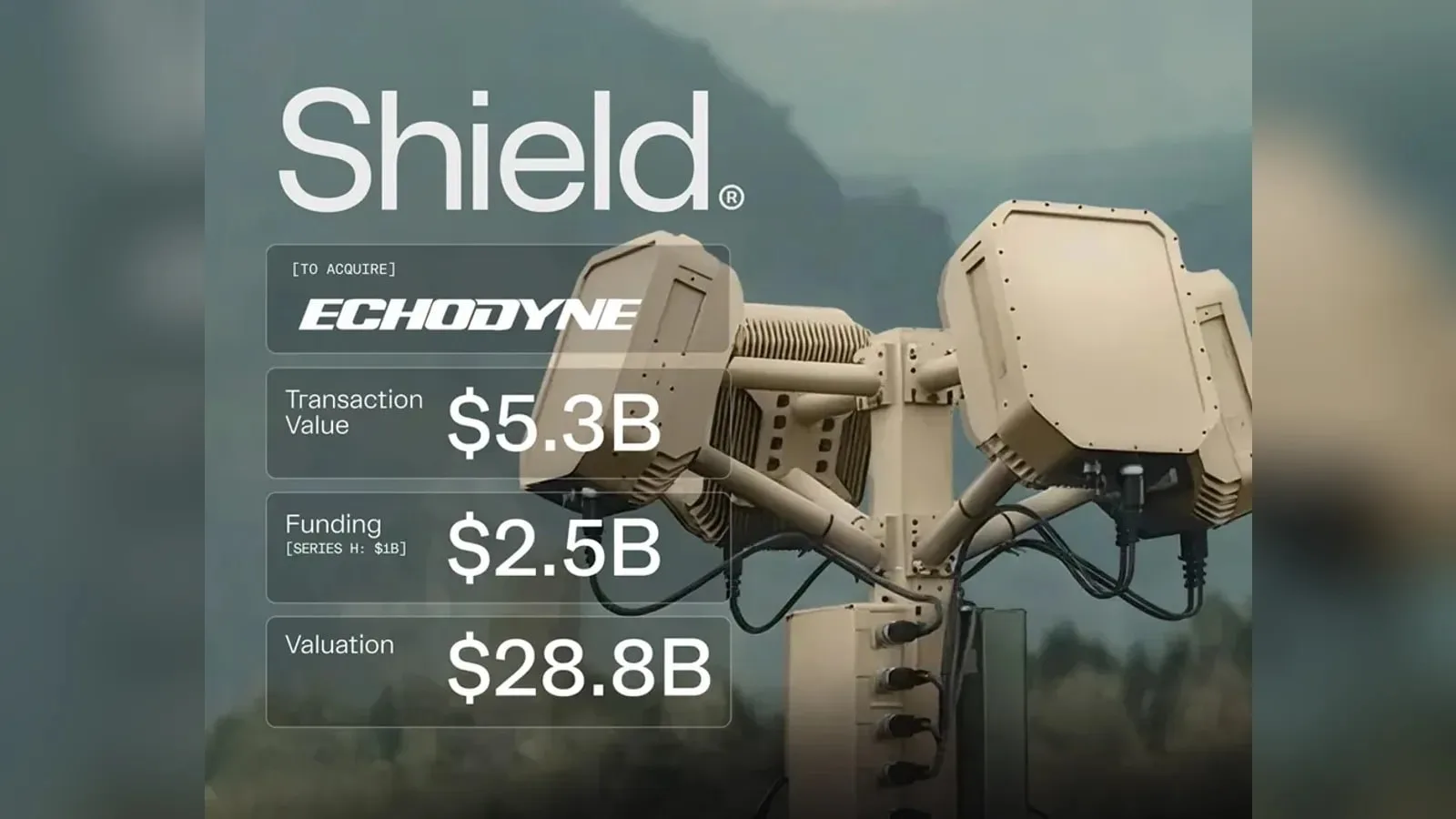
Shield agrees to buy Echodyne, the Kirkland-based radar maker, in a deal valued at $5.3 billion. The purchase brings software-defined MESA radars, used in counter-UAS systems and for UAS detect-and-avoid, into Shield's Mission Systems…
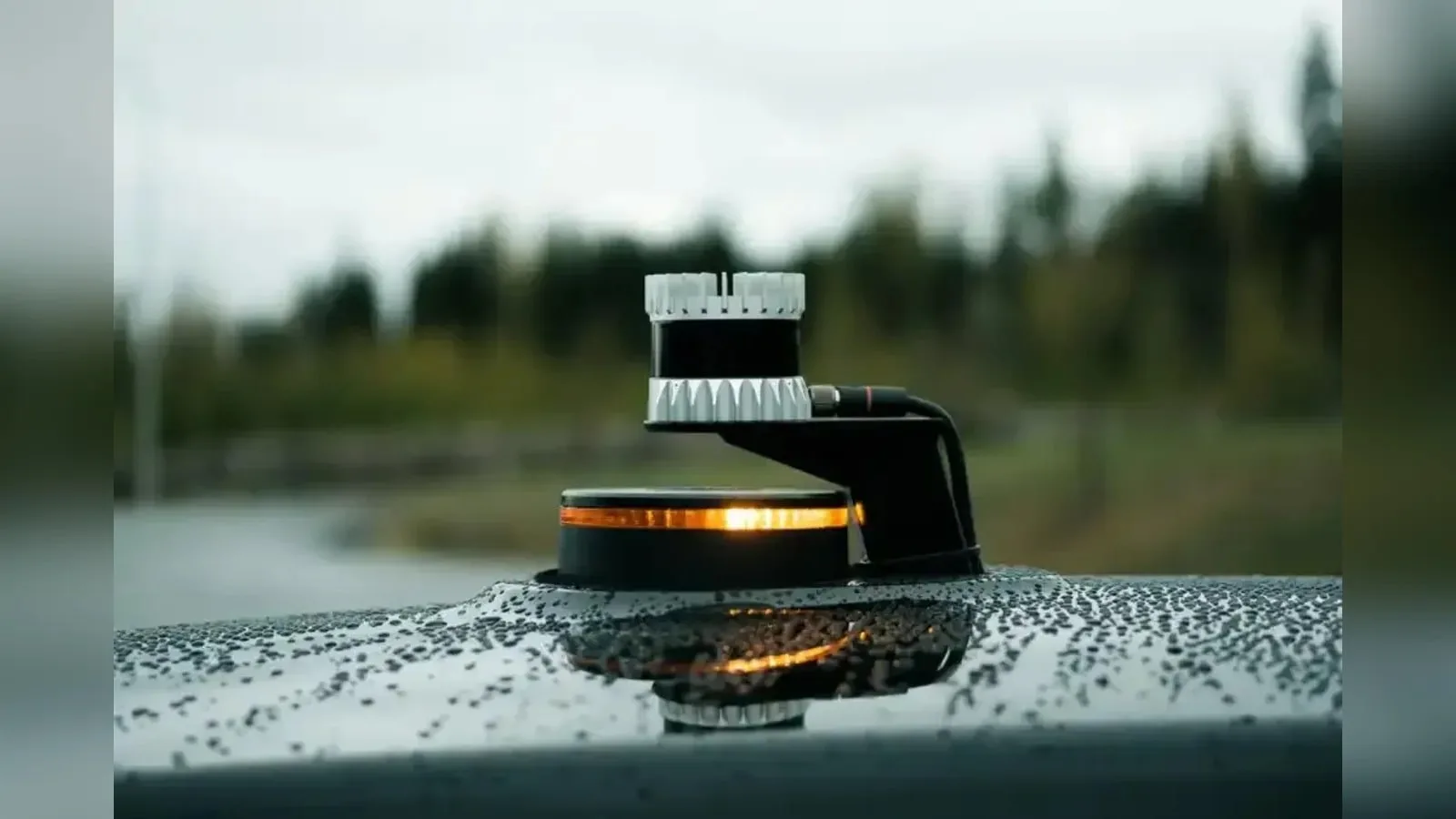
Ouster releases Firmware 3.2 for its lidar sensors, adding on-sensor 3D zone monitoring, optical window blockage detection and time-synchronized IMU data. The update shifts occupancy logic and motion compensation from the host computer to…
Shield has agreed to buy Echodyne, the Washington-based maker of MESA radars for counter-UAS and airspace sensing, for $5.3bn. Echodyne's radars stay available as standalone products, and the deal adds production capacity for the sensor…










 FeaturedAltimeters
 Featured
 FeaturedAltimeters
 FeaturedAltimeters
 FeaturedAltimeters
 FeaturedAltimeters