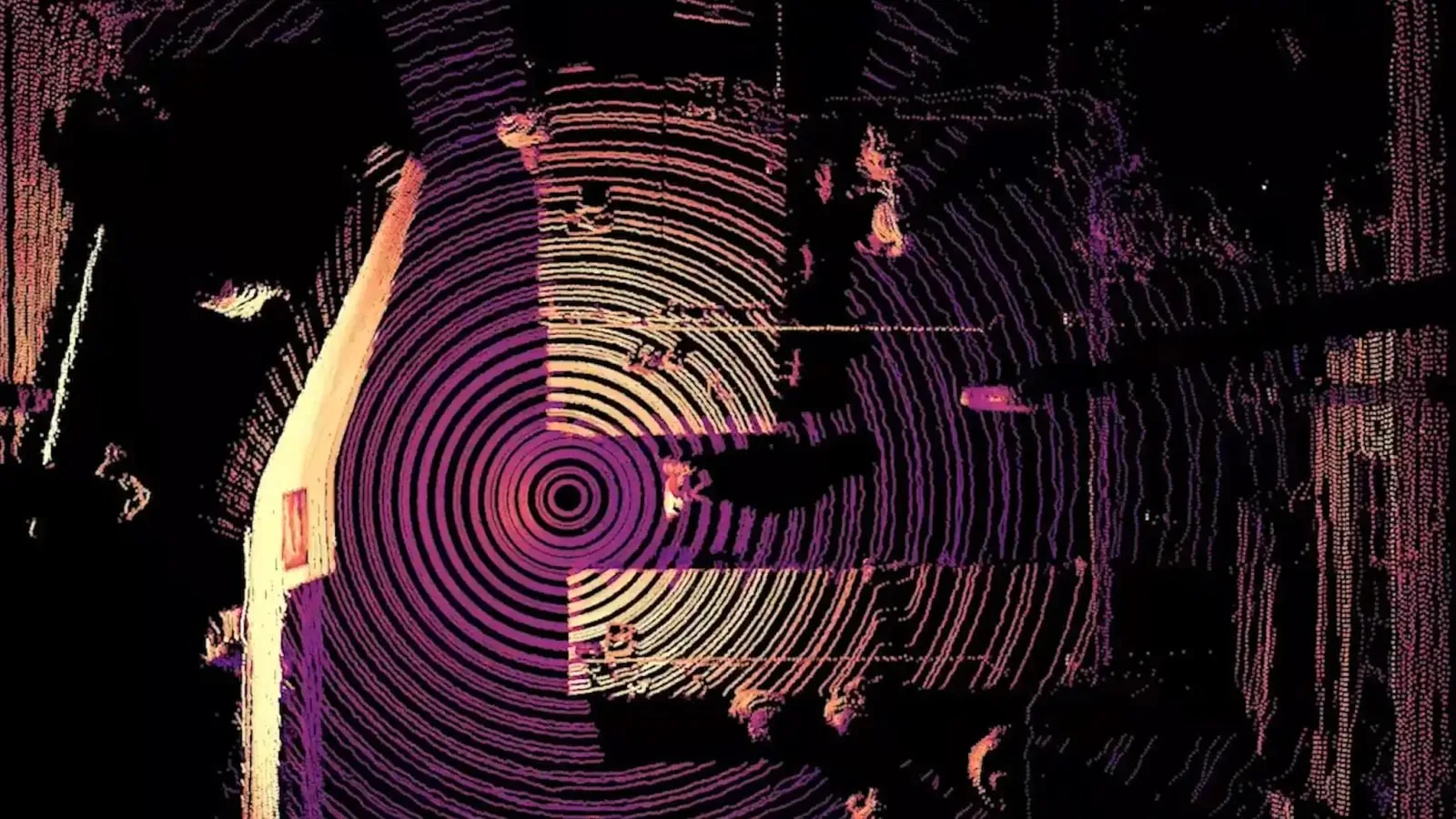
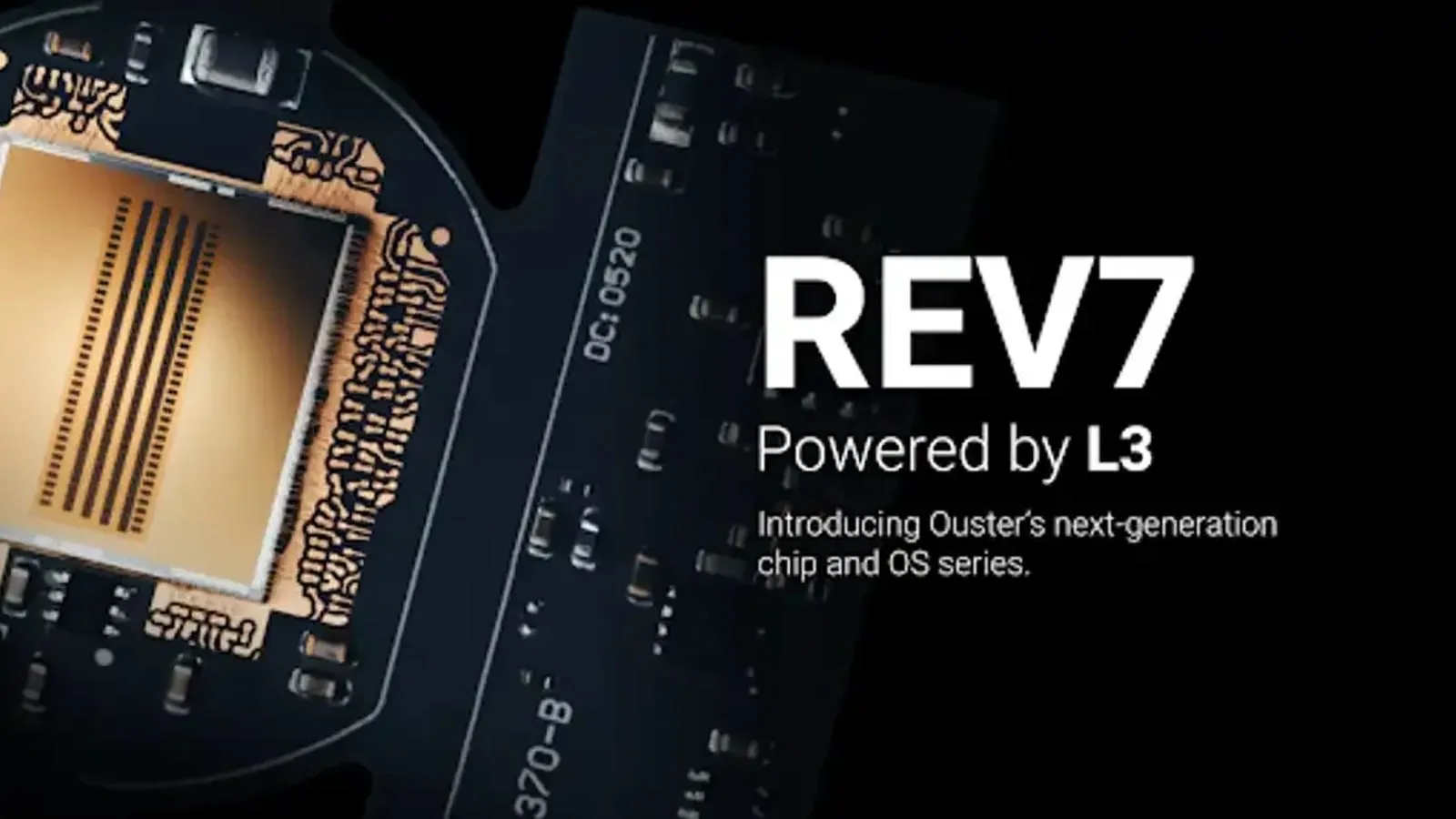
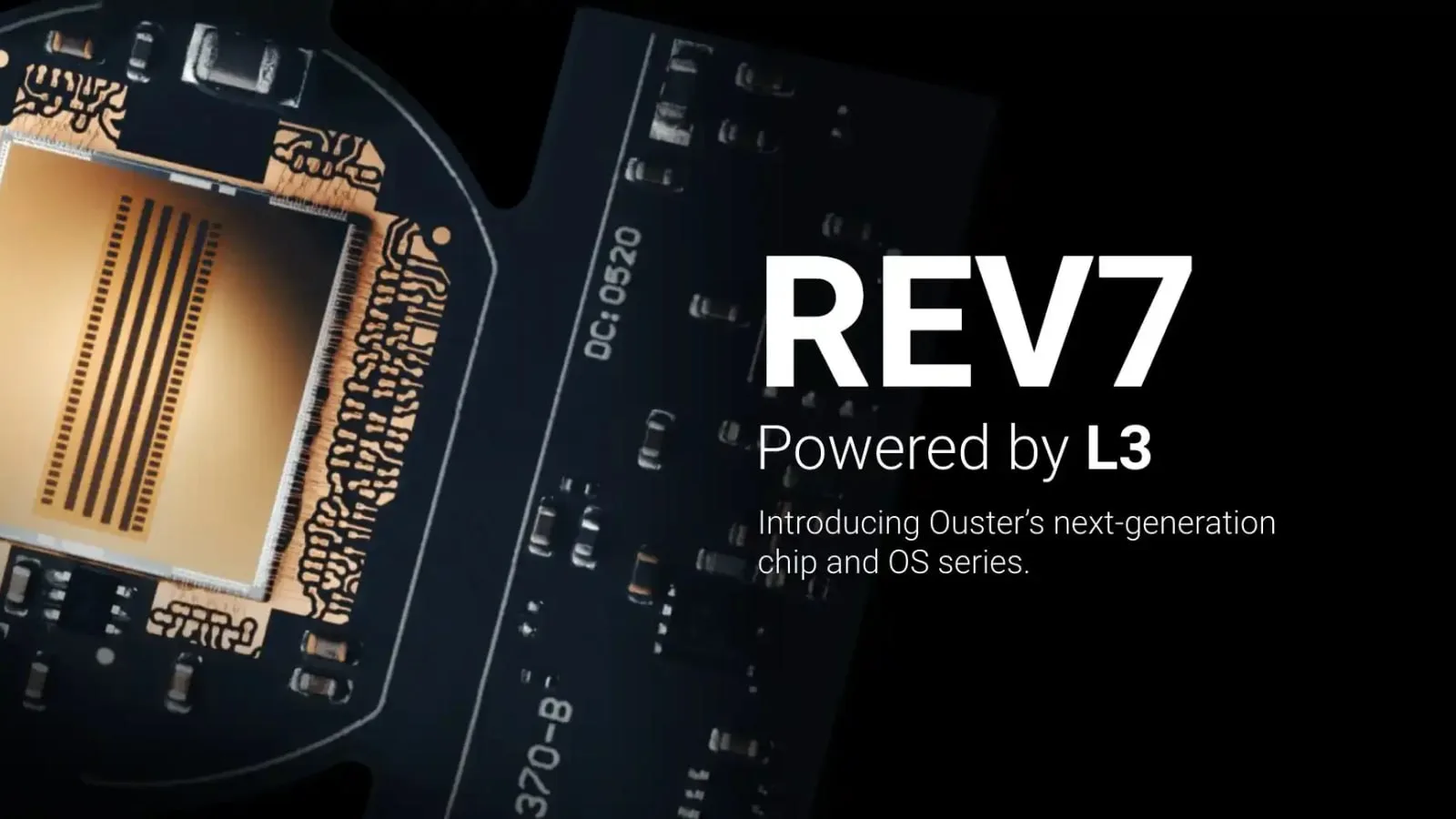
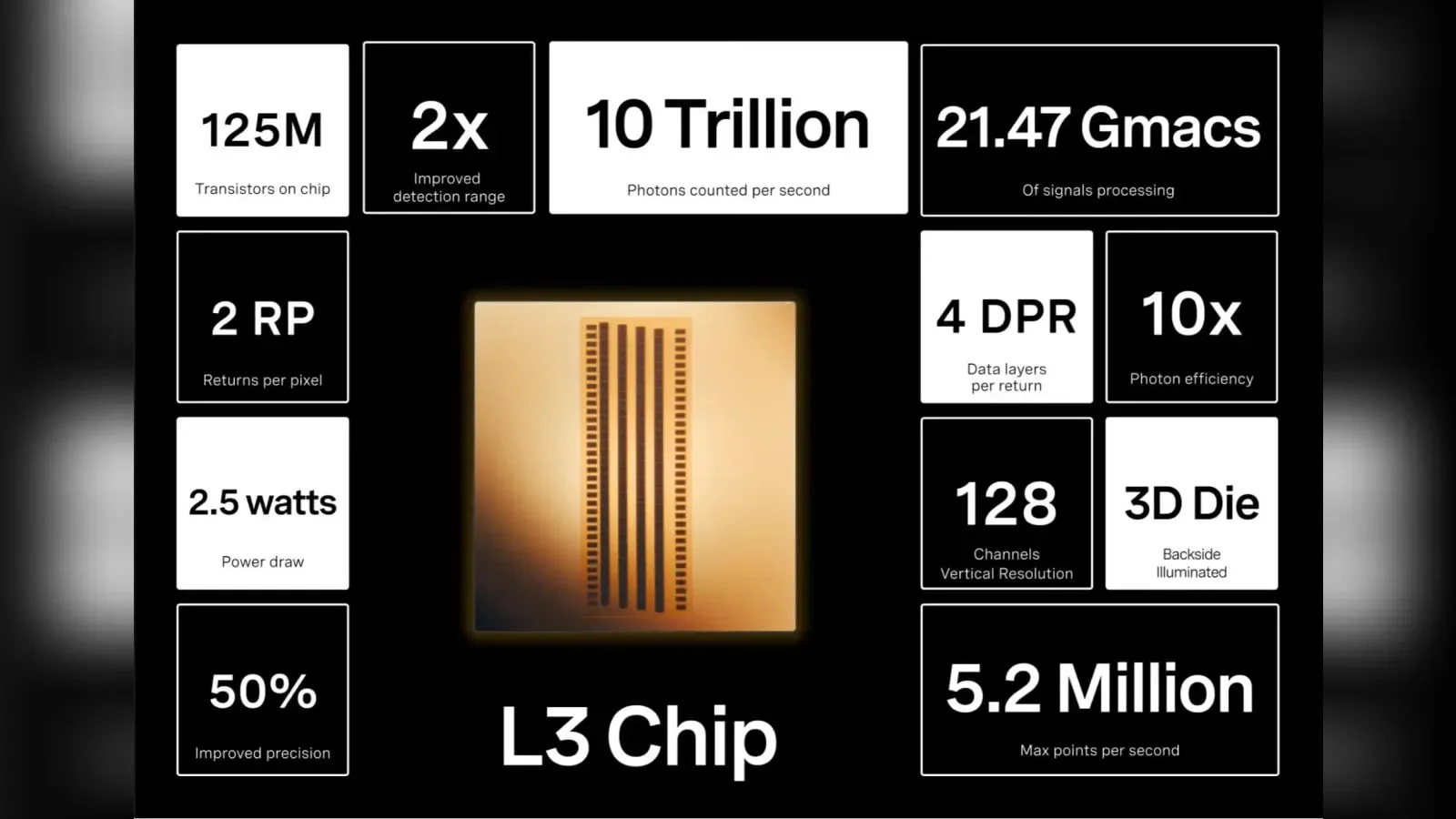
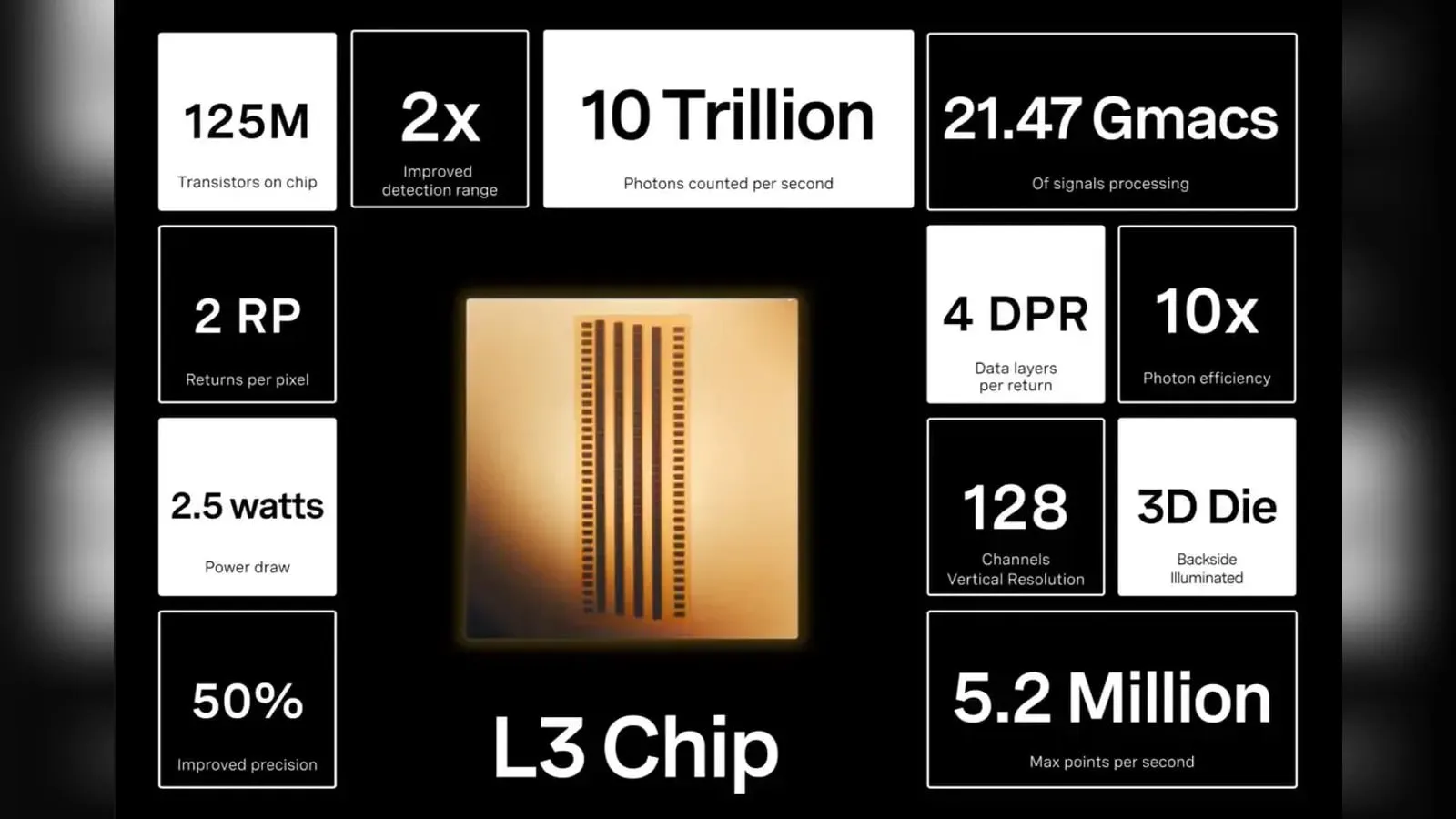
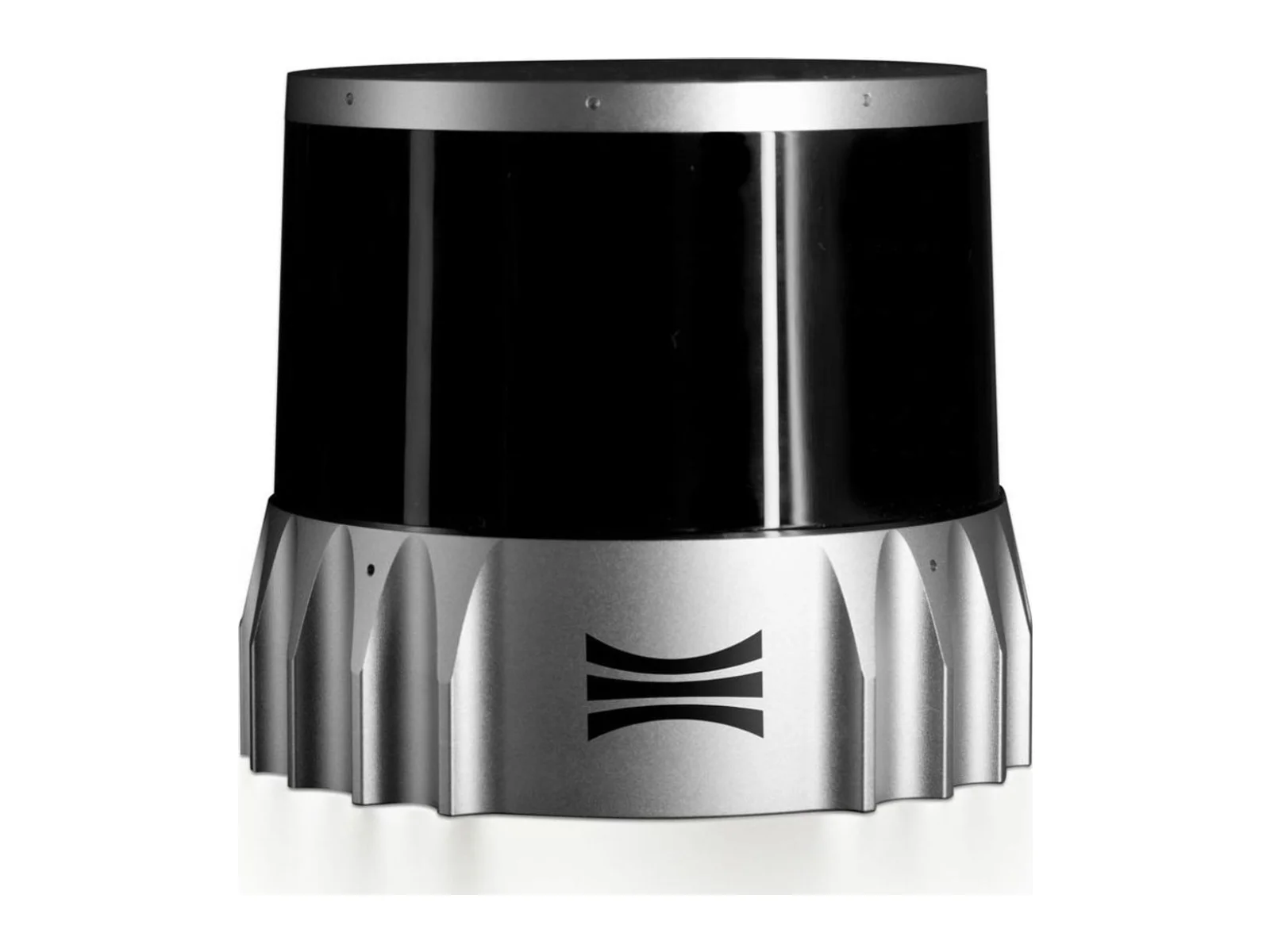
REV7 sensors are built around L3, a CMOS lidar system-on-chip with 3D backside illumination. Ouster states that the chip brings a tenfold gain in photon sensitivity and an output of up to 5.2 million points per second at lower power draw than earlier generations.
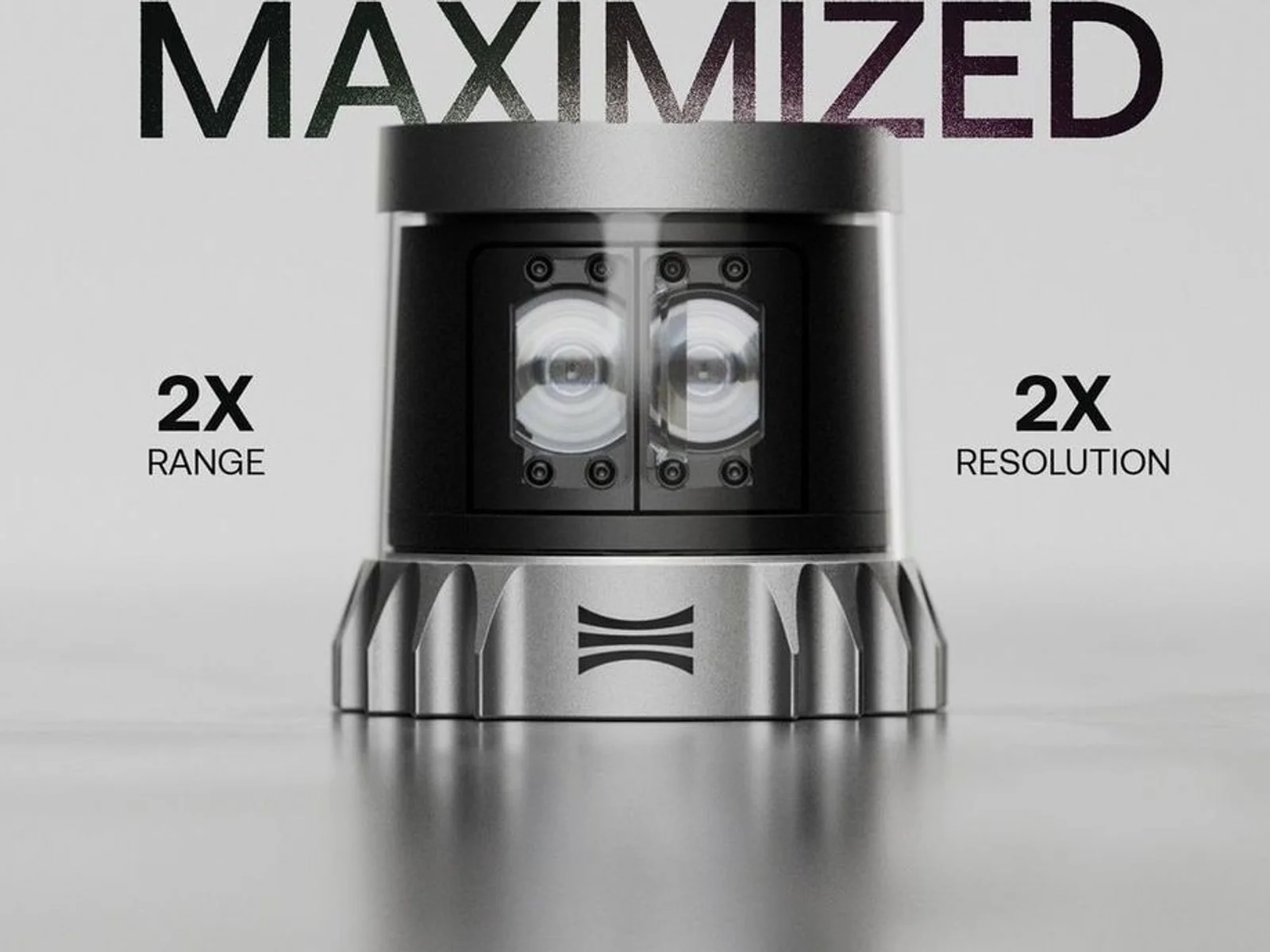
Across the lineup, Ouster claims twice the range, 50% better precision and sevenfold better detection of dark objects. For the OS0 and OS1 it also cites double the points per second, a 15% higher maximum operating temperature and 10% lower power consumption. The company gives no baseline values for these relative figures. The OS2 reaches 200 m on a 10% reflective target and a maximum range beyond 400 m, while the OS0 detects such targets out to 35 m. Range precision is sub-centimeter, with ±0.5 cm quoted for the OS0.
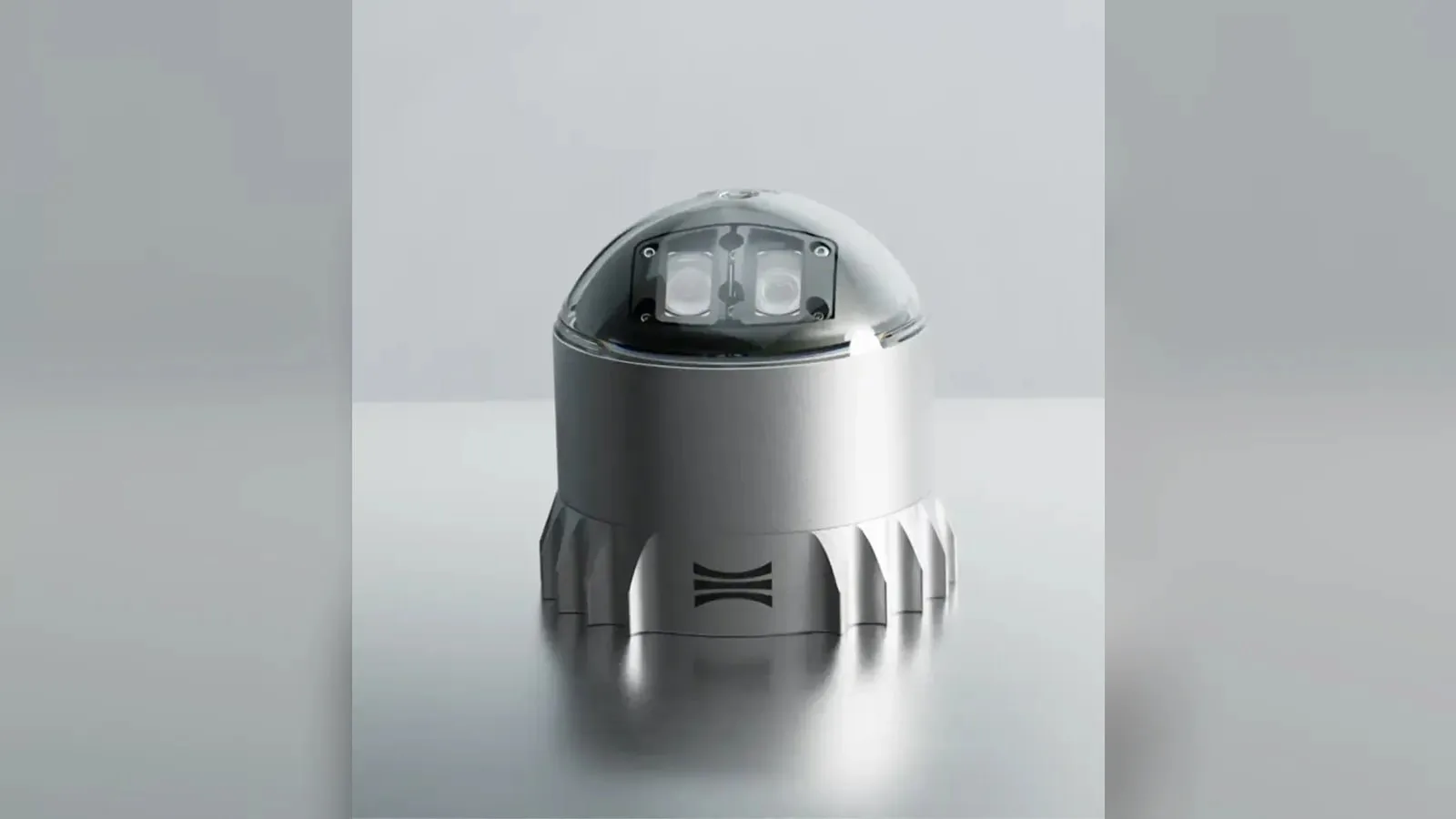
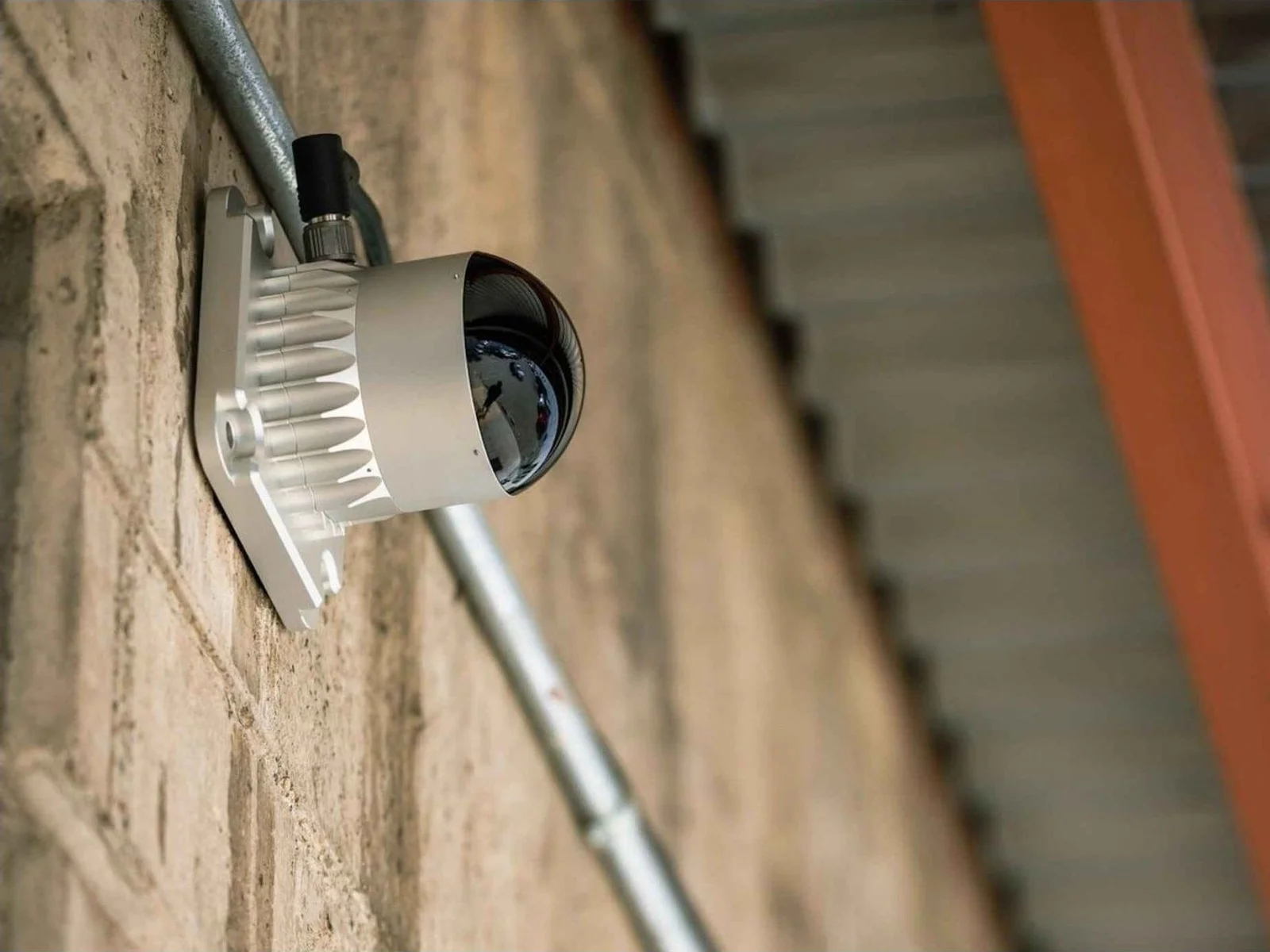
The OSDome joins the family as a new sensor with a 180° hemispherical field of view. The sensor’s rated detection distance is 20 m for a target reflecting 10% of light and 45 m for one reflecting 80%. It runs at frame rates up to 20 Hz, works in temperatures from -40 °C to 60 °C, and carries IP68 and IP69K ratings. Ouster targets indoor security, people tracking and warehouse robots such as forklifts.







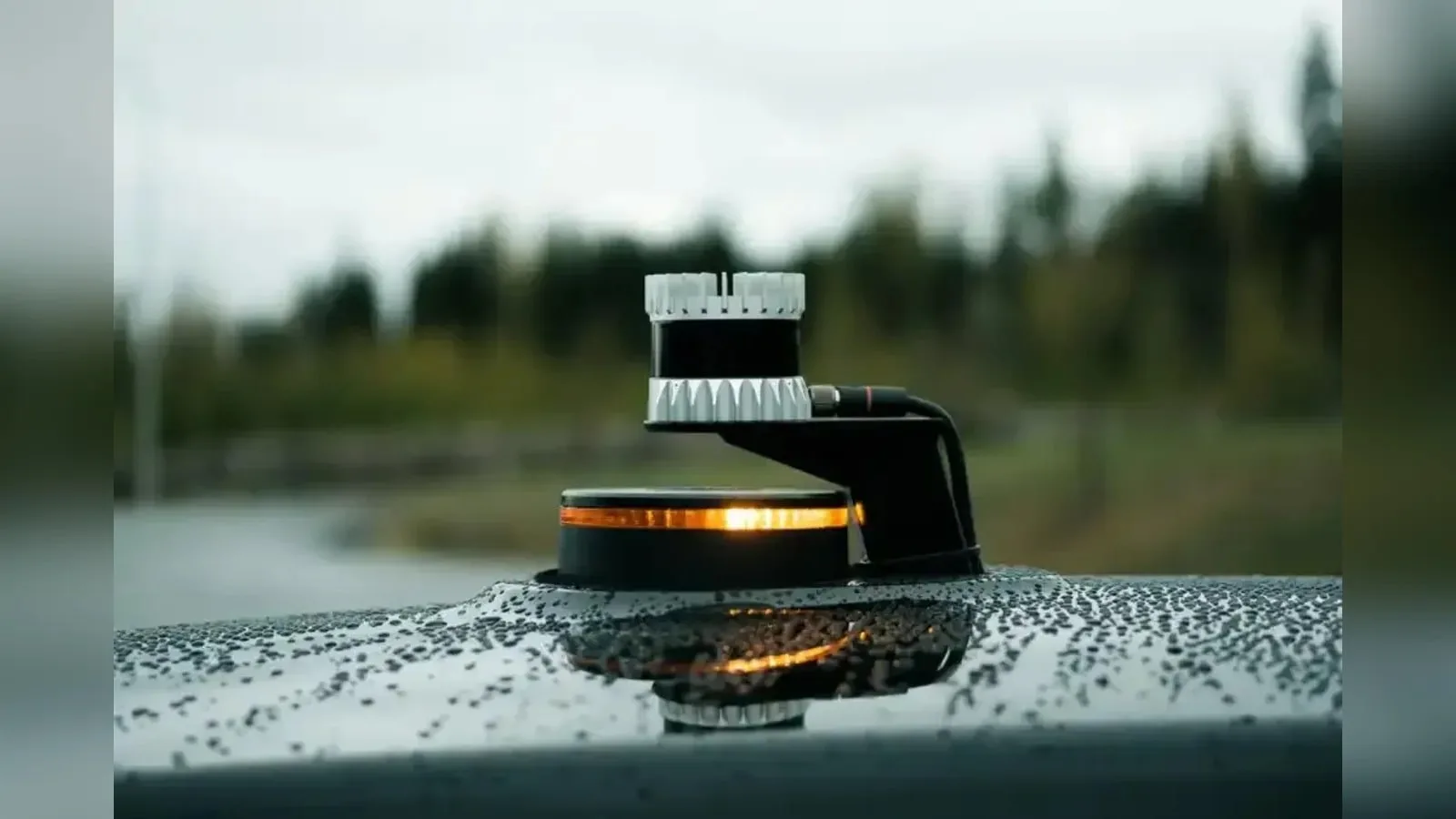
On reliability, 94% of the components meet Automotive Electronics Council grade, and dozens of parts are upgraded for higher temperatures, shock and vibration. A revised connector extends the IP68/69K protection to more use cases. Automotive Ethernet in the 1000BASE-T1 standard is now built into the OSDome, OS0 and OS1, so these sensors work with a widening selection of ready-made compute and networking equipment of automotive grade. An OS0 is shown on a Flyability mapping drone navigating Icelandic glaciers.
Why it matters
The L3 generation dates to 2022, and Ouster’s current hardware documentation covers Rev8 as well. The Rev8 OS1 Max is listed with a 500 m maximum range, 10.4 million points per second and native color output, so integrators comparing sensors should check which hardware revision a quoted figure refers to.
Precision at the sub-centimeter level matters for SLAM and dense mapping, the uses Ouster highlights for the OS2 and the drone-mounted OS0. The Ethernet option lets teams reuse automotive-grade networking hardware instead of adding protocol converters.
The OS1, OS2 and OSDome are listed in the directory. Ouster’s Firmware 3.2 release added on-sensor 3D zones and a synced IMU.
Source: Ouster: Digital Lidar: Realizing the Power of Moore’s Law | Ouster
Was this article useful?
Thanks for your feedback. You can change your answer at any time.
Latest news
Latest news
- Aernnova to acquire GE Aviation's Hamble aerostructures unit
- Hitec DPC-20 programmer configures PWM, CAN, DroneCAN actuators
- Aernnova joins Radia WindRunner wing and pylon design effort
- Ultra Motion B1 compact linear actuator for UAS control surfaces
- Shield to acquire MESA radar maker Echodyne for $5.3 billion
Companies in this article
 Payload · 3
Products in this article
 Featured
 Featured
 Featured
Related articles
Ouster Firmware 3.2 adds on-sensor 3D zones and synced IMU
Ouster releases Firmware 3.2 for its lidar sensors, adding on-sensor 3D zone monitoring, optical window blockage detection and time-synchronized IMU data. The update shifts occupancy logic and motion compensation from the host computer to…

Gremsy and NINANO sign MoU on EO/IR payload integration
Gremsy has signed a memorandum of understanding with South Korean UAV manufacturer NINANO to explore integrating Gremsy's EO/IR camera payloads into NINANO's unmanned platforms. The agreement sets a framework for technical collaboration…

Phase One imagery feeds SimActive Correlator3D for defense maps
SimActive launches an integrated workflow that brings Phase One aerial imagery into its Correlator3D photogrammetry software for large-scale defense mapping. The link targets the processing stage, where users who collect tens of thousands…
Trillium adds lower-cost MWIR HD59 gimbals for tactical UAS
For tactical UAS, two new HD59 variants from Trillium Engineering, the HD59-MVV-C and the HD59-MLVV-C, pair MWIR imaging with a built-in laser rangefinder and laser pointer. Trillium puts system cost more than 30 percent below traditional…