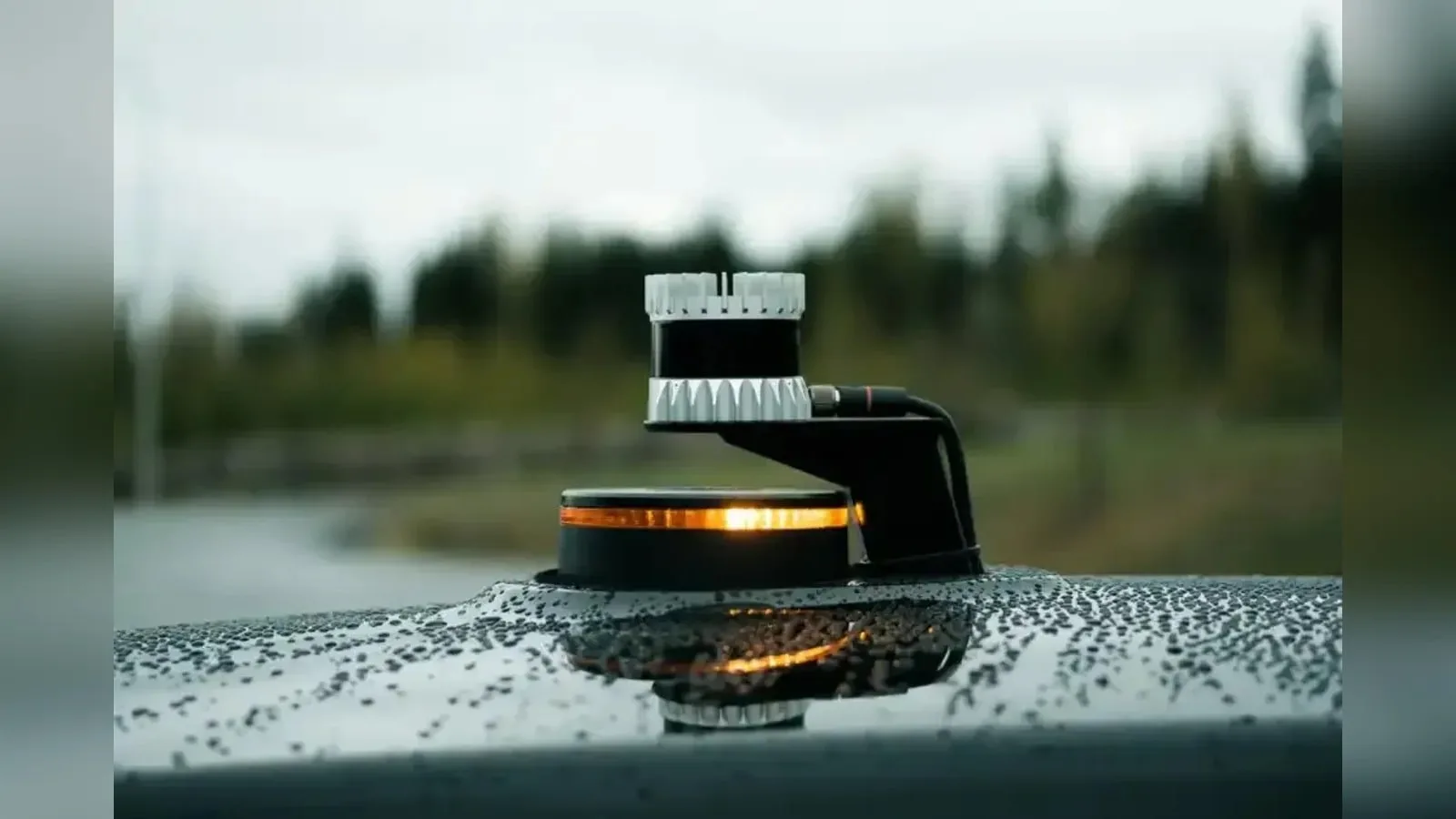
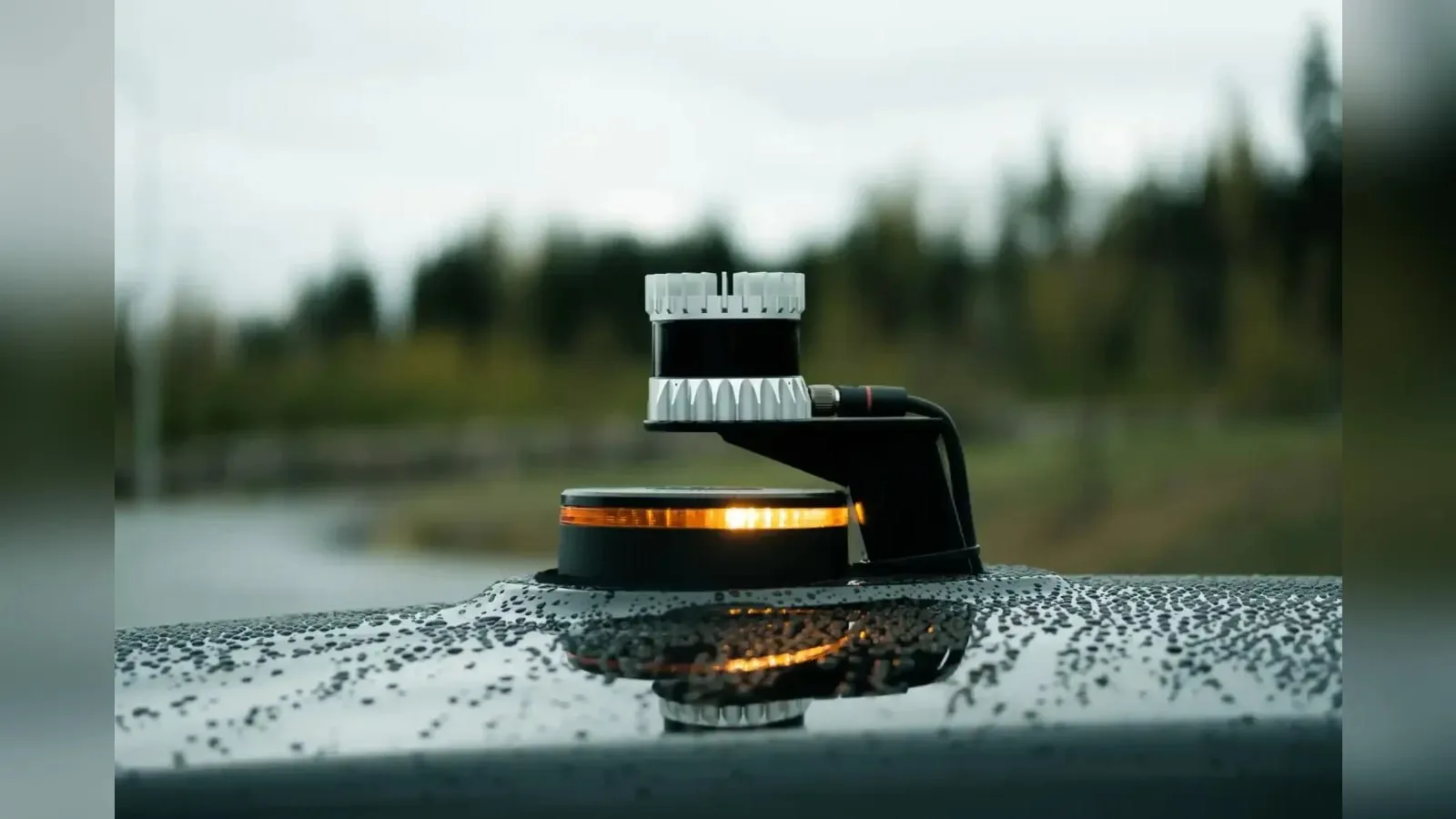
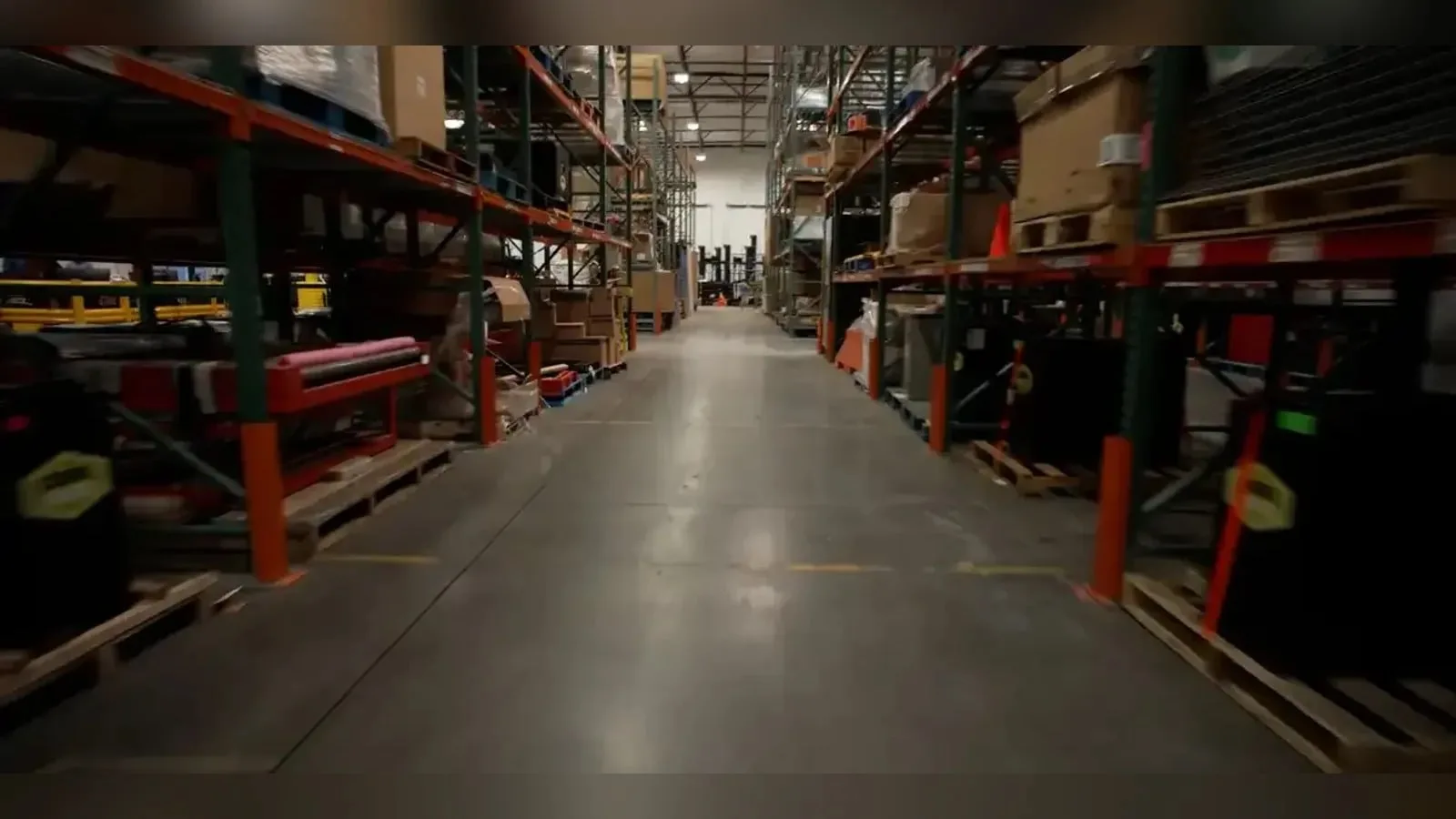
The 3D Zone Monitor lets operators define up to 128 zones of any shape and size, with 16 monitored at the same time. Each zone triggers on a configurable point count, frame count and mode, either occupancy or vacancy. The sensor runs the function without extra compute or software. Ouster SDK 0.16.0 and later read and write zone configurations.
A new 8-bit Window data field reports the condition of the optical window. It separates water droplets, low-reflectivity smudges such as mud, and high-reflectivity blockages such as electrical tape, so host systems can trigger a cleaning cycle or a maintenance stop.
For motion compensation, the IMU now samples at 640 Hz and is time-synced with the lidar data, so the host can deskew lidar packets within a single frame. The default is 8 IMU packets per frame, interleaved between lidar packets.






Signal processing also changes. The sensor produces fewer false detections near retroreflective items like road signs and high-visibility vests, and calibrated reflectivity values stay more consistent from near to far.
Integration changes include a redesigned Web UI, an on-device OpenAPI v3.1.1 specification, multicast routing with TTL above 1 and static default gateways.
Support for the legacy TCP command server ends, so integrations must move to the HTTP API. The $ character in HTTP endpoint syntax breaks existing setups for NMEA users.
Why it matters
Ouster supplies lidar sensors, including the OS1, OS2 and OSDome listed in the directory. For teams that use lidar SLAM as a navigation source where satellite signals are unreliable, a time-synced, higher-rate IMU stream reduces deskewing work in the host software.
Window blockage reporting targets platforms operating in rain, mud and dust, where a dirty window otherwise degrades the point cloud without a clear fault.
The removal of the TCP command server needs attention first: integrators with existing control scripts must migrate to the HTTP API before upgrading.
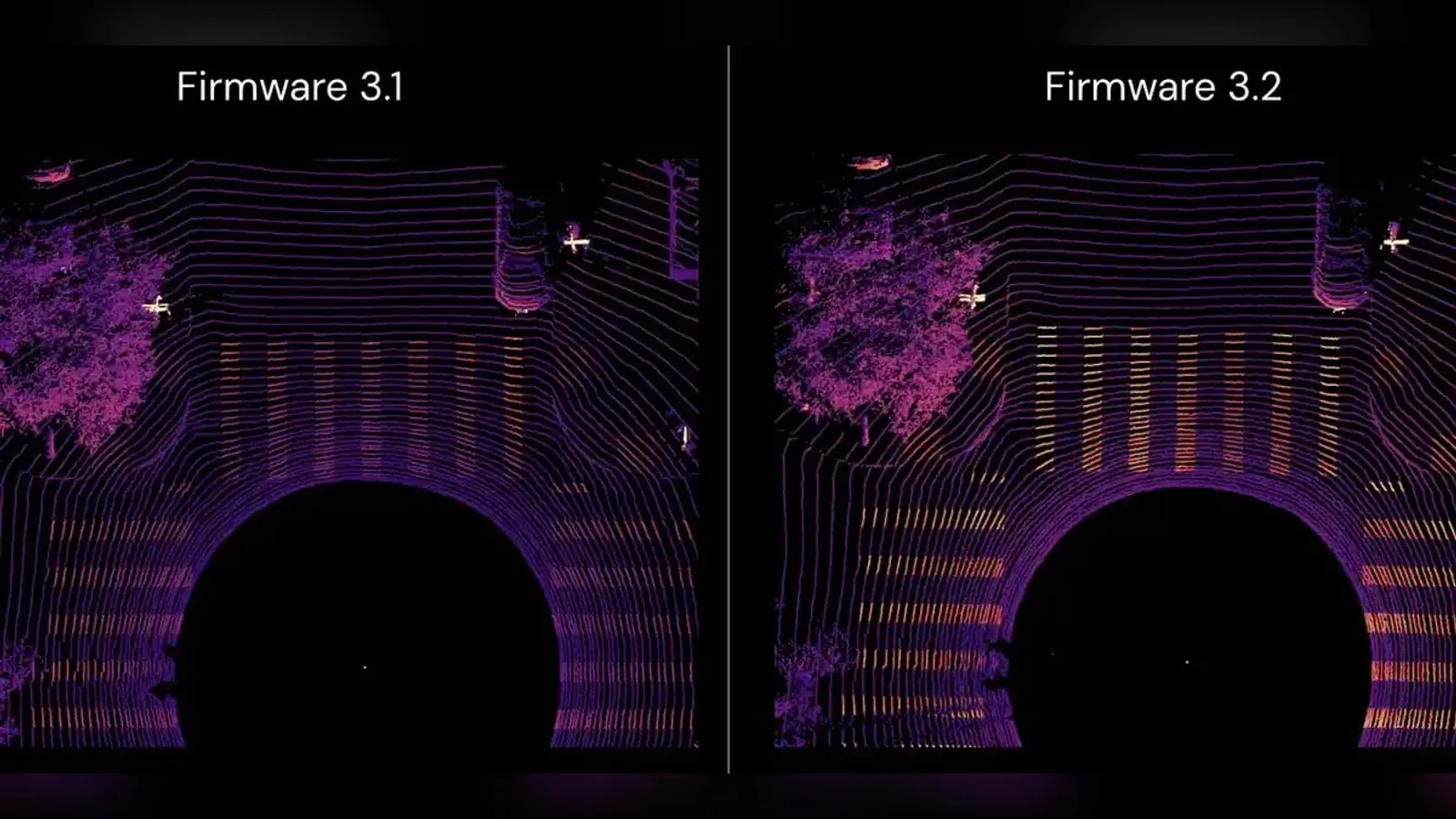
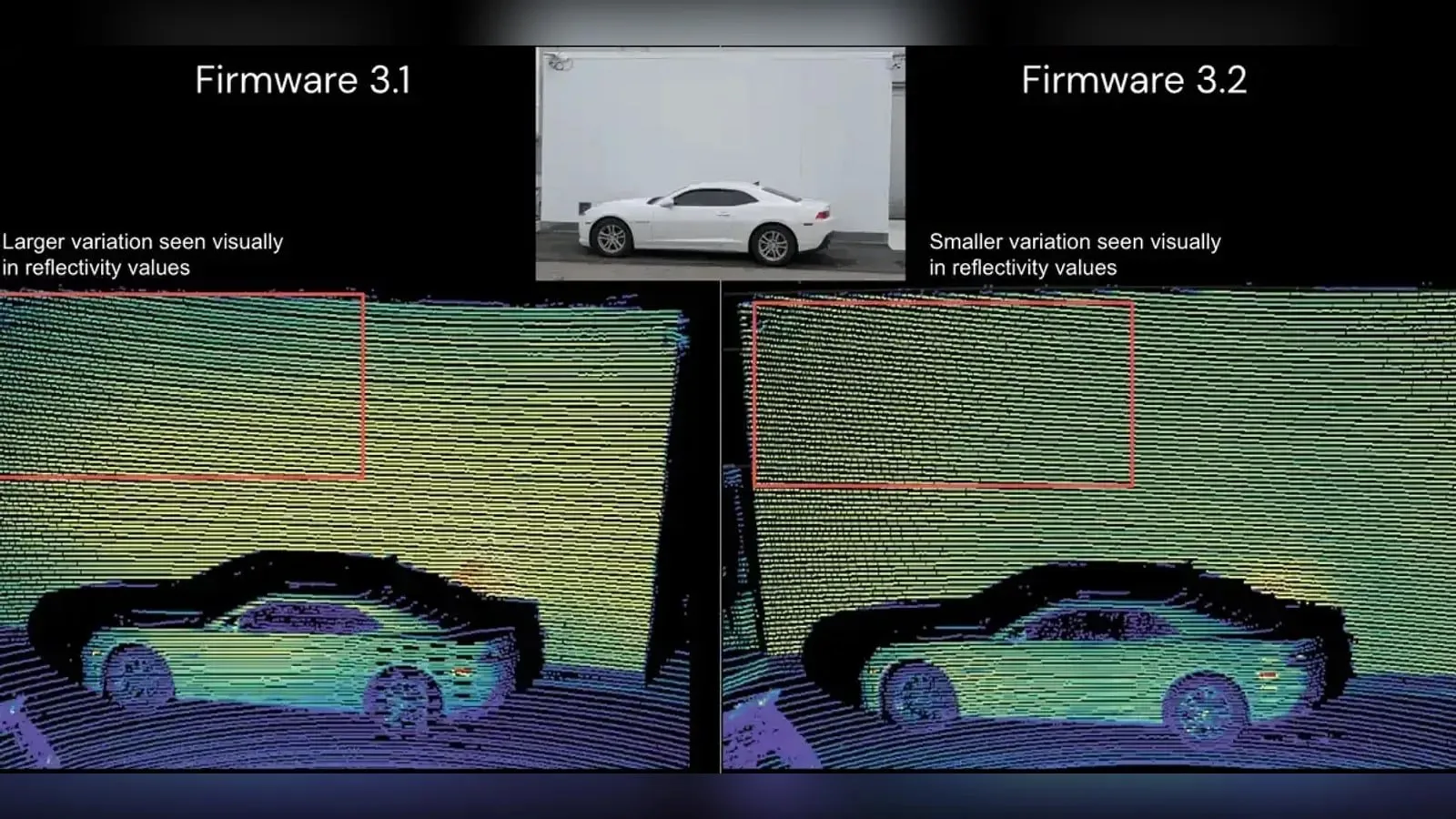
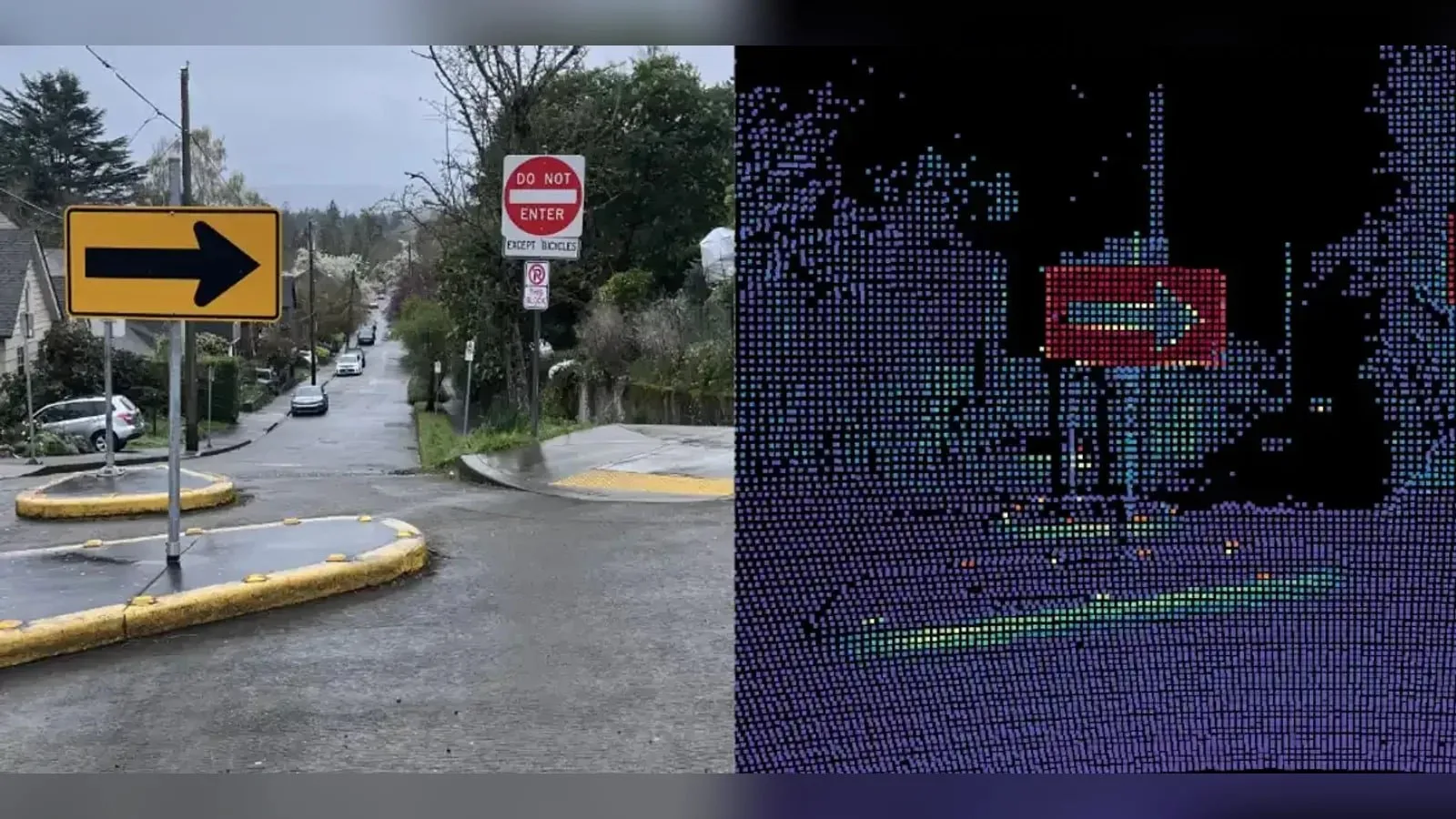
Source: Ouster: Firmware 3.2: Standalone 3D Zone Monitoring & Edge Intelligence | Ouster
Was this article useful?
Thanks for your feedback. You can change your answer at any time.
Latest news
Latest news
Companies in this article
 Payload · 3
Products in this article
 Featured
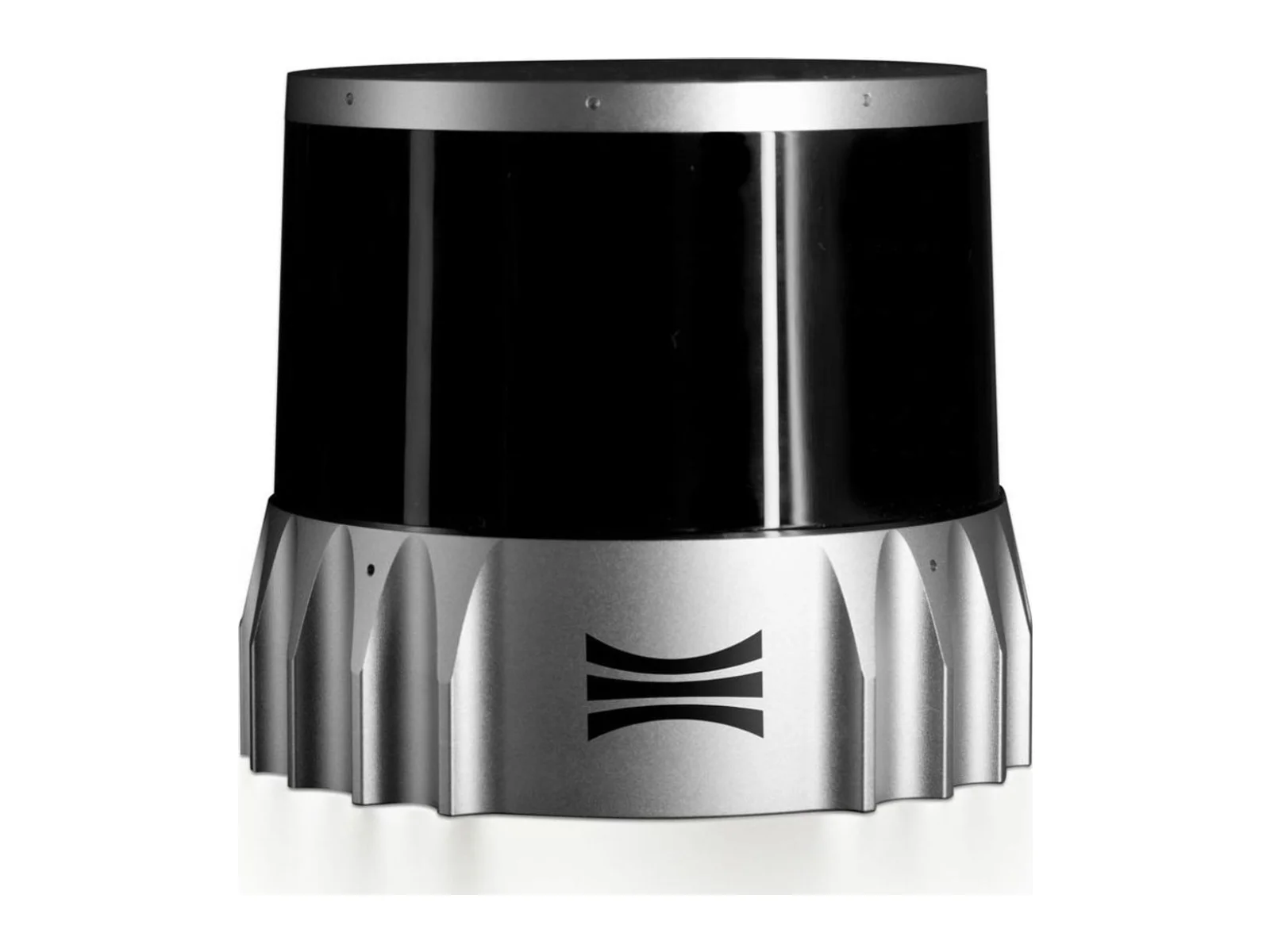 Featured
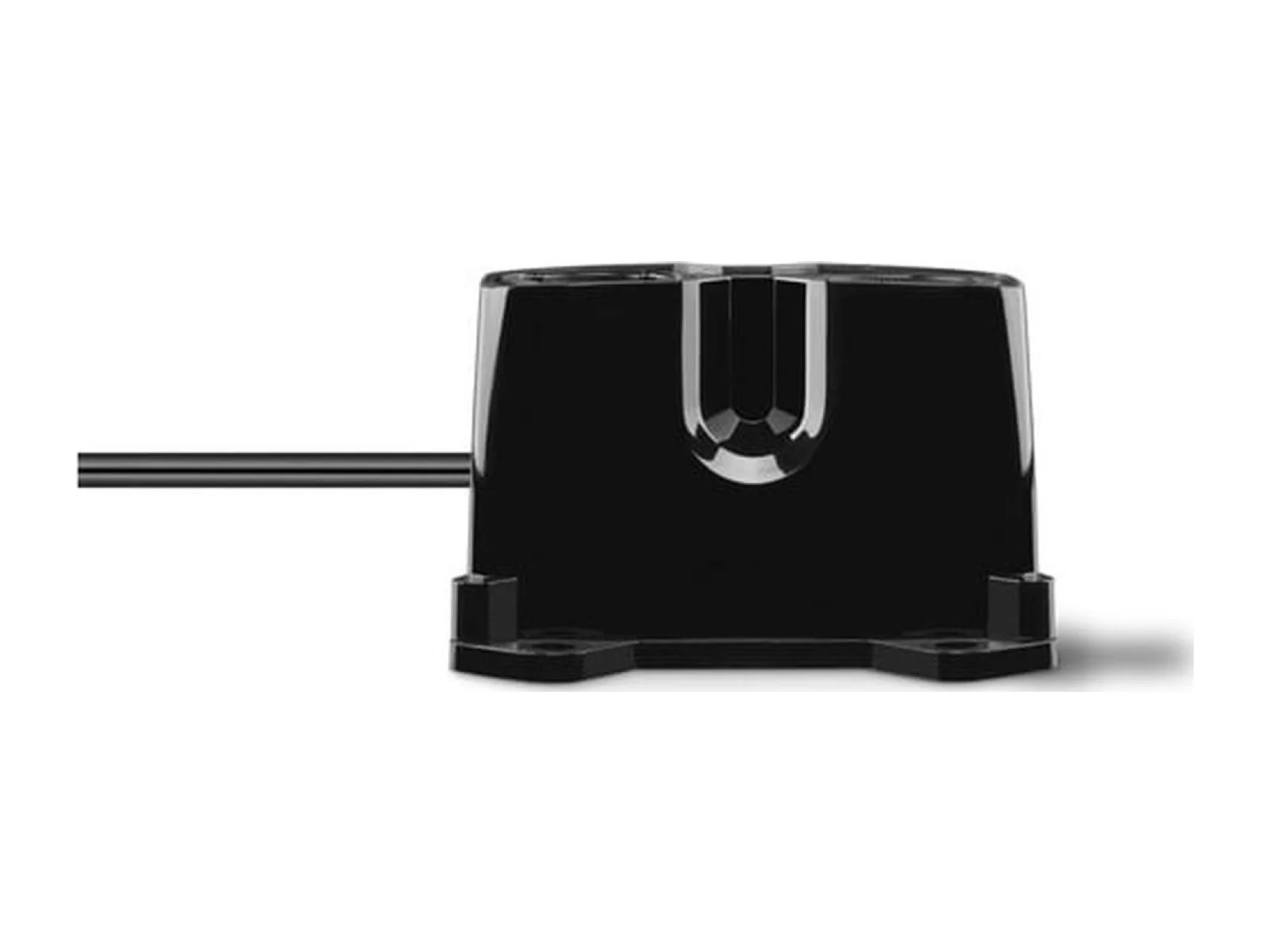 FeaturedAltimeters
LIDAR-Lite altitude or distance sensor
- Sensor technology
- Laser
- Grade
- Professional
- Market
- Dual-use
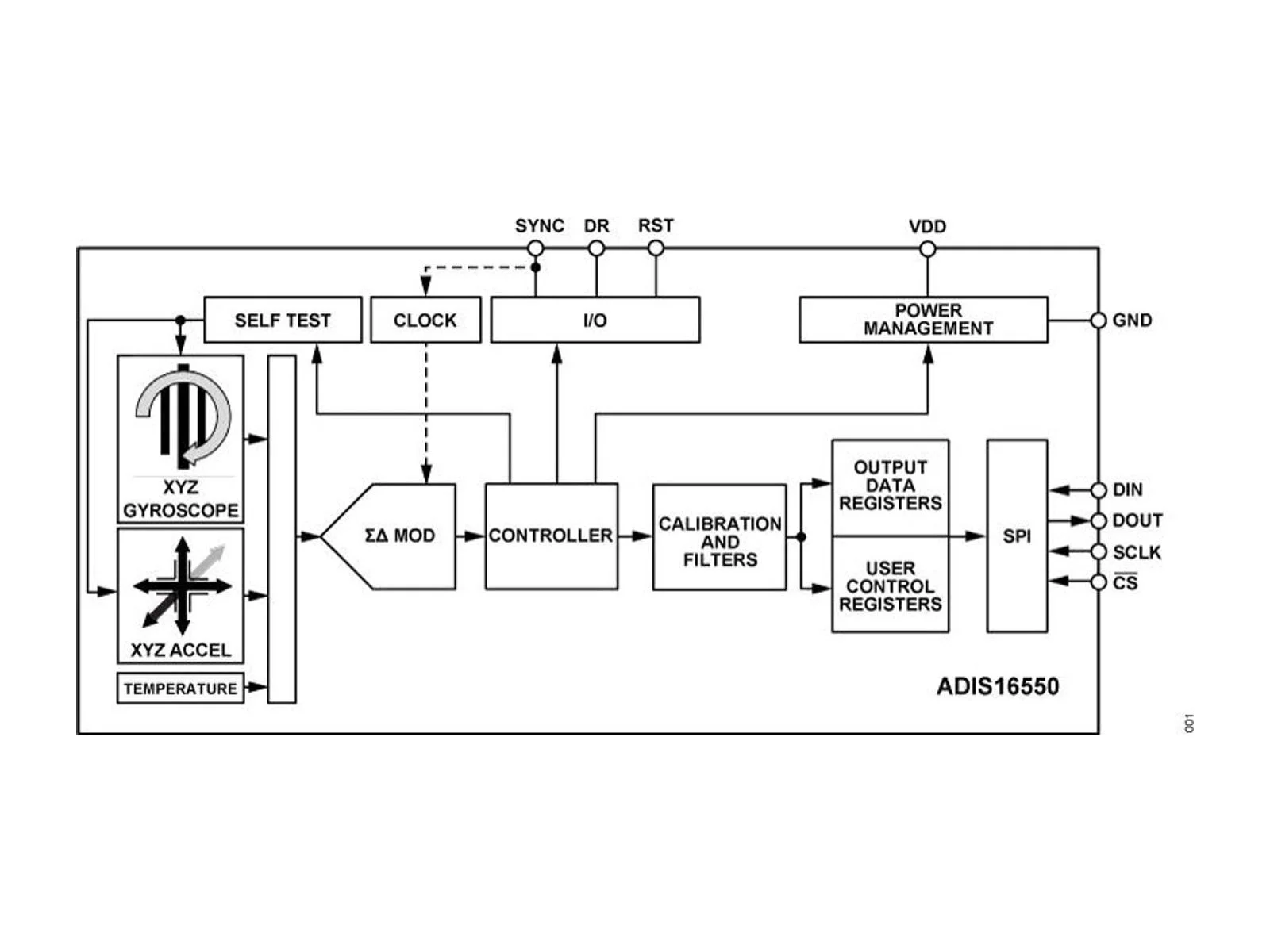 FeaturedIMUs
ADIS16550 inertial sensing unit
- Gyro bias instability
- 1 °/h
- Accelerometer bias instability
- 9 µg
- Angle random walk
- 0.13 °/√h
Related articles
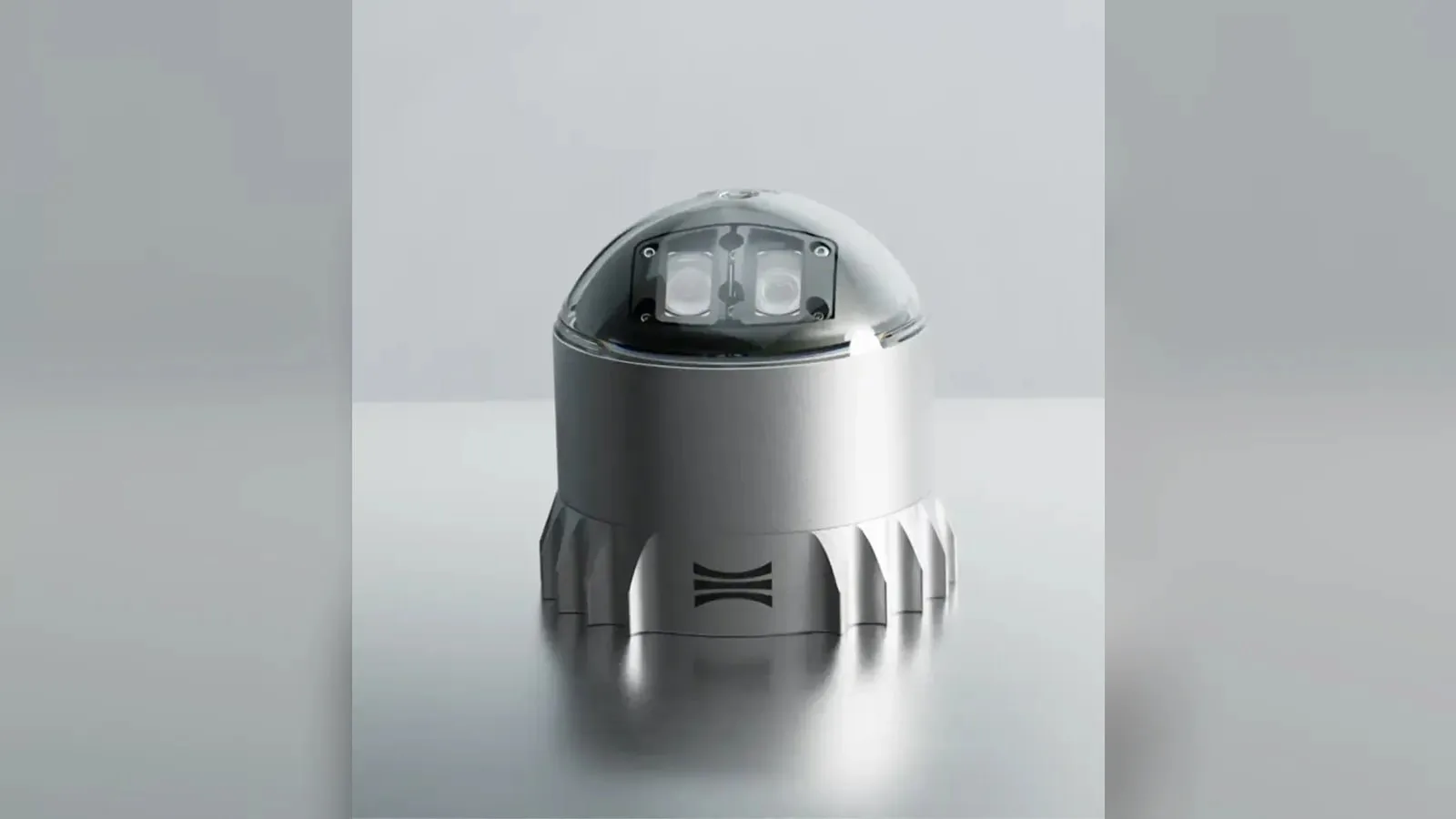
Ouster L3 chip powers REV7 lidar lineup with OSDome
Ouster's REV7 lidar family, built on the L3 digital chip, spans the OS0, OS1 and OS2 plus the new 180° hemispherical OSDome. Ouster claims higher range and finer precision with no change in sensor size or weight.
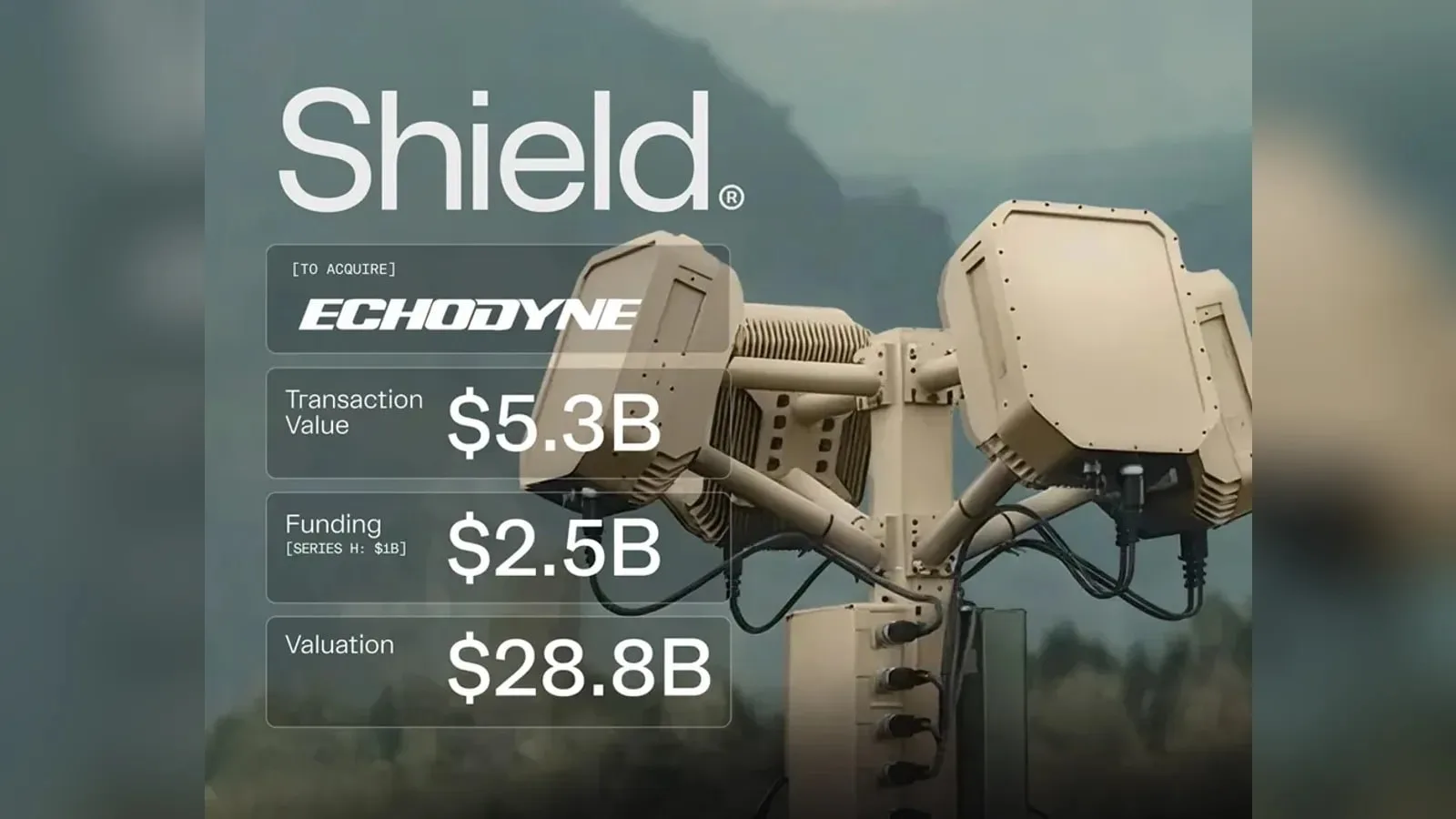
Shield to acquire MESA radar maker Echodyne for $5.3 billion
Shield agrees to buy Echodyne, the Kirkland-based radar maker, in a deal valued at $5.3 billion. The purchase brings software-defined MESA radars, used in counter-UAS systems and for UAS detect-and-avoid, into Shield's Mission Systems…
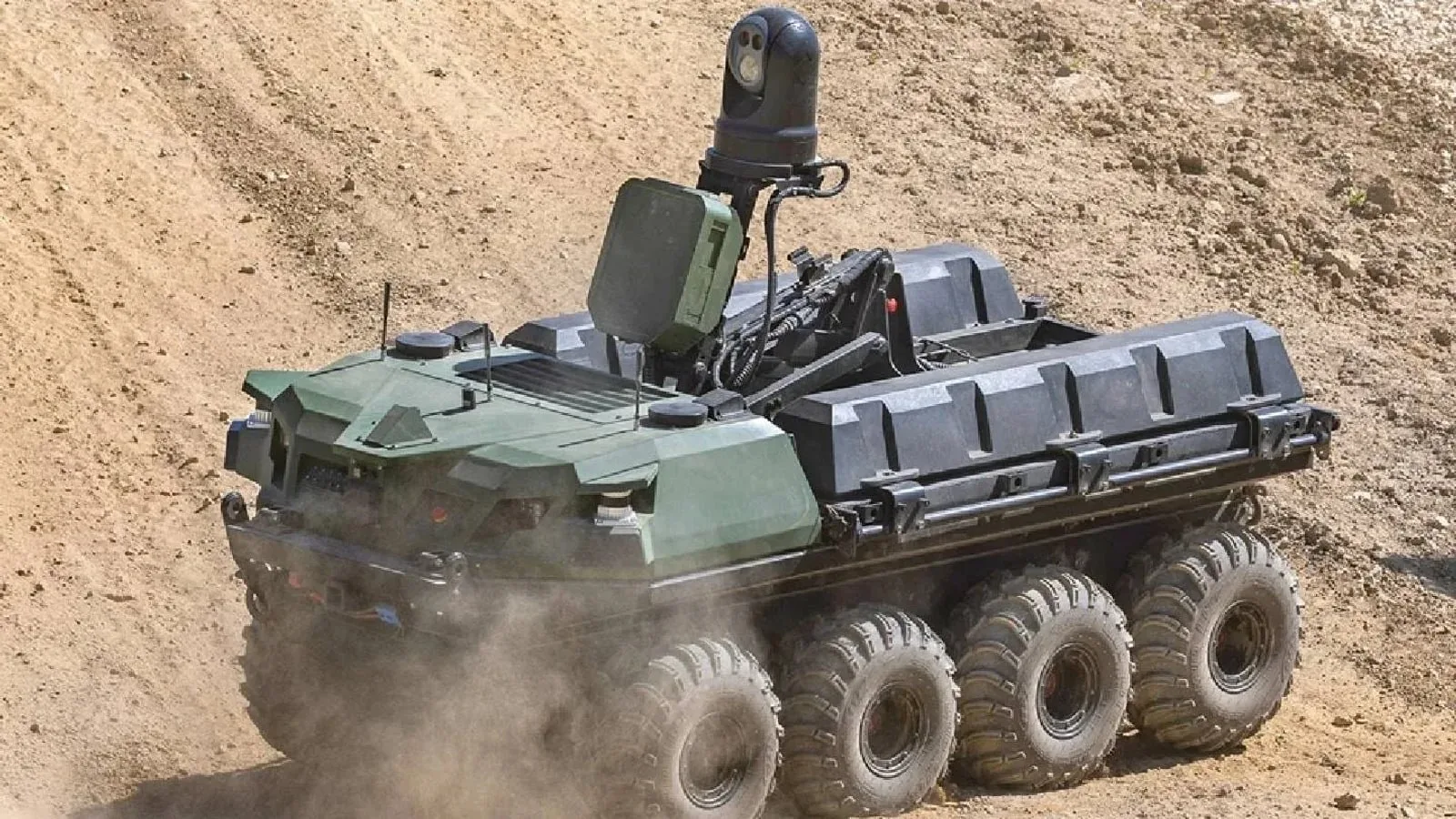
MESA radar maker Echodyne to join Shield in $5.3bn deal
Shield has agreed to buy Echodyne, the Washington-based maker of MESA radars for counter-UAS and airspace sensing, for $5.3bn. Echodyne's radars stay available as standalone products, and the deal adds production capacity for the sensor…
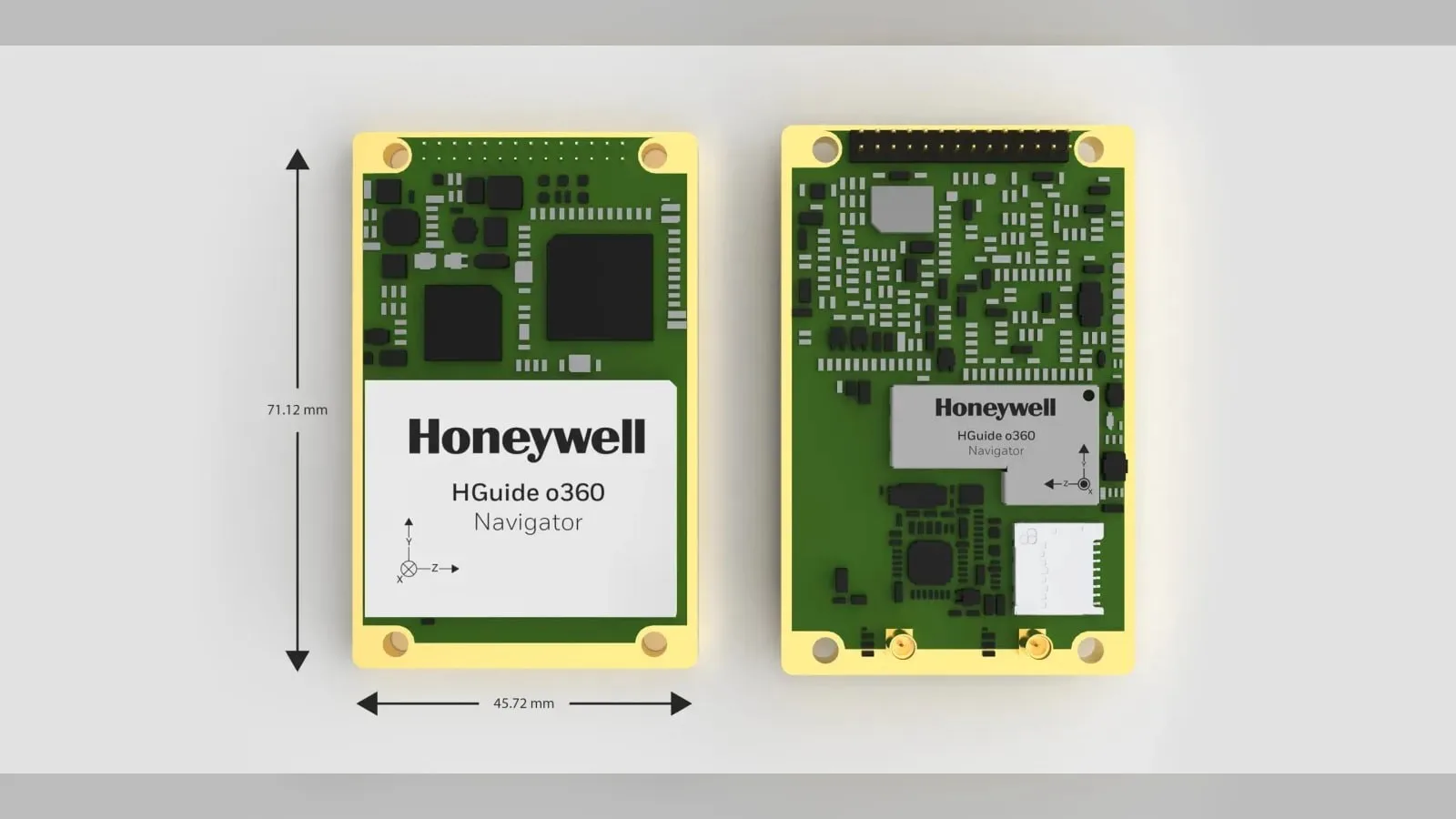
Honeywell HGuide HG4930 IMU anchors industrial nav line
Honeywell Aerospace marks five years of its HGuide Industrial Navigation group, which adapts inertial navigation technology from the company's defense and aerospace lines for industrial platforms. MEMS inertial measurement units such as…