Unverified
Compact Fly-By-Wire Flight Control System
Also known as: Honeywell Aerospace cFBW
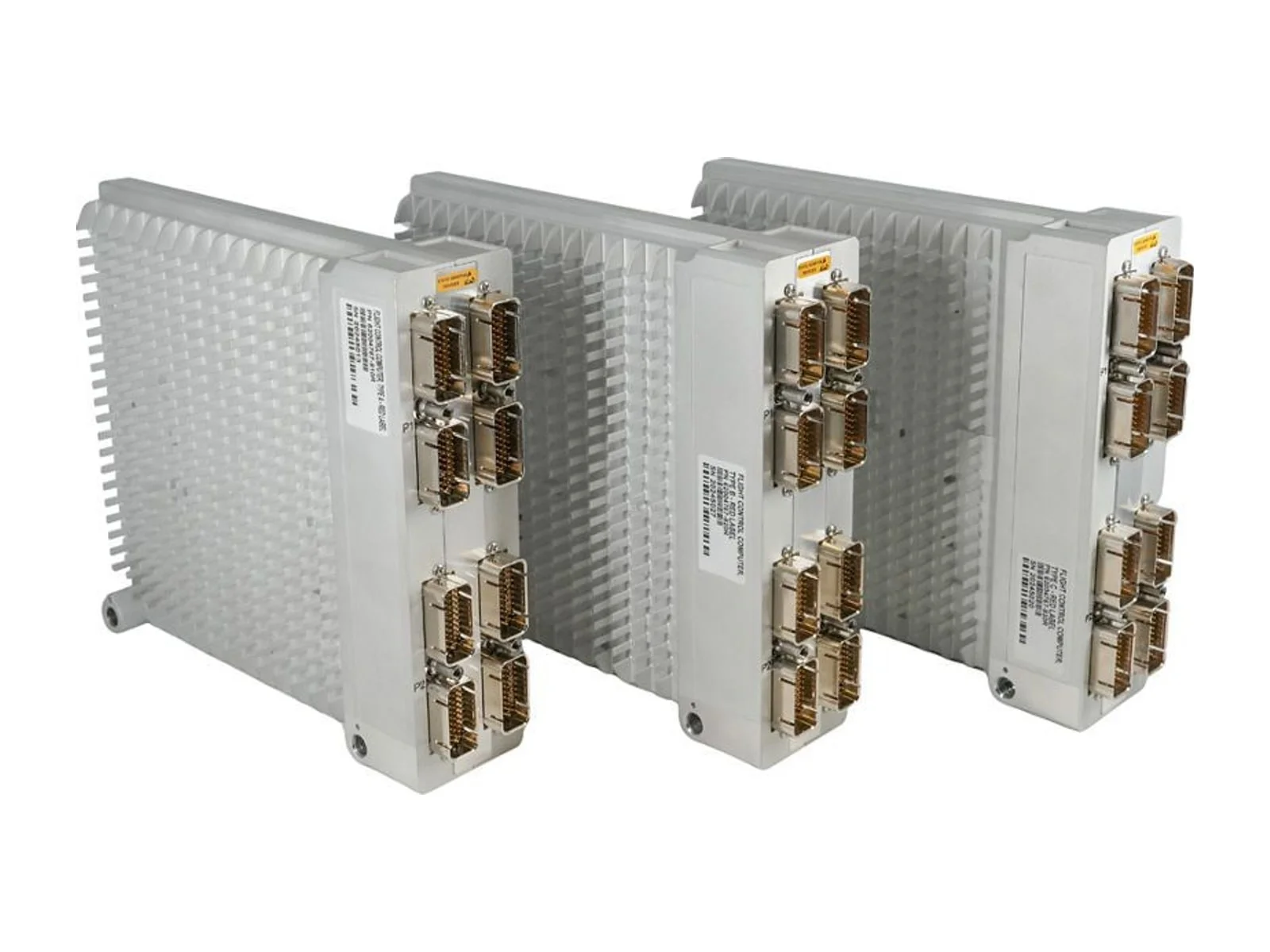
The Compact Fly-By-Wire (cFBW) is a flight control computer for advanced air mobility and uncrewed aerial vehicle platforms. It features a nominal power consumption of 18 W and a weight of less than 2.1 kg.
Description
The Compact Fly-By-Wire (cFBW) flight control system by Honeywell Aerospace is a flight control computer for advanced air mobility and uncrewed aerial vehicle platforms. This system is engineered to provide flight control capabilities for a wide range of conventional fixed-wing aircraft, rotorcraft, and electric or hybrid aircraft, supporting both commercial and military applications.
The cFBW system utilizes modern electronic components and advanced packaging technology to create a passively cooled computational platform. It is designed to be small and lightweight, supporting the requirements of eVTOL, Part 23, and SAIL 4 UAV markets. The system offers a baseline triple channel architecture to meet stringent certification requirements associated with Part 25 and special condition VTOL, while a dual channel architecture is available to support the safety requirements of Part 23 and SAIL 4 vehicles.
The unit has a nominal power consumption of 18 W, excluding 28 V discrete output interfaces. With a weight of less than 2.1 kg and dimensions of 249 mm in length, 218 mm in width, and 66 mm in depth, the system is designed for integration efficiency. The design emphasizes re-use efficiency, allowing OEMs to integrate the cFBW on an initial platform and cost-effectively reuse it across multiple applications.
The development of the cFBW solution is based on well-proven processes that align with Development Assurance Level A. The system supports the implementation of advanced functions such as envelope protection, control laws, and system monitoring, which can be developed by the OEM or Honeywell Aerospace. The hardware is designed for high reliability, with a mean time between failures of more than 50,000 operating hours.
This flight control computer is available with red label hardware from the production supply chain. The system has supported flight-testing of four different vehicle types, including Part 23, eVTOL, crewed, and fully autonomous platforms, demonstrating its maturity and versatility for diverse aerospace missions.
cFBW specifications
| General | |
|---|---|
| Grade | Aerospace-grade[1][2] |
| Market | Dual-use[1][2] |
| Platform class | eVTOL, Manned aircraft[1][2] |
| Airframe | Fixed-wing, Helicopter, Any[1][2] |
| Availability | In production[1][2] |
| Mass | 2,100 g[1][2] |
| Dimensions (L × W × H, mm) | 249 mm × 218 mm × 66 mm[1][2] |
| Key specifications | |
| Redundancy | Triple[1][2] |
| Design assurance level | None[1][2] |
| Additional specifications | |
| Power consumption (typical) | 18 W[1][2] |
| Companion computer support | No[1][2] |
Sources
Frequently asked questions
What is the weight of the Compact Fly-By-Wire system?
The weight of the system is less than 4.6 lbs (2.1kg).
What is the nominal power consumption of the cFBW?
The system has a nominal power consumption of 18 Watts, excluding 28V discrete output interfaces.
Does the cFBW support different channel architectures?
Yes, the system features a baseline triple channel system for stringent certification requirements and a dual channel architecture to support Part 23/SAIL 4 vehicle safety requirements.
Reviews & Ratings
– / 5
No reviews yet. Be the first to rate.
Rate this product
Almost done: send the form below to publish your rating.
Thank you: your review is published and already counts in the rating.
Demo mode: the form is not connected yet and nothing was sent.









Similar flight controllers from other manufacturers
 FeaturedFlight controllers
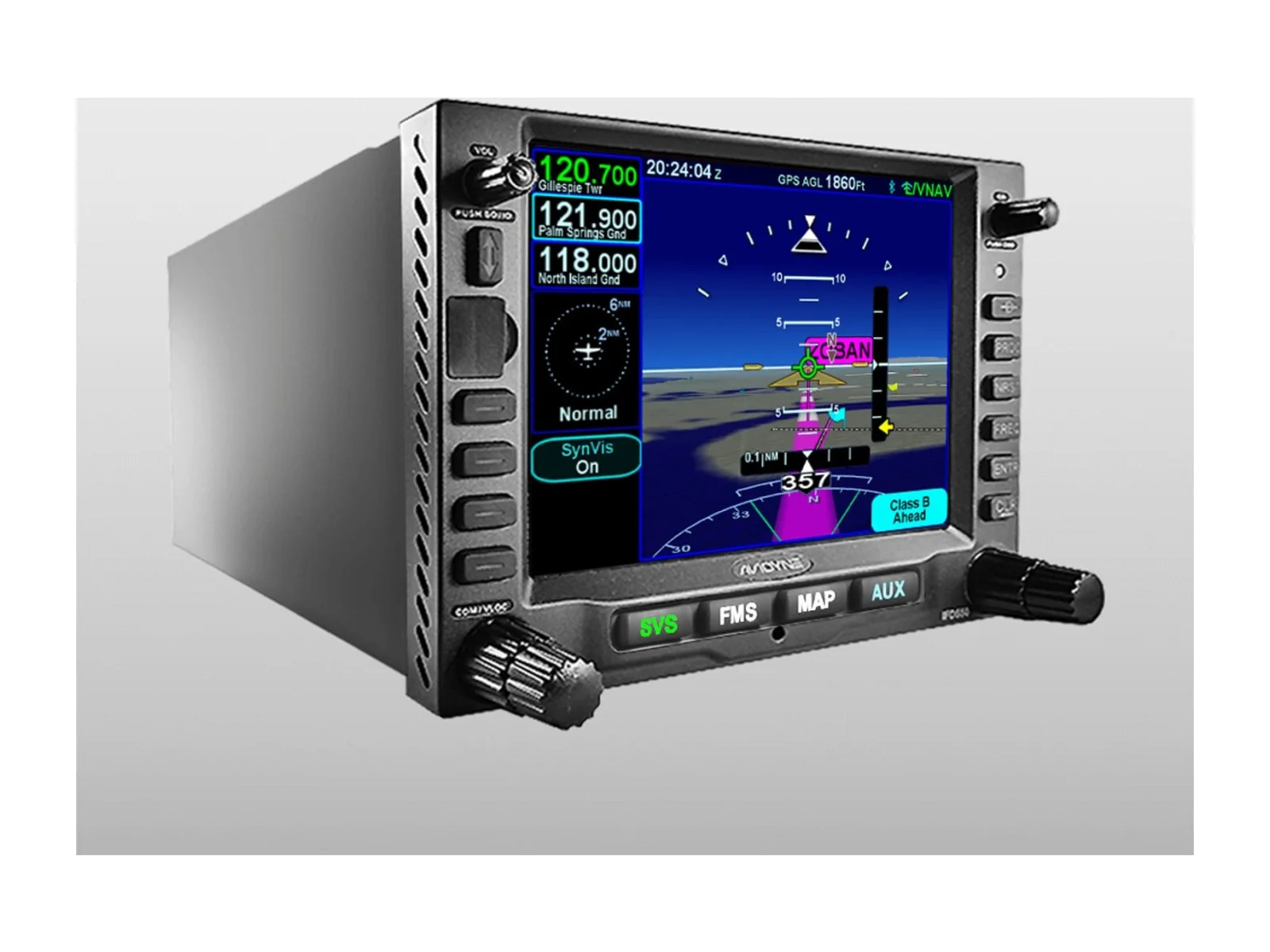
IFD550 Integrated Flight Display
- Redundancy
- Simplex
- Software stack
- Proprietary
- Design assurance level
- None
 FeaturedFlight controllers
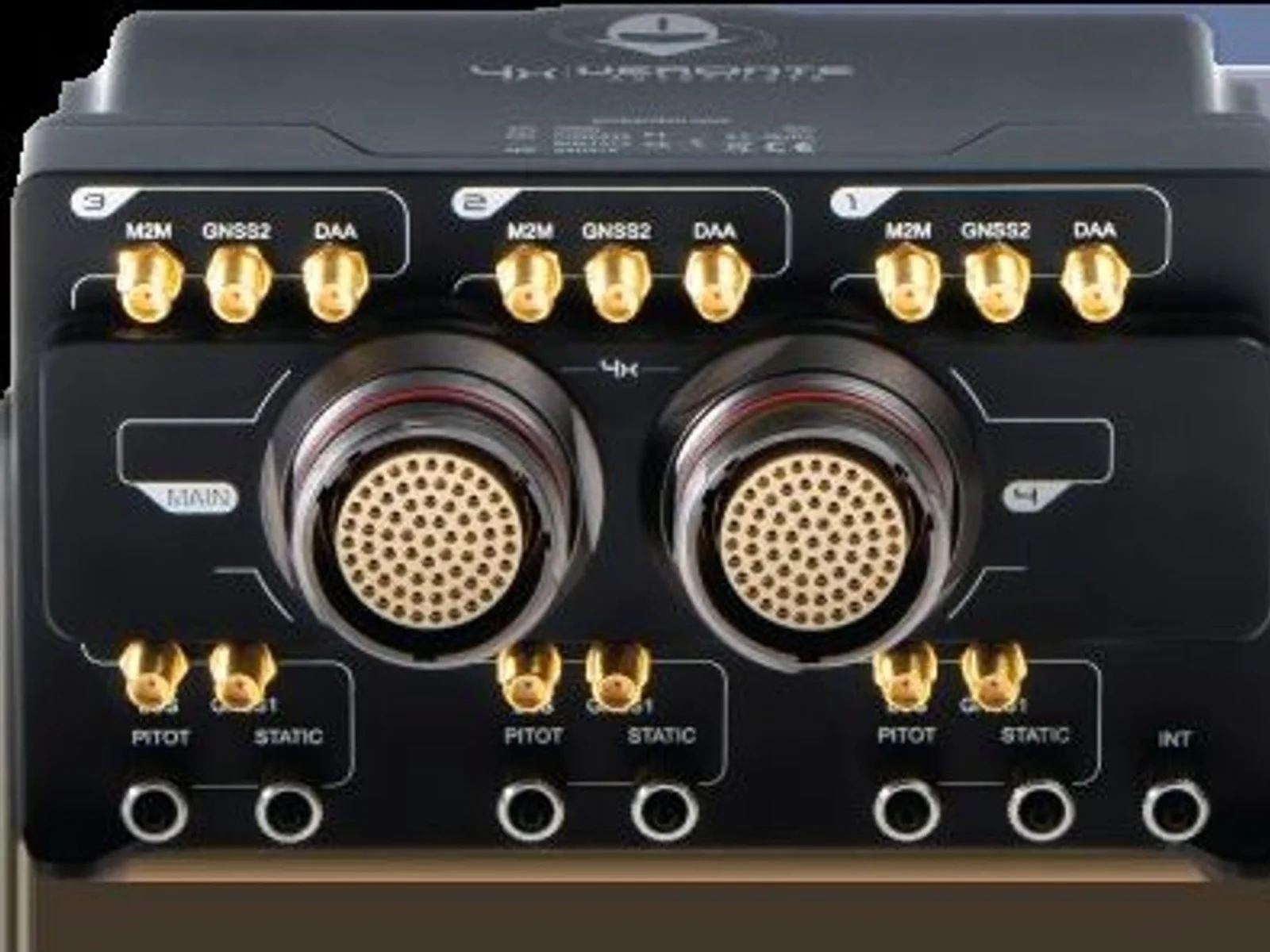
Veronte Autopilot 4x flight control system
- Redundancy
- Triple
- Software stack
- Proprietary
- Design assurance level
- DAL B
 FeaturedFlight controllers
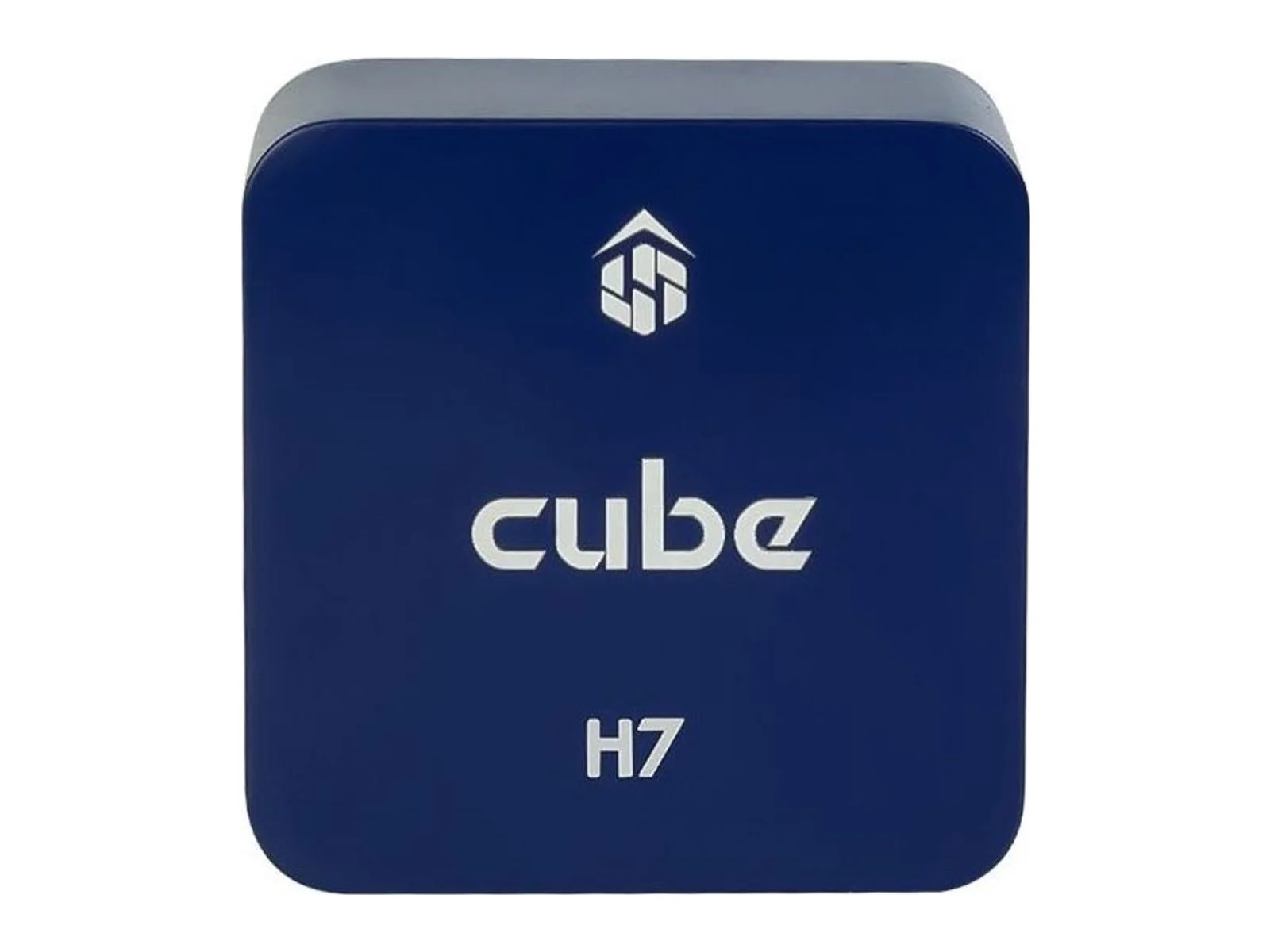
Cube Blue flight-management module family
- Redundancy
- Triple
- Grade
- Aerospace-grade
- Market
- Dual-use
 FeaturedFlight controllers
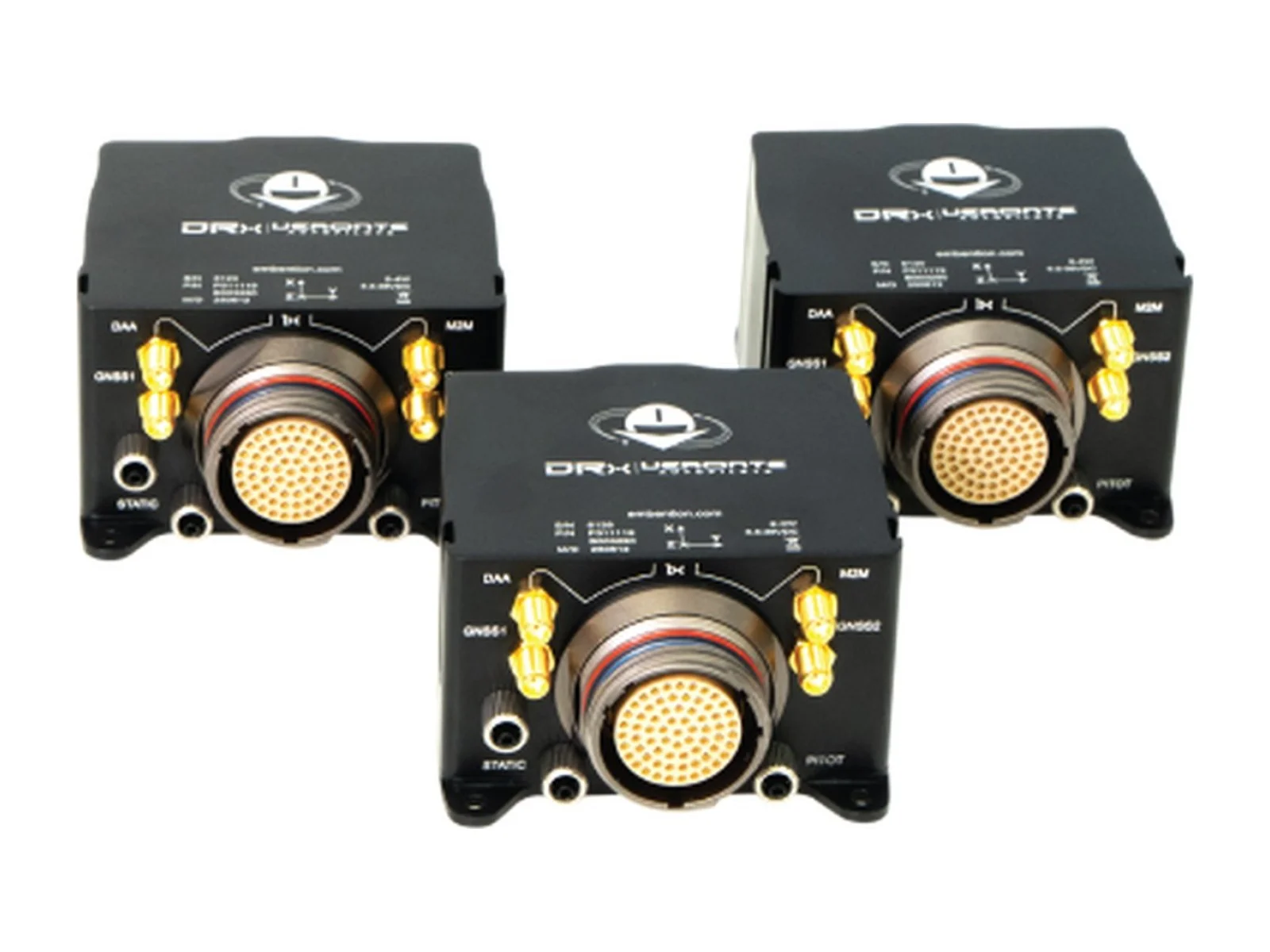
Veronte Autopilot DRx flight control system
- Redundancy
- Triple
- Software stack
- Proprietary
- Grade
- Aerospace-grade
 FeaturedFlight controllers
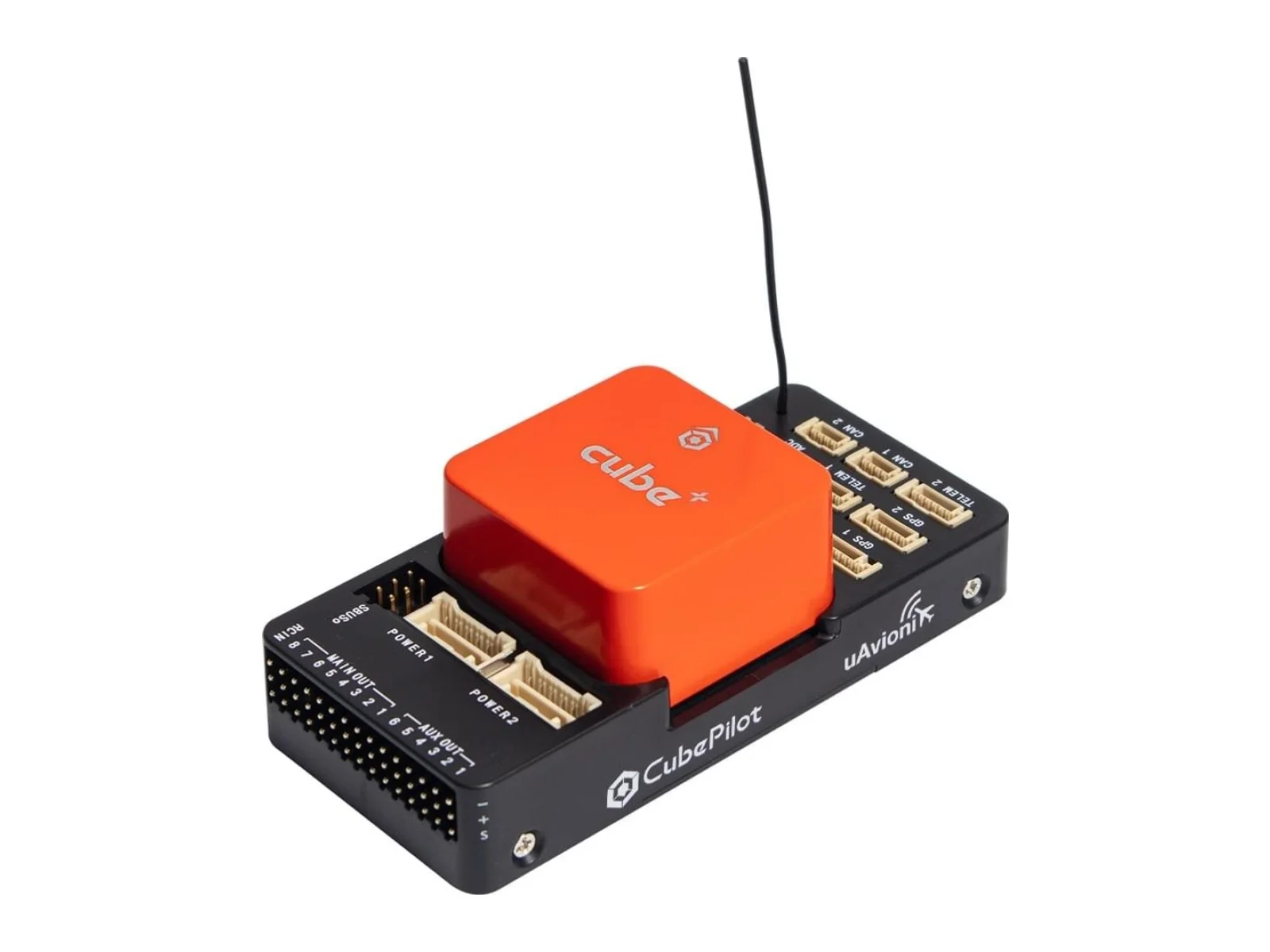
Cube Orange+ modular flight-management unit
- Redundancy
- Triple
- Grade
- Professional
- Market
- Dual-use
 FeaturedFlight controllers
Veronte Autopilot 1x flight control system
- Redundancy
- Simplex
- Software stack
- Proprietary
- Design assurance level
- DAL B
View all: Similar flight controllers from other manufacturers
More from Honeywell Aerospace
- FeaturedFlight controllers
Compact Fly-By-Wire (cFBW) flight control system
- Redundancy
- Triple
- Design assurance level
- None
- Grade
- Professional
 FeaturedFlight deck
Terrain Display Unit cockpit indicator
- Product type
- Control panel
- Grade
- Aerospace-grade
- Market
- Dual-use
- FeaturedVisual navigation
Vision Aided Navigation (VAN) navigation system
- Navigation method
- Landmark matching
- Grade
- Aerospace-grade
- Market
- Dual-use
 FeaturedPitot tubes
HG1152 Air Data Module
- Measured parameters
- Airspeed
- Airspeed accuracy
- 0.02 %
- Grade
- Aerospace-grade
Key terms
- Allan variance
Allan variance is a time-domain statistic of the difference between consecutive averages of a signal; plotted against averaging time, it separates the noise types of gyroscopes, accelerometers and oscillators.
- angle random walk
Angle random walk (ARW) is the growth of angle error in a gyroscope caused by white noise on its rate output, specified in degrees per root hour or degrees per root second.
- bias instability
Bias instability is the slowest, flicker-like drift of a gyroscope or accelerometer bias during operation at constant conditions, and sets the best accuracy with which that bias can be estimated.
- design assurance level (DAL)
A design assurance level (DAL) is the letter A to E that sets how rigorous the development process of an aircraft function, software item or hardware item must be, according to the effect its failure would have on the aircraft.
Related news
Honeywell tested multi-network satcom failover on 757 testbed
Honeywell Aerospace detailed on May 5, 2022 a test of a Primary, Alternate, Contingency and Emergency (PACE) satcom scheme on its Boeing 757-200 flying testbed, which switched between commercial and military satellite networks in flight…

Honeywell tests alternative navigation for GNSS-denied flight
Honeywell Aerospace presents results from demonstrations of celestial-, vision- and magnetic-aided navigation that support inertial systems when GNSS signals are lost. Its star-tracker based system matches GNSS-INS performance under…

Honeywell tests 1 MW hybrid-electric generator for airship
Honeywell Aerospace tests a 1 MW generator in a Mexicali test cell, and Flying Whales will integrate it into the hybrid-electric powertrain of its LCA60T airship. The unit reaches 1 MW steady state at 97% efficiency, giving…
This product listing is maintained by our editorial team and may contain errors. Last updated .