Unverified
Compact Fly-By-Wire (cFBW) flight control system
Also known as: CompactFlyByWire(cFBW), Compact-Fly-By-Wire-(cFBW), Compact Fly By Wire (cFBW), Honeywell Aerospace Compact Fly-By-Wire (cFBW), Honeywell Aerospace CompactFlyByWire(cFBW)
The Compact Fly-By-Wire (cFBW) is a flight control computer for eVTOL, fixed-wing, and rotorcraft platforms. It features a mass of less than 2,100 g and a nominal power consumption of 18 W.
Description
The Compact Fly-By-Wire (cFBW) flight control system by Honeywell Aerospace is a flight control computer engineered for advanced air mobility and uncrewed aerial vehicle platforms. This system is designed to provide flight control capabilities for any conventional fixed-wing or rotary-wing aircraft, including electric and hybrid propulsion configurations. It serves as a component for integrators seeking to implement flight control laws and envelope protection on modern aerial platforms.
The system is built upon a passively cooled computational platform that prioritizes reduced weight and compact dimensions to meet the requirements of eVTOL and Part 23 aircraft. With a mass of less than 2,100 g and a nominal power consumption of 18 W, the unit is optimized for integration into platforms where space and power efficiency are essential. The hardware is designed for reliability, boasting a mean time between failures of more than 50,000 operating hours, ensuring consistent performance in operational environments.
Integration is facilitated through the use of Radiall EN4644 rectangular modular connectors, which support the system's modular architecture. The cFBW is available in a baseline triple-channel configuration to meet the certification requirements associated with Part 25 and special condition VTOL standards. A dual-channel architecture is available to support the safety requirements of Part 23 and SAIL 4 vehicles. This flexibility allows OEMs to integrate the system on an initial platform and cost-effectively reuse it across multiple applications.
The development of the cFBW solution is based on processes that align with Development Assurance Level A, reflecting its suitability for safety-critical applications. The system supports the implementation of functions such as envelope protection, control laws, and system monitoring, which can be developed by the OEM or Honeywell Aerospace. This capability enables integrators to tailor the flight control logic to the specific mission requirements of their aircraft.
Typical applications for the cFBW include commercial and military uncrewed aerial vehicles, as well as advanced air mobility platforms. The system has supported flight-testing of four distinct vehicle types, including Part 23, eVTOL, crewed, and fully autonomous platforms. By providing a mature, production-ready flight control solution, the cFBW helps OEMs accelerate their speed to market while maintaining standards of safety and reliability.
Compact Fly-By-Wire (cFBW) specifications
| General | |
|---|---|
| Grade | Professional[1][2] |
| Market | Dual-use[1][2] |
| Platform class | eVTOL, Manned aircraft[1][2] |
| Airframe | Any[1][2] |
| Availability | In production[1][2] |
| Mass | 2,100 g[1][2] |
| Dimensions (L × W × H, mm) | 249 mm × 218 mm × 66 mm[1][2] |
| Key specifications | |
| Redundancy | Triple[1][2] |
| Design assurance level | None[1][2] |
| Additional specifications | |
| Power consumption (typical) | 18 W[1][2] |
| Autonomy features | envelope protection · control laws · system monitoring[1][2] |
| Companion computer support | No[1][2] |
Sources
- honeywellaerospace.com/us/en/products-and-services/products/cabin-and-cockpit/avionics/flight-management-systems/compact-fly-by-wire-flight-control-system · checked November 18, 2026
- honeywellaerospace.com/us/en/customer-support/technical-support · checked November 18, 2026
Frequently asked questions
What is the nominal power consumption of the cFBW system?
The system has a nominal power consumption of 18 Watts, excluding 28V discrete output interfaces.
What is the development assurance level of the cFBW solution?
The development of the cFBW solution is based on processes that align with Development Assurance Level A.
Reviews & Ratings
– / 5
No reviews yet. Be the first to rate.
Rate this product
Almost done: send the form below to publish your rating.
Thank you: your review is published and already counts in the rating.
Demo mode: the form is not connected yet and nothing was sent.









Similar flight controllers from other manufacturers
 FeaturedFlight controllers
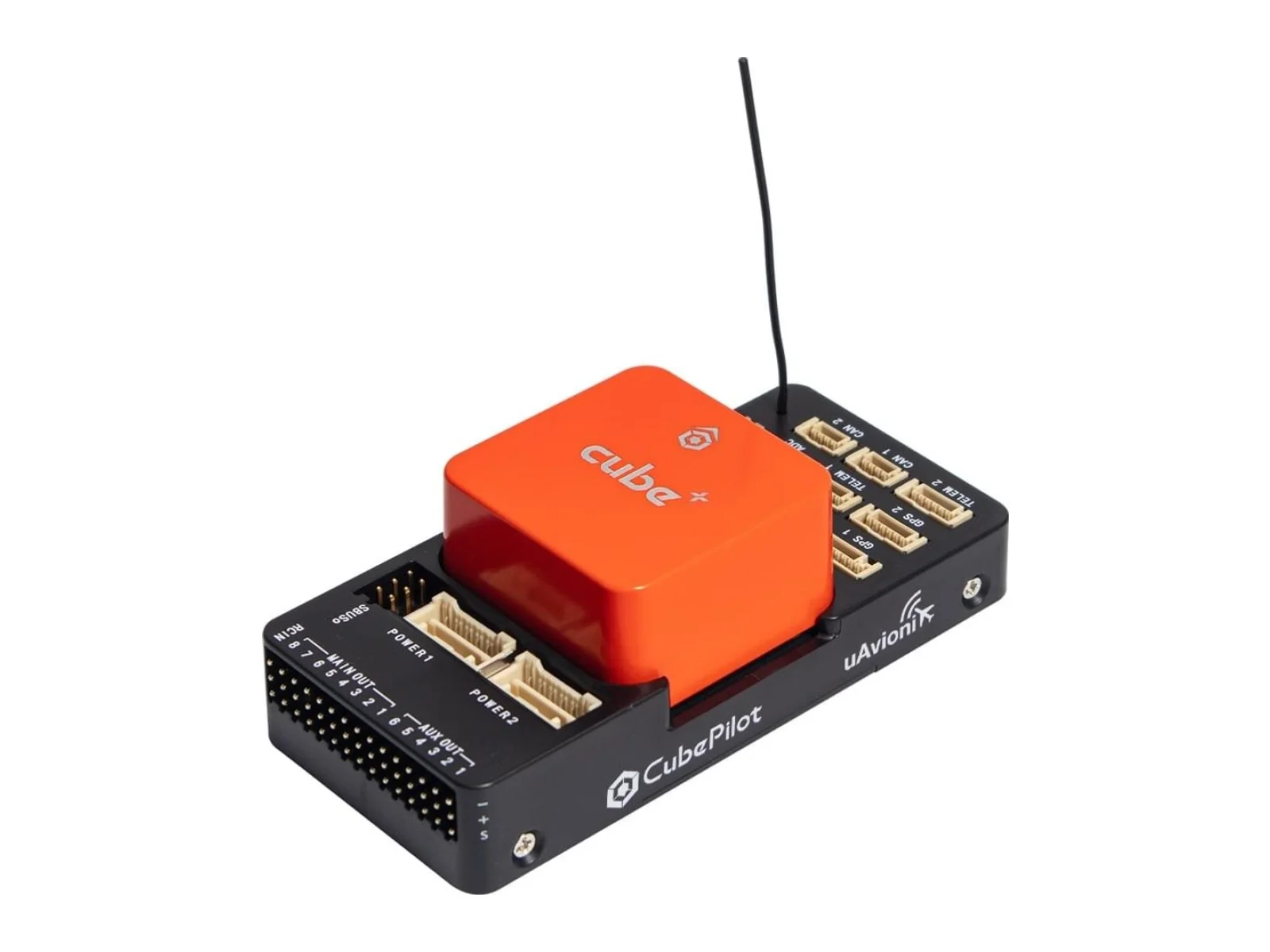
Cube Orange+ modular flight-management unit
- Redundancy
- Triple
- Grade
- Professional
- Market
- Dual-use
 FeaturedFlight controllers
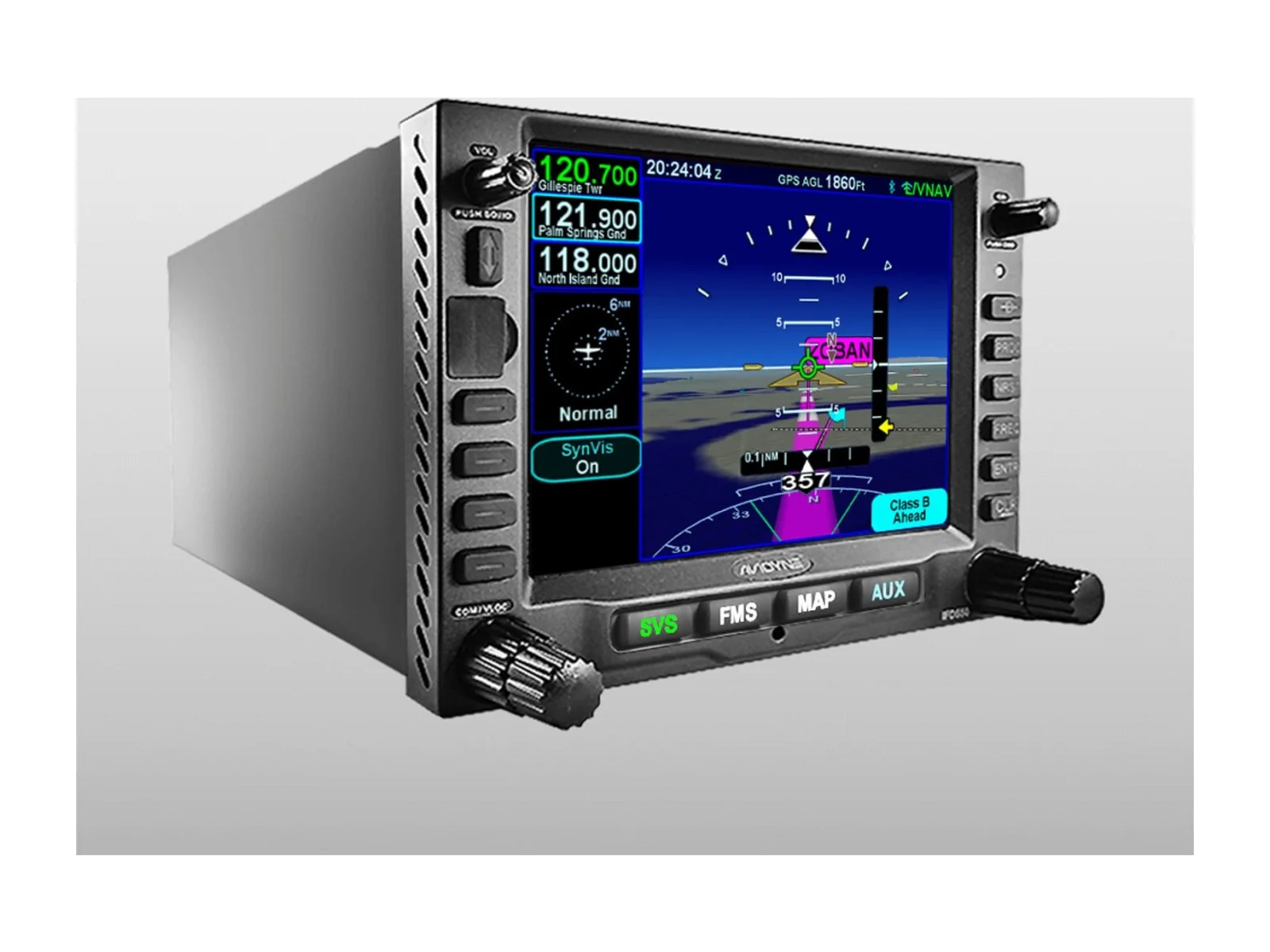
IFD550 Integrated Flight Display
- Redundancy
- Simplex
- Software stack
- Proprietary
- Design assurance level
- None
 FeaturedFlight controllers
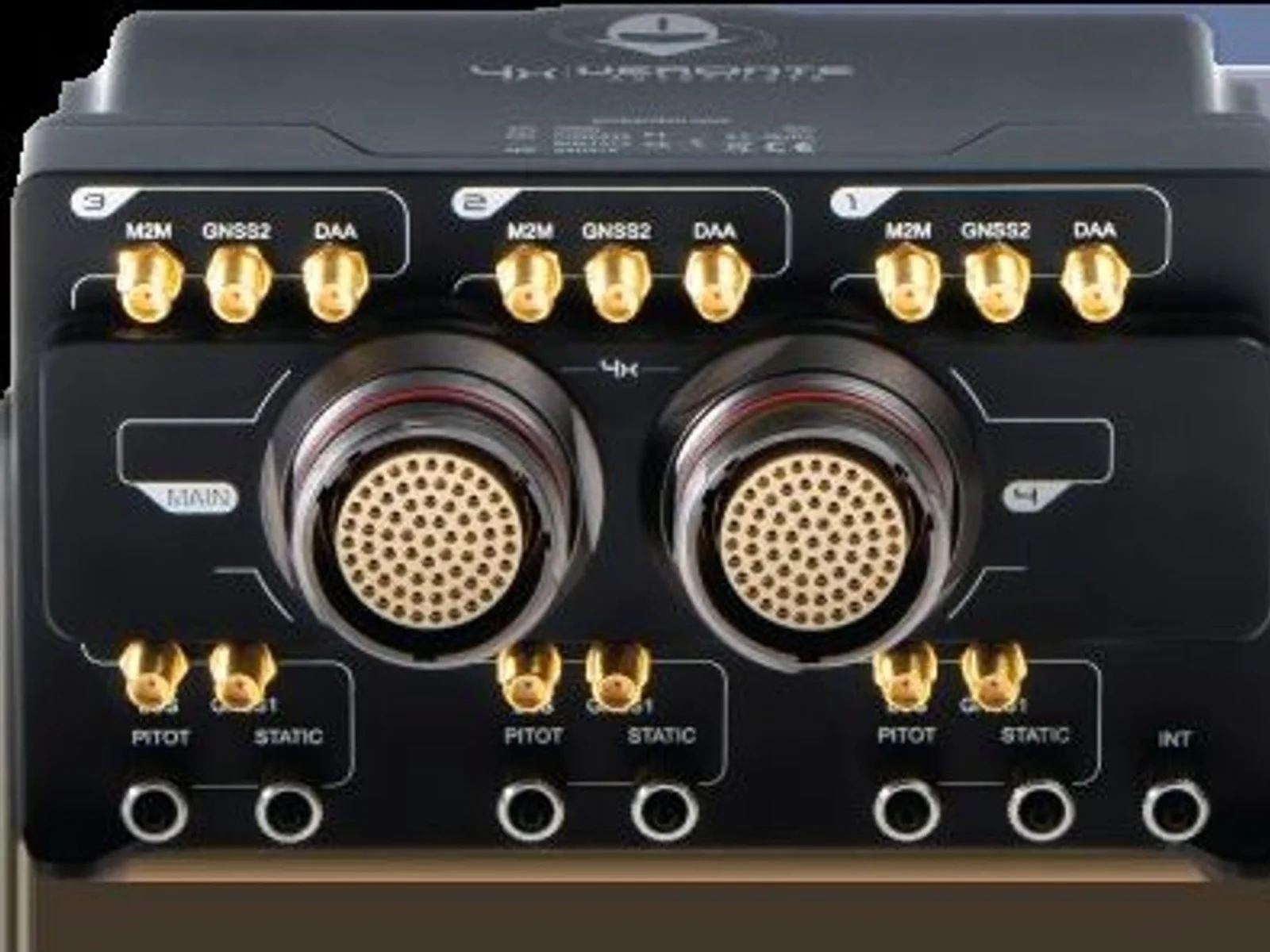
Veronte Autopilot 4x flight control system
- Redundancy
- Triple
- Software stack
- Proprietary
- Design assurance level
- DAL B
 FeaturedFlight controllers
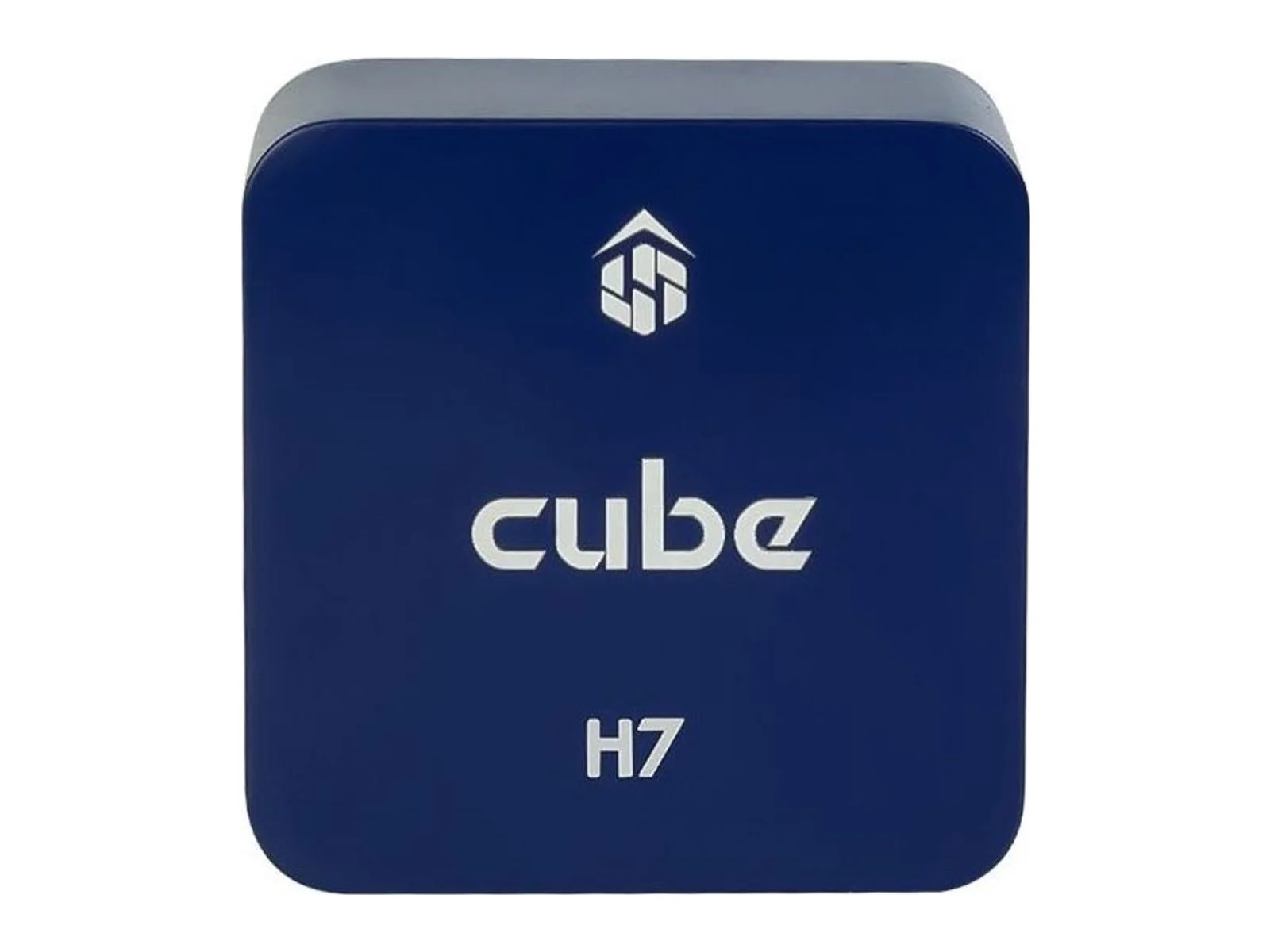
Cube Blue flight-management module family
- Redundancy
- Triple
- Grade
- Aerospace-grade
- Market
- Dual-use
 FeaturedFlight controllers
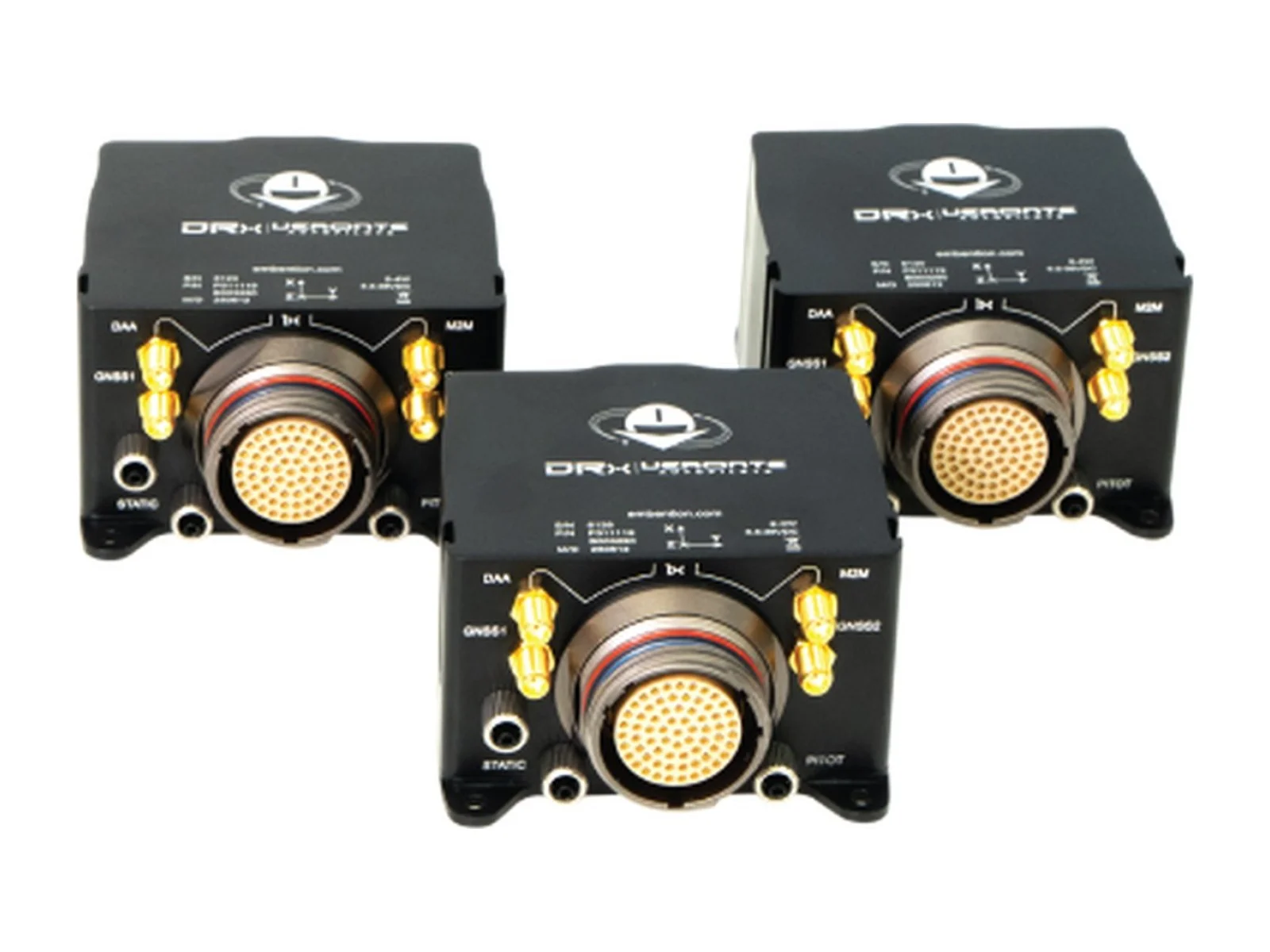
Veronte Autopilot DRx flight control system
- Redundancy
- Triple
- Software stack
- Proprietary
- Grade
- Aerospace-grade
- FeaturedFlight controllers
MP1028g flight-control computer
- Grade
- Professional
- Market
- Dual-use
- Availability
- In production
View all: Similar flight controllers from other manufacturers
More from Honeywell Aerospace
 FeaturedFlight controllers
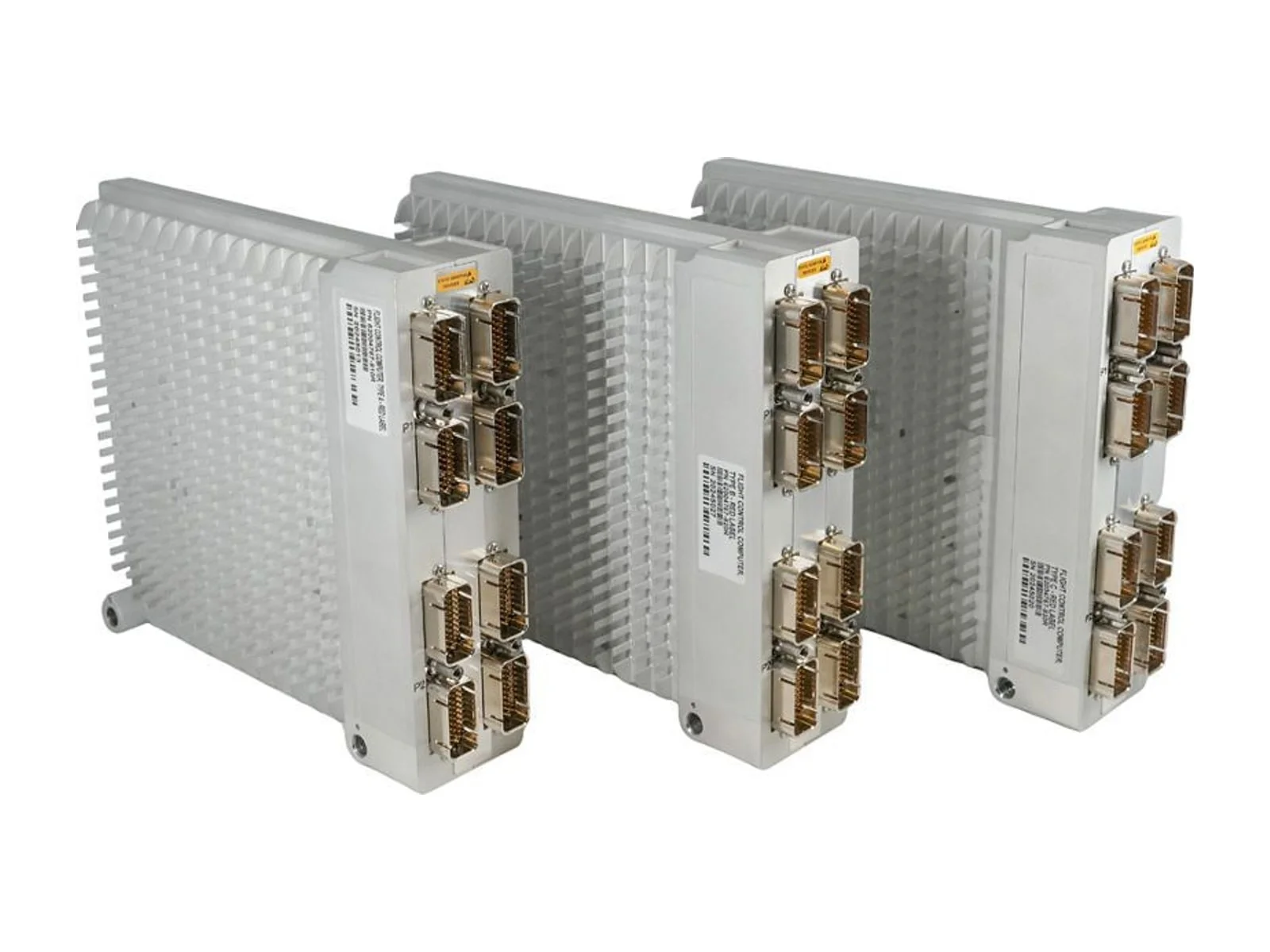
Compact Fly-By-Wire Flight Control System
- Redundancy
- Triple
- Design assurance level
- None
- Grade
- Aerospace-grade
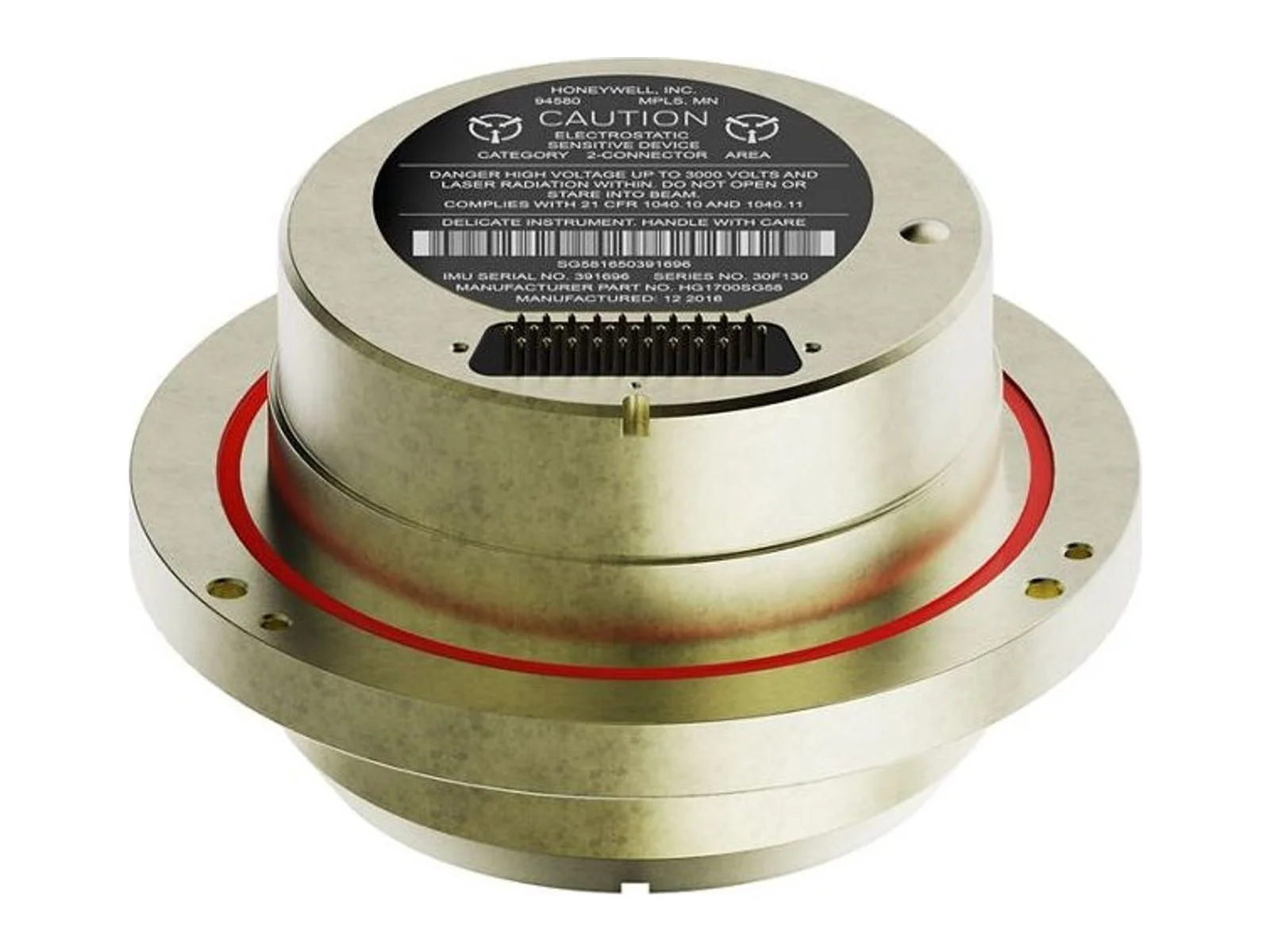 Featured
- FeaturedIMUs
HGuide HG4930 MEMS Inertial Measurement Unit
- Gyro bias instability
- 0.25 °/h
- Accelerometer bias instability
- 25 µg
- Angle random walk
- 0.04 °/√h
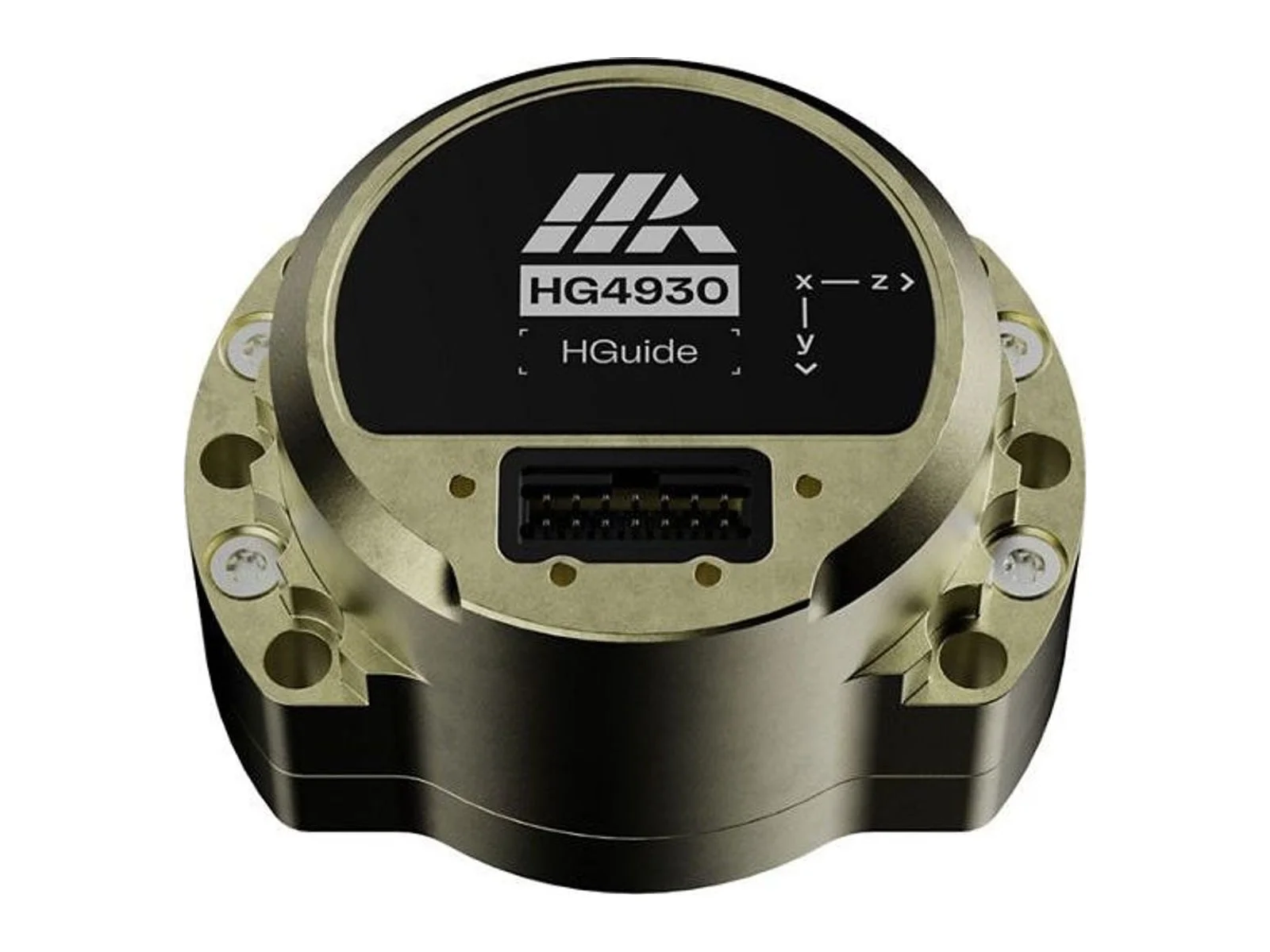 FeaturedIMUs
HG4930 inertial sensing unit
- Gyro bias instability
- 0.25 °/h
- Accelerometer bias instability
- 25 µg
- Angle random walk
- 0.04 °/√h
Key terms
- Allan variance
Allan variance is a time-domain statistic of the difference between consecutive averages of a signal; plotted against averaging time, it separates the noise types of gyroscopes, accelerometers and oscillators.
- angle random walk
Angle random walk (ARW) is the growth of angle error in a gyroscope caused by white noise on its rate output, specified in degrees per root hour or degrees per root second.
- bias instability
Bias instability is the slowest, flicker-like drift of a gyroscope or accelerometer bias during operation at constant conditions, and sets the best accuracy with which that bias can be estimated.
- design assurance level (DAL)
A design assurance level (DAL) is the letter A to E that sets how rigorous the development process of an aircraft function, software item or hardware item must be, according to the effect its failure would have on the aircraft.
Related news
Honeywell tested multi-network satcom failover on 757 testbed
Honeywell Aerospace detailed on May 5, 2022 a test of a Primary, Alternate, Contingency and Emergency (PACE) satcom scheme on its Boeing 757-200 flying testbed, which switched between commercial and military satellite networks in flight…

Honeywell tests alternative navigation for GNSS-denied flight
Honeywell Aerospace presents results from demonstrations of celestial-, vision- and magnetic-aided navigation that support inertial systems when GNSS signals are lost. Its star-tracker based system matches GNSS-INS performance under…

Honeywell tests 1 MW hybrid-electric generator for airship
Honeywell Aerospace tests a 1 MW generator in a Mexicali test cell, and Flying Whales will integrate it into the hybrid-electric powertrain of its LCA60T airship. The unit reaches 1 MW steady state at 97% efficiency, giving…
This product listing is maintained by our editorial team and may contain errors. Last updated .