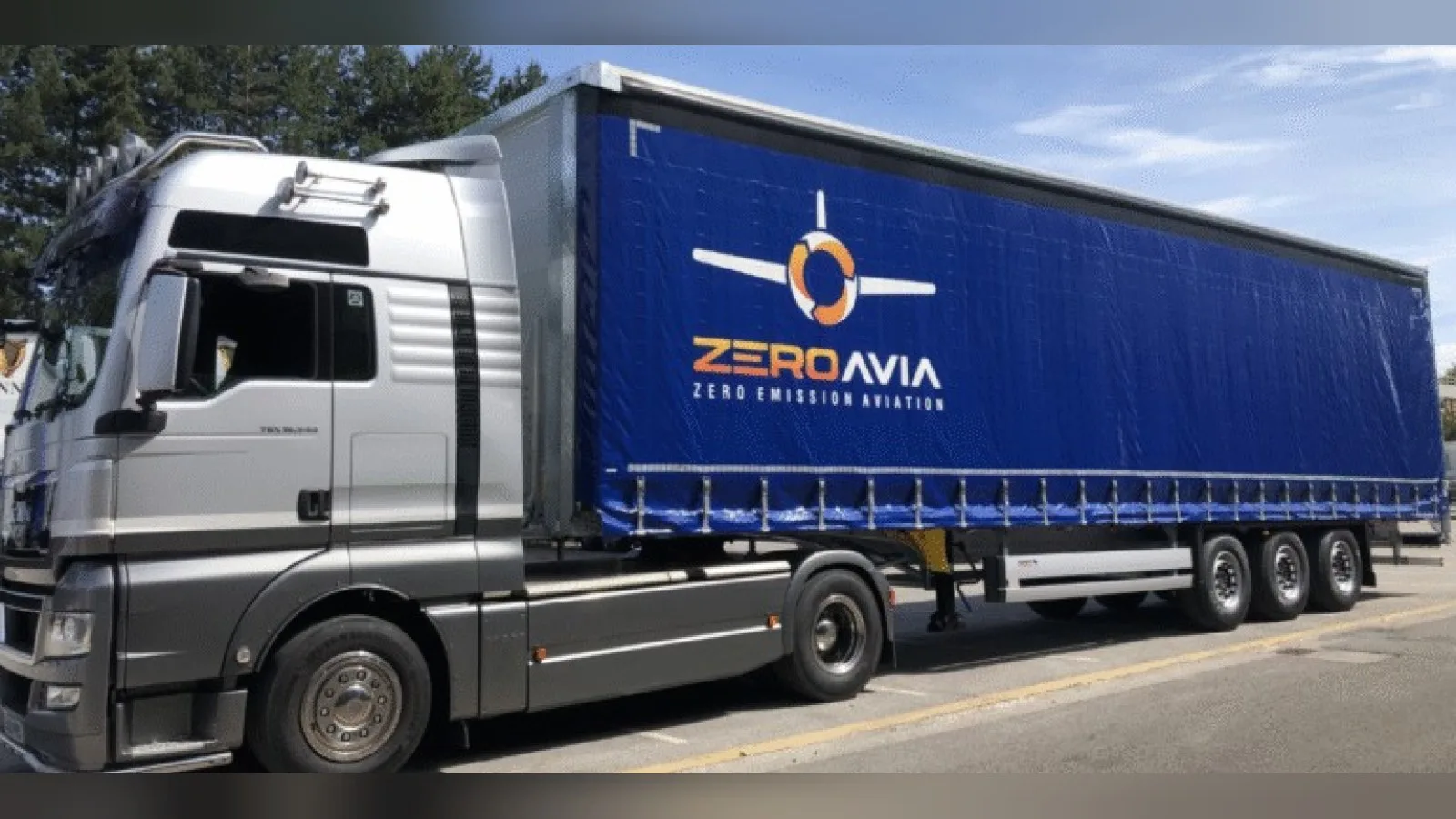
The acronym HyPRIME expands to Hydrogen Propulsion Refuelling Infrastructure Mobile Ecosystem. The project covers the equipment that future liquid hydrogen (LH2) aircraft will need on the ground, from development and construction through demonstration. It is integrated with ULEMCo’s MATT ground support equipment and with GeoPura’s hydrogen powered unit, the HPU1.
Because the trial takes place at a working airport, it can test what operations, safety and economics demand when liquid hydrogen is introduced and then rolled out over UK airport networks. ZeroAvia expects findings on refuelling procedures, on the infrastructure itself and on the broader gains hydrogen brings to aviation.
A central objective is completing an aircraft refuelling inside a normal commercial turnaround. The project also captures hydrogen boil-off and uses it to run hydrogen-fed ground equipment and airport utilities. A novel helium-free inerting method is meant to cut gas wastage, and together these elements form what ZeroAvia calls an efficient, integrated hydrogen aviation ecosystem.







Why it matters
Hydrogen-powered flight depends on more than the aircraft. Operators need a way to deliver and handle liquid hydrogen at the stand, and the time it takes counts against the aircraft’s schedule. By setting turnaround time as a key objective, HyPRIME measures hydrogen against the same yardstick as conventional fuelling.
Boil-off and inerting are the practical details of cryogenic handling. Using boil-off for ground equipment and airport utilities gives otherwise lost gas a purpose, while avoiding helium in inerting reduces the amount of gas that is wasted.
ZeroAvia develops propulsion and power systems based on hydrogen-electric technology for civil and defence customers, and calls itself the sole manufacturer with Design Organization Approval that works exclusively on hydrogen-electric aviation. It reports flight-test and regulatory achievements with the FAA and the UK CAA, and more than 3,000 preorders for its systems from operators, OEMs and defense customers worldwide.
ZeroAvia says that proving these systems can share hydrogen will help prepare airports for zero-emission operations and for flight powered by hydrogen.
Source: ZeroAvia newsroom
Was this article useful?
Thanks for your feedback. You can change your answer at any time.
Latest news
Latest news
Companies in this article
 Propulsion · 2
Products in this article
 FeaturedFuel cells
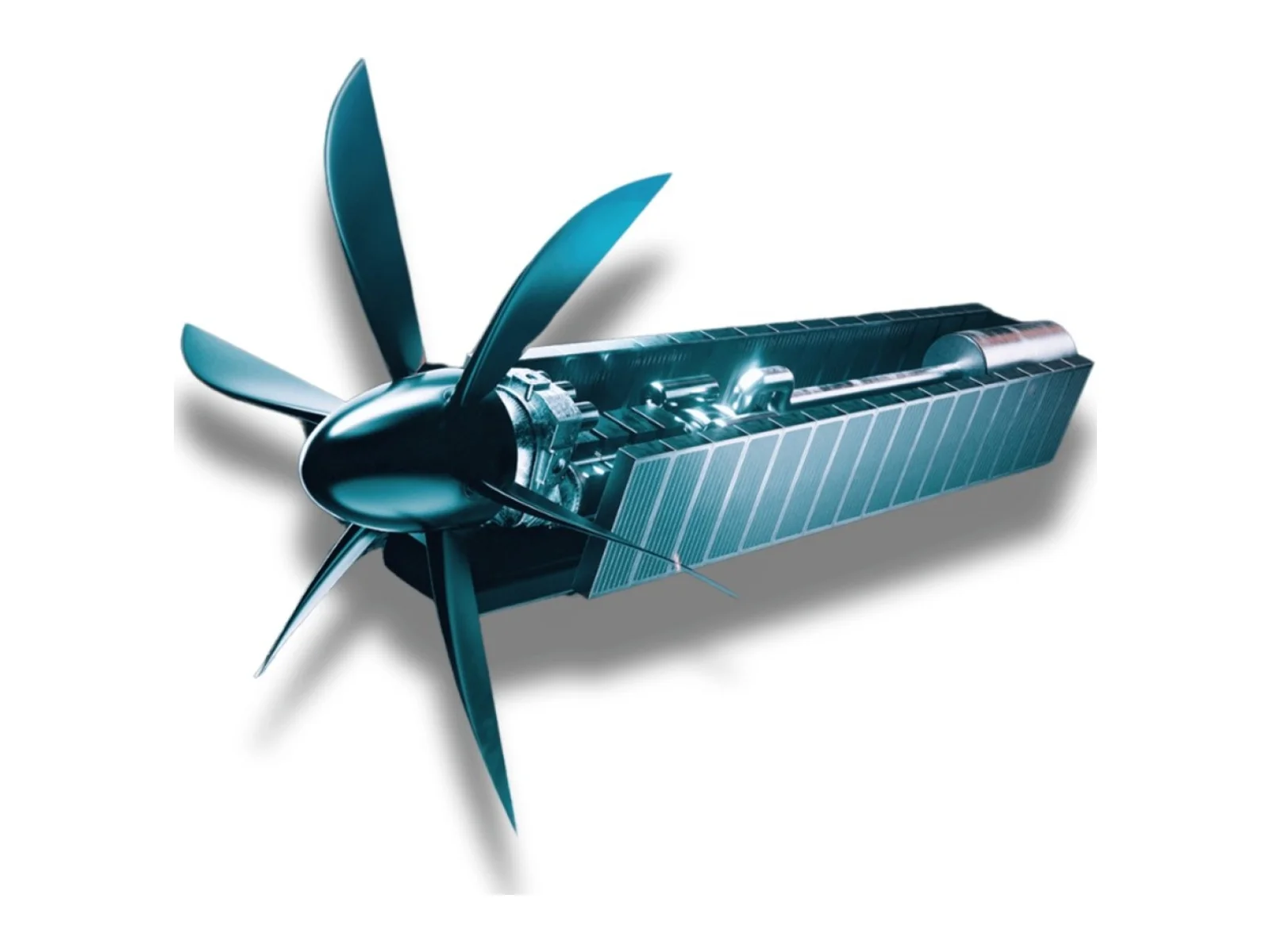
ZA2000 hydrogen fuel-cell power system
- Grade
- Aerospace-grade
- Market
- Civil
- Availability
- In production
 FeaturedFuel cells
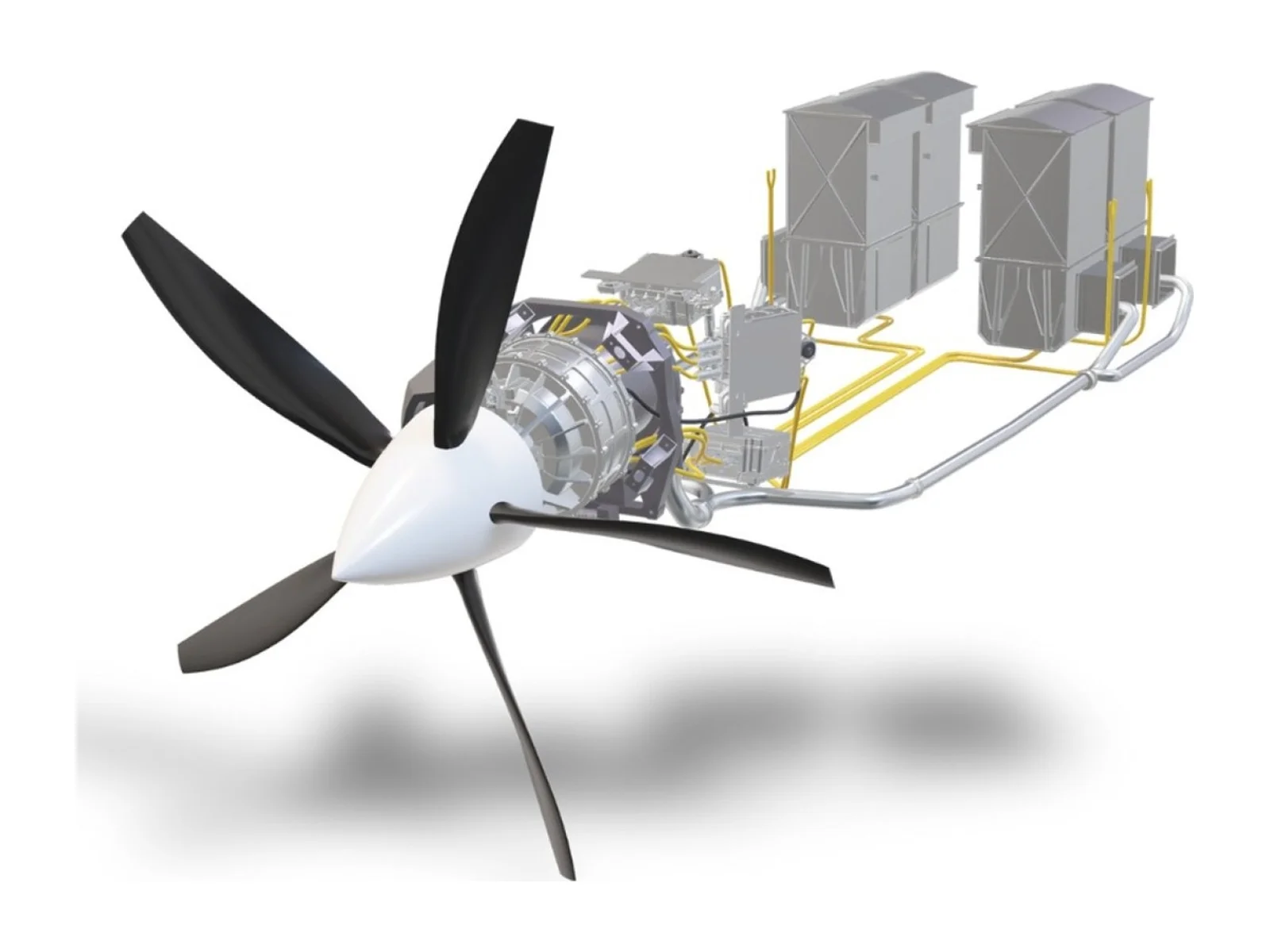
ZA600 hydrogen fuel-cell power system
- Continuous power
- 600 kW
- Grade
- Aerospace-grade
- Market
- Civil
Related articles
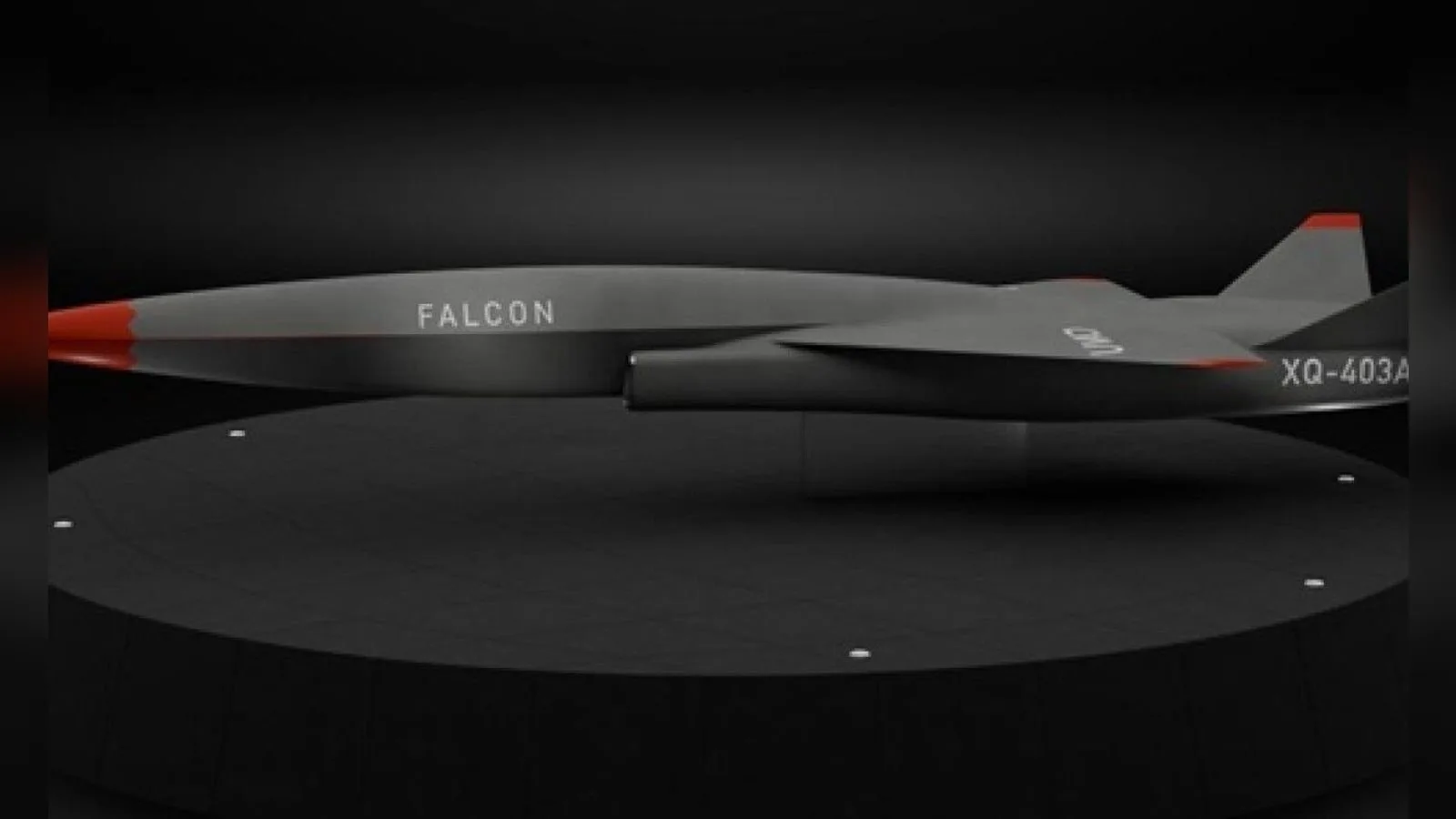
Safran turbojets to power Falcon supersonic UAV target
Falcon is a reusable supersonic uncrewed aerial target for missile-defense training, and its propulsion is the subject of a partnership between Safran Power Units and UVAD Technologies. Safran supplies two turbojet engines, and flight…
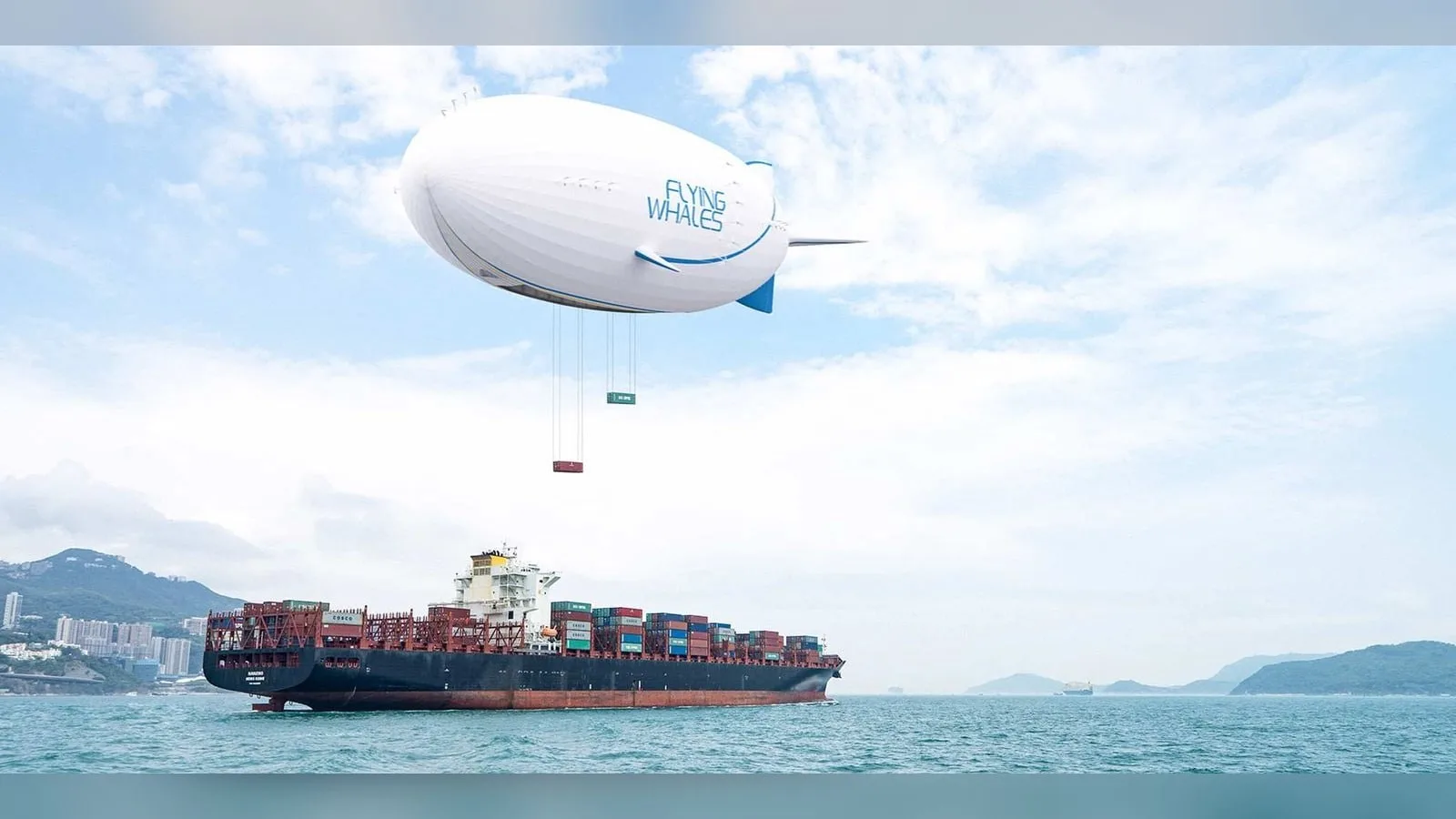
Honeywell tests 1 MW hybrid-electric generator for airship
Honeywell Aerospace tests a 1 MW generator in a Mexicali test cell, and Flying Whales will integrate it into the hybrid-electric powertrain of its LCA60T airship. The unit reaches 1 MW steady state at 97% efficiency, giving…
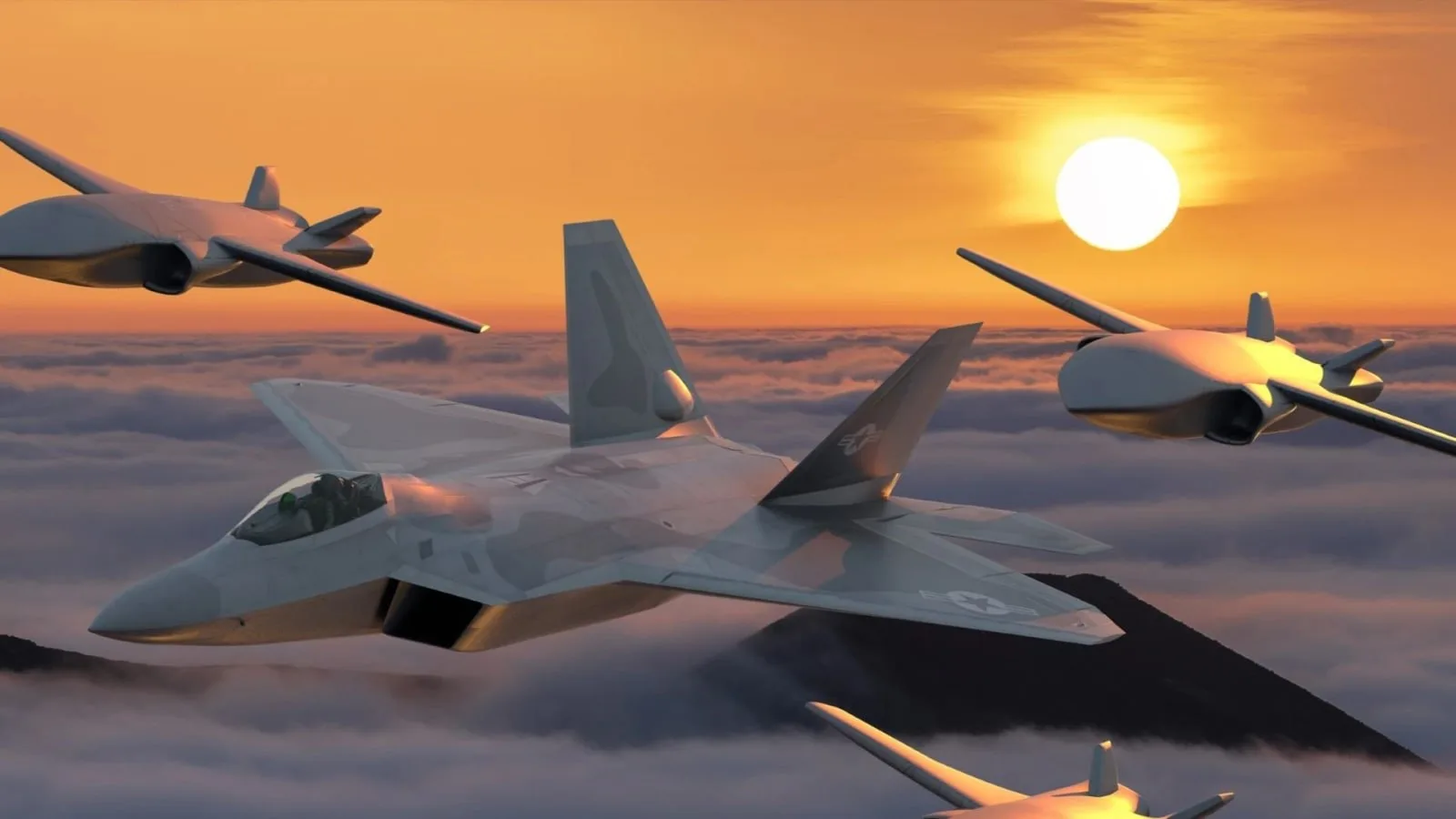
Honeywell HON1600 small turbine engine targets USAF CCA
Honeywell Aerospace presents the HON1600, a small turbine engine it positions for the US Air Force's Collaborative Combat Aircraft (CCA) program, after a core engine run in September 2025. The Air Force has issued a request for proposals…
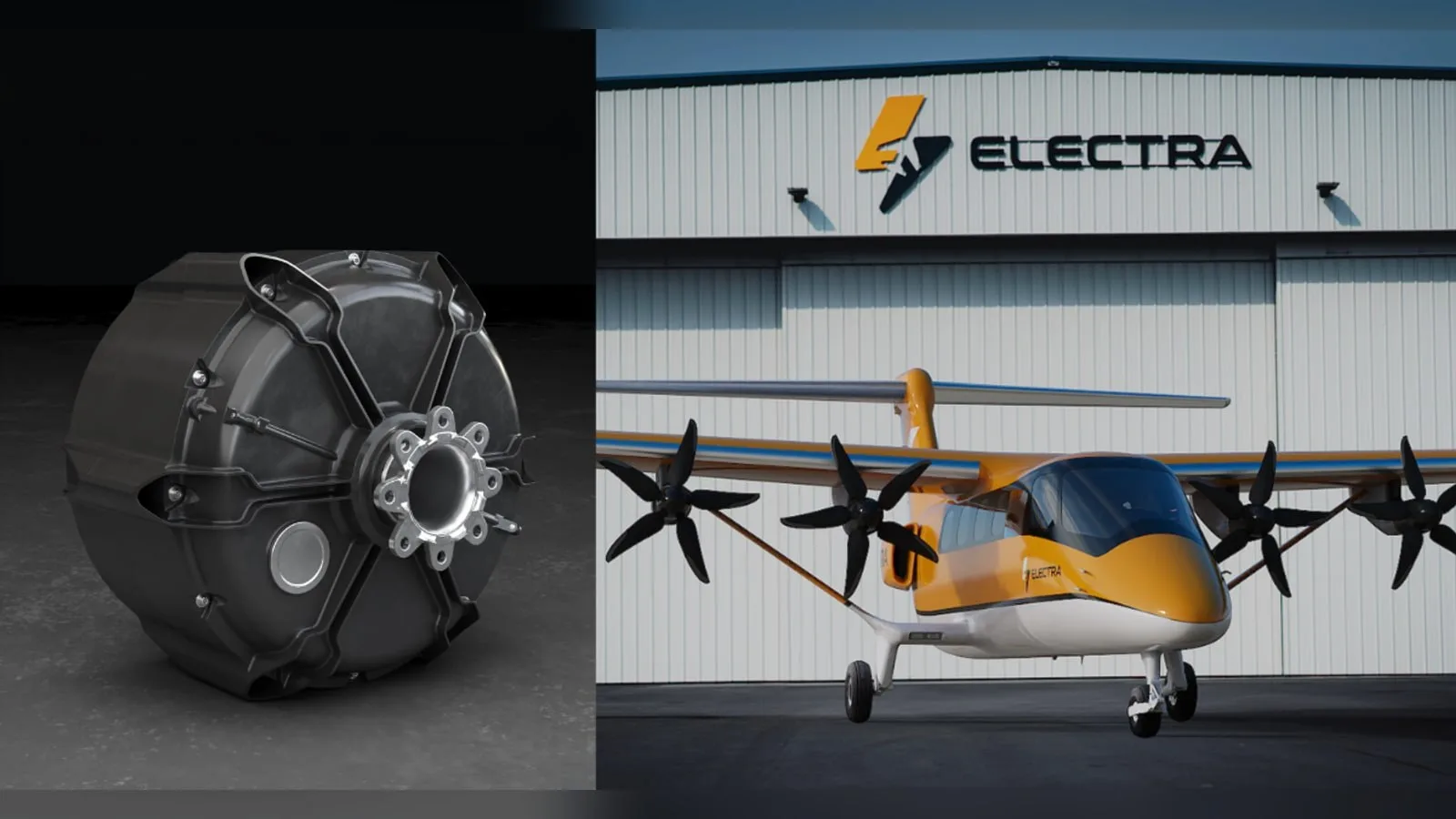
Evolito files type certificate application for E800 engine
Evolito submits a type certificate application to the UK Civil Aviation Authority for its E800 electric engine, initially intended for Electra's EL9 hybrid-electric aircraft. The company describes it as the first certification application…