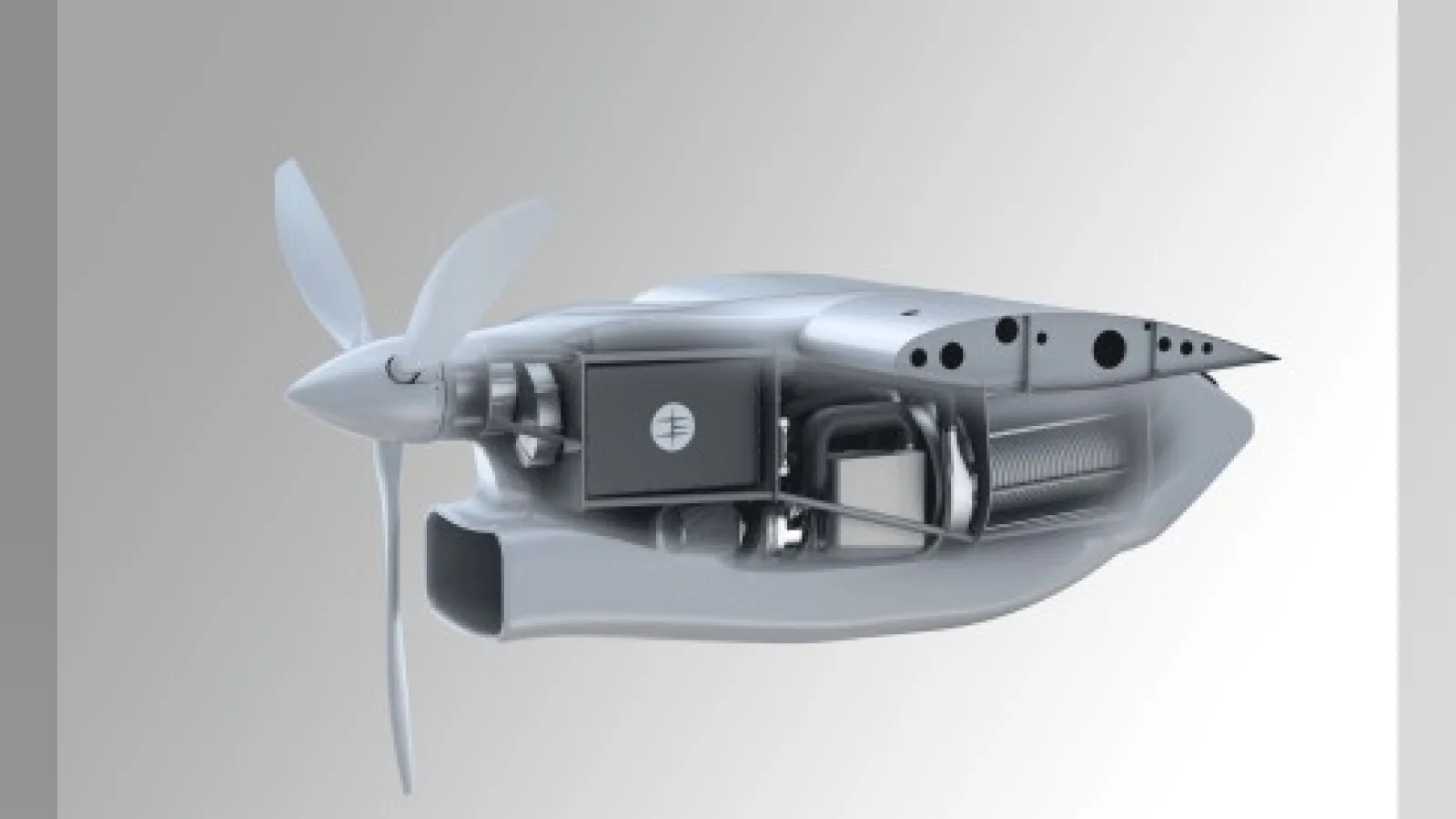
Intelligent Energy (IE), based in Loughborough, targets long-range winged UAVs with payloads between 150 kg and 750 kg, on logistics, security, defence and surveillance work. The IE-FLIGHT 120 extends the firm’s IE-FLIGHT aerospace line and fills the space between today’s IE-SOAR units and the higher-power cells it is developing for eVTOL and regional aircraft.
The same announcement reveals IE’s largest sale yet in the drone segment, for IE-SOAR systems. IE ties both items to rising interest in hydrogen drones that cover more distance, haul heavier loads and stay up longer than battery-driven designs.
The company claims flight durations three to five times those of batteries, with water vapour as the only emission. Compared with combustion engines, it lists lower noise, less vibration, reduced upkeep and a weaker thermal signature, traits it sees as an advantage for monitoring and defence roles.







Chief commercial officer Greg Harris says drone buyers are asking for bigger aircraft with longer range, heavier payloads and more endurance, and that hydrogen suits that demand. The new unit shares its platform with the cells meant for larger aircraft, he explains, so the technology scales to a new class of airframe.
Why it matters
The UK Government has pledged £5 billion for drones and autonomous systems in its Defence Investment Plan, and IE places its news in that context, citing the aim of a stronger domestic drone sector.
The company is also financing its high-power programme. Earlier in the year it won £17 million through HEIGHTS, a scheme backed by the Aerospace Technology Institute, to speed work on aviation stacks of high output. It has built a new test centre for these systems at Chelveston, Northamptonshire.
Intelligent Energy builds fuel cells for aerospace and drones, but also for eVTOL aircraft, data centres, material handling and microgrids. The firm, privately owned, holds 500 patents, makes units from 1 kW to 1 MW and has been manufacturing for a quarter of a century.
Source: Intelligent Energy newsroom
Was this article useful?
Thanks for your feedback. You can change your answer at any time.
Latest news
Latest news
Companies in this article
 Propulsion · 9
Products in this article
 FeaturedFuel cells
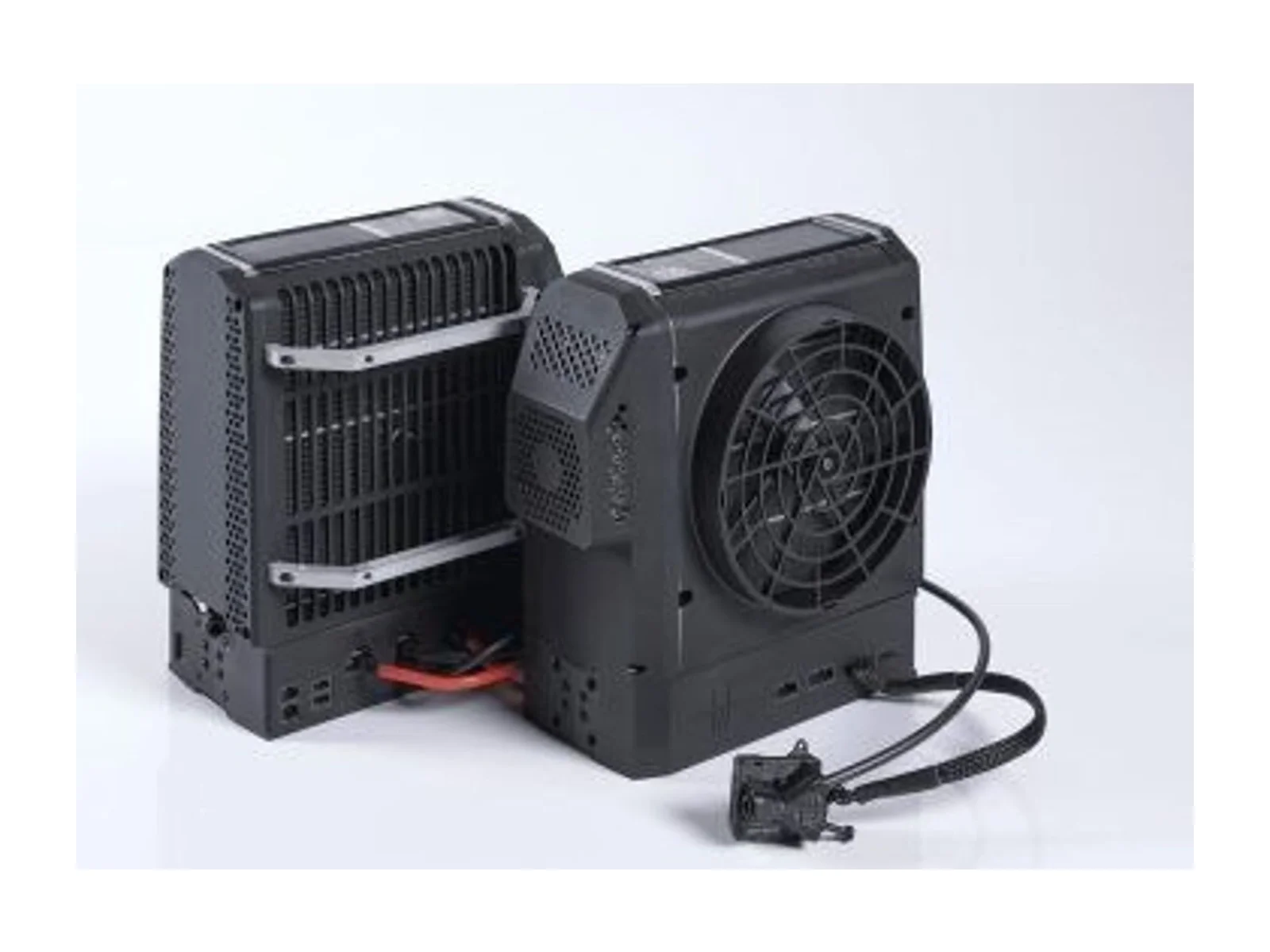
IE-SOAR 1.2 kW hydrogen fuel-cell power system
- Continuous power
- 1.2 kW
- Output voltage
- 50 – 70 V
- Grade
- Professional
 FeaturedFuel cells
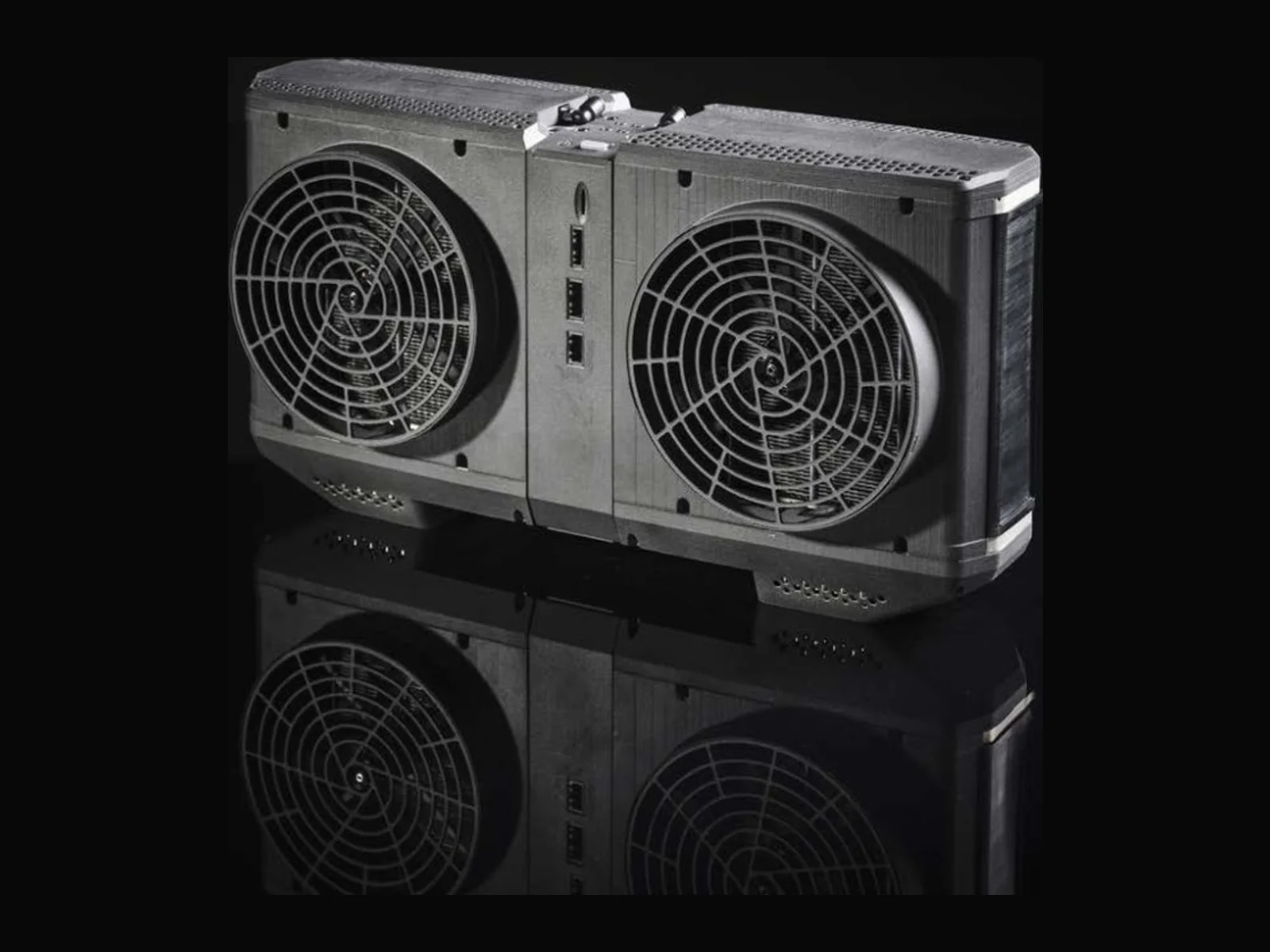
IE-SOAR 2.4 kW hydrogen fuel-cell power system
- Continuous power
- 2.4 kW
- Peak power
- 4.8 kW
- Output voltage
- 50 – 70 V
- FeaturedFuel cells
IE-DRIVE 100 PEM hydrogen fuel cell system
- Continuous power
- 65 kW
- Peak power
- 110 kW
- Output voltage
- 210 – 360 V
- FeaturedFuel cells
IE-DRIVE HD100 heavy-duty PEM fuel cell module
- Continuous power
- 110 kW
- Output voltage
- 250 – 400 V
- Grade
- Professional
Related articles
Safran turbojets to power Falcon supersonic UAV target
Falcon is a reusable supersonic uncrewed aerial target for missile-defense training, and its propulsion is the subject of a partnership between Safran Power Units and UVAD Technologies. Safran supplies two turbojet engines, and flight…
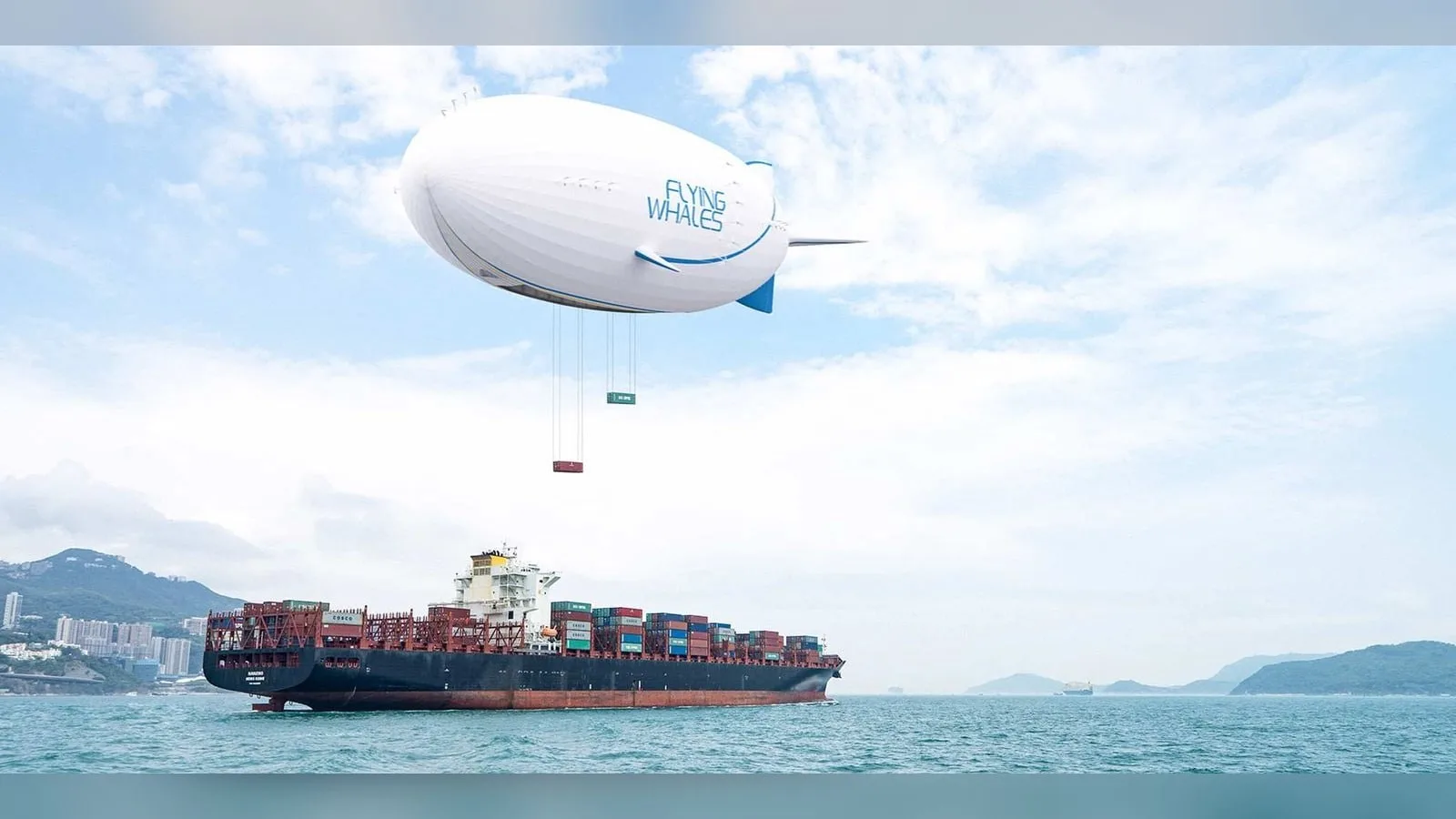
Honeywell tests 1 MW hybrid-electric generator for airship
Honeywell Aerospace tests a 1 MW generator in a Mexicali test cell, and Flying Whales will integrate it into the hybrid-electric powertrain of its LCA60T airship. The unit reaches 1 MW steady state at 97% efficiency, giving…
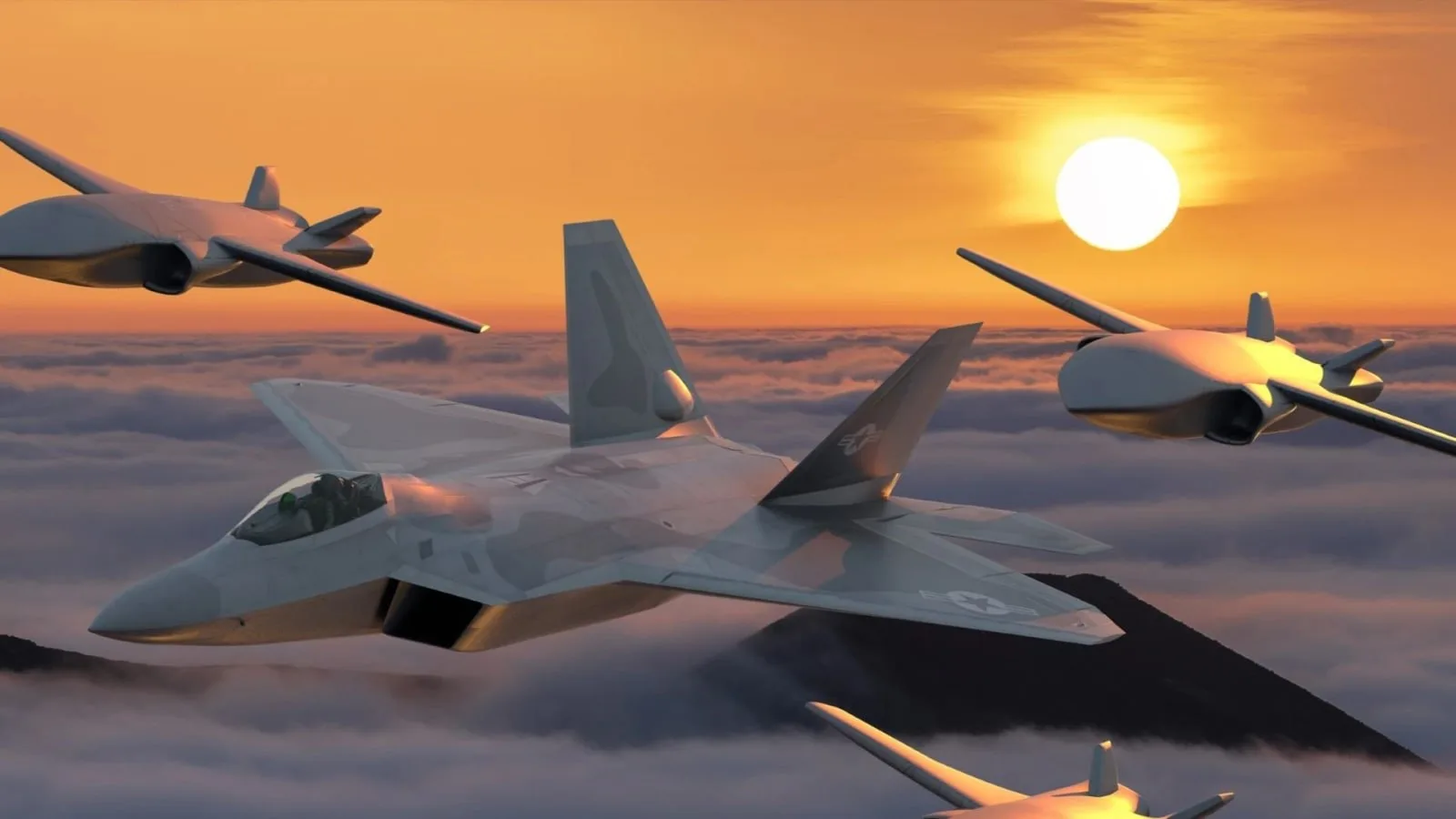
Honeywell HON1600 small turbine engine targets USAF CCA
Honeywell Aerospace presents the HON1600, a small turbine engine it positions for the US Air Force's Collaborative Combat Aircraft (CCA) program, after a core engine run in September 2025. The Air Force has issued a request for proposals…
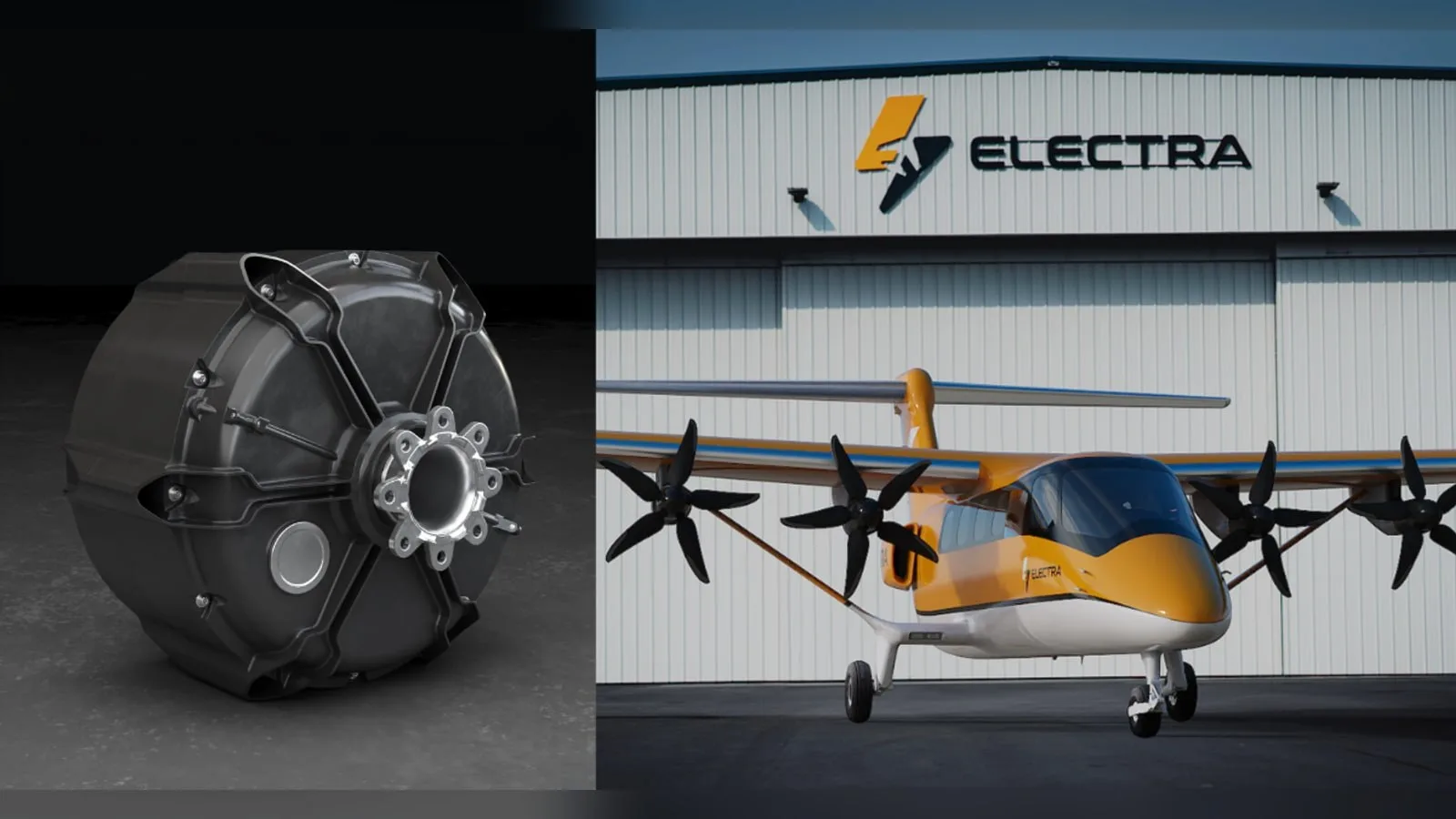
Evolito files type certificate application for E800 engine
Evolito submits a type certificate application to the UK Civil Aviation Authority for its E800 electric engine, initially intended for Electra's EL9 hybrid-electric aircraft. The company describes it as the first certification application…