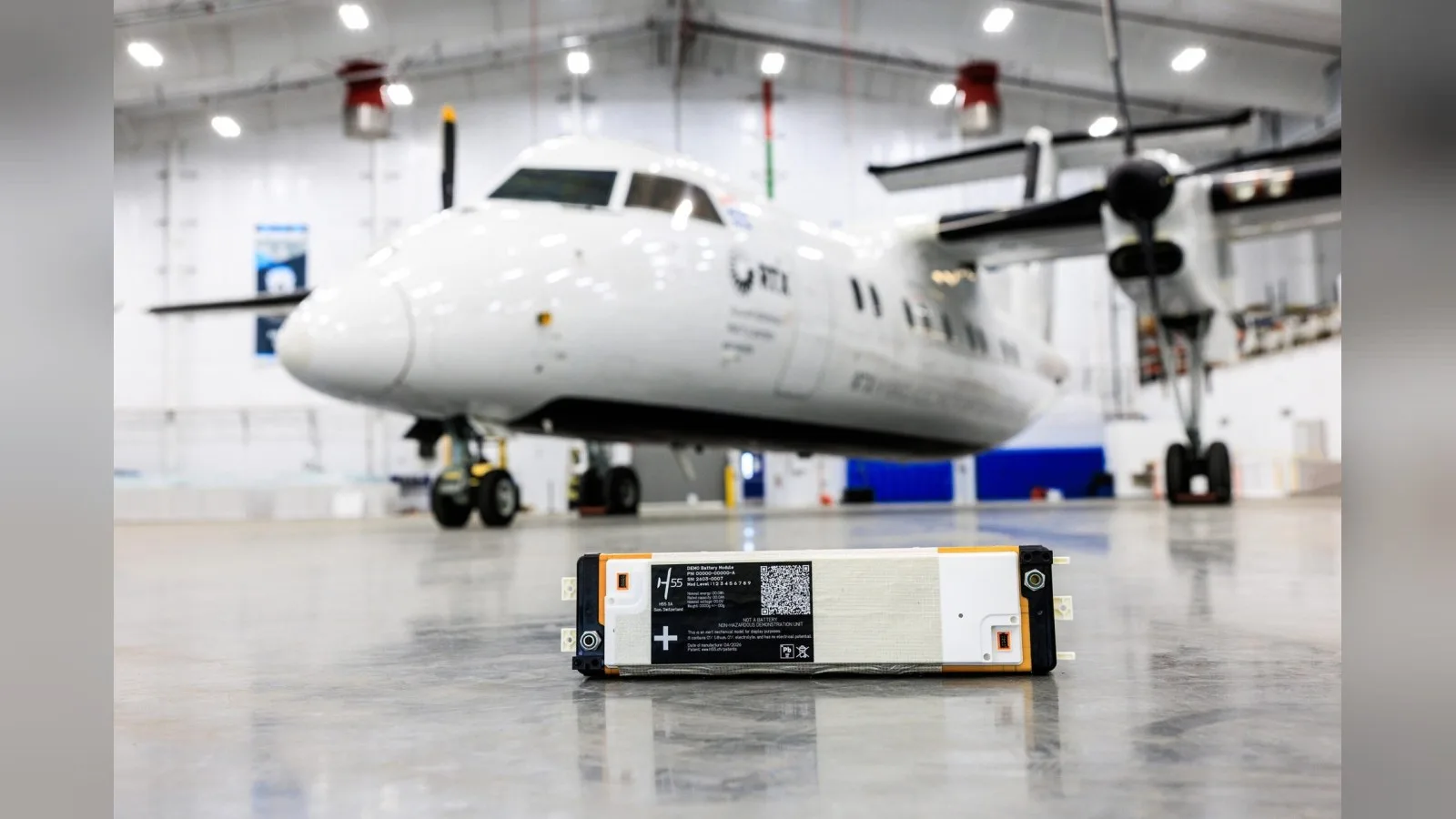
Sion-based H55 delivers battery modules to Pratt & Whitney Canada, an RTX business, for installation in an aircraft now moving through integration and flight tests. The company presents the shipment as proof that it can manufacture production-standard propulsion hardware under a regulator-approved quality regime and put it into a running programme.
H55 says aircraft makers want more than cell technology from a supplier: they need safety architecture, industrial manufacturing and reliable system integration. Co-founder and CTO Sébastien Demont says the hand-over shows H55 meets those needs at scale, and he names UAVs, defence and hybrid-electric aviation, among other platforms, as the next markets.
The company reports over 2,000 flight hours on several aircraft programmes without a single battery-related incident. It adds that it is the first in its industry to complete propulsion battery certification testing demanded by regulators, and that this work supports deliveries into live programmes.







Jean Thomassin of Pratt & Whitney Canada, executive director for new products and services, sees hybrid-electric propulsion as a path to better fuel efficiency and performance across future aircraft. He says H55’s batteries, supplied under strict certification and production controls, help prove the concept in flight.
Pratt & Whitney Canada uses the RTX Hybrid-Electric Flight Demonstrator to prove hybrid-electric technology in flight, with H55’s modules aboard the aircraft in integration and flight test.
H55 descends from the Solar Impulse project and has built and flown several electric aircraft over more than two decades. Its method starts with commercial lithium cells, which it characterises independently and screens on arrival before housing them in redundant safety designs checked against worst-case failures.
H55 says regulators can approve its systems, insurers can cover them and manufacturers can reuse them across aircraft programmes, since certification evidence builds up from one programme to the next. That accumulation, it says, reduces the risk for adopters and cuts the capital needed to field electric and hybrid-electric aircraft.
Source: H55 newsroom
Was this article useful?
Thanks for your feedback. You can change your answer at any time.
Latest news
Latest news
Companies in this article
 Propulsion · 1
Products in this article
- FeaturedBatteries
Energy Storage System battery product
- Grade
- Aerospace-grade
- Market
- Dual-use
- Availability
- In production
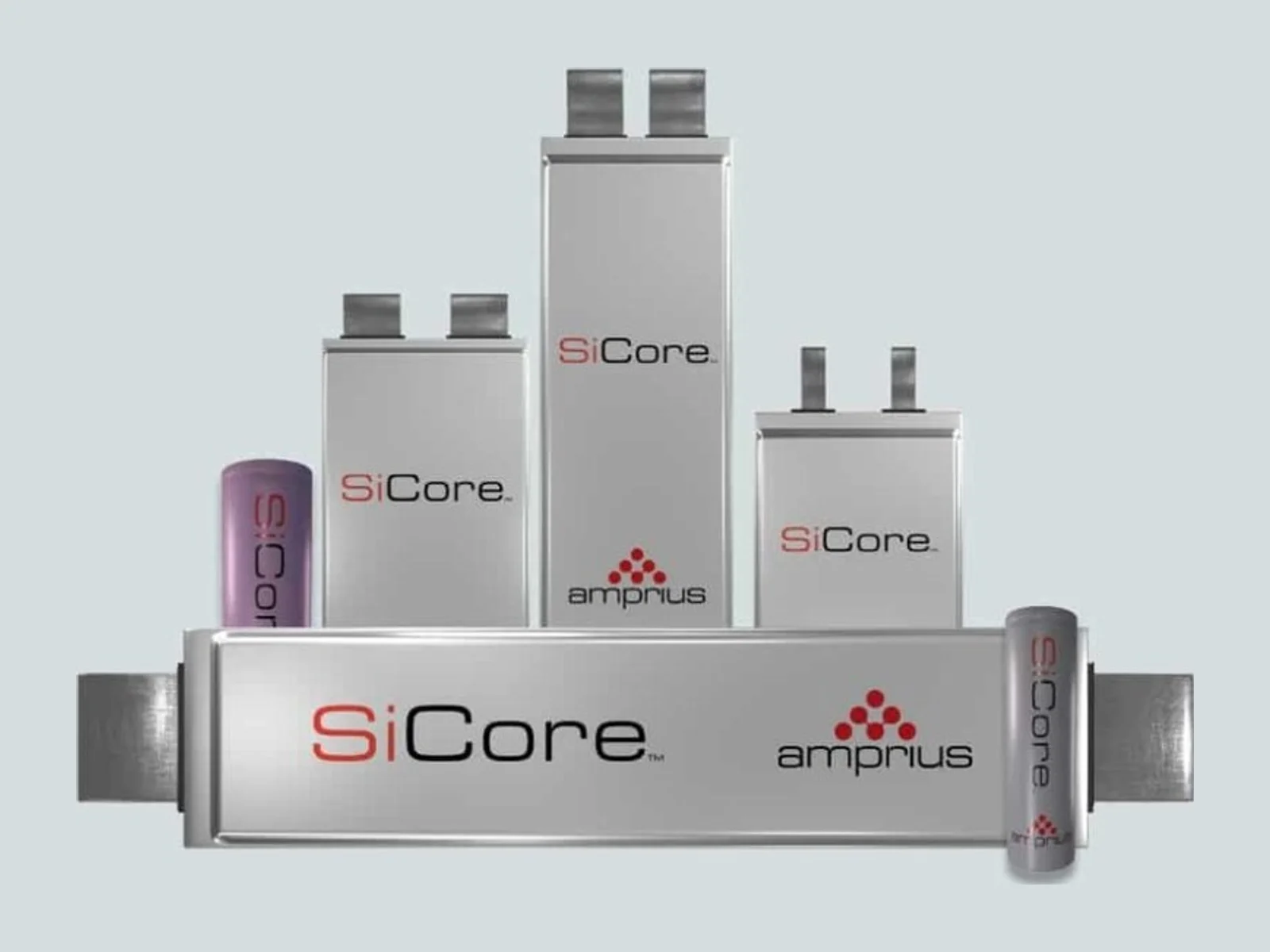 FeaturedBatteries
SiCore silicon-anode lithium-ion battery-cell family
- Specific energy
- 340 Wh/kg
- Continuous discharge rate
- 3 C
- Chemistry
- Li-ion silicon anode
Related articles
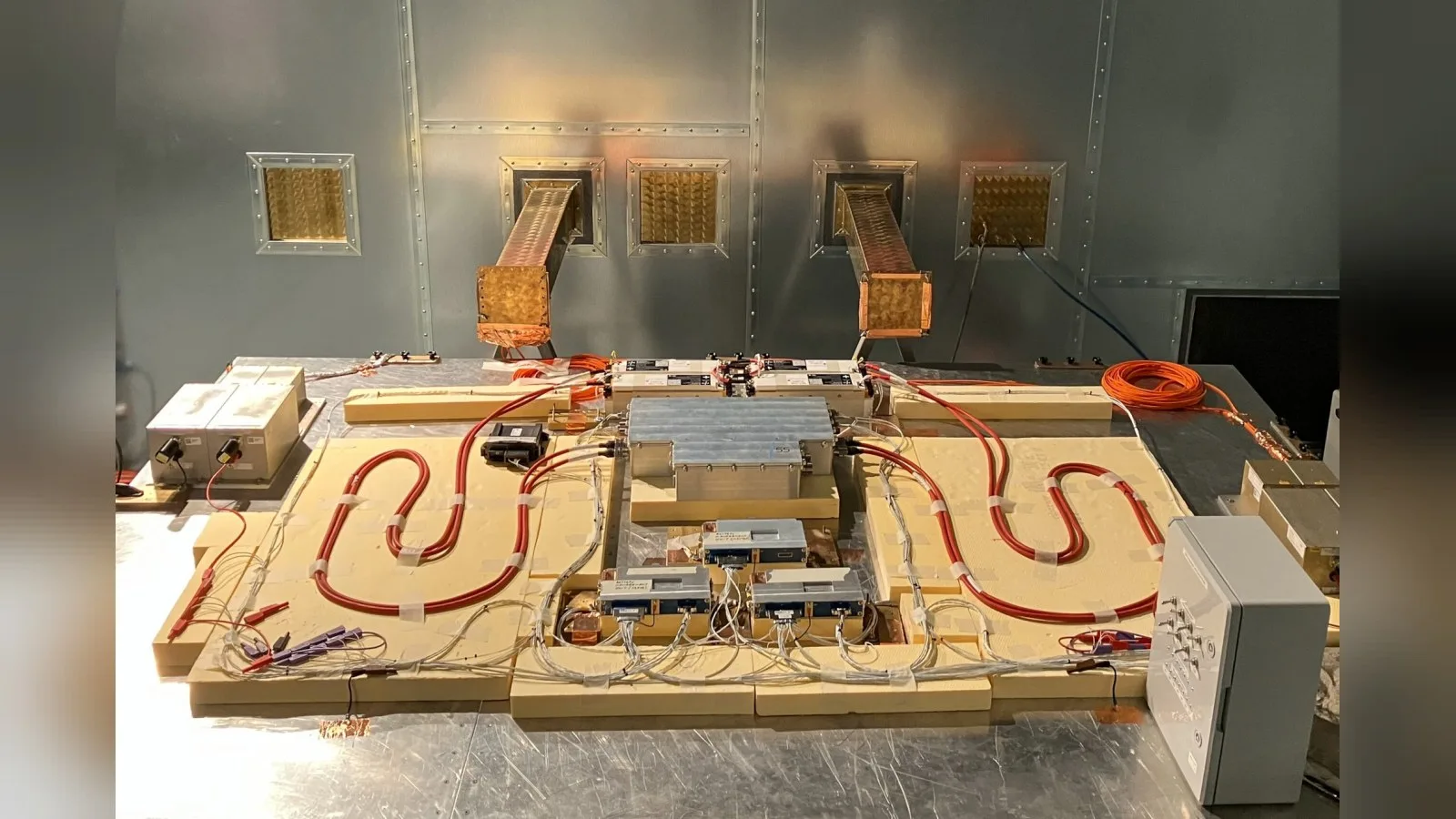
H55 completes safety function tests on integrated battery system
H55 reports that its aviation energy storage system has passed verification of its safety functions as a complete assembly. The Swiss company calls the result a major step in reducing certification risk.
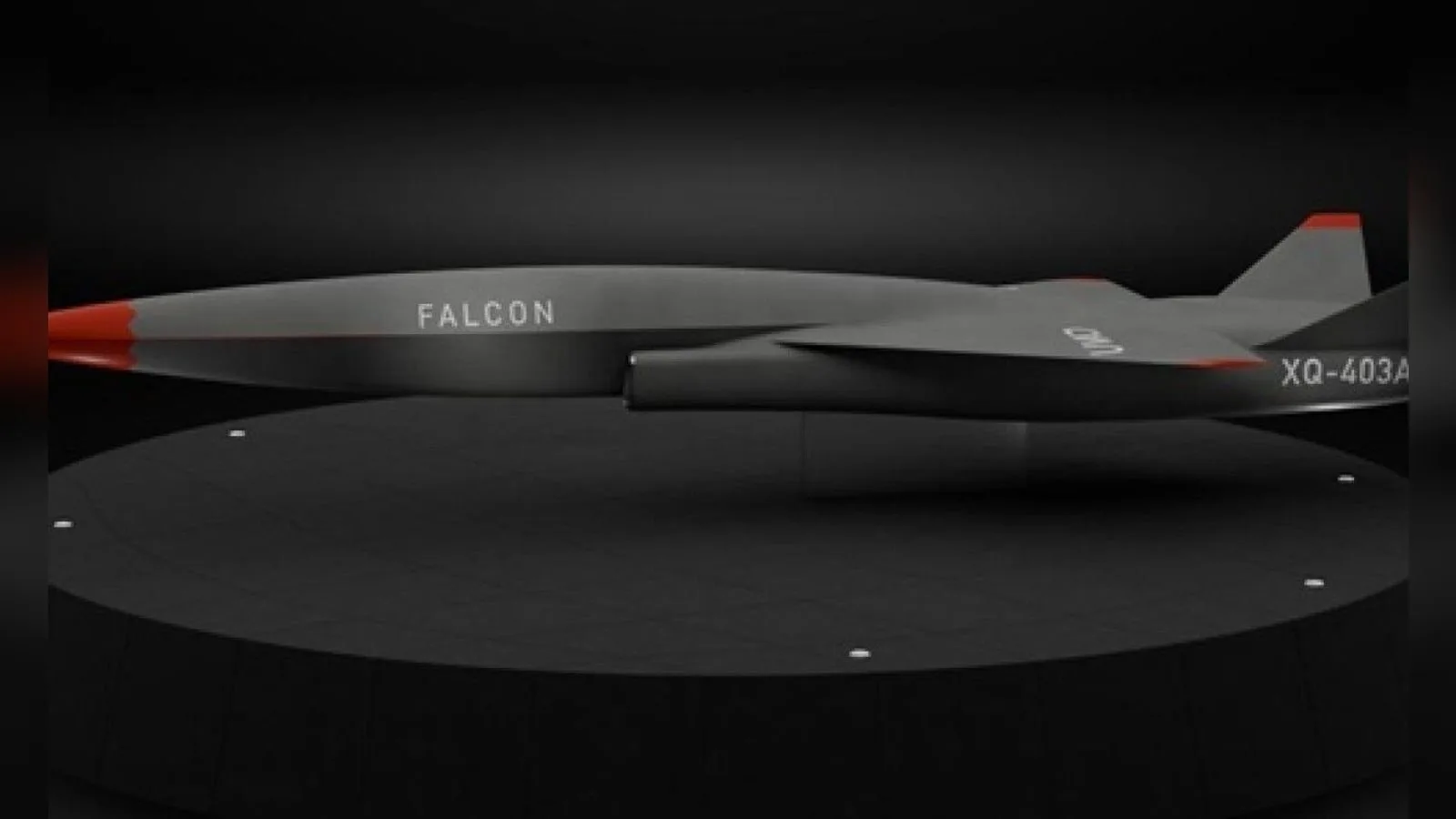
Safran turbojets to power Falcon supersonic UAV target
Falcon is a reusable supersonic uncrewed aerial target for missile-defense training, and its propulsion is the subject of a partnership between Safran Power Units and UVAD Technologies. Safran supplies two turbojet engines, and flight…

Honeywell tests 1 MW hybrid-electric generator for airship
Honeywell Aerospace tests a 1 MW generator in a Mexicali test cell, and Flying Whales will integrate it into the hybrid-electric powertrain of its LCA60T airship. The unit reaches 1 MW steady state at 97% efficiency, giving…
Honeywell HON1600 small turbine engine targets USAF CCA
Honeywell Aerospace presents the HON1600, a small turbine engine it positions for the US Air Force's Collaborative Combat Aircraft (CCA) program, after a core engine run in September 2025. The Air Force has issued a request for proposals…