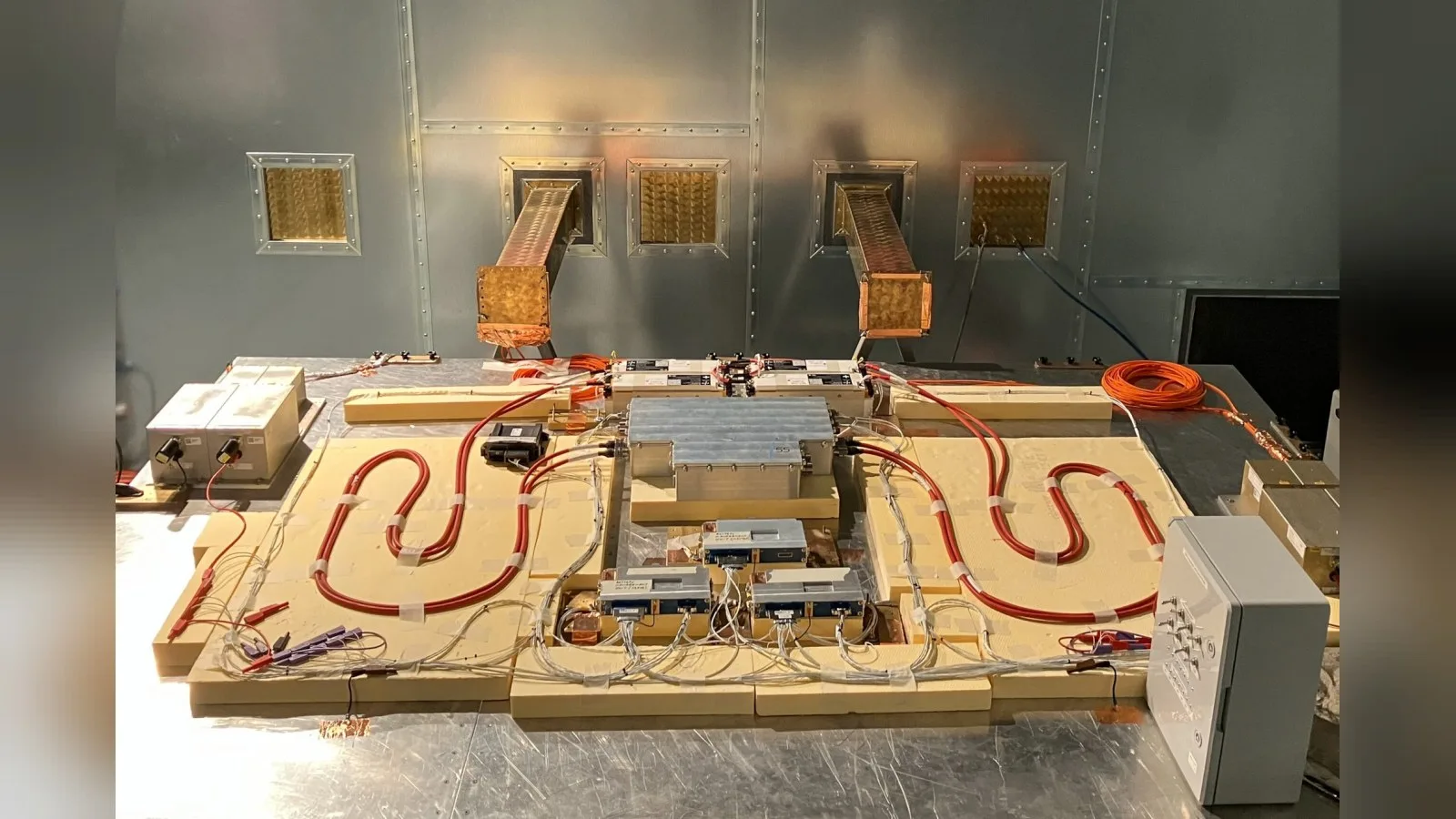
In Sion, H55 announces that its aviation battery system has cleared a round of tests built to prove its safety behaviour from end to end. The assembly under test was complete: battery modules, battery management units, an energy flow counter, a protection and power distribution unit and a charge control unit all operated together.
Engineers checked how the system performs, how its parts communicate and how it reacts under realistic operating conditions. The company says the units coordinated reliably and behaved predictably in varied situations. A central result is that the system cuts power automatically and in a controlled way when predefined faults or off-nominal states occur, a function aviation operations depend on.
Every safety function worked as intended inside the full architecture, H55 adds, which eases the software side of certification as well.







Anthony D’Ambrisi, who heads the Design Organization at H55, describes the outcome as a major step in lowering risk for both the product and the road to approval. In his words, certification readiness now extends to the whole system, not just to its parts, and he ties the milestone to industrialisation and large-scale deployment.
Why it matters
H55 built the system around certification requirements from the first design stage, working closely with aviation authorities such as EASA, and to aerospace-grade standards rather than experimental or special-permit approaches.
The firm draws on more than ten years of electric aviation work and concentrates on spotting, controlling and limiting hazards before they grow. It reports active programmes and growing interest in certified electric propulsion.
Based in Switzerland, H55 carries forward the technology of the Solar Impulse programme. Its business is to turn commercial lithium cells into energy storage which regulators accept, insurers will cover and aircraft makers can reuse across programmes, relying on independent cell characterisation, screening of incoming cells, redundant architectures and tests designed around worst-case failures.
With the campaign complete, H55 says its technology moves from validation towards deployment, in support of manufacturers and operators making the shift to electric flight.
Source: H55 newsroom
Was this article useful?
Thanks for your feedback. You can change your answer at any time.
Latest news
Latest news
Companies in this article
 Propulsion · 1
Products in this article
- FeaturedBatteries
Energy Storage System battery product
- Grade
- Aerospace-grade
- Market
- Dual-use
- Availability
- In production
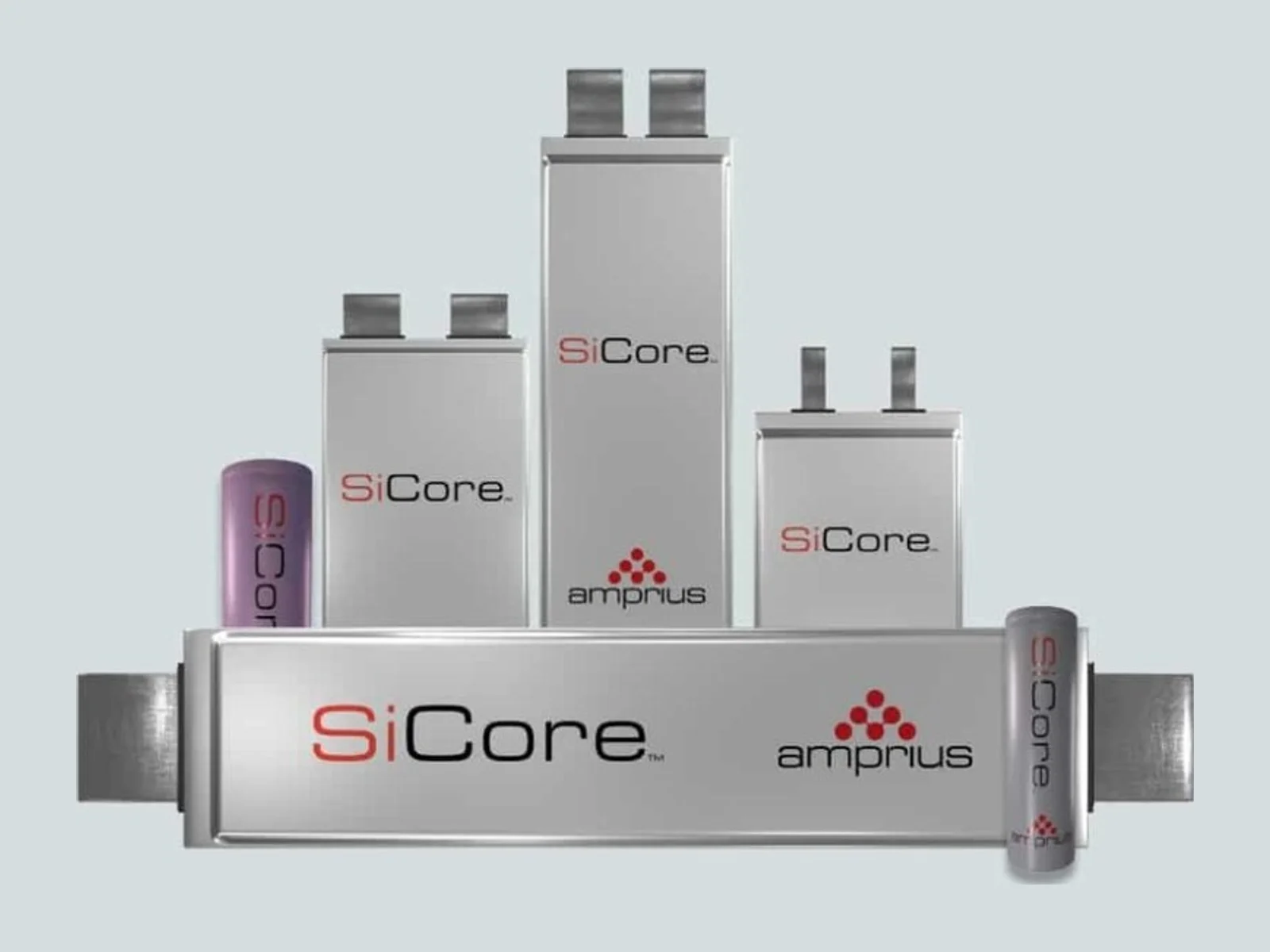 FeaturedBatteries
SiCore silicon-anode lithium-ion battery-cell family
- Specific energy
- 340 Wh/kg
- Continuous discharge rate
- 3 C
- Chemistry
- Li-ion silicon anode
Related articles
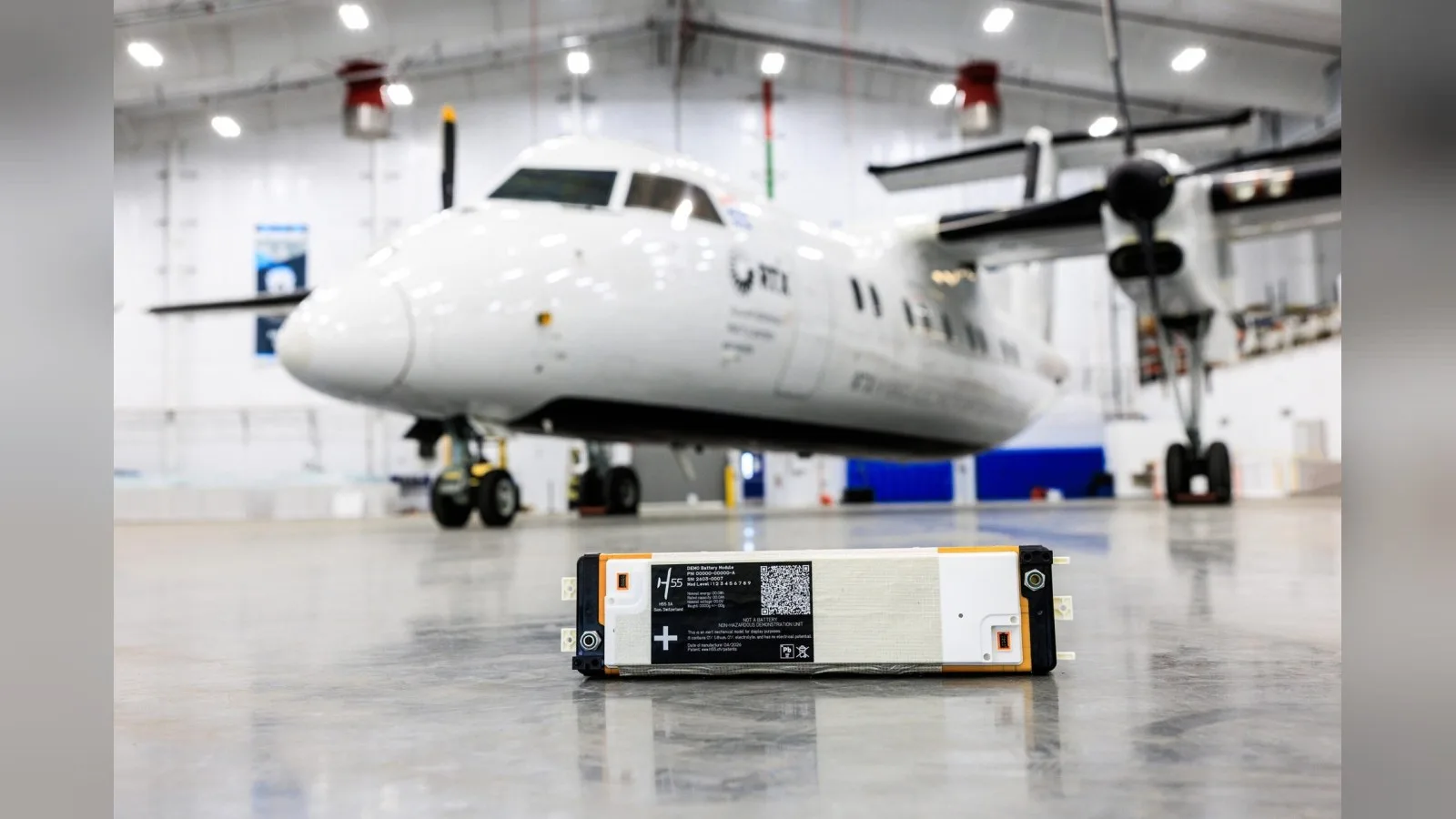
H55 delivers battery modules for RTX hybrid-electric demonstrator
H55 delivers battery modules to Pratt & Whitney Canada for the RTX Hybrid-Electric Flight Demonstrator. The Swiss company says they were built to production standard in a regulator-approved plant, marking its move from development to…
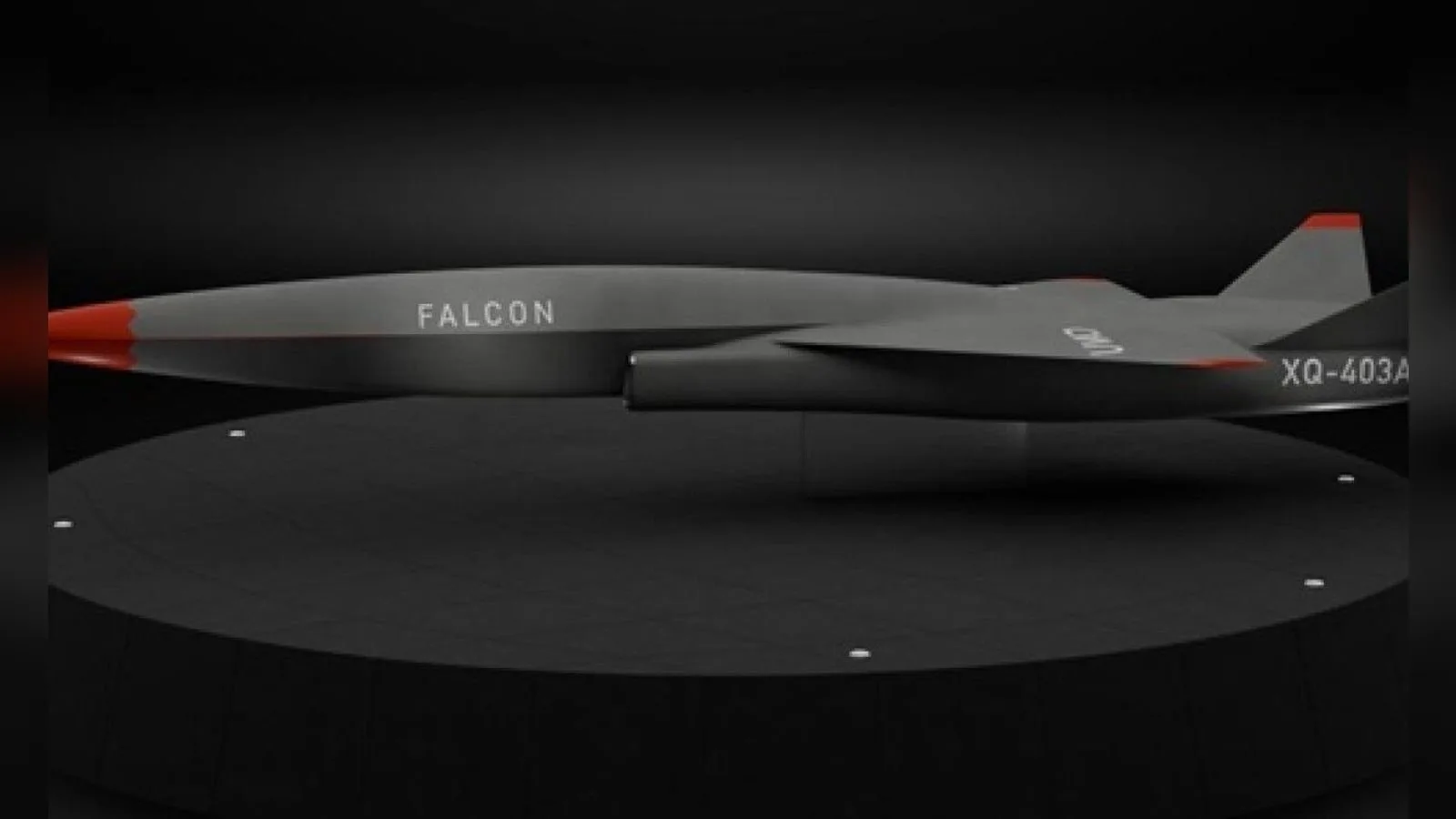
Safran turbojets to power Falcon supersonic UAV target
Falcon is a reusable supersonic uncrewed aerial target for missile-defense training, and its propulsion is the subject of a partnership between Safran Power Units and UVAD Technologies. Safran supplies two turbojet engines, and flight…

Honeywell tests 1 MW hybrid-electric generator for airship
Honeywell Aerospace tests a 1 MW generator in a Mexicali test cell, and Flying Whales will integrate it into the hybrid-electric powertrain of its LCA60T airship. The unit reaches 1 MW steady state at 97% efficiency, giving…
Honeywell HON1600 small turbine engine targets USAF CCA
Honeywell Aerospace presents the HON1600, a small turbine engine it positions for the US Air Force's Collaborative Combat Aircraft (CCA) program, after a core engine run in September 2025. The Air Force has issued a request for proposals…