Unverified
KDE-CF275-TP Carbon-Fiber Propeller Blades
Also known as: KDECF275TP, KDE CF275 TP, KDE-CF-275-TP, KDE CF 275 TP, KDE Direct KDE-CF275-TP, KDE Direct KDECF275TP
These carbon-fiber propeller blades are engineered for multirotor platforms. Each blade has a mass of 43.2 g and a diameter of 698.5 mm.
Description
The KDE-CF275-TP is a carbon-fiber propeller blade from KDE Direct with a mass of 43.2 g and a diameter of 698.5 mm. The KDE-CF275-TP Carbon-Fiber Propeller Blades, made by KDE Direct, are high-performance carbon-fiber propeller blades engineered for multirotor uncrewed aircraft. These components are designed to provide smooth and efficient flight performance for demanding commercial and industrial missions.
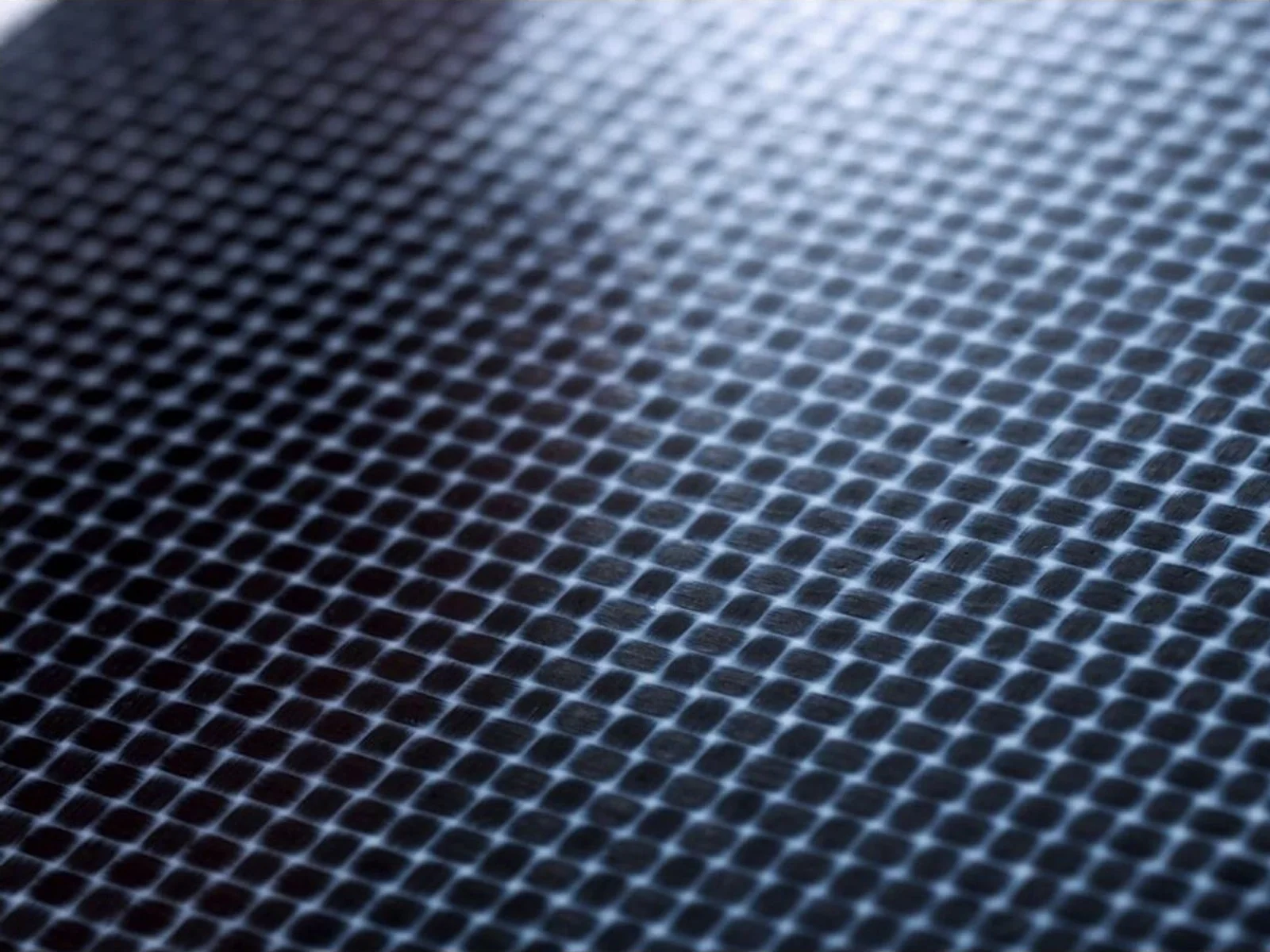
The blades are constructed from 3K carbon-fiber matrix materials, the same material supplied to military customers. Each blade has a mass of 43.2 g, with a design optimized through finite element analysis to ensure maximum structural strength while maintaining a low weight profile. The propeller diameter is 698.5 mm.
Integration is designed for simplicity with the KDE Direct Multi-Rotor Propeller Blade Adapters, specifically the KDE-TPAHL-ML and KDE-HPAHL series. The system requires two adapters for each set of clockwise and counter-clockwise blades. These blades are compatible with several brushless motor series, including the KDE7208XF, KDE7215XF, KDE8218XF, and KDE10218XF.
All propellers are dynamically balanced and provided in matched sets to ensure vibration-free operation. Integrators should keep the blades organized as matched sets to maintain balance integrity. If a single blade is damaged, the entire CW or CCW set must be replaced to prevent balance-related concerns during flight. The proprietary airfoil design is used to support flight performance.
These propeller blades are suitable for professional and industrial uncrewed systems where reliability and smoothness are critical. They are designed for consistent performance and structural integrity in demanding flight environments.
KDE-CF275-TP specifications
| General | |
|---|---|
| Grade | Professional[1][2][3] |
| Market | Dual-use[1][2][3] |
| Platform class | Small UAS (<25 kg), Large UAS (25–150 kg)[1][2][3] |
| Airframe | Multirotor[1][2][3] |
| Availability | In production[1][2][3] |
| Mass | 43.2 g[1][2][3] |
| Dimensions (L × W × H, mm) | 698.5 mm diameter[1][2][3] |
| Key specifications | |
| Diameter | 698.5 mm[1][2][3] |
| Blade count | 1[1][2][3] |
| Material | Carbon fibre[1][2][3] |
| Additional specifications | |
| Rotation | CW and CCW matched sets[1][2][3] |
| Hub / mount | KDE-TPAHL-ML or KDE-HPAHL adapters[1][2][3] |
| Balance grade | dynamically-balanced[1][2][3] |
Sources
- kdedirect.com/collections/multi-rotor-propeller-blades/products/kde-cf275-tp · checked November 16, 2026
- kdedirect.com/pages/kde-dms · checked November 16, 2026
- cdn.shopify.com/s/files/1/0496/8205/files/KDE_Direct_CF275_Propeller_Blades_-_PRS-2.pdf · checked November 16, 2026
Frequently asked questions
What material are the KDE-CF275-TP propeller blades made of?
The propeller blades are constructed from 3K carbon-fiber matrix materials.
Are the propeller blades balanced before shipping?
Yes, all propellers are dynamically balanced and provided in matched sets to ensure smooth, vibration-free operation.
Which propeller adapters are compatible with these blades?
The blades are compatible with the KDE-TPAHL-ML and KDE-HPAHL adapter series.
What should I do if a single propeller blade is damaged?
If one blade is damaged, you must replace the entire matched set (CW or CCW) to maintain balance.
What is the weight of an individual propeller blade?
Each blade weighs 43.2 grams.
Reviews & Ratings
– / 5
No reviews yet. Be the first to rate.
Rate this product
Almost done: send the form below to publish your rating.
Thank you: your review is published and already counts in the rating.
Demo mode: the form is not connected yet and nothing was sent.








Similar propellers from other manufacturers
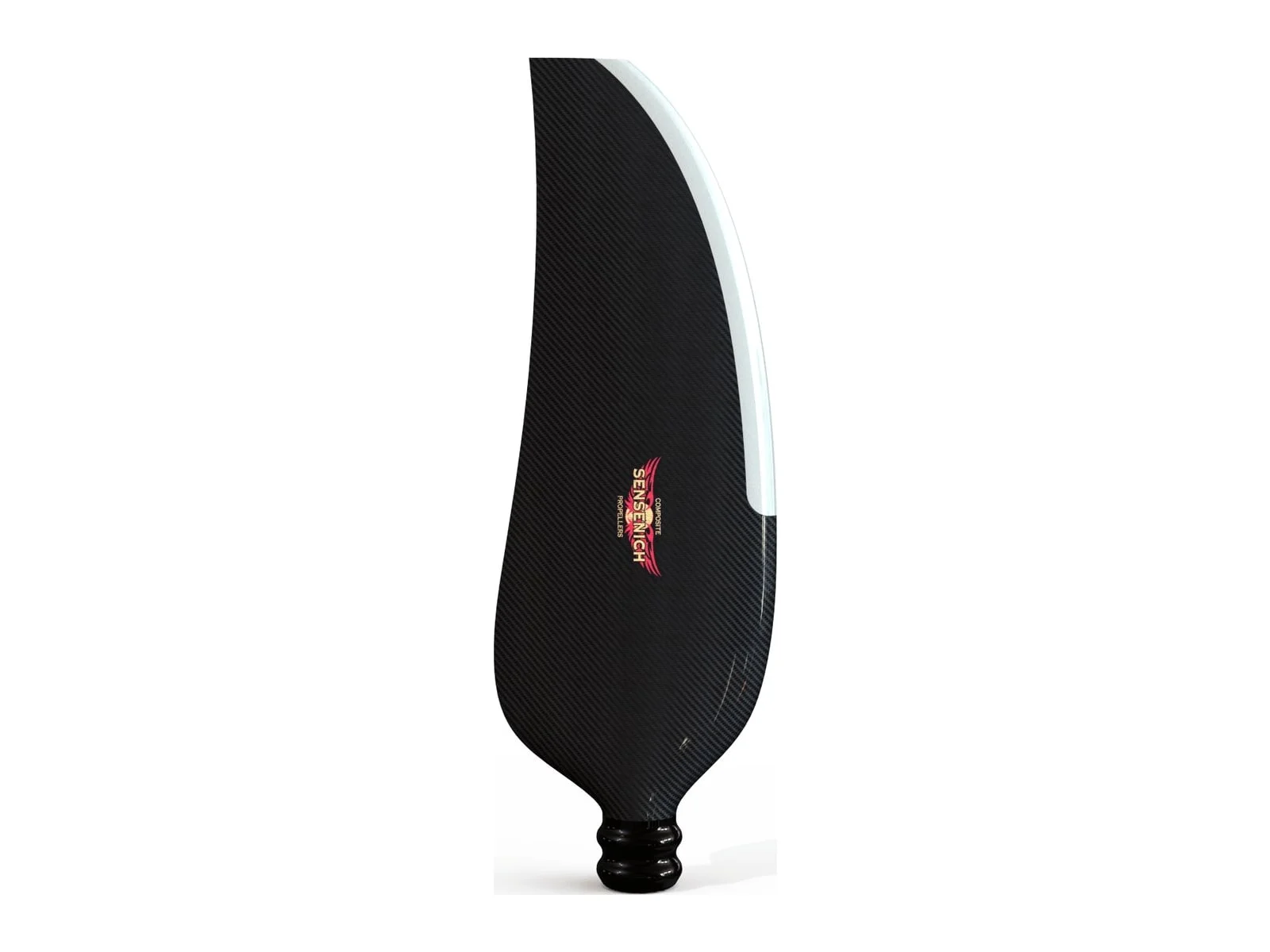 FeaturedPropellers
72JM Series ground-adjustable composite propeller blade
- Diameter
- 1,828.8 mm
- Blade count
- 2
- Pitch type
- Ground-adjustable
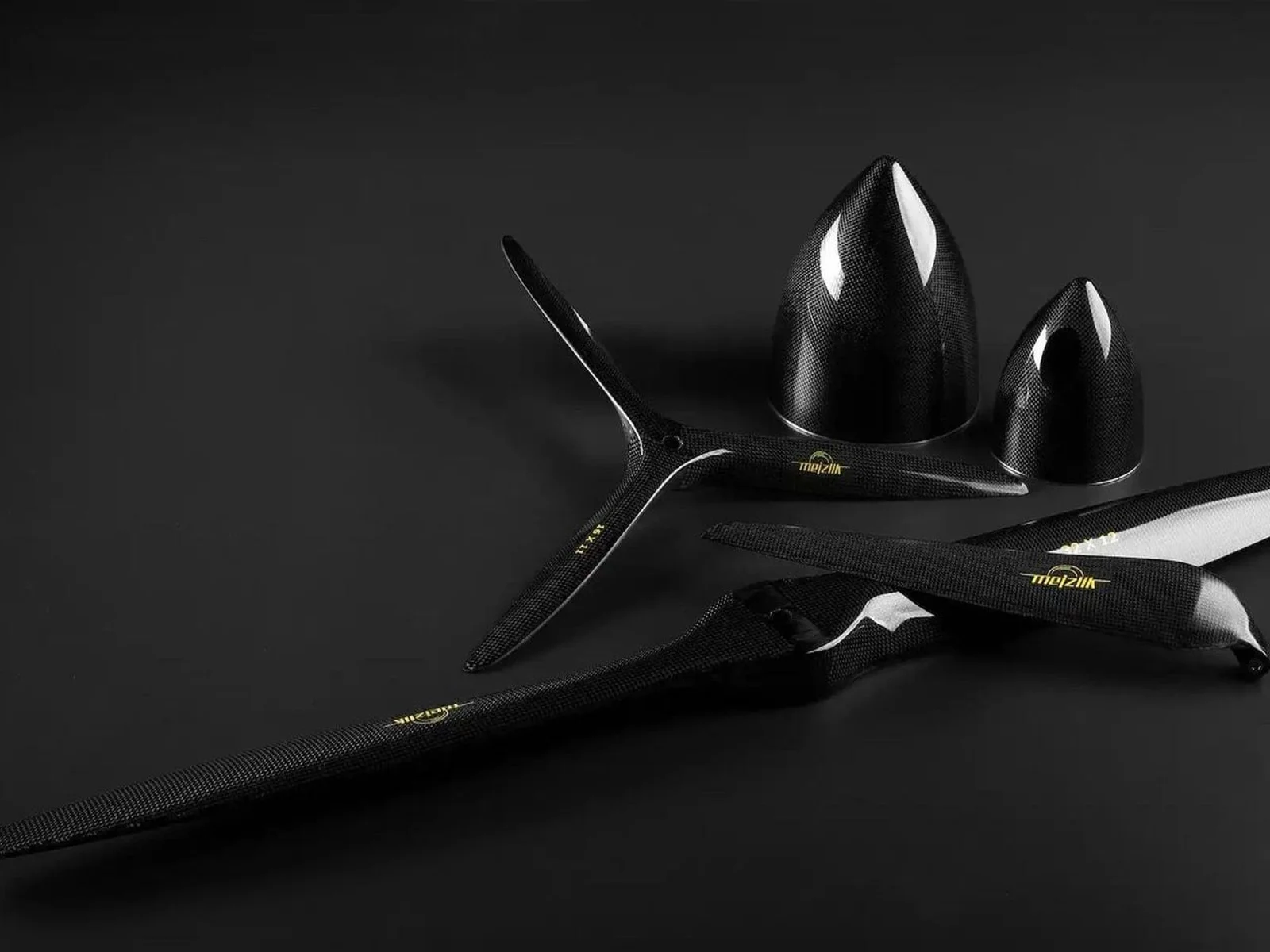 FeaturedPropellers
Multicopter propellers aircraft propeller offering
- Diameter
- 304.8 mm
- Blade count
- 3
- Pitch type
- Fixed
 Featured
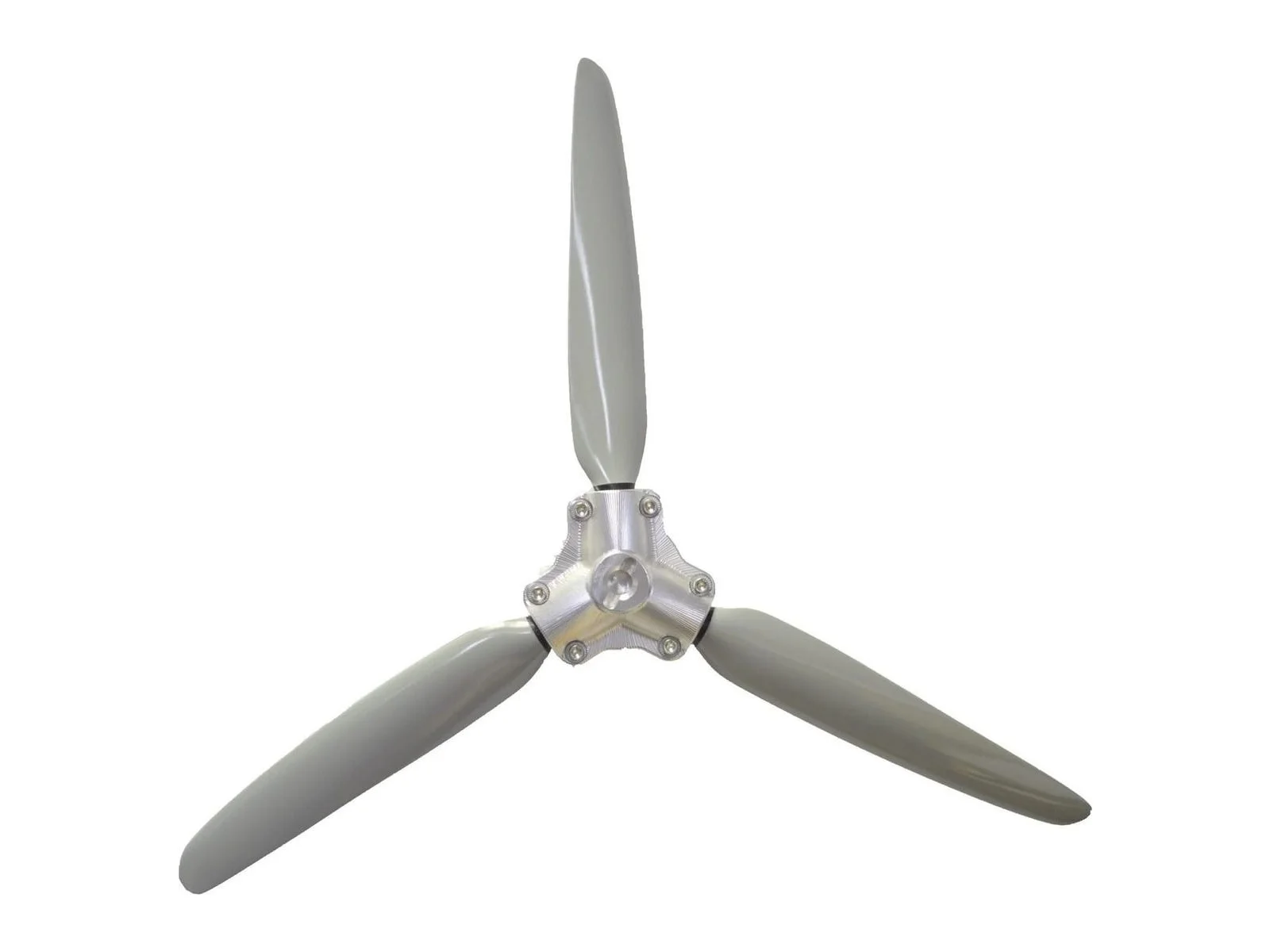 FeaturedPropellers
Ground-adjustable composite UAV propeller family
- Pitch type
- Ground-adjustable
- Material
- Carbon fibre
- Grade
- Professional
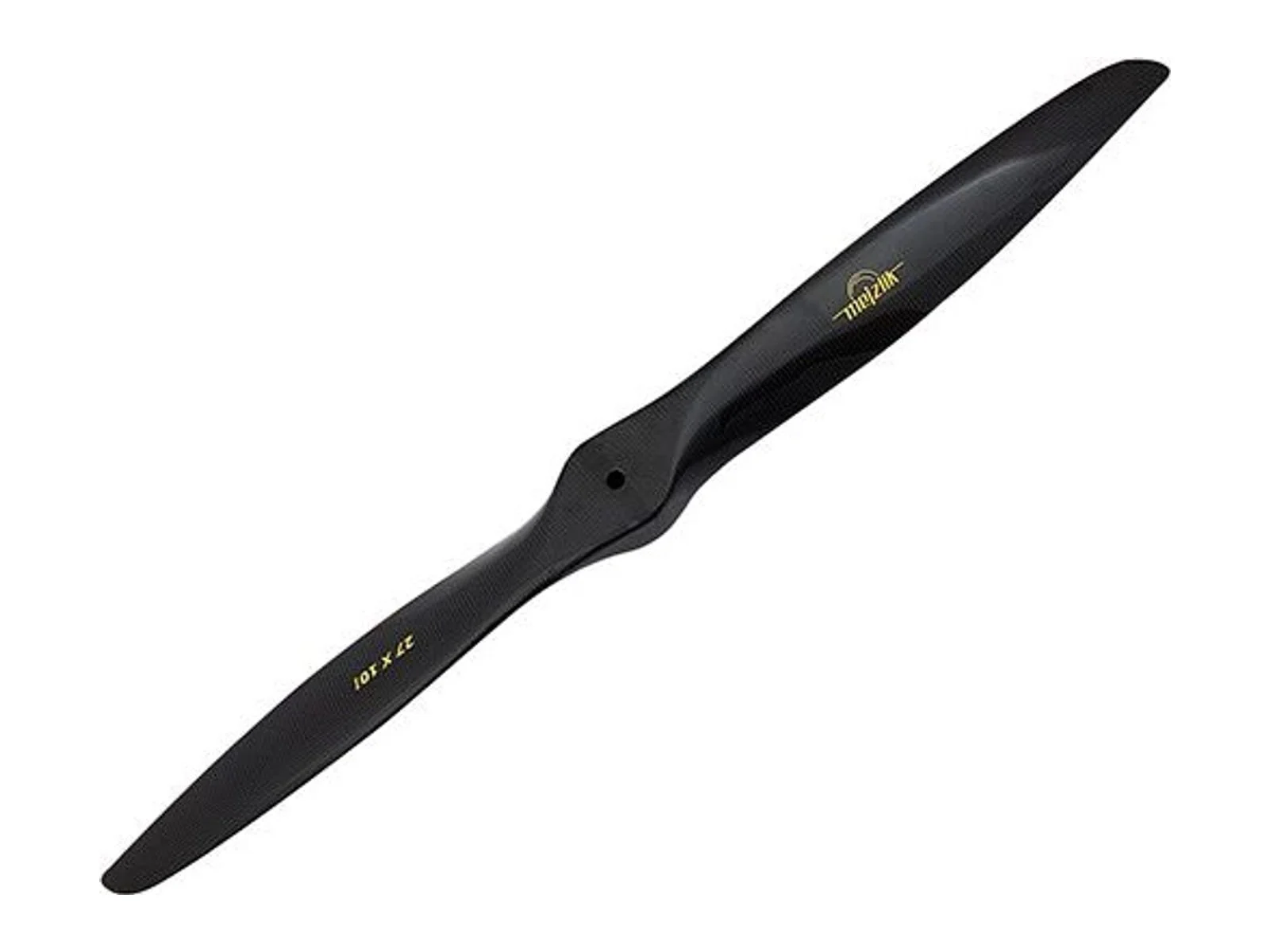 FeaturedPropellers
Fixed-pitch carbon UAV propellers aircraft propeller offering
- Pitch type
- Fixed
- Material
- Carbon fibre
- Grade
- Professional
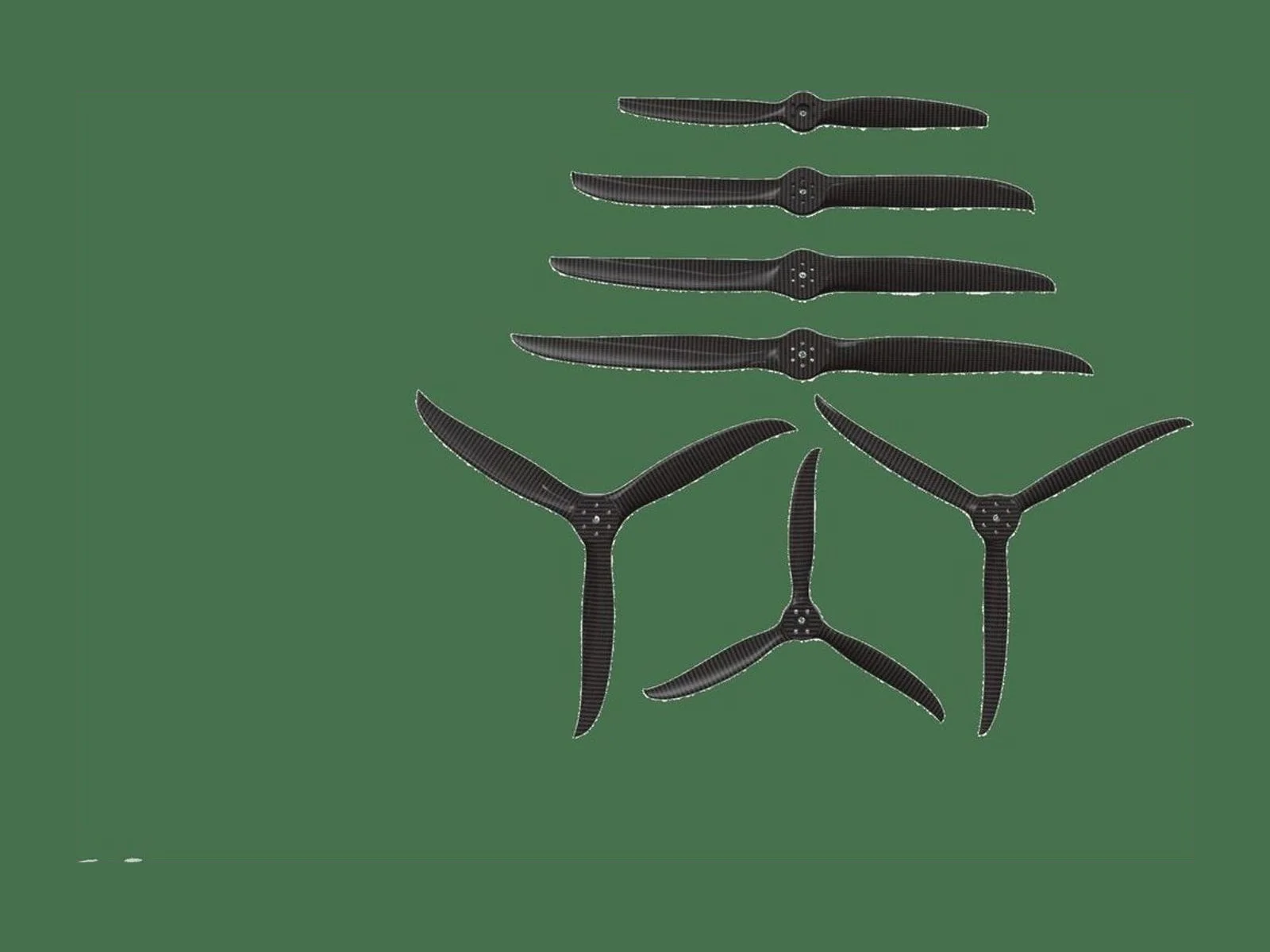 FeaturedPropellers
UAV propellers aircraft propeller offering
- Pitch type
- Fixed
- Material
- Carbon fibre
- Grade
- Professional
More from KDE Direct
- FeaturedPropellers
KDE-CF275-DP carbon fiber propeller blades, Dual-Edition (CW/CCW pair)
- Diameter
- 698.5 mm
- Blade count
- 2
- Pitch type
- Fixed
- FeaturedPropellers
KDE-CF305-DP carbon fiber propeller blades, 30.5 x 9.7 in, dual edition (CW/CCW)
- Diameter
- 774.7 mm
- Blade count
- 2
- Pitch type
- Fixed
- FeaturedPropellers
KDE-CF355-DP carbon fiber propeller blades, 35.5" x 12.1, Dual-Edition (CW/CCW set)
- Diameter
- 901.7 mm
- Blade count
- 2
- Pitch type
- Fixed
- FeaturedElectric motors
KDE7215XF-135 brushless electric motor for heavy-lift multirotor UAS
- Continuous power
- 2.915 kW
- Supply voltage
- 22.2 – 60.9 V
- Grade
- Professional
Key terms
- brake specific fuel consumption (BSFC)
Brake specific fuel consumption (BSFC) is the mass of fuel an engine burns per unit of shaft energy delivered, usually in g/(kW·h); a lower value means a more efficient engine.
- disc loading
Disc loading is the aircraft's weight (or thrust) divided by the total area swept by its rotors or propellers, in kg/m2 or lb/ft2; it largely sets hover power and downwash.
- heavy-fuel engine
A heavy-fuel engine is a combustion engine able to run on kerosene-type or diesel fuels such as JP-8 or Jet A-1 instead of gasoline, simplifying logistics and reducing fire risk.
- Kv rating
The Kv rating of a brushless motor is its speed constant in rpm per volt, the no-load speed reached for each volt applied; it is the inverse of the back-EMF constant.
Related news
CATL works towards 350 Wh/kg battery energy density for eVTOL
For eVTOL aircraft, CATL aims to reach a battery energy density of 350 Wh/kg or more. Robin Zeng, who is chairman and CEO, names the number during the 2026 APEC CEO Summit in Shenzhen. The company adds that take-off and landing power…
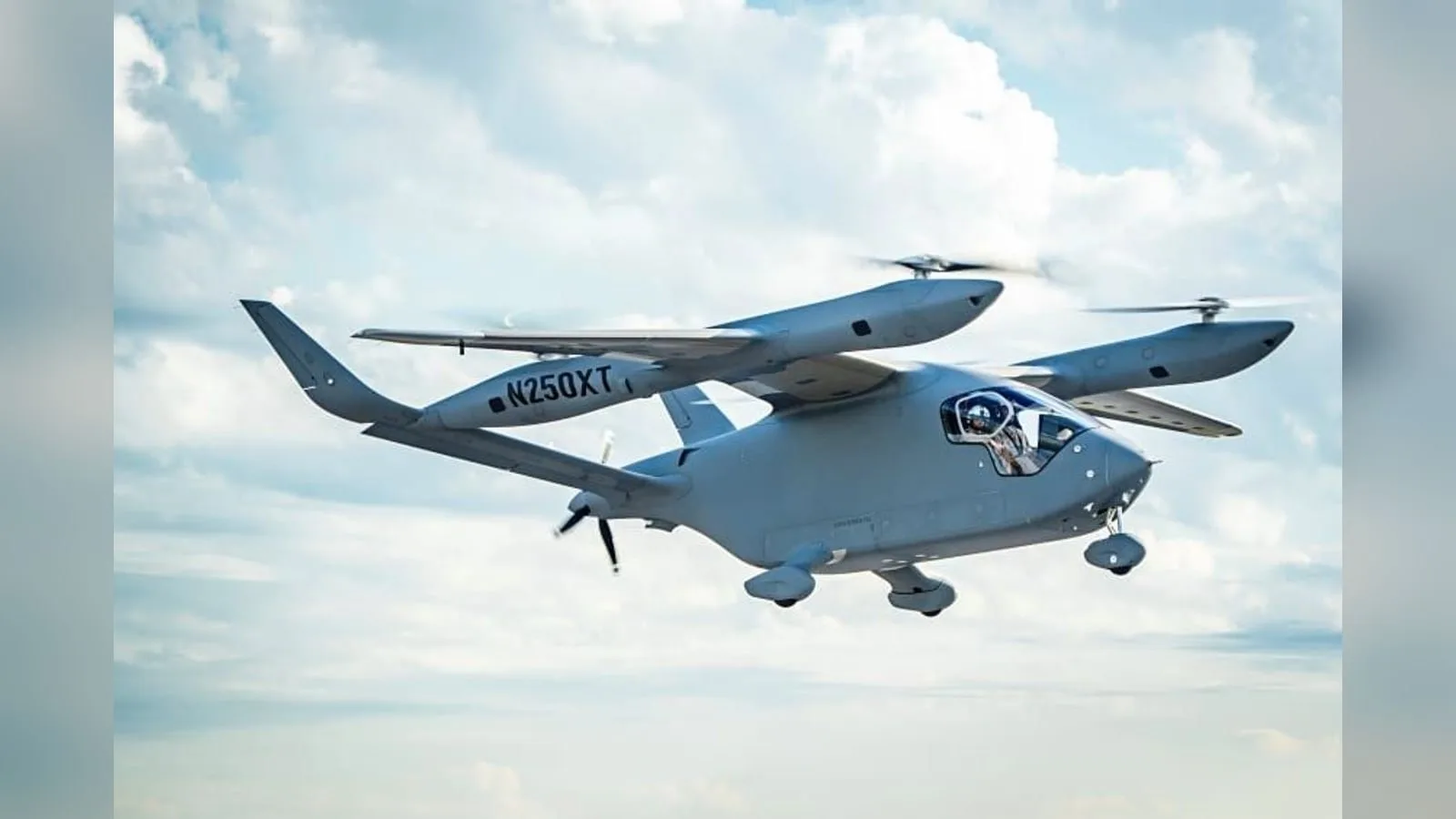
Astronics CorePower power systems enter BETA production
Astronics and BETA Technologies agree on series supply of CorePower electrical power systems for three BETA aircraft. The deal moves power hardware that has flown on BETA's development fleet since 2024 into production.
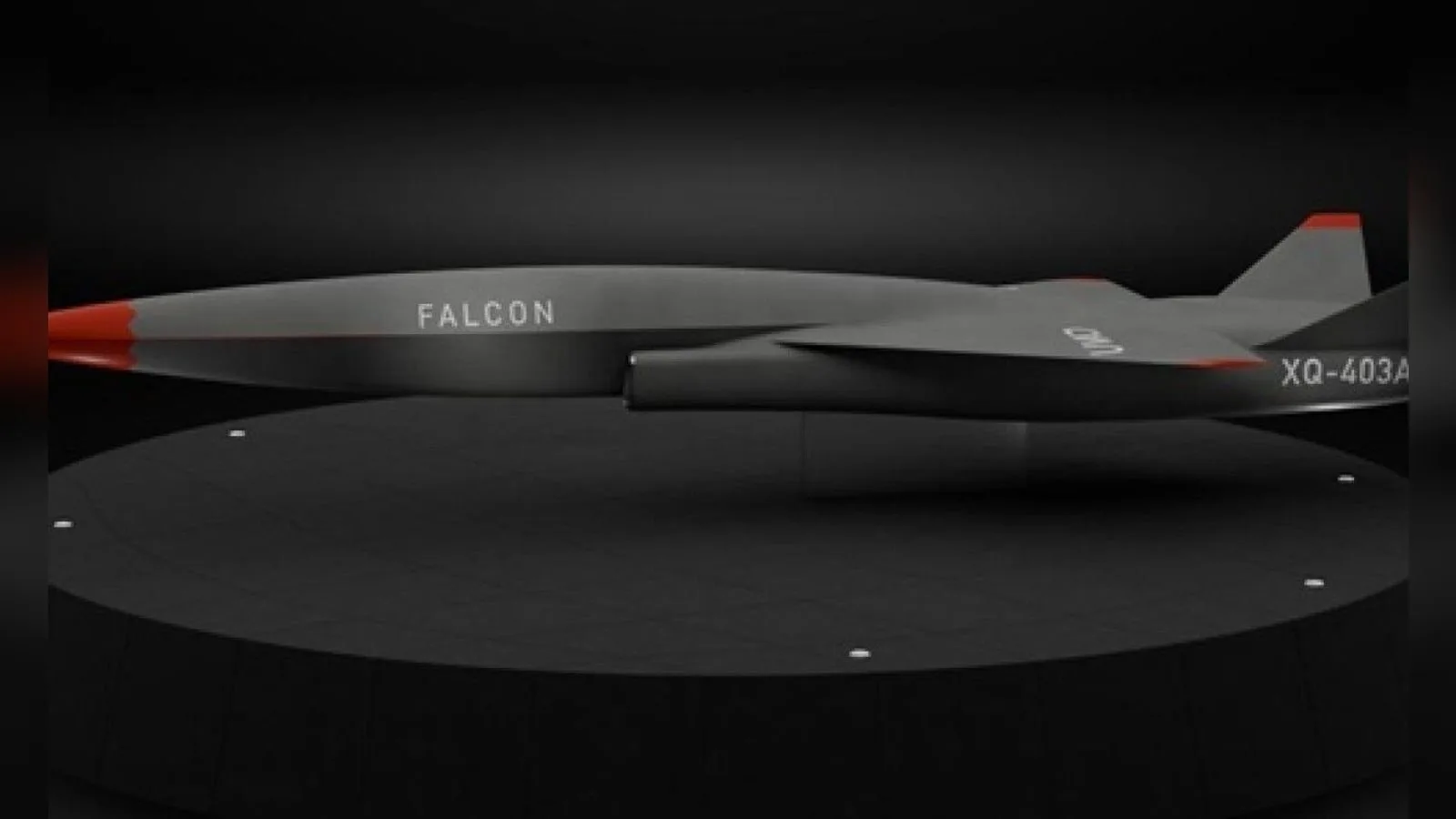
Safran turbojets to power Falcon supersonic UAV target
Falcon is a reusable supersonic uncrewed aerial target for missile-defense training, and its propulsion is the subject of a partnership between Safran Power Units and UVAD Technologies. Safran supplies two turbojet engines, and flight…
This product listing is maintained by our editorial team and may contain errors. Last updated .