Unverified
AMT 1800 Intermediate Gain Antenna
Also known as: AMT1800, AMT-1800, Honeywell Aerospace AMT 1800, Honeywell Aerospace AMT1800
The AMT 1800 is a phased array tracking antenna for satellite communications on aircraft. It provides coverage over the full Inmarsat volume with a 5° look angle.
Description
The AMT 1800 Intermediate Gain Antenna by Honeywell Aerospace is a phased array tracking antenna for manned aircraft. It is engineered to provide satellite communication capabilities, designed to meet the requirements of ARINC 781 air transport functionality. By utilizing phased array technology, this unit maintains performance at low look angles, supporting connectivity during flight operations.
The antenna operates across the extended L-band frequency range, specifically covering 1518–1675 MHz to support operation with the Inmarsat Alphasat satellite. This frequency range is critical for maintaining data links in aerospace environments. The system is optimized for the Class 7 form factor, making it suitable for integration into platforms where space is constrained while requiring communication performance.
The antenna meets passive intermodulation (PIM) SwiftBroadband requirements. It provides coverage over the full Inmarsat coverage volume, including a 5° look angle. The phased array design offers a low profile and reliability for satellite communication systems.
This antenna is used on platforms such as the Embraer Lineage 1000, Pilatus PC-12 NG, Pilatus PC-12 NGX, and Pilatus PC-24. It serves as a component for cabin and cockpit satellite communications, providing a link for data services in aerospace applications.
AMT 1800 specifications
| General | |
|---|---|
| Grade | Professional[1][2] |
| Market | Dual-use[1][2] |
| Platform class | Manned aircraft[1][2] |
| Airframe | Fixed-wing[1][2] |
| Availability | In production[1][2] |
| Key specifications | |
| Tracking type | Electronic (phased array)[1][2] |
| Frequency bands | 1518–1675 MHz[1][2] |
Sources
Frequently asked questions
What frequency range does the AMT-1800 Intermediate-Gain Antenna support?
The antenna operates over the extended L-band frequency range of 1518 – 1675 MHz to support operation with the Inmarsat Alphasat satellite.
What is the primary design purpose of the AMT-1800 antenna?
The AMT-1800 is designed to provide ARINC 781 functionality within the smallest Class 7 form factor currently available on the market.
What type of technology does the AMT-1800 use to maintain performance?
The antenna utilizes phased array technology to maintain performance at low look angles and meet SwiftBroadband passive intermodulation requirements.
Reviews & Ratings
– / 5
No reviews yet. Be the first to rate.
Rate this product
Almost done: send the form below to publish your rating.
Thank you: your review is published and already counts in the rating.
Demo mode: the form is not connected yet and nothing was sent.










Similar tracking antennas from other manufacturers
 FeaturedTracking antennas
Sling Blade SOLO LM Ku electronically steerable antenna
- Tracking type
- Electronic (phased array)
- Azimuth range
- 360 °
- Elevation range
- 1,590 °
 FeaturedTracking antennas
Aero Blade M PICO Ka tracking antenna
- Tracking type
- Electronic (phased array)
- Azimuth range
- 360 °
- Elevation range
- 2,090 °
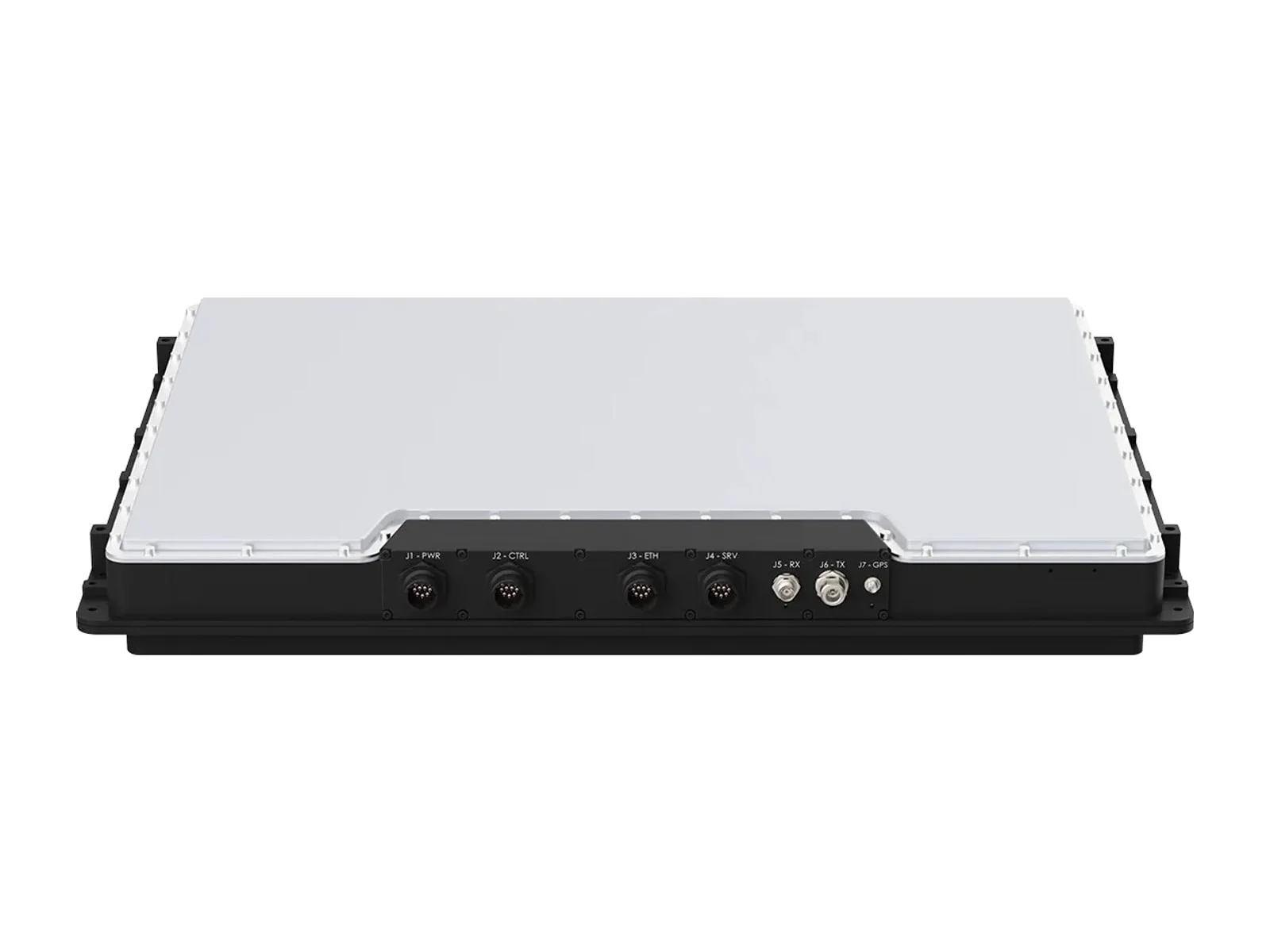 FeaturedTracking antennas
Aero Blade SOLO Ku electronically steered antenna terminal
- Tracking type
- Electronic (phased array)
- Azimuth range
- 360 °
- Elevation range
- 1,590 °
- FeaturedTracking antennas
Sling Blade DUO LM Ku electronically steerable antenna
- Tracking type
- Electronic (phased array)
- Azimuth range
- 360 °
- Elevation range
- 1,590 °
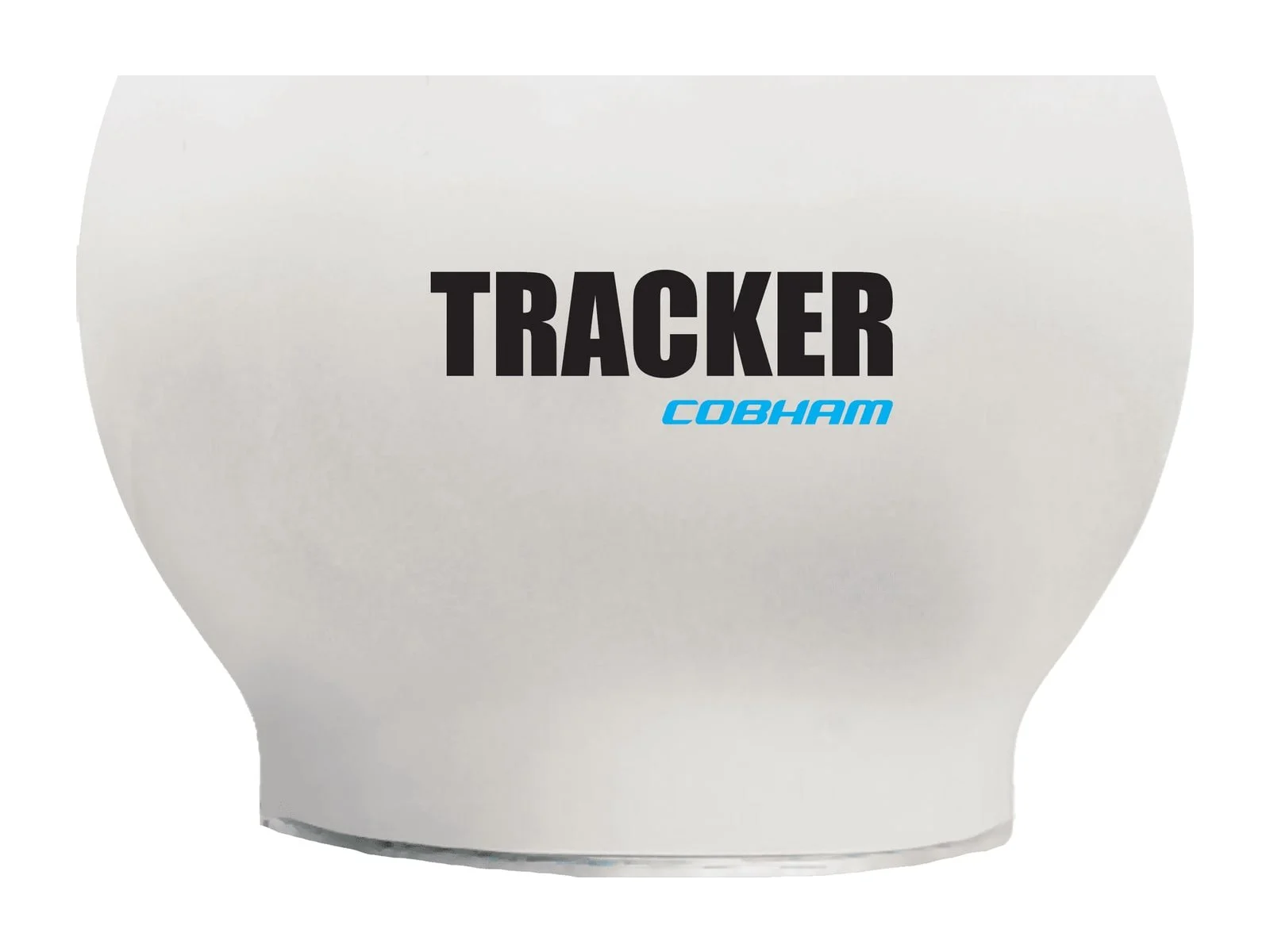 FeaturedTracking antennas
TRACKER 6000 tracking antenna
- Tracking type
- Mechanical (pedestal)
- Grade
- Professional
- Market
- Defense
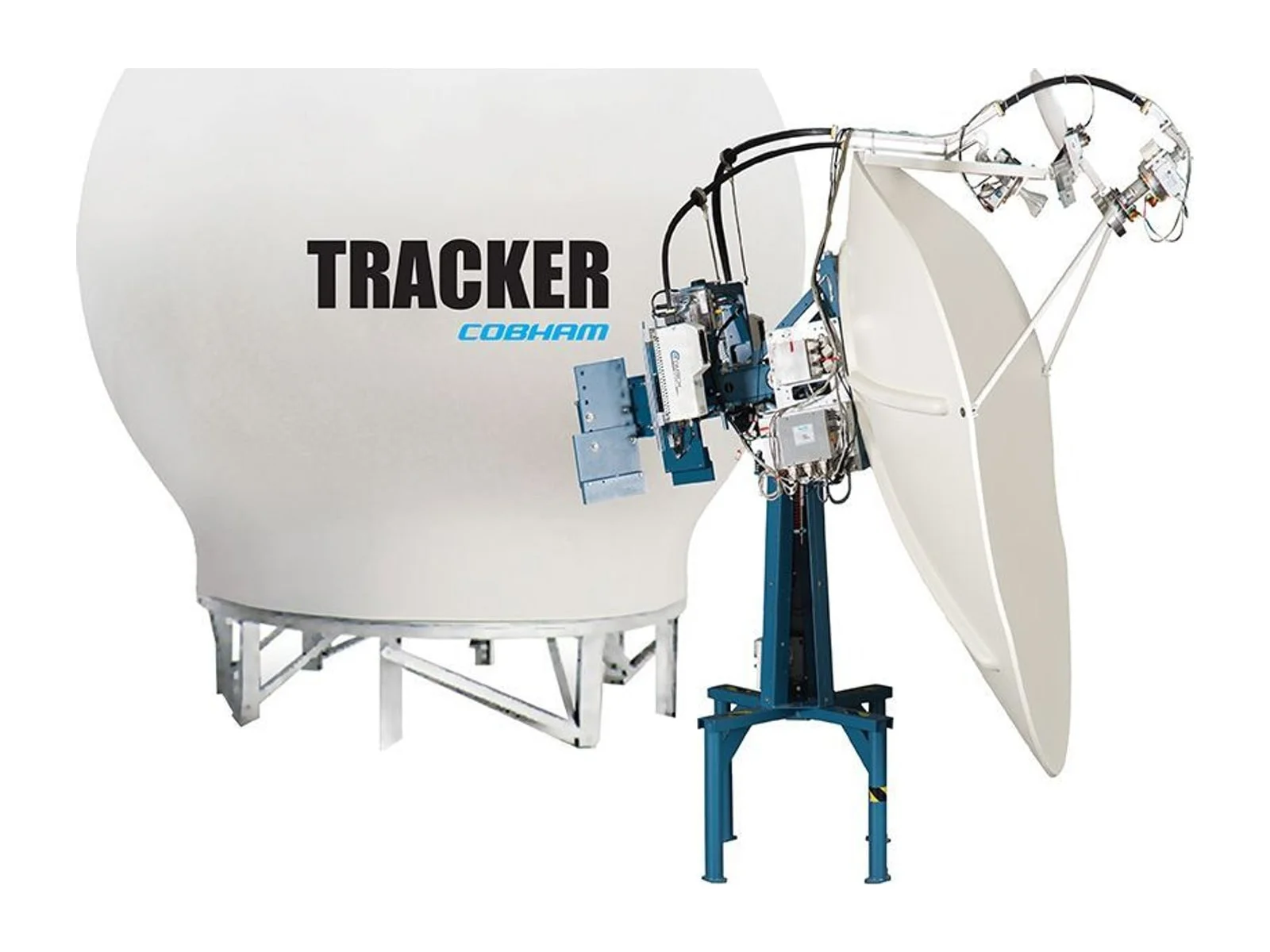 FeaturedTracking antennas
TRACKER 2400 TT tracking antenna
- Tracking type
- Mechanical (pedestal)
- Gain
- 55.2 dBi
- Slew rate
- 5 °/s
View all: Similar tracking antennas from other manufacturers
More from Honeywell Aerospace
- FeaturedIMUs
HGuide HG4930 MEMS Inertial Measurement Unit
- Gyro bias instability
- 0.25 °/h
- Accelerometer bias instability
- 25 µg
- Angle random walk
- 0.04 °/√h
- FeaturedAltimeters
Honeywell Radar Velocity System (HRVS) radar-based navigation aiding system
- Sensor technology
- Radar
- Max range
- 170 m
- Grade
- Professional
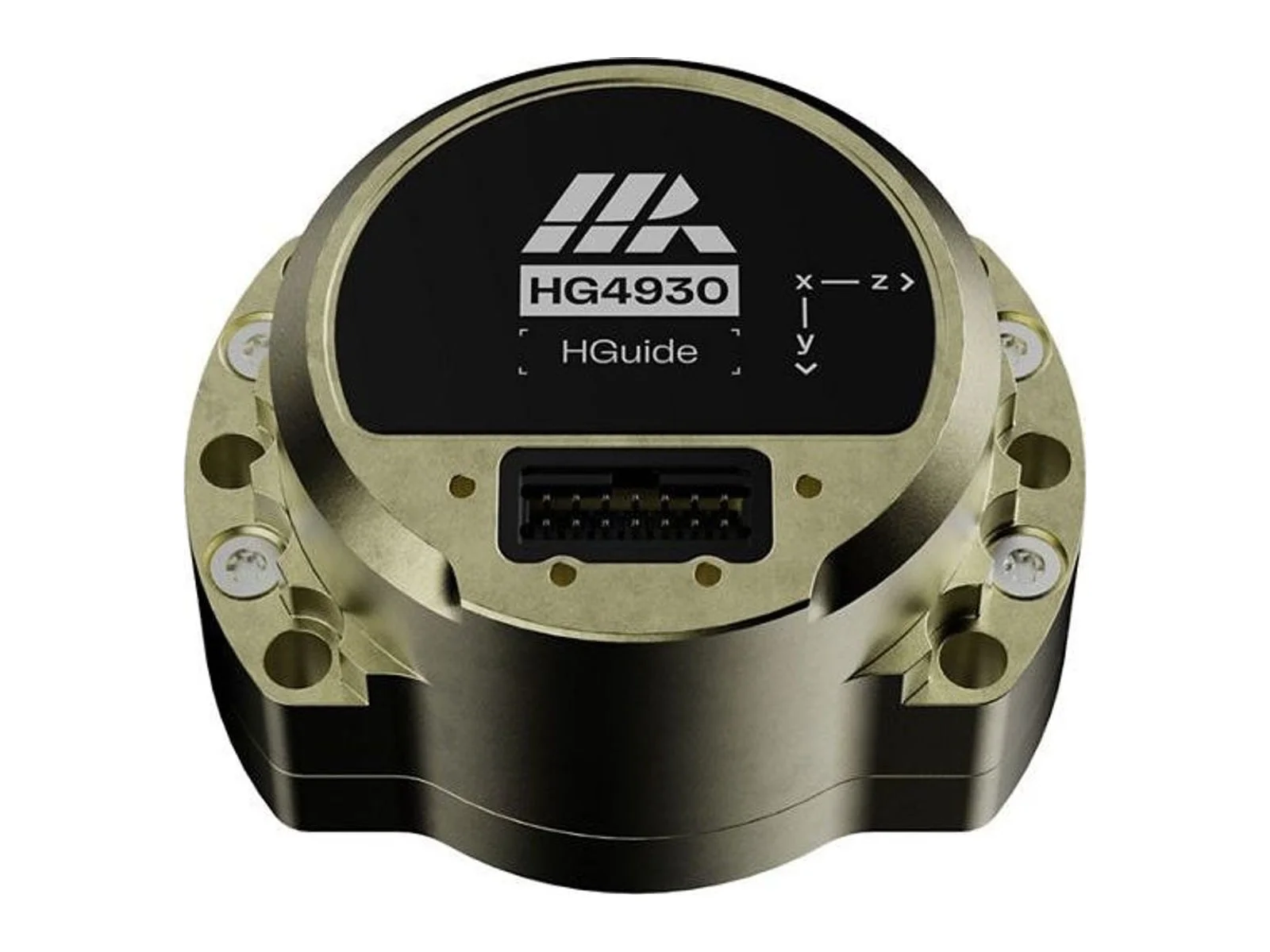 FeaturedIMUs
HG4930 inertial sensing unit
- Gyro bias instability
- 0.25 °/h
- Accelerometer bias instability
- 25 µg
- Angle random walk
- 0.04 °/√h
- FeaturedFlight deck
Primus 1000 Integrated Avionics System
- Product type
- Integrated flight deck
- Grade
- Professional
- Market
- Dual-use
Key terms
- COFDM
COFDM is coded orthogonal frequency-division multiplexing, a modulation that spreads data over many narrow subcarriers and adds error-correcting coding, used for robust video and data links to moving aircraft.
- DO-160
DO-160 is the RTCA standard (EUROCAE ED-14) that defines environmental test conditions and procedures for airborne equipment, covering temperature, altitude, vibration, humidity, EMI and lightning among other sections.
- GNSS anti-jamming (CRPA)
GNSS anti-jamming with a controlled reception pattern antenna (CRPA) uses an array of antenna elements and adaptive processing to place nulls toward interference and keep satellite signals usable.
- link budget
A link budget is the accounting of all gains and losses between a transmitter and a receiver, in decibels, used to find the received power and the margin above the receiver's minimum.
Related news

Honeywell tested multi-network satcom failover on 757 testbed
Honeywell Aerospace detailed on May 5, 2022 a test of a Primary, Alternate, Contingency and Emergency (PACE) satcom scheme on its Boeing 757-200 flying testbed, which switched between commercial and military satellite networks in flight…

Honeywell tests alternative navigation for GNSS-denied flight
Honeywell Aerospace presents results from demonstrations of celestial-, vision- and magnetic-aided navigation that support inertial systems when GNSS signals are lost. Its star-tracker based system matches GNSS-INS performance under…

Honeywell tests 1 MW hybrid-electric generator for airship
Honeywell Aerospace tests a 1 MW generator in a Mexicali test cell, and Flying Whales will integrate it into the hybrid-electric powertrain of its LCA60T airship. The unit reaches 1 MW steady state at 97% efficiency, giving…
This product listing is maintained by our editorial team and may contain errors. Last updated .