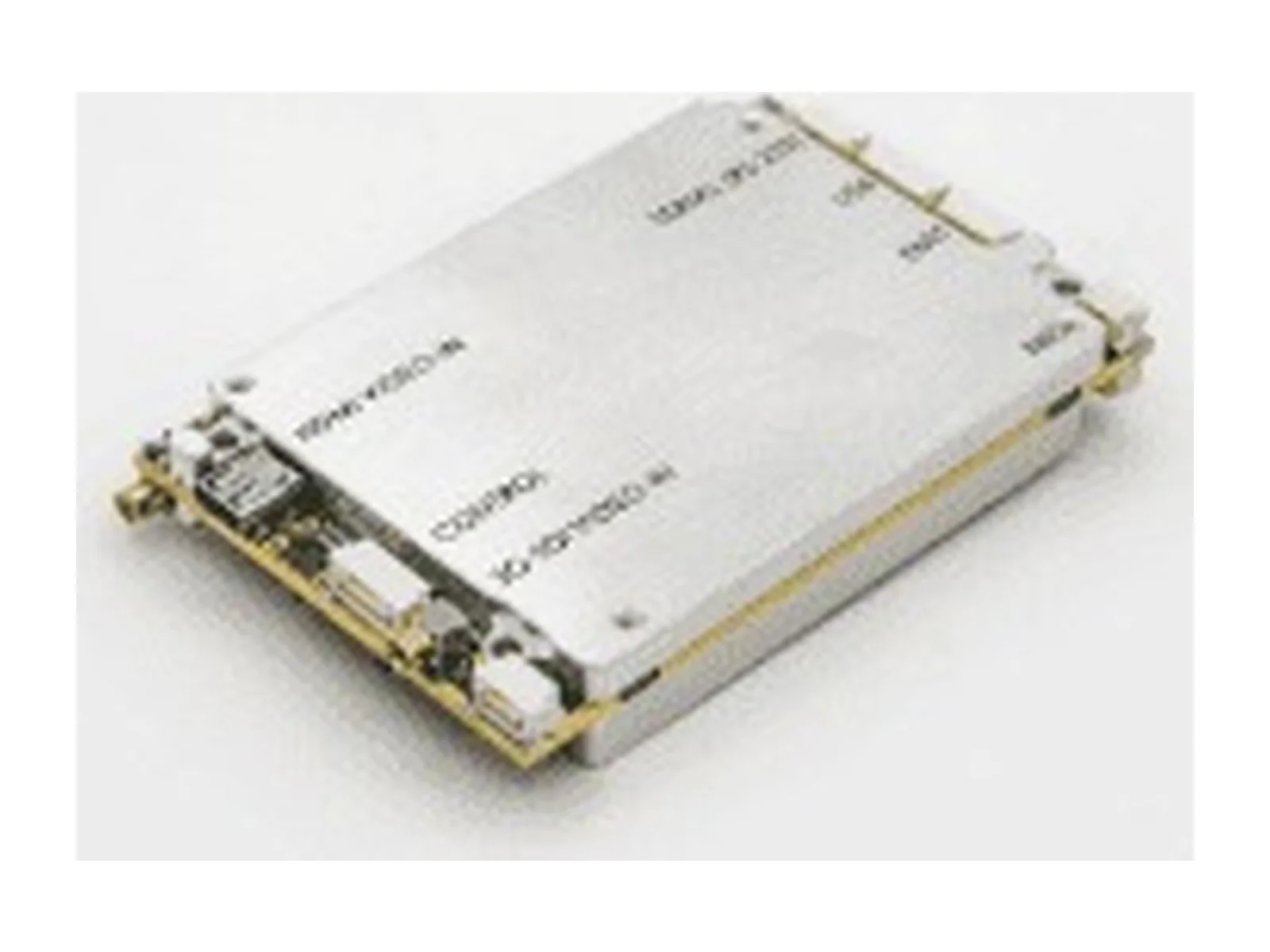
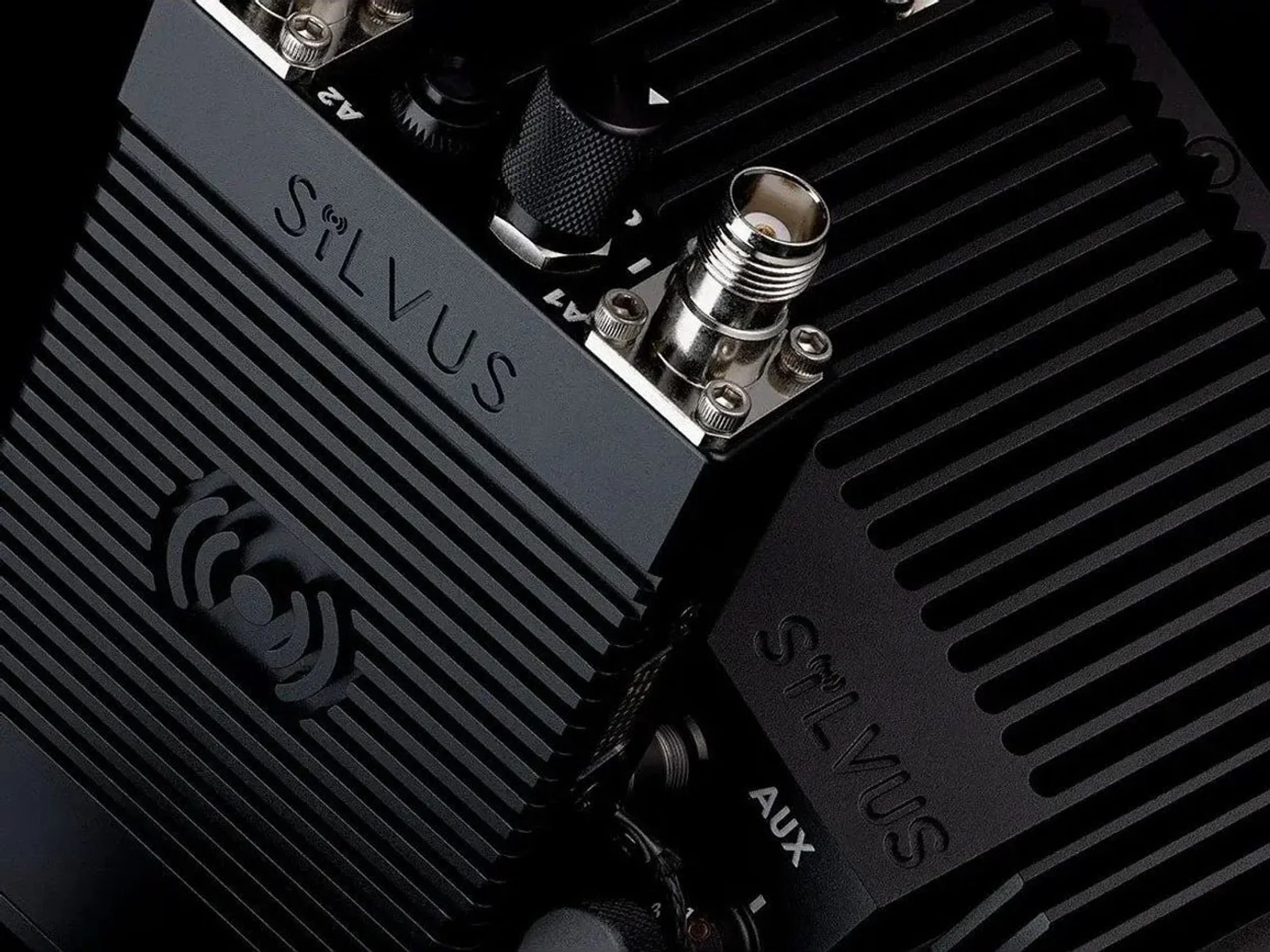
COFDM is a manufacturer of data transmission technology used for links where aircraft, ground antennas, or reflecting structures move, such as in drones and eVTOL aircraft. COFDM splits a data stream into many slowly modulated, closely spaced subcarriers that do not interfere with each other, then adds forward error correction and time/frequency interleaving. Because each symbol is long and is preceded by a guard interval, echoes that arrive late (multipath) fall inside that interval instead of smearing into the next symbol. This is why the scheme is used for links where the aircraft, the ground antenna or reflecting structures move.
In drones and eVTOL aircraft it is the usual choice for non-line-of-sight and urban video and telemetry links, in channel widths that vendors typically offer from about 1.25 MHz to 20 MHz, in bands from L to S and C. Narrower channels reach farther but carry less data; wider ones carry more video.
On a datasheet it appears as the modulation type (“COFDM”, sometimes with “QPSK/16QAM/64QAM”), the channel bandwidth in MHz, the receiver sensitivity in dBm at a stated bandwidth and modulation, and the latency in milliseconds. Broadcast standards such as DVB-T show the structure: modes of 2K or 8K subcarriers with guard intervals of 1/4 to 1/32 of the symbol.
A frequent mistake is to compare maximum data rate between radios without checking the modulation, code rate and channel width at which it is quoted. The highest rate is measured with the densest modulation and the least coding, which also has the worst sensitivity and range. Compare sensitivity and rate at the same bandwidth and modulation.