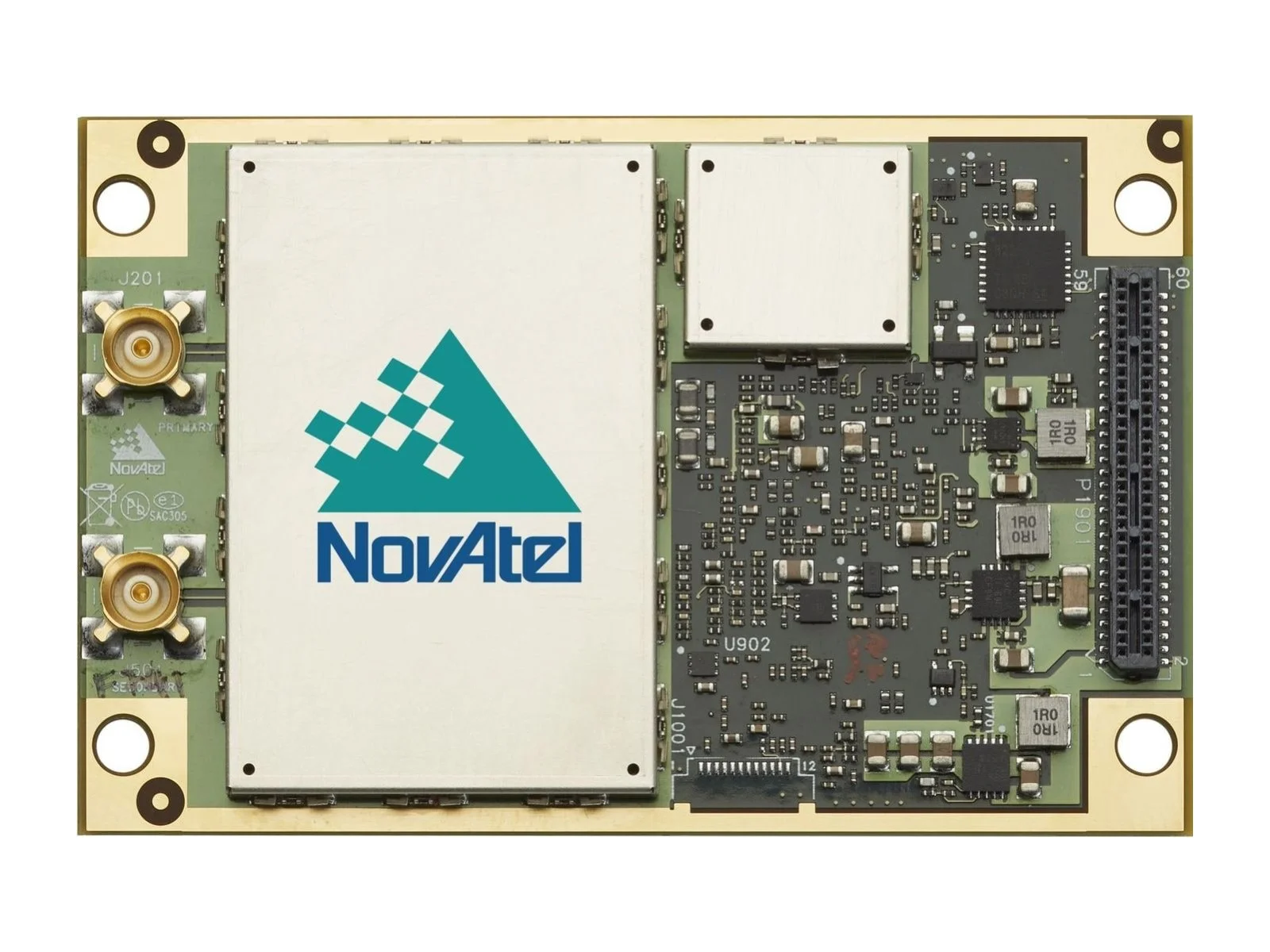
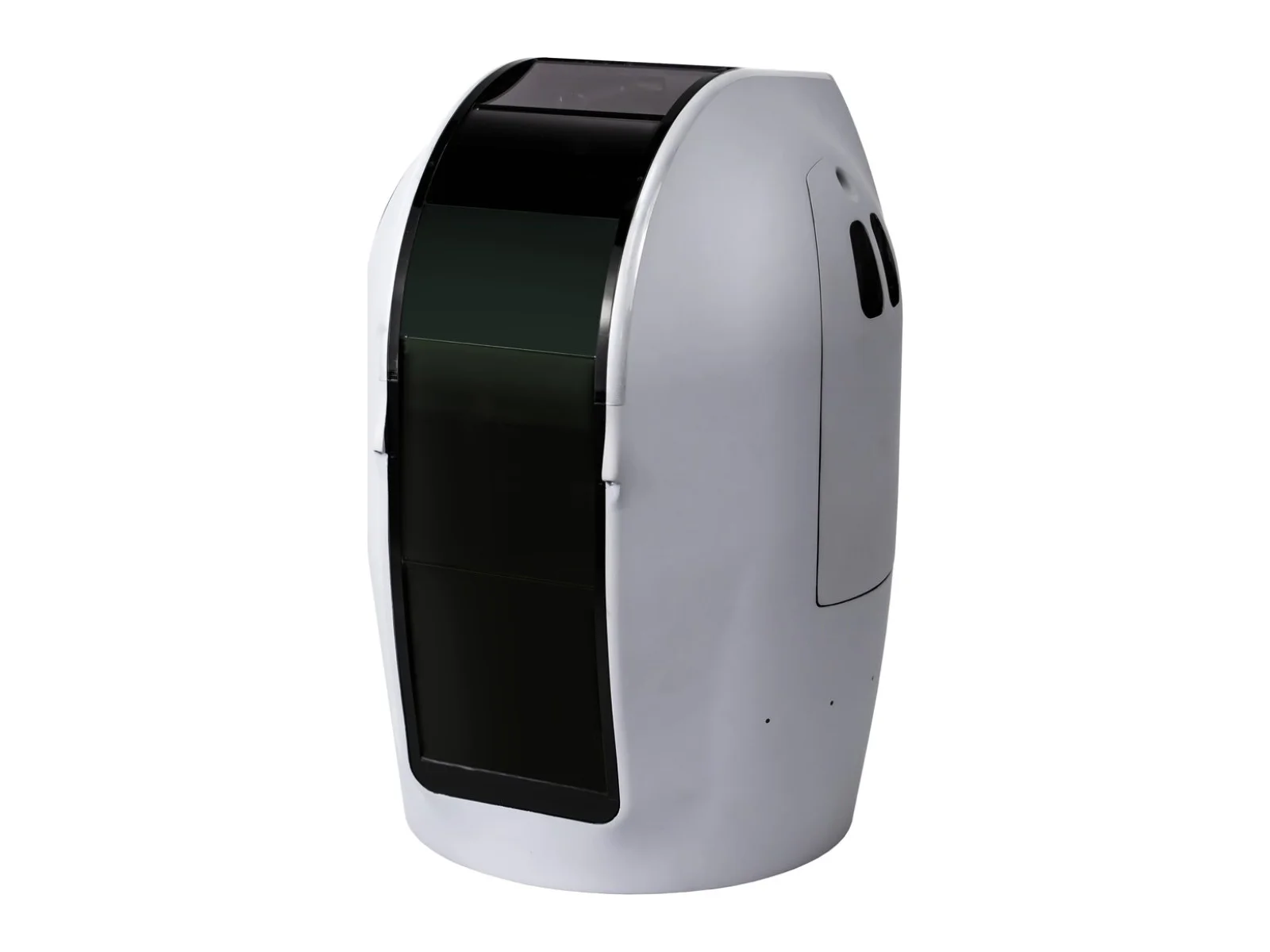
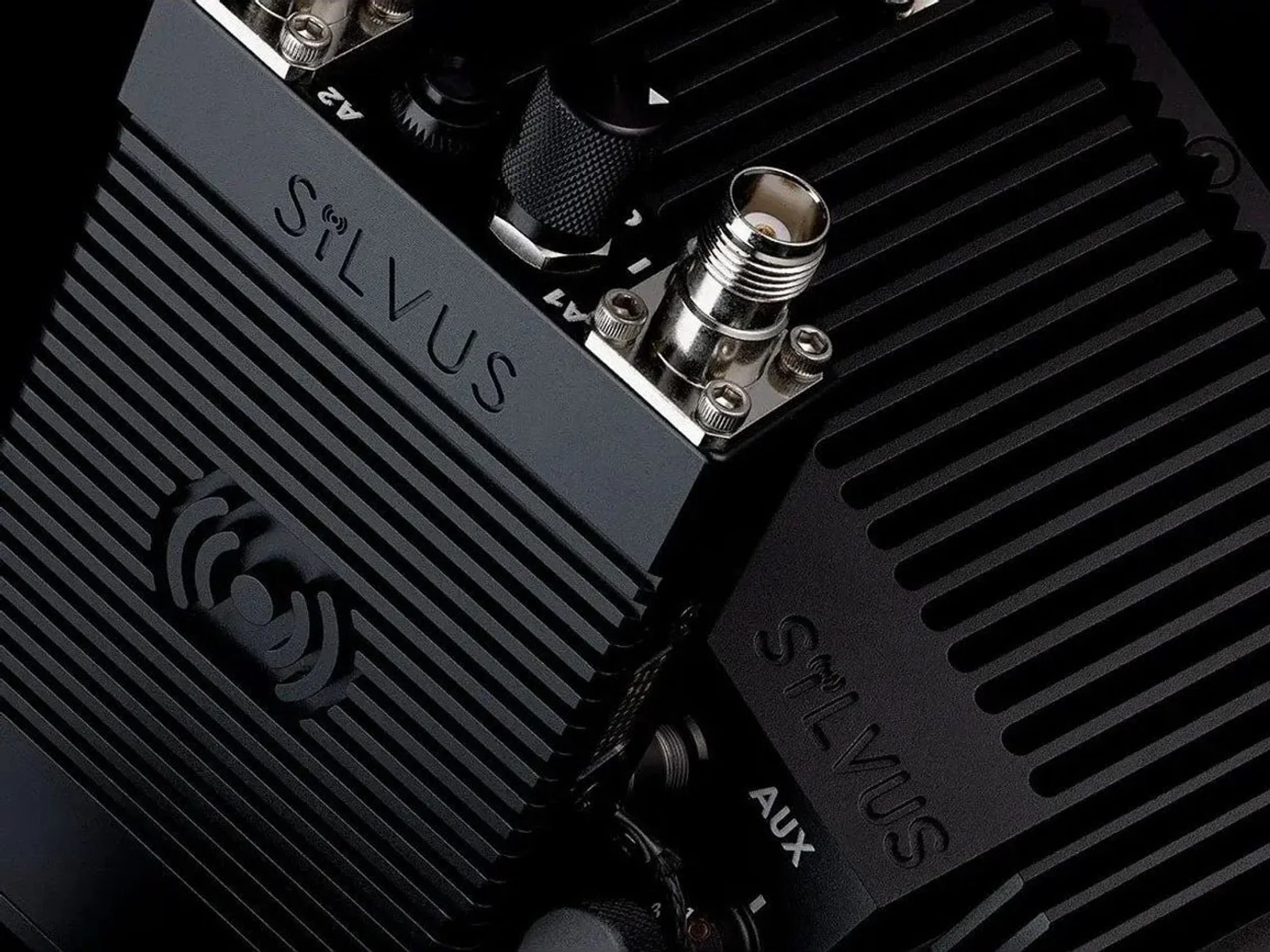
A controlled reception pattern antenna is an active array, typically of 4 to 7 elements in a compact pattern, connected to a processing unit and then to the GNSS receiver. Satellite signals reach the elements with known geometry, while a jammer arrives from one direction with a different phase relation. The processor combines the element signals by adaptive beamforming and null steering, so that the gain falls strongly toward the jammer and stays on the satellites. Modern designs add time or frequency processing (space-time or space-frequency) to handle several or wideband interferers.
The same spatial processing also helps against spoofing and multipath, because counterfeit signals commonly come from one direction.
For drones and eVTOL aircraft the benefit is continued navigation in contested or noisy RF areas; the cost is size, weight, power and cost, and the need for several RF channels. Small drones typically use a single antenna, while larger aircraft with space for an array use CRPAs.
On a datasheet, protection is described as the number of elements, the number of simultaneous nulls, the jammer-to-signal ratio (J/S in dB) that can be tolerated, the supported bands, and the added latency. Exact figures are often restricted.
A frequent mistake is comparing J/S values without the conditions: the number of jammers, their bandwidth and whether the figure is at the receiver input or the antenna. Also, a CRPA does not replace an inertial sensor; the navigation solution still needs a fallback when satellites are lost.