NAL Technologies supplies the receiver, the ALTM Micro-D, which comes with the VN-210E and a one-year Iridium development licence. Integration guidance and software tools complete the package, and engineers use it to try out navigation aided from low orbit. For specific programs, the company will also configure the same aiding on request in its larger Tactical Series models: the VN-210, the VN-310 and the dual-antenna VN-310E.
Iridium’s Satellite Time & Location service adds a measurement beside the inertial and GNSS inputs. VectorNav reports tests in which position error stays near 50 m CEP with GNSS denied, while the inertial solution keeps delivering uninterrupted velocity, attitude and position.
The VN-210E combines a tightly coupled extended Kalman filter with four serial ports that operate independently. Low-orbit measurements can join GNSS, M-Code and camera-based navigation inside that filter, so integrators shape the mix around each program or operating scenario.






Andrew Greer, who heads business development as senior director, describes inertial as the foundation and low-orbit data as added resilience. If any single input degrades or is denied, he says, blending independent sources keeps the solution stable. The company’s next steps are tighter hardware integration, lower SWaP-C and easier deployment in production programs.
Why it matters
Iridium operates 66 active, cross-linked satellites at roughly 780 km, while the medium-orbit GNSS constellations sit around 20,000 km up. According to VectorNav, Iridium transmissions arrive at the surface with up to 1,000 times the strength of GPS, which helps against jamming, attenuation and obstruction.
For uncrewed aircraft and other platforms working in contested areas, the kit places a second, independent radio source inside the navigation filter. Alternative PNT efforts rely on the inertial unit to bridge the gaps between external fixes, and each additional kind of fix narrows the situations in which the filter has nothing to correct against.
The release extends VectorNav’s work with NAL Technologies. The 50 m CEP figure comes from testing, not from a production specification.
Source: VectorNav newsroom
Was this article useful?
Thanks for your feedback. You can change your answer at any time.
Latest news
Latest news
Companies in this article
 Sensors · 3
Products in this article
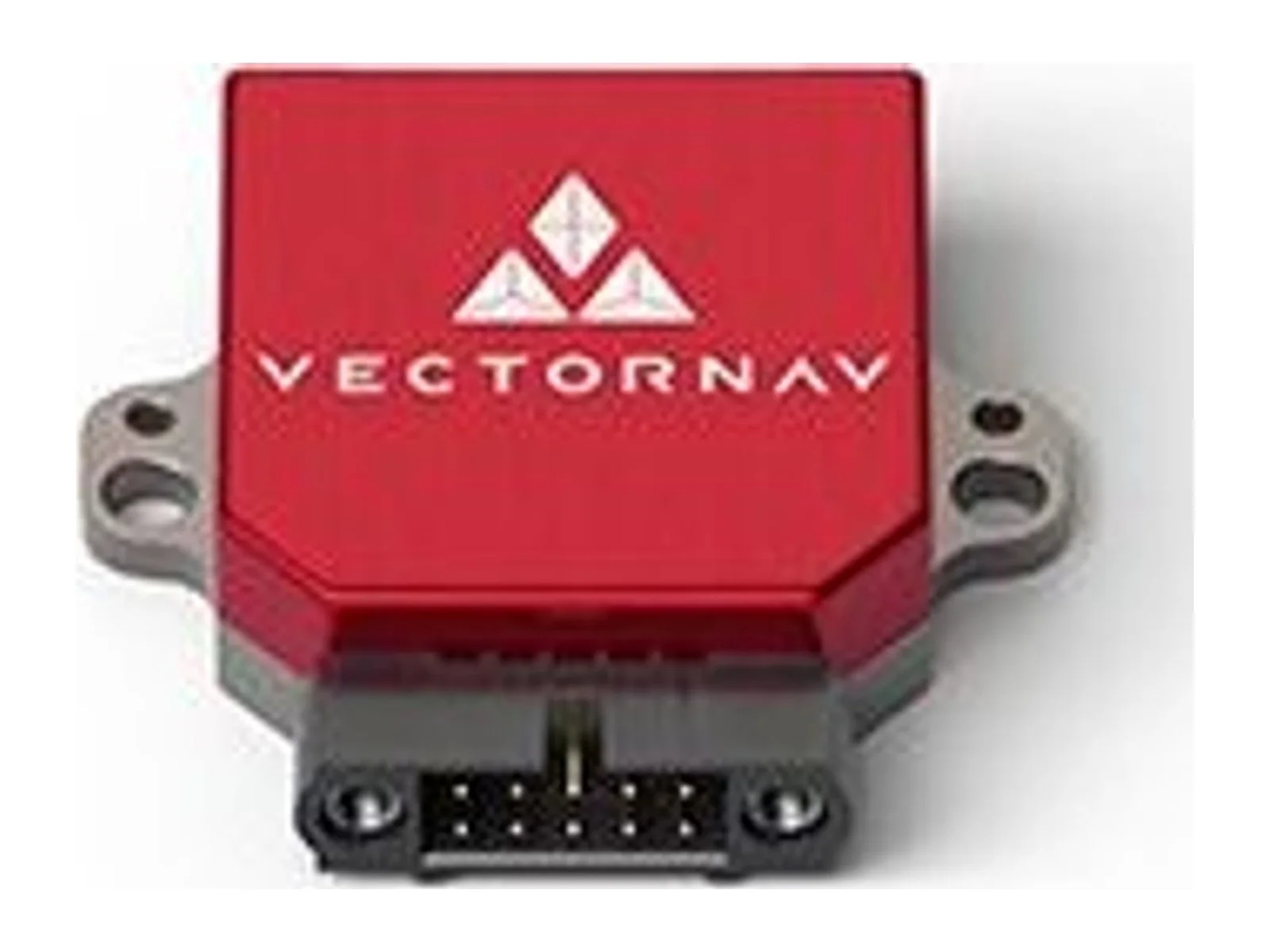 FeaturedIMUs
VN-100 Rugged inertial measurement and attitude sensor
- Gyro bias instability
- 5 °/h
- Sensor technology
- MEMS
- Output rate
- 800 Hz
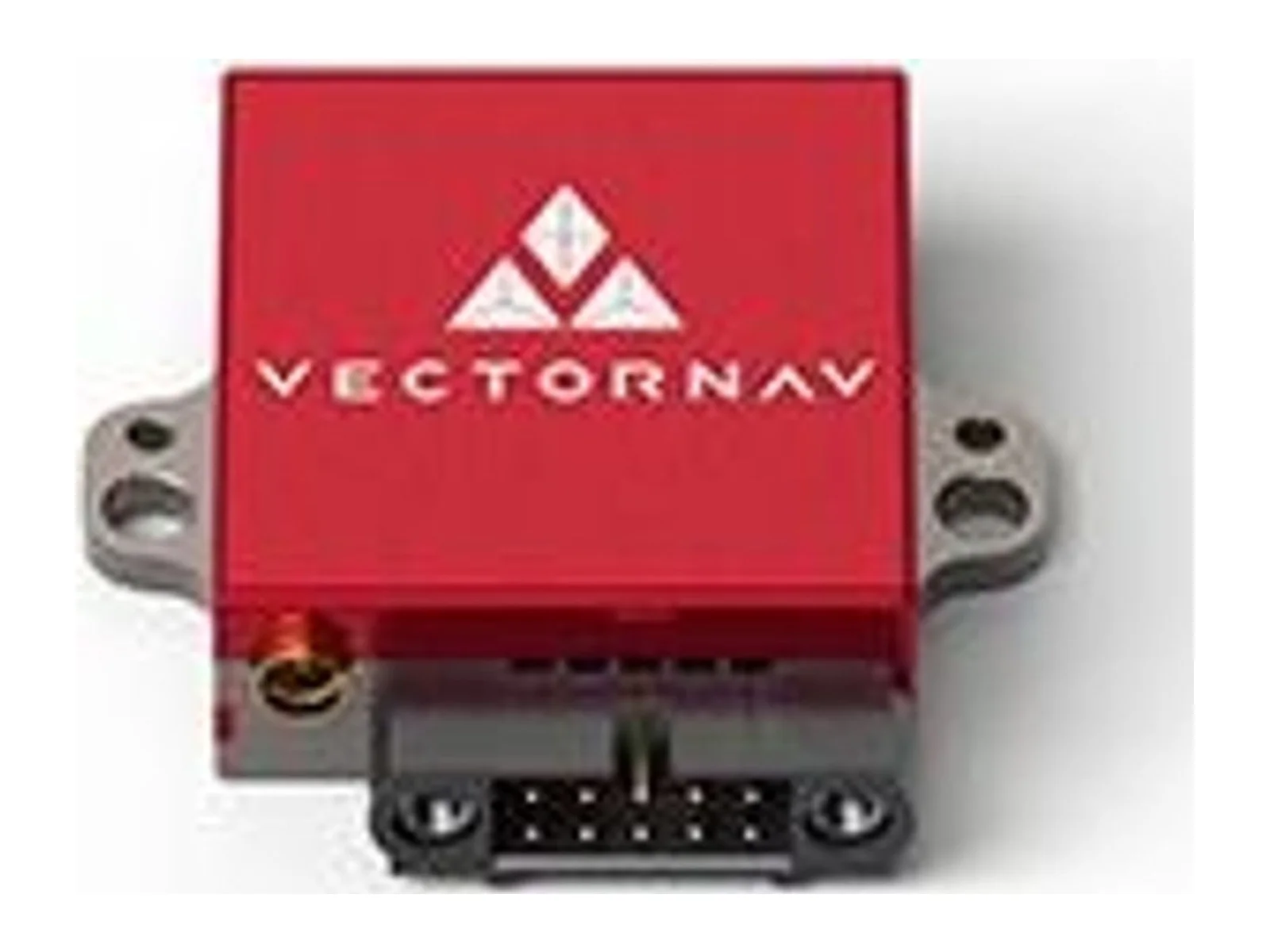 FeaturedIMUs
VN-200 Rugged GNSS-aided inertial navigation sensor
- Gyro bias instability
- 5 °/h
- Sensor technology
- MEMS
- Output rate
- 800 Hz
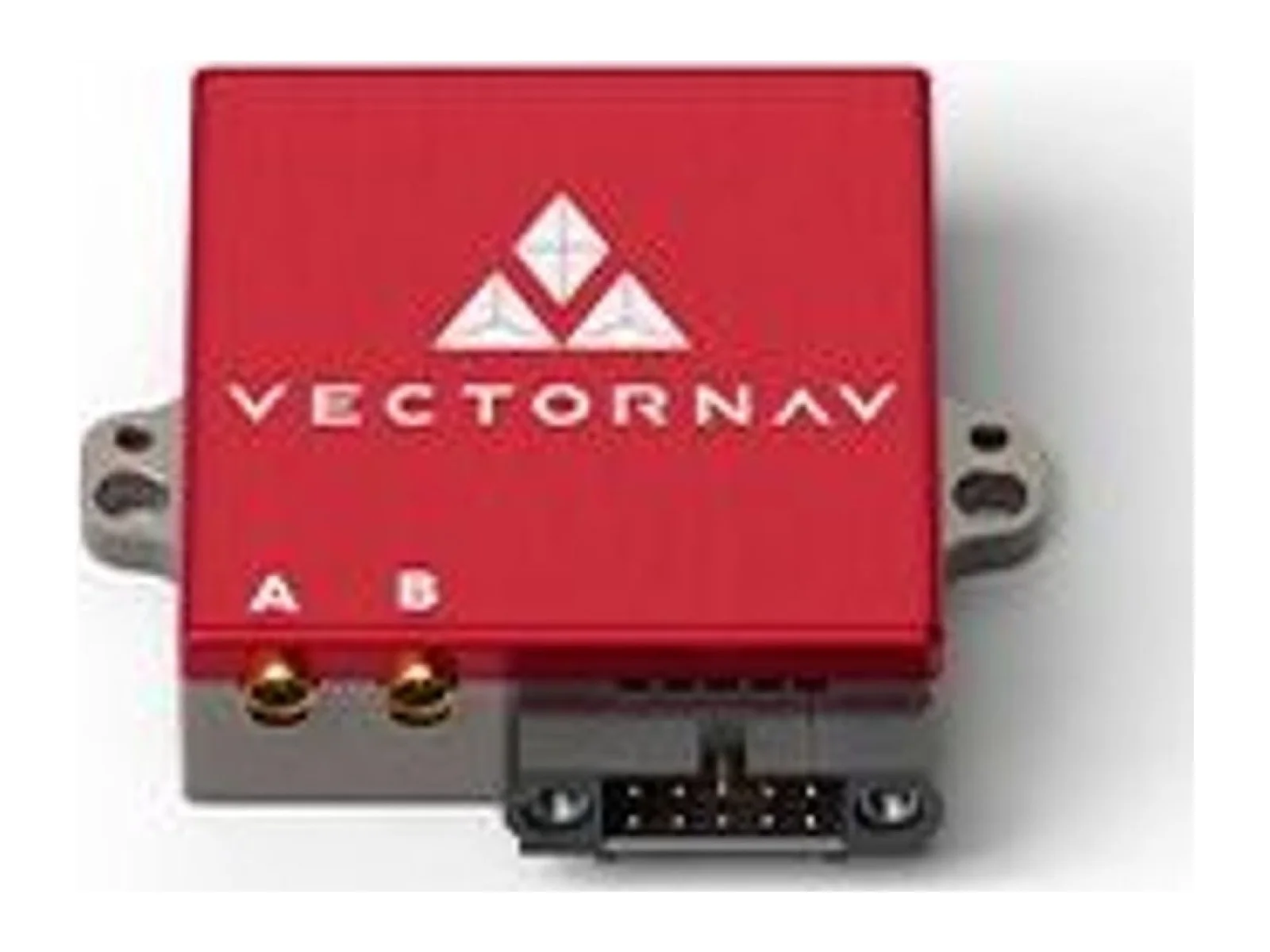 FeaturedIMUs
VN-300 Rugged dual-antenna GNSS inertial navigation sensor
- Gyro bias instability
- 5 °/h
- Sensor technology
- MEMS
- Output rate
- 400 Hz
Related articles
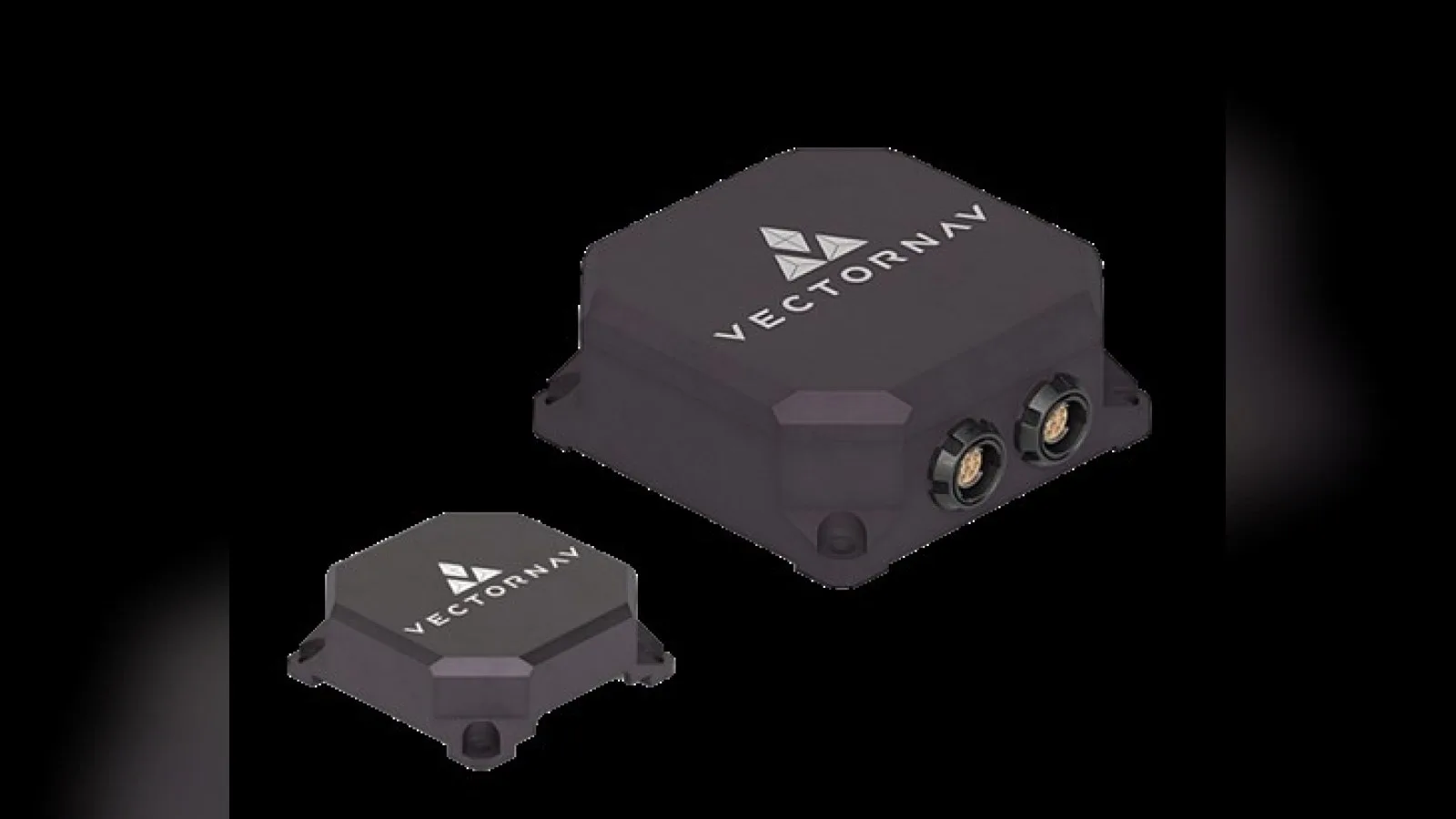
VectorNav adds higher measurement ranges to tactical sensors
VectorNav Technologies raises the measurement limits of its Tactical Series IMUs and inertial navigation systems to 95 g and 250 g for accelerometers and 4,000 °/s for gyroscopes. Programs for interceptors, missiles and hypersonic…

Shield to acquire MESA radar maker Echodyne for $5.3 billion
Shield agrees to buy Echodyne, the Kirkland-based radar maker, in a deal valued at $5.3 billion. The purchase brings software-defined MESA radars, used in counter-UAS systems and for UAS detect-and-avoid, into Shield's Mission Systems…

Ouster Firmware 3.2 adds on-sensor 3D zones and synced IMU
Ouster releases Firmware 3.2 for its lidar sensors, adding on-sensor 3D zone monitoring, optical window blockage detection and time-synchronized IMU data. The update shifts occupancy logic and motion compensation from the host computer to…
MESA radar maker Echodyne to join Shield in $5.3bn deal
Shield has agreed to buy Echodyne, the Washington-based maker of MESA radars for counter-UAS and airspace sensing, for $5.3bn. Echodyne's radars stay available as standalone products, and the deal adds production capacity for the sensor…