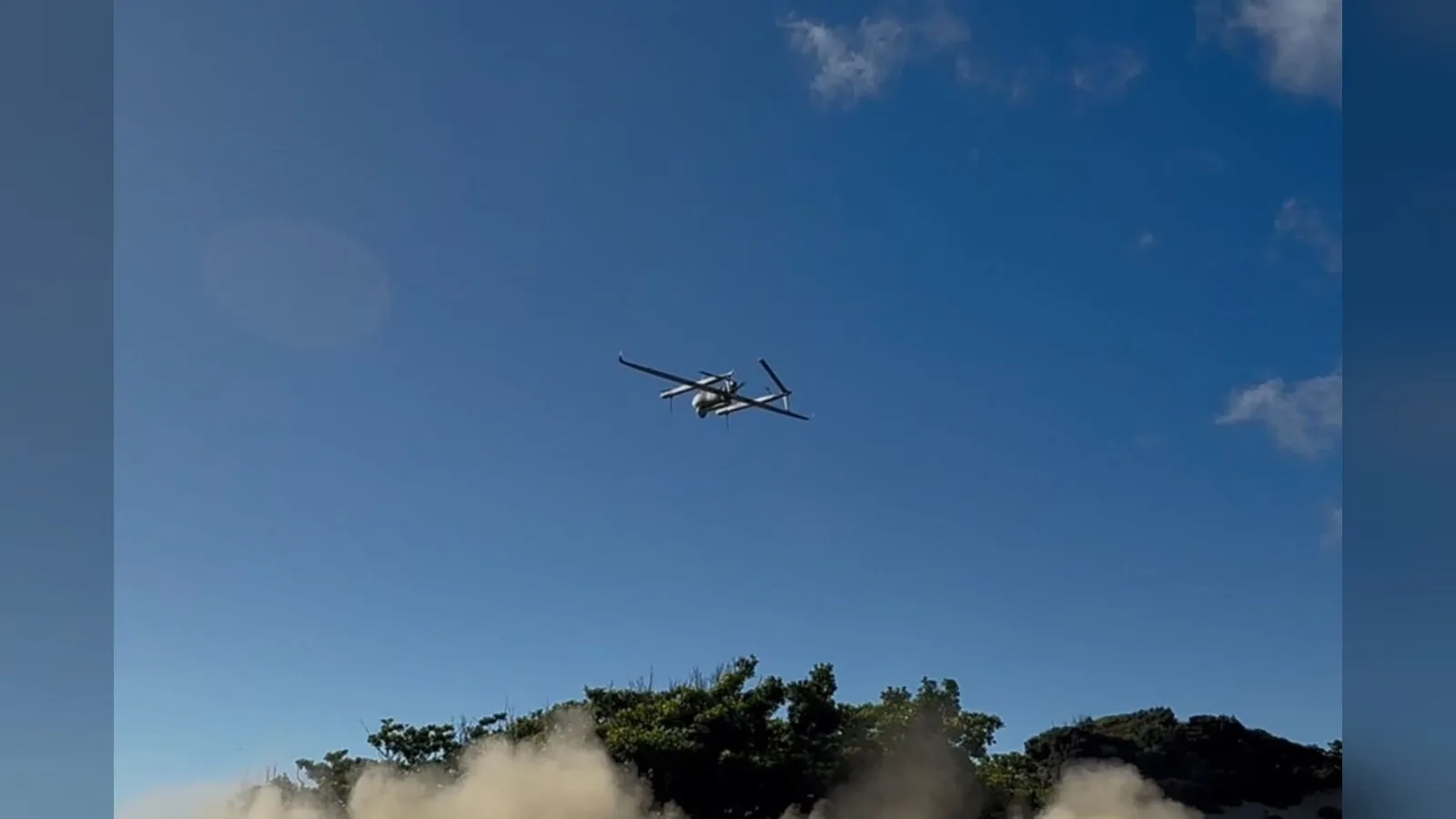
The operation took place within the Taiwan Army’s annual exercise cycle, as a live-fire mission rather than a laboratory trial. Against simulated maritime targets, the Aerosonde flew ahead of the helicopter and held a forward overwatch position. The HD80 supplied operators with steady electro-optical imagery and the laser for a precise engagement.
Trillium describes the engagement as a sequence. An IMSAR NSP-3 SAR/GMTI radar on the Aerosonde detected targets at distance through the marine layer. The HD80 was then cross-queued to those detections, identified the targets in detail and tracked them. It lit the chosen target with its laser, and the Apache engaged it. Because the uncrewed aircraft did the sensing and designation, the Apache crew stayed farther away until it fired.
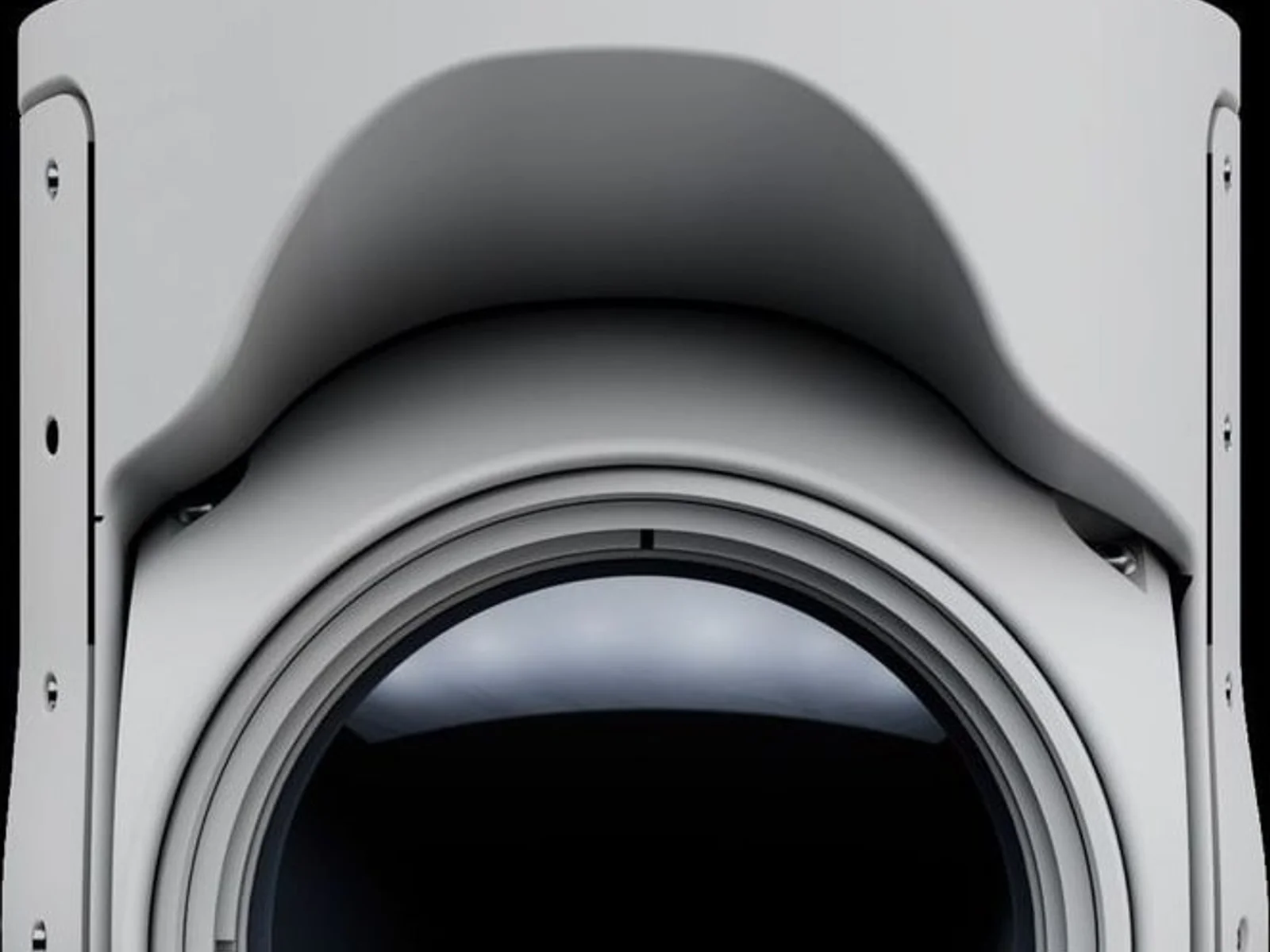
The payload integrates stabilized multi-sensor imaging, laser designation, rangefinding and pointing. According to the company, operators go from watching and identifying to tracking, ranging and designating without switching systems.






Why it matters
Manned-unmanned teaming pairs crewed and uncrewed aircraft. An uncrewed aircraft flying out in front of crewed platforms can deliver persistent intelligence, surveillance, reconnaissance and targeting, which improves situational awareness and exposes aircrews to less risk. The Taiwan exercise puts that concept into a sensor-to-shooter chain in which the uncrewed aircraft is the forward node.
Maritime and littoral areas are where this matters most, Trillium says, as the work there is demanding: large operating areas have to be watched and several platforms coordinated. Radar detection through the marine layer, followed by optical identification and designation, covers the steps that precede an engagement.
Trillium sees the HD80 as confirmed in demanding ISR-T and designation roles on an established UAS. It cites its ongoing work with Textron Systems, whose Aerosonde carried the payload, and the wide use of its gimbals there.
The company adds that, in its view, uncrewed aircraft extend mission reach, shorten target acquisition and speed coordination between crewed and uncrewed assets.
Source: Trillium Engineering newsroom
Was this article useful?
Thanks for your feedback. You can change your answer at any time.
Latest news
Latest news
Companies in this article
 Payload · 3
Products in this article
 FeaturedGimbals
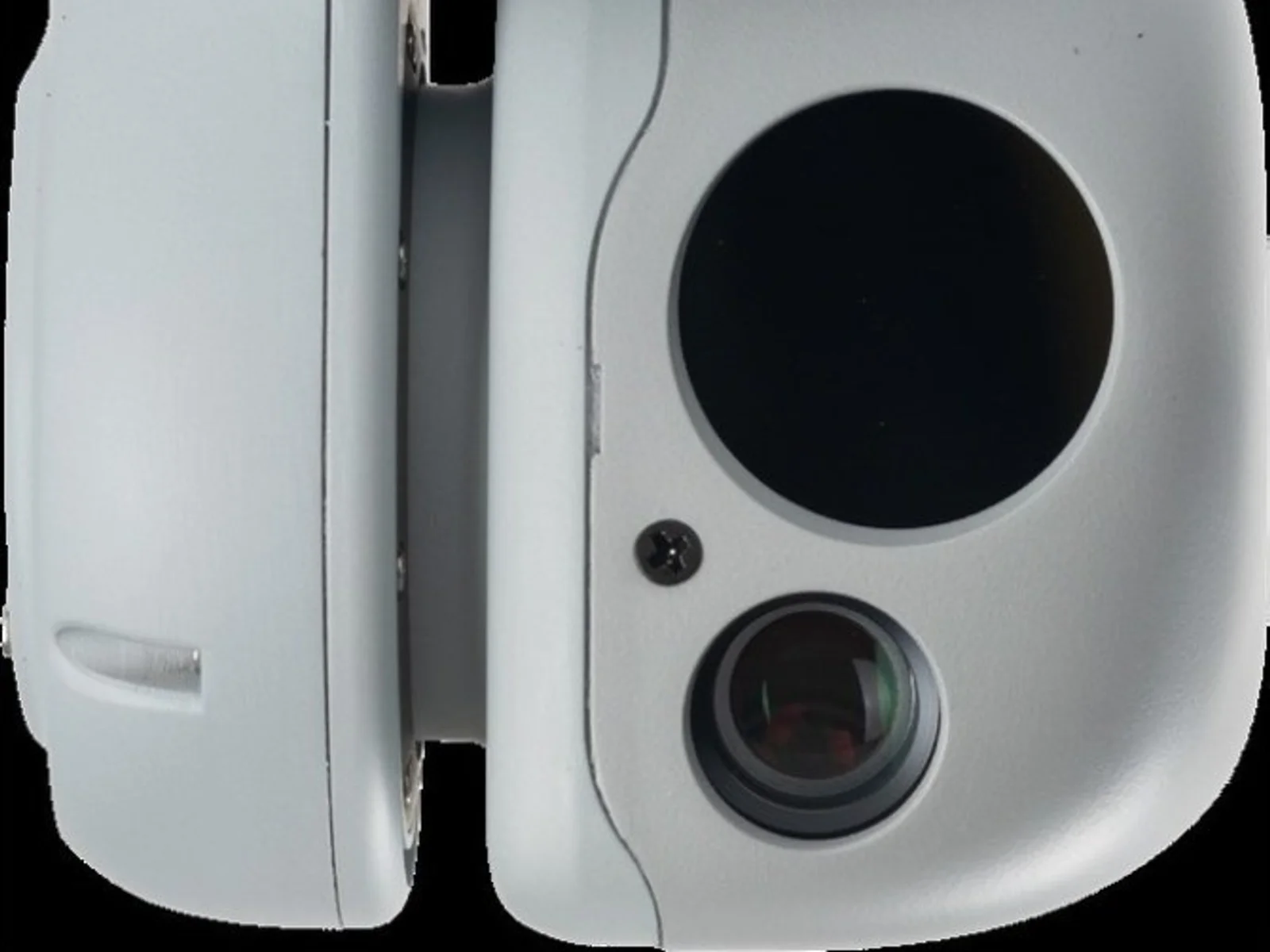
HD80 stabilized camera or payload mount
- Grade
- Professional
- Market
- Dual-use
- Availability
- In production
 FeaturedGimbals
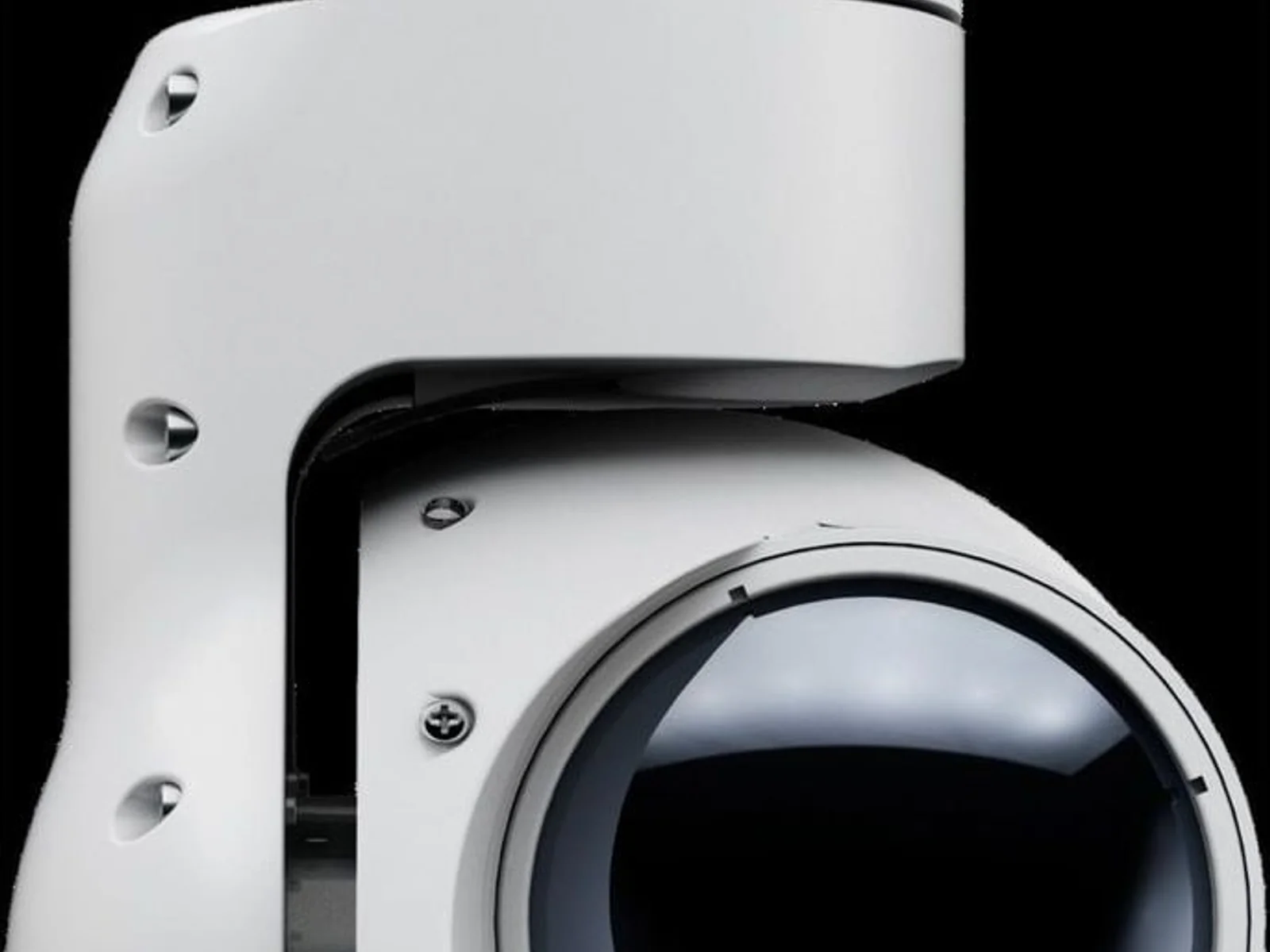
HD25 stabilized camera or payload mount
- Grade
- Professional
- Market
- Dual-use
- Availability
- In production
 FeaturedGimbals
HD45 stabilized camera or payload mount
- Grade
- Professional
- Market
- Dual-use
- Availability
- In production
Related articles
Trillium adds lower-cost MWIR HD59 gimbals for tactical UAS
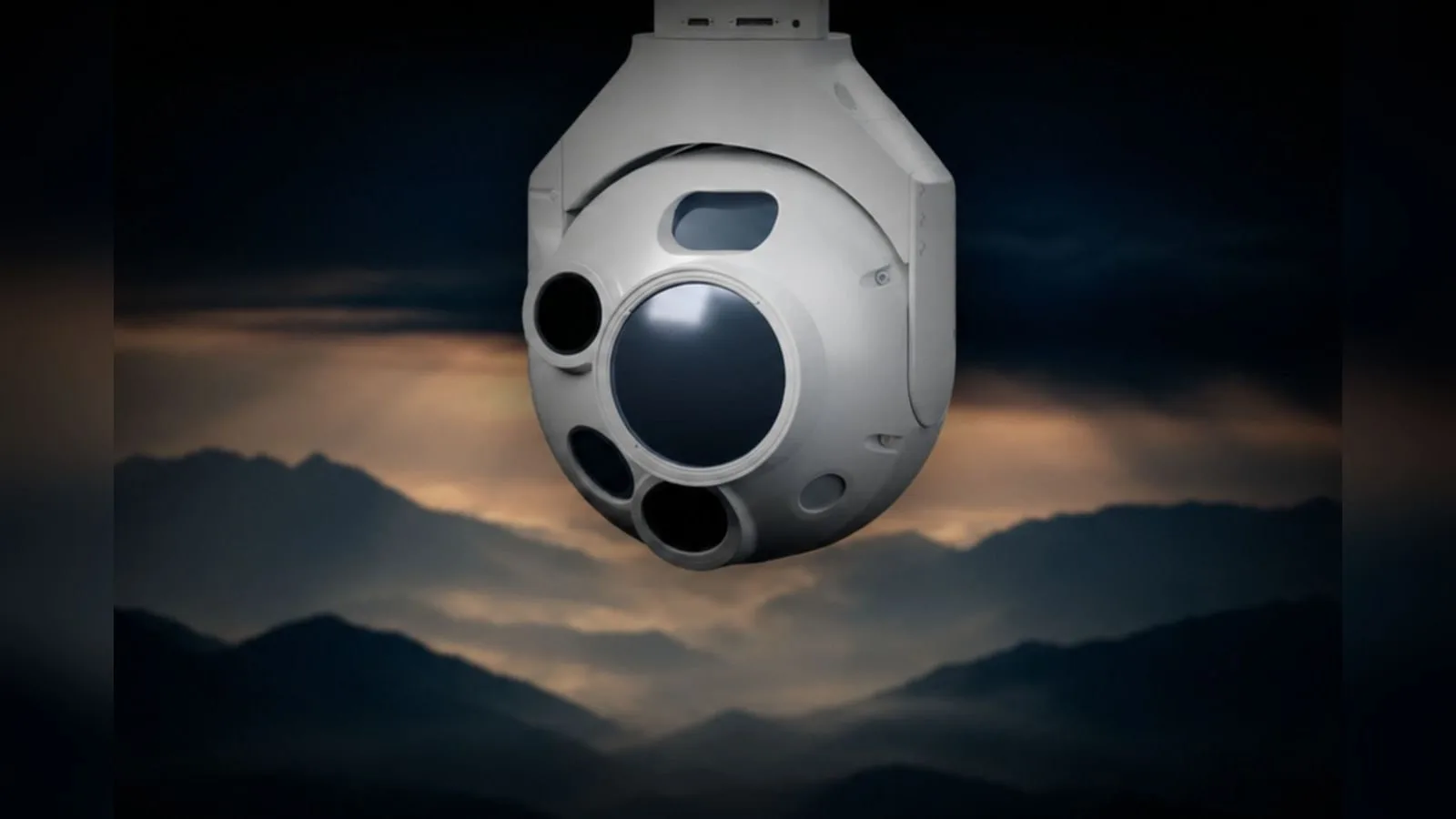
For tactical UAS, two new HD59 variants from Trillium Engineering, the HD59-MVV-C and the HD59-MLVV-C, pair MWIR imaging with a built-in laser rangefinder and laser pointer. Trillium puts system cost more than 30 percent below traditional…

Trillium adopts semantic numbering with software 3.1
Trillium Engineering switches its gimbal software from calendar versioning to the X.Y.Z semantic scheme, beginning with release 3.1. The change lets customers judge the scope of each update from its number.
Ouster L3 chip powers REV7 lidar lineup with OSDome
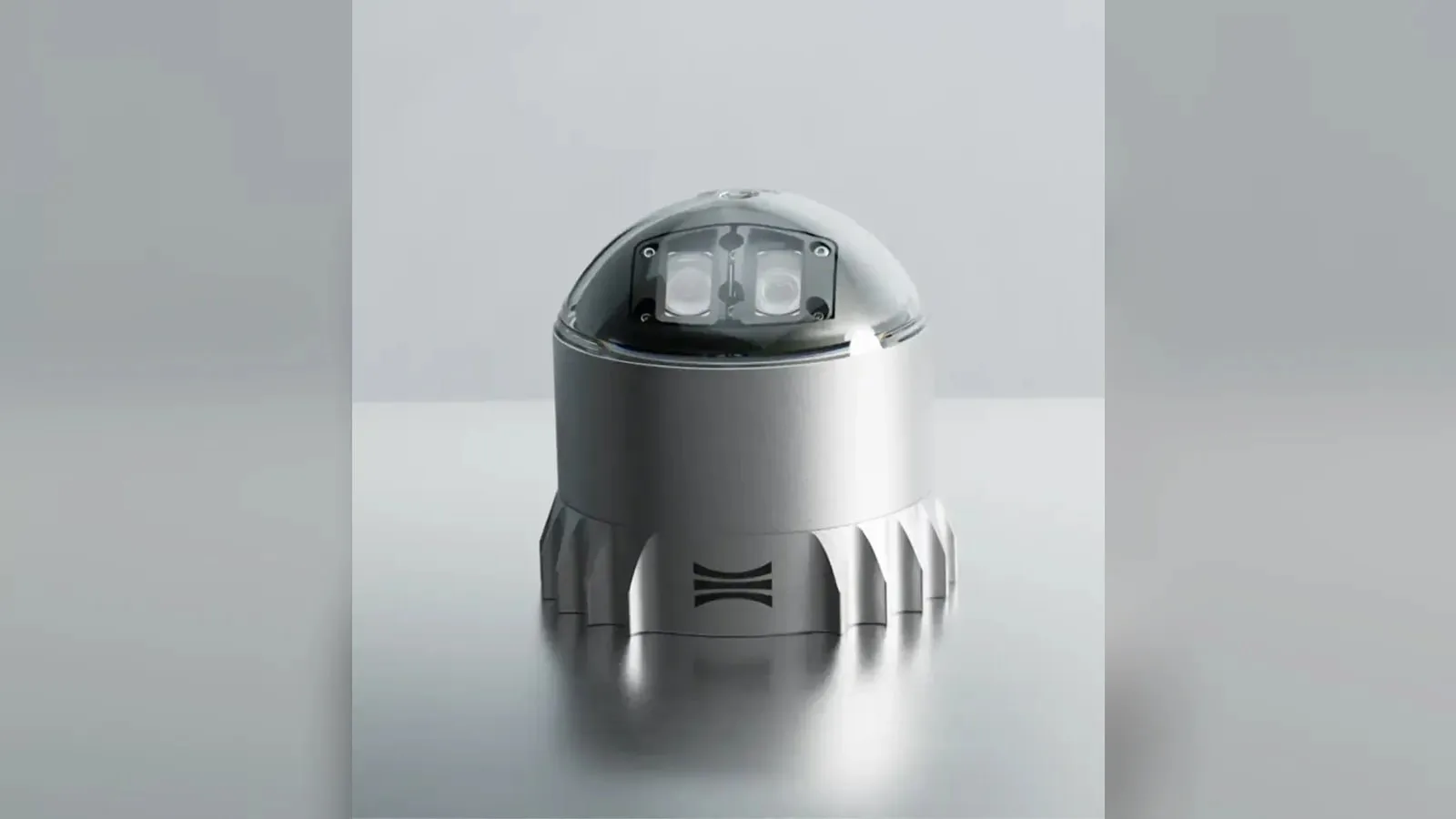
Ouster's REV7 lidar family, built on the L3 digital chip, spans the OS0, OS1 and OS2 plus the new 180° hemispherical OSDome. Ouster claims higher range and finer precision with no change in sensor size or weight.

Gremsy and NINANO sign MoU on EO/IR payload integration
Gremsy has signed a memorandum of understanding with South Korean UAV manufacturer NINANO to explore integrating Gremsy's EO/IR camera payloads into NINANO's unmanned platforms. The agreement sets a framework for technical collaboration…