
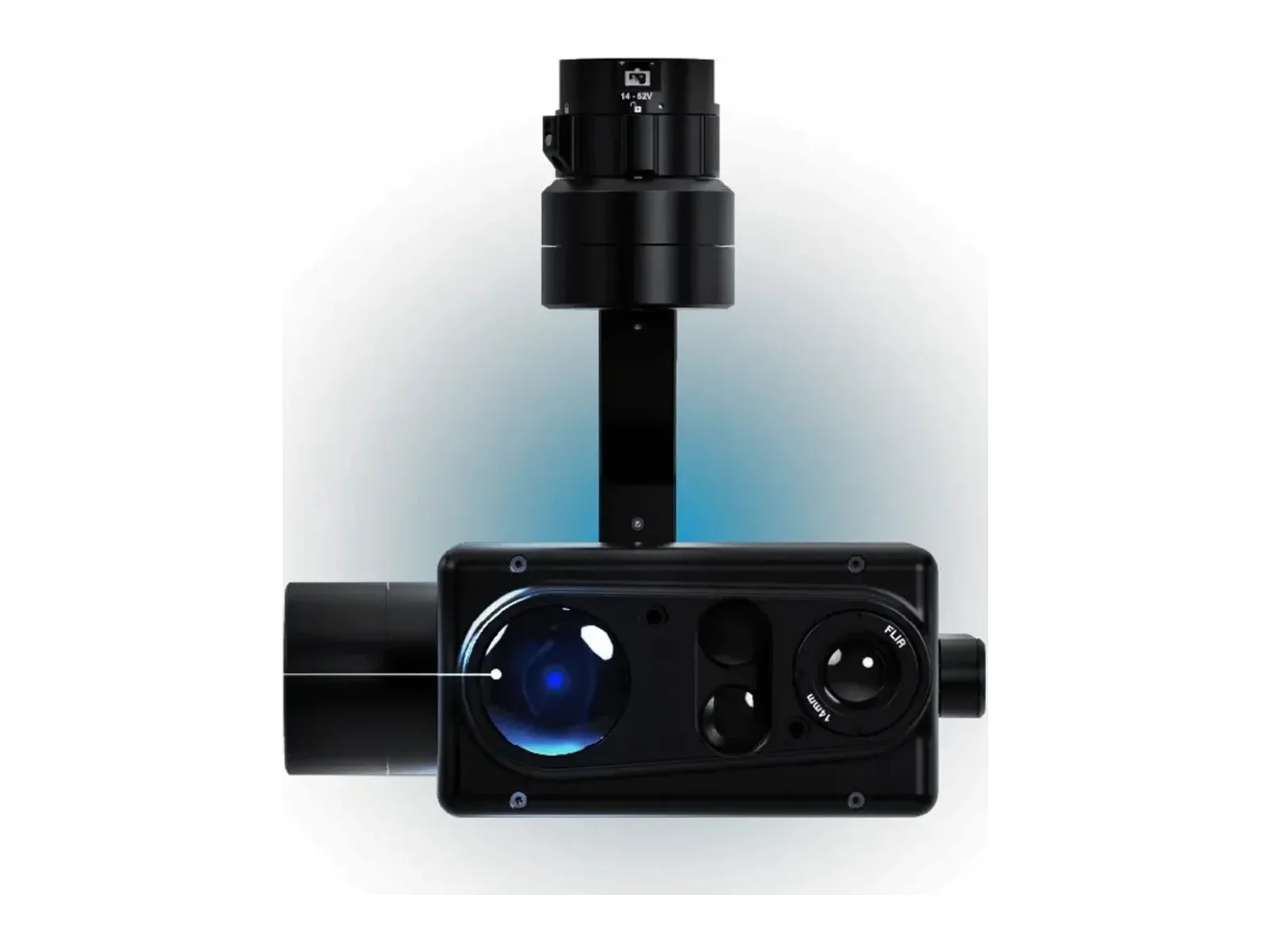
The HD59-MVV-C combines a 26x zoom MWIR camera with dual visible cameras reaching 180x zoom. The HD59-MLVV-C adds a 2x zoom LWIR channel to that set, and its output can be set to raw USB video. The LWIR channel gives this version a second thermal band next to the MWIR camera. Both integrate the laser rangefinder (LRF) and laser pointer (LP) and expand the HD59 family.
Trillium builds the pair around Long-Range Reconnaissance (LRR) requirements. Tracking and geolocation help operators find, follow and locate targets on intelligence, surveillance and reconnaissance (ISR) missions. Both work with the company’s Intelligence Stack software features. Revised optics and the sensor combinations give platform manufacturers more ways to meet imaging requirements within budget.
Matt Carreon, Trillium’s senior vice president of business development, links the design to customer feedback: buyers asked for better long-range identification at a price below what MWIR normally commands.






Each configuration weighs under 2 kg, has an IP65 rating and targets mid-sized UAS platforms. Trillium keeps the HD59 hardware and software architecture, which it says simplifies integration and cuts the time to field the system.
Why it matters
Trillium Engineering, based in Hood River, Oregon, builds stabilized gimbals for uncrewed aircraft. Its directory range includes the HD25, the HD45, a continuous-zoom LWIR gimbal built for Advanced Group 2 systems, and the HD80, offered in MWIR and SWIR configurations. Trillium lists the HD45 and HD80 at TRL 9 for military and commercial use, with non-controlled ITAR-free configurations. The HD80 appears in coverage of a Taiwan teaming exercise, and the company’s software 3.1 release introduced semantic numbering.
The new variants place MWIR, dual visible imaging and laser ranging in one stabilized unit under 2 kg. The 30 percent figure is Trillium’s own comparison with traditional gimbaled MWIR solutions. Integrators already using HD59 hardware and software retain the same architecture.
Comparable EO/IR payloads in the directory include Hood Technology’s ALTICAM 11 multi-sensor imaging gimbal and Gremsy’s VIO F1 camera payload with zoom, thermal and laser rangefinder.

Source: Trillium Engineering: Trillium Engineering Introduces Cost-Efficient HD59 Gimbals for…
Was this article useful?
Thanks for your feedback. You can change your answer at any time.
Latest news
Latest news
Companies in this article
 Payload · 3
Products in this article
 FeaturedGimbals
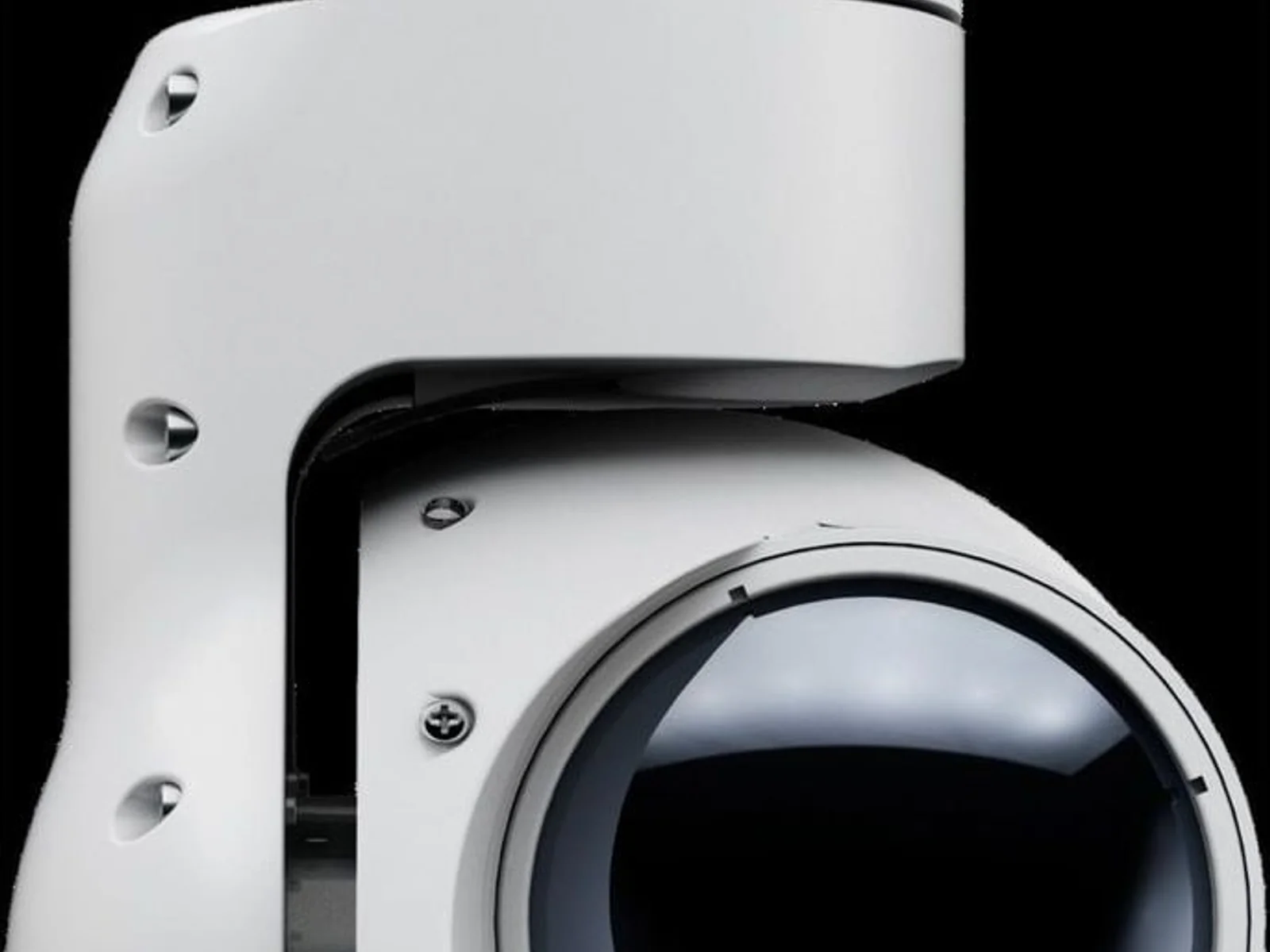
HD45 stabilized camera or payload mount
- Grade
- Professional
- Market
- Dual-use
- Availability
- In production
 FeaturedGimbals
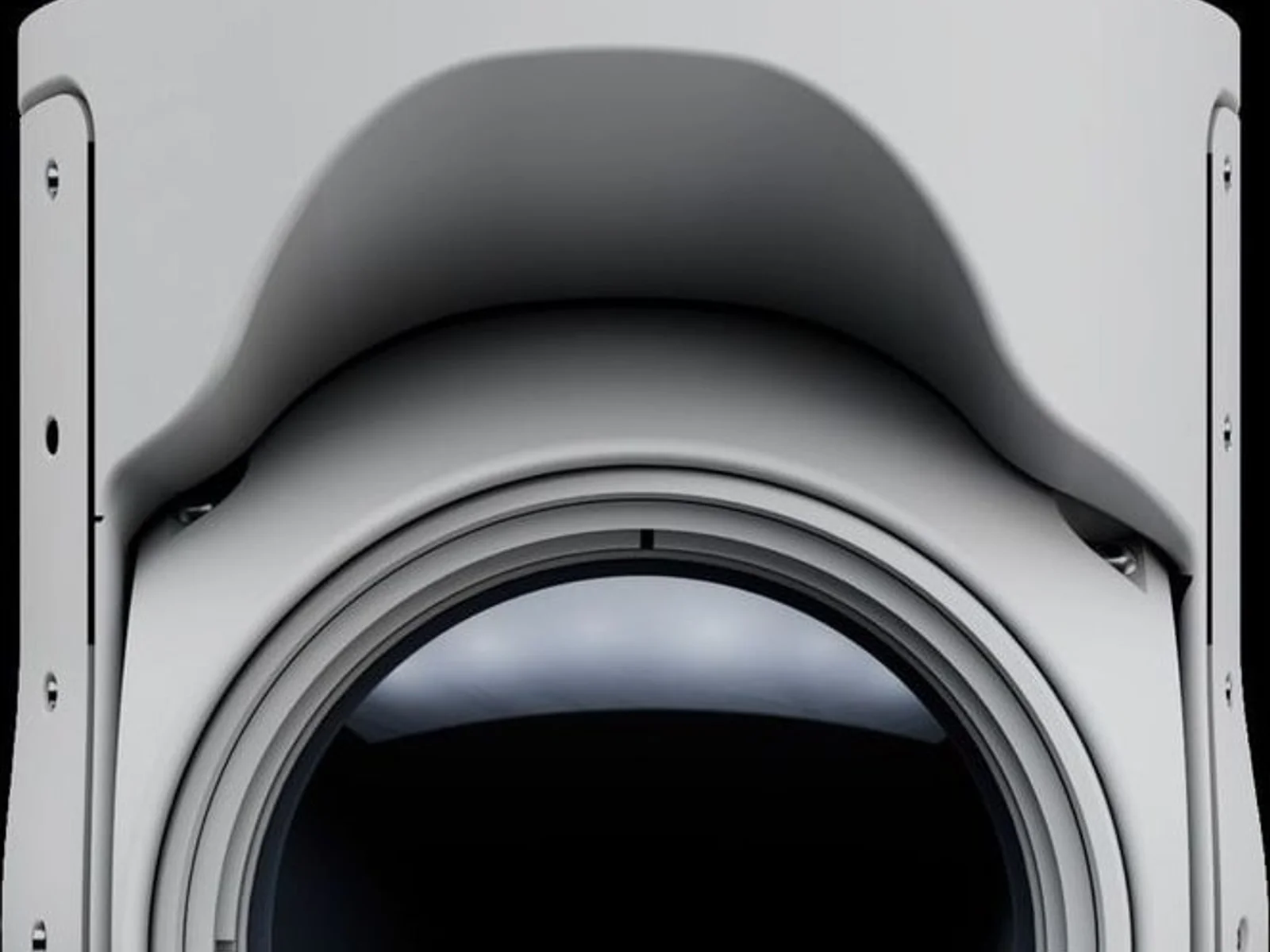
HD80 stabilized camera or payload mount
- Grade
- Professional
- Market
- Dual-use
- Availability
- In production
 FeaturedGimbals
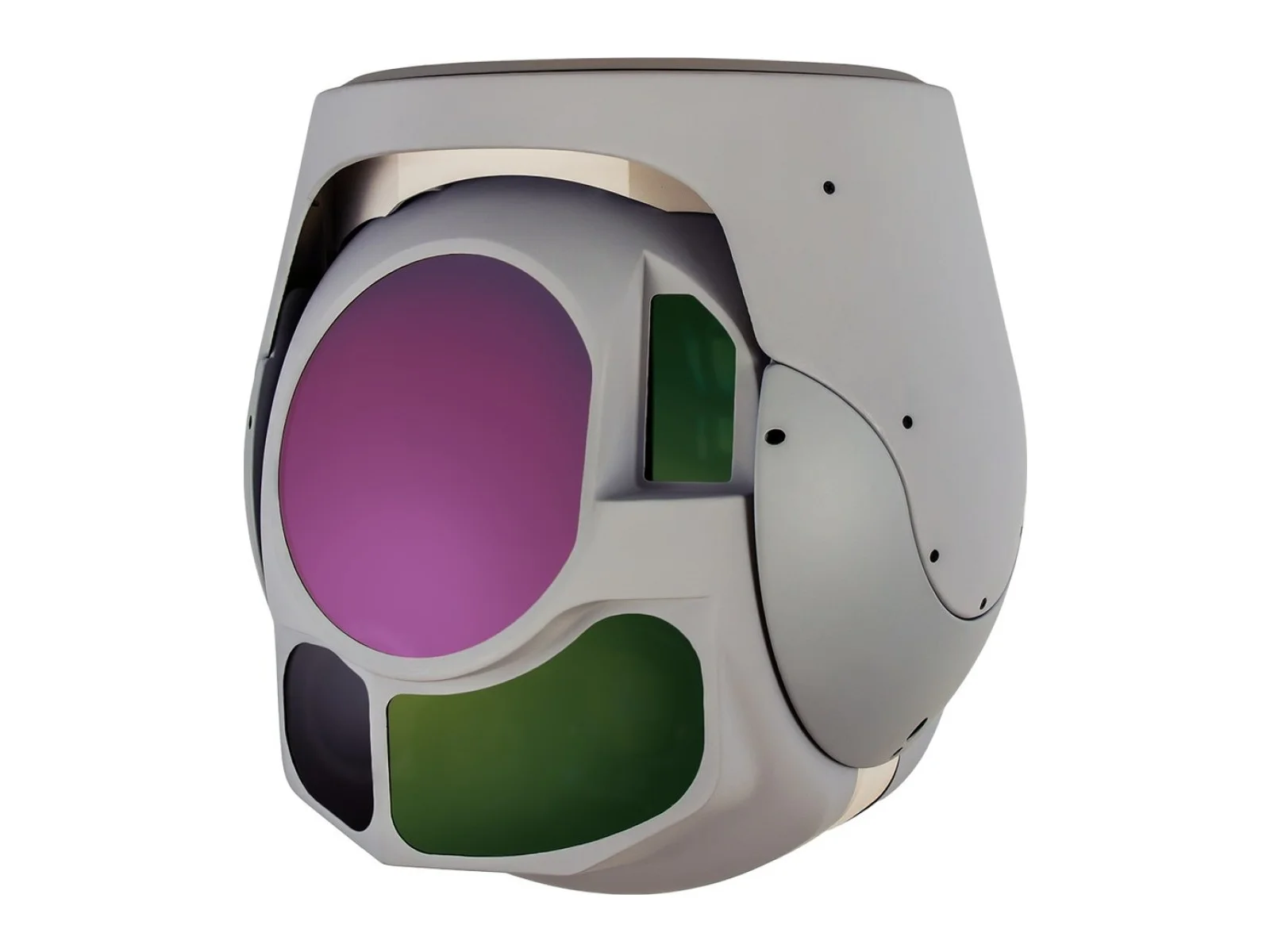
ALTICAM 11 stabilized multi-sensor imaging-gimbal family
- Turret diameter
- 254 mm
- Grade
- Professional
- Market
- Dual-use
 FeaturedCameras
VIO F1 EO/IR camera payload with 4K zoom camera, radiometric thermal camera and laser rangefinder
- Field of view
- 32 °
- Thermal sensitivity NETD
- 50 mK
- Grade
- Professional
Related articles

Trillium reports HD80 use in Taiwan teaming exercise
Trillium Engineering says its HD80-MLVS-LD-LRF-LP gimbal flew on a Textron Systems Aerosonde UAS during a Taiwan Army first: a manned-unmanned teaming (MUM-T) operation that worked. The Aerosonde teamed with an AH-64E Apache in the Divine…

Trillium adopts semantic numbering with software 3.1
Trillium Engineering switches its gimbal software from calendar versioning to the X.Y.Z semantic scheme, beginning with release 3.1. The change lets customers judge the scope of each update from its number.

Ouster L3 chip powers REV7 lidar lineup with OSDome
Ouster's REV7 lidar family, built on the L3 digital chip, spans the OS0, OS1 and OS2 plus the new 180° hemispherical OSDome. Ouster claims higher range and finer precision with no change in sensor size or weight.

Gremsy and NINANO sign MoU on EO/IR payload integration
Gremsy has signed a memorandum of understanding with South Korean UAV manufacturer NINANO to explore integrating Gremsy's EO/IR camera payloads into NINANO's unmanned platforms. The agreement sets a framework for technical collaboration…