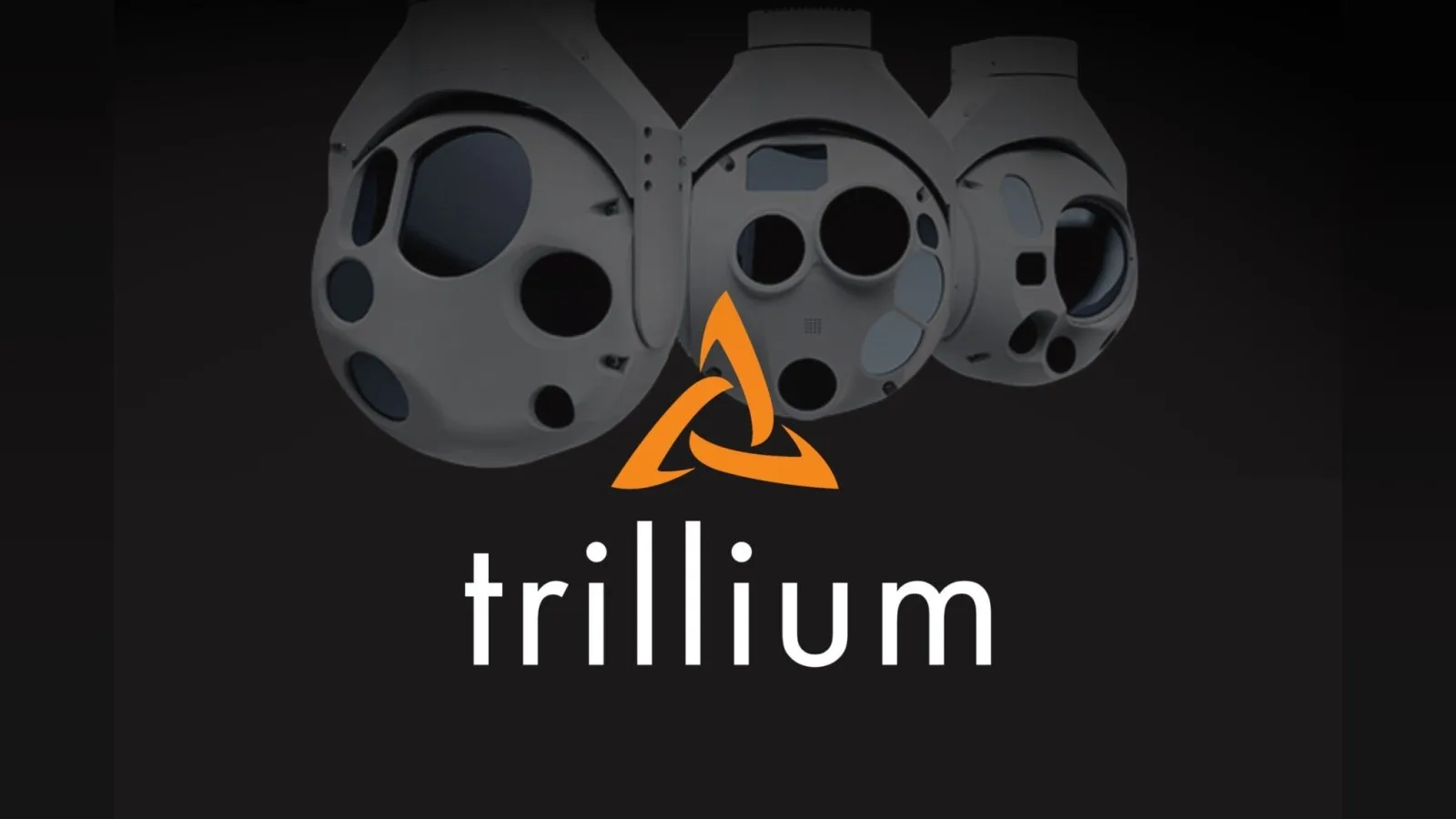
Release 3.1 supersedes software version 26.2. Over the coming weeks, every commercial production gimbal ships with 3.1, and the HD40 family is the first to receive it.
Under the new scheme, the first number marks major releases: architectural shifts or compatibility breaks, API updates among them. The second covers minor releases with new capabilities, performance gains and added features that stay backward compatible. The third is reserved for patches, meaning fault corrections, stability work and low-risk updates.
Trillium says the structure scales better as its software grows and gives customers more visibility of what each release contains. Builds written for individual customers are unaffected: they keep their existing version numbers and remain fully supported, so locked configurations stay stable.




Release 3.1 itself carries five groups of changes. Motion control gets smoother movement, better limit handling and a steadier hold on the target when an aircraft passes overhead. Tracking jitters less, switches modes more smoothly and draws cleaner overlays. Updated colour tuning, white balance, sensor behaviour and contrast enhancement aim at more consistent imagery across EO modes. Reliability fixes target unexpected resets, dropped networks and pipeline crashes, and tighten safety interlocks. Firmware updates, configuration-file handling and parts of the user interface are streamlined to simplify setup and management.
Why it matters
Operators who qualify a gimbal inside a larger aircraft system need to know whether an update touches the interface or only fixes faults. A major number now flags API or architectural shifts, while a minor or patch number signals backward-compatible work, which helps integration teams plan upgrade paths and regression testing.
The locked customer builds matter for the same reason. Programmes that have frozen a software baseline keep it, and the new numbering applies to the general production line.
Trillium directs questions on compatibility, release planning and upgrade paths to its representatives and support team. Access to the full release details and the latest software also goes through them, so customers who want the complete change list contact the company directly.
Source: Trillium Engineering newsroom
Was this article useful?
Thanks for your feedback. You can change your answer at any time.
Latest news
Latest news
Companies in this article
 Payload · 3
Products in this article
 FeaturedGimbals
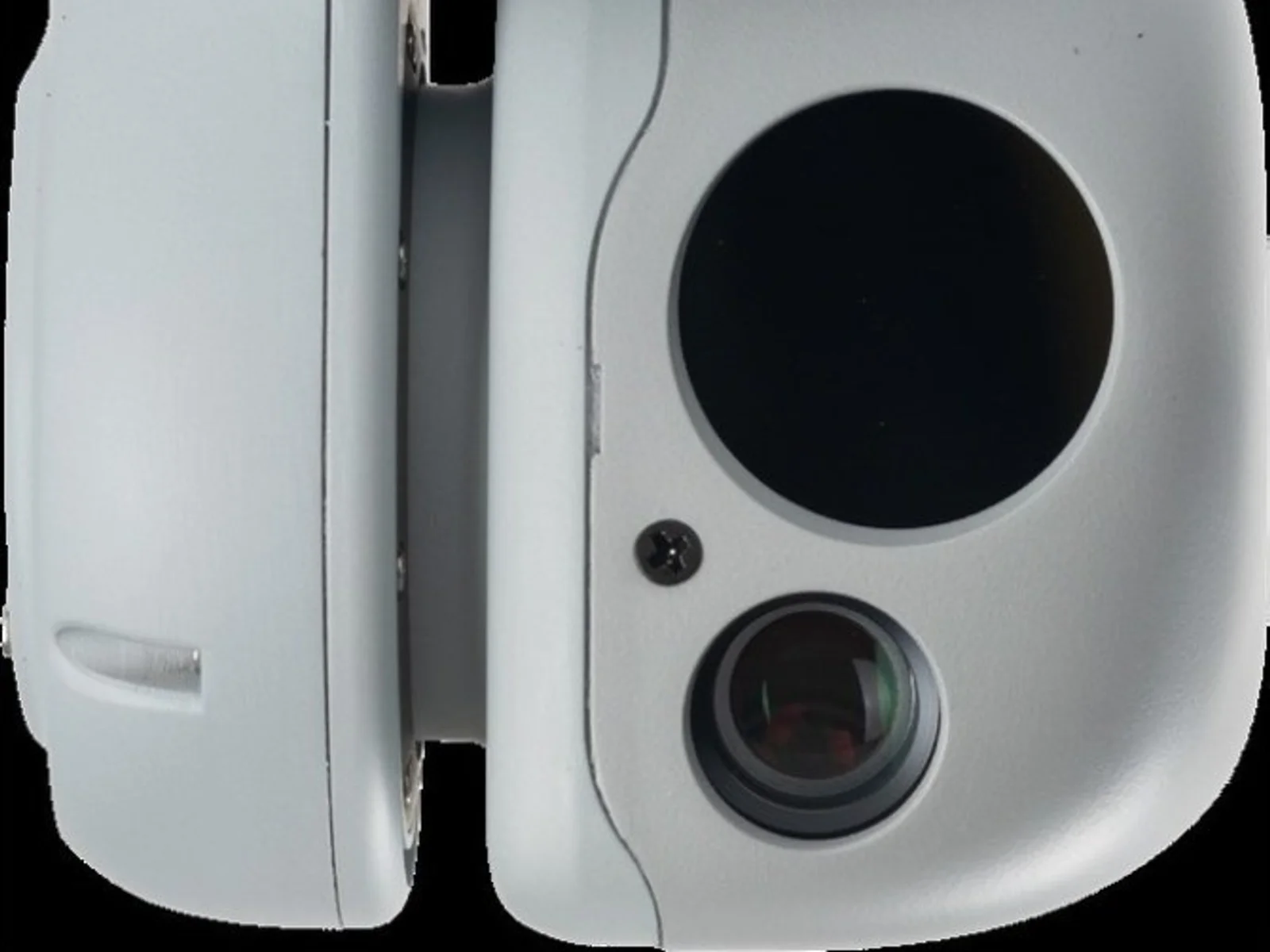
HD25 stabilized camera or payload mount
- Grade
- Professional
- Market
- Dual-use
- Availability
- In production
 FeaturedGimbals
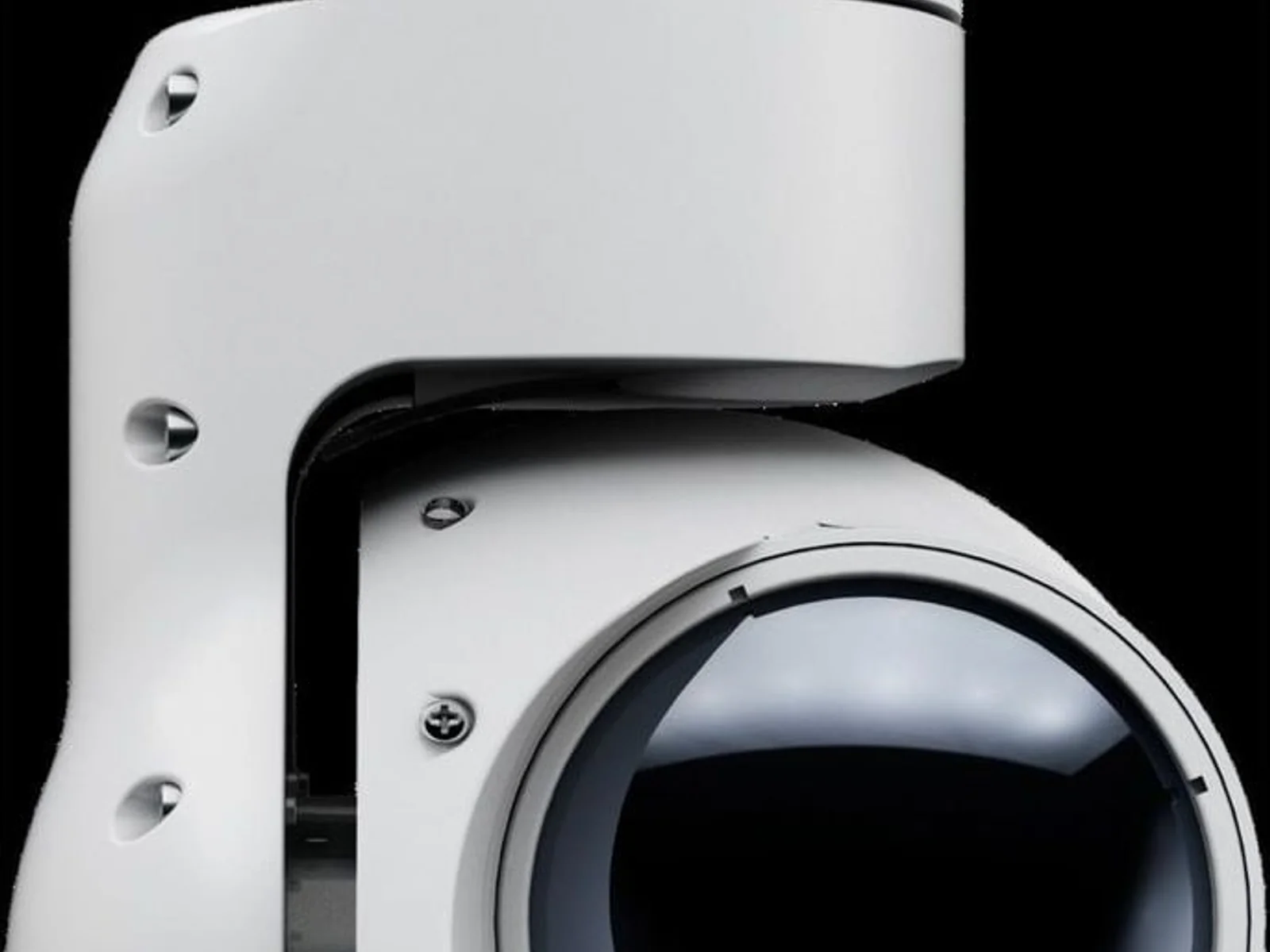
HD45 stabilized camera or payload mount
- Grade
- Professional
- Market
- Dual-use
- Availability
- In production
 FeaturedGimbals
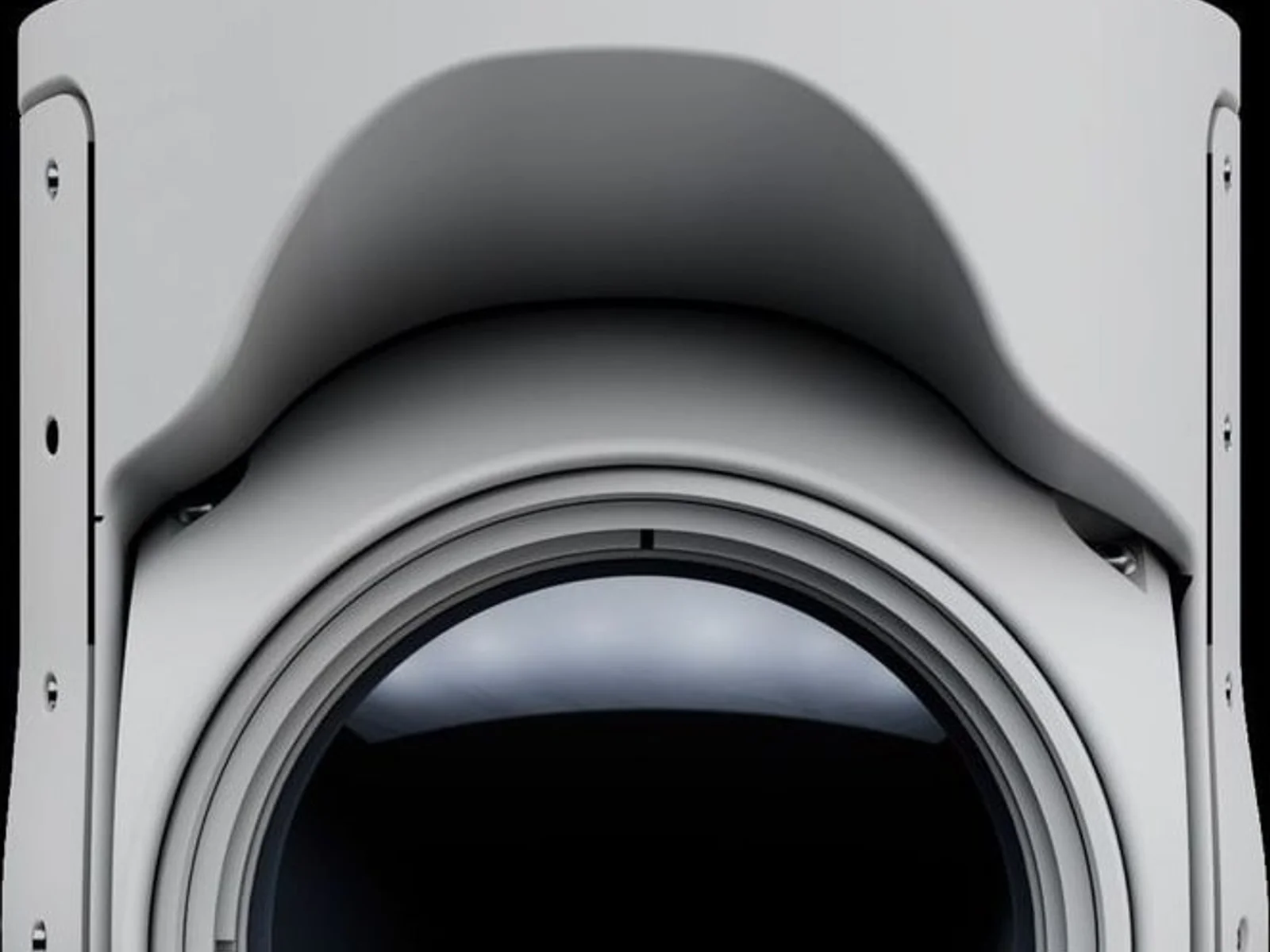
HD80 stabilized camera or payload mount
- Grade
- Professional
- Market
- Dual-use
- Availability
- In production
Related articles
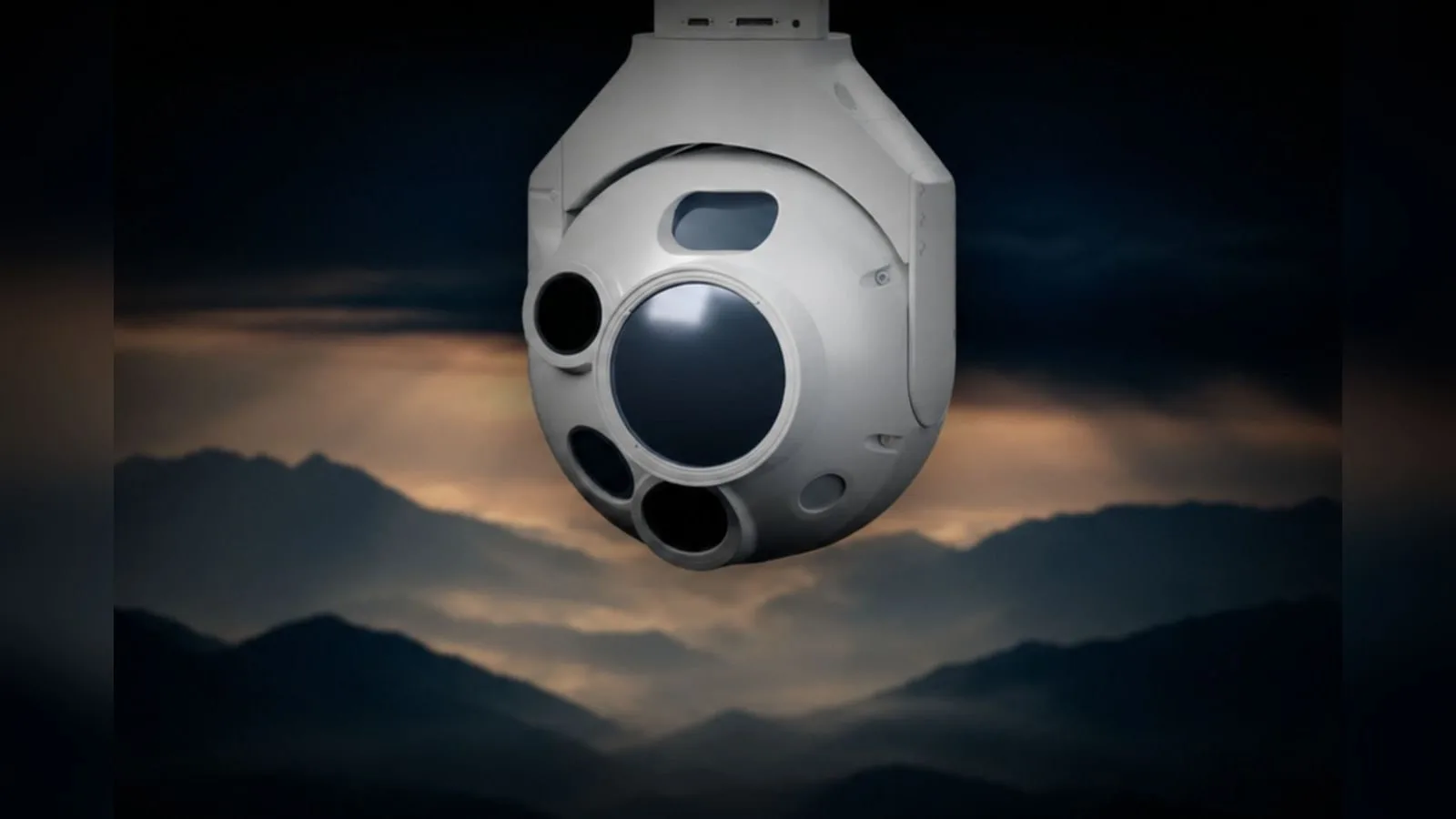
Trillium adds lower-cost MWIR HD59 gimbals for tactical UAS
For tactical UAS, two new HD59 variants from Trillium Engineering, the HD59-MVV-C and the HD59-MLVV-C, pair MWIR imaging with a built-in laser rangefinder and laser pointer. Trillium puts system cost more than 30 percent below traditional…
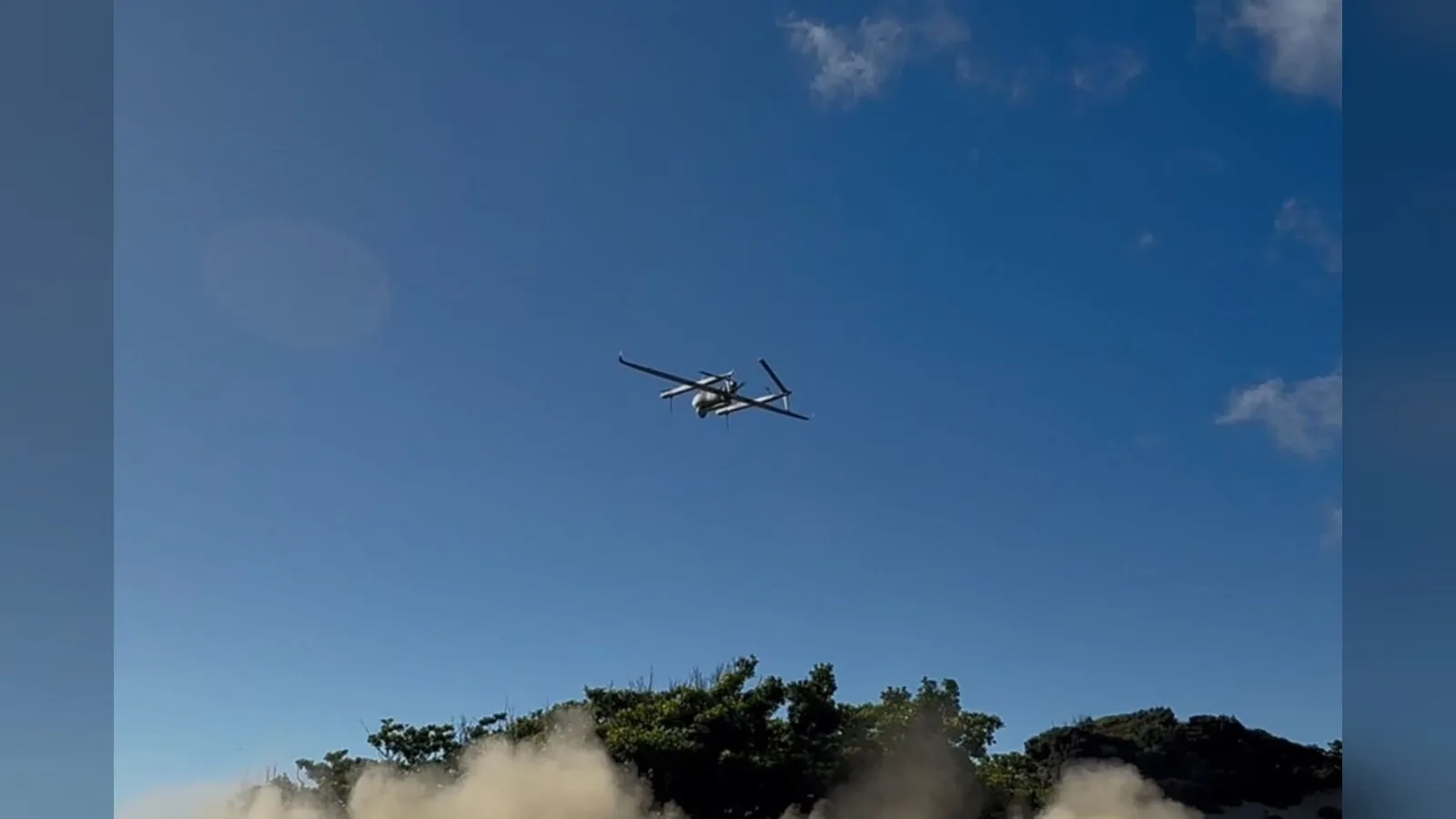
Trillium reports HD80 use in Taiwan teaming exercise
Trillium Engineering says its HD80-MLVS-LD-LRF-LP gimbal flew on a Textron Systems Aerosonde UAS during a Taiwan Army first: a manned-unmanned teaming (MUM-T) operation that worked. The Aerosonde teamed with an AH-64E Apache in the Divine…
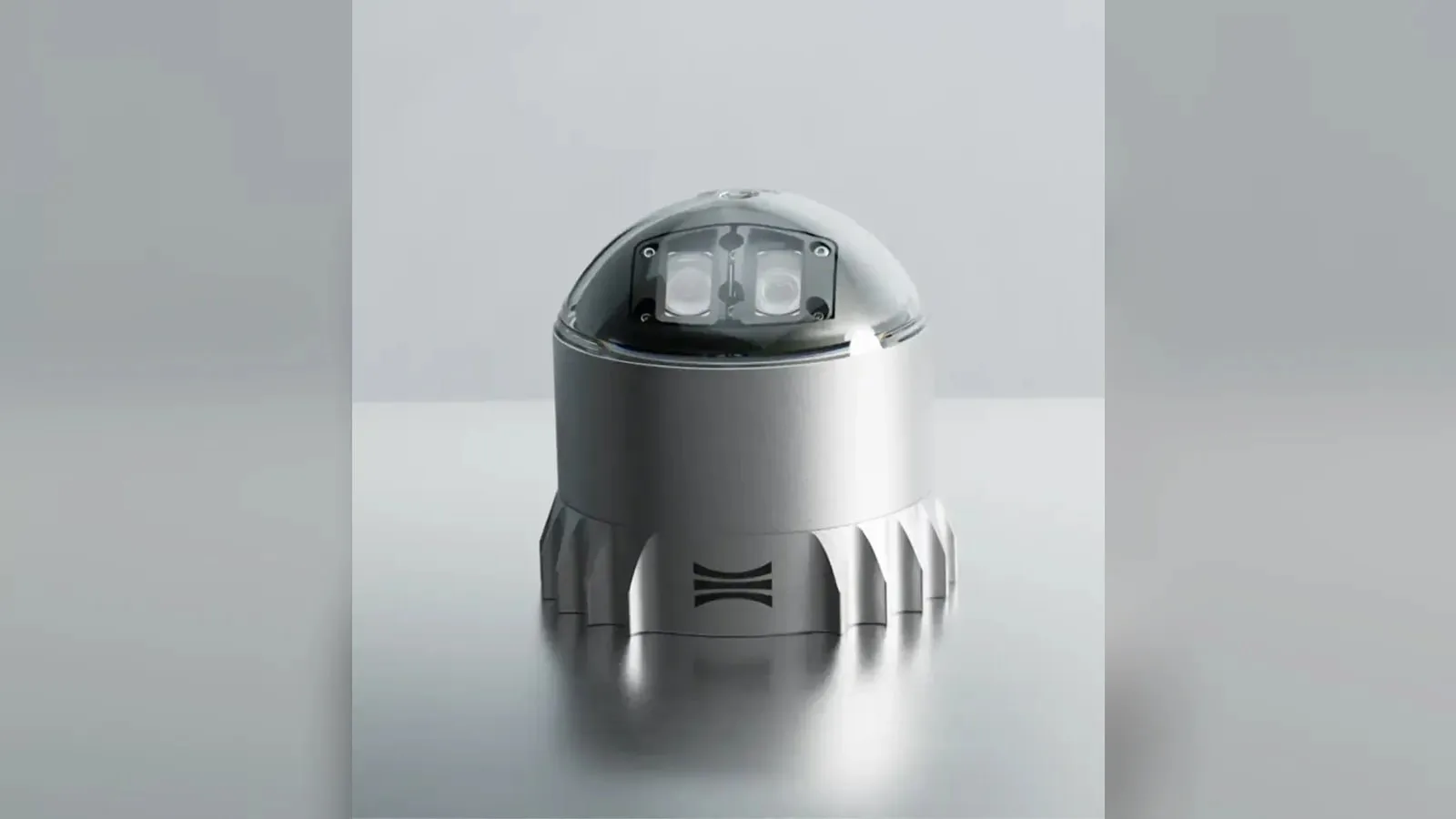
Ouster L3 chip powers REV7 lidar lineup with OSDome
Ouster's REV7 lidar family, built on the L3 digital chip, spans the OS0, OS1 and OS2 plus the new 180° hemispherical OSDome. Ouster claims higher range and finer precision with no change in sensor size or weight.

Gremsy and NINANO sign MoU on EO/IR payload integration
Gremsy has signed a memorandum of understanding with South Korean UAV manufacturer NINANO to explore integrating Gremsy's EO/IR camera payloads into NINANO's unmanned platforms. The agreement sets a framework for technical collaboration…