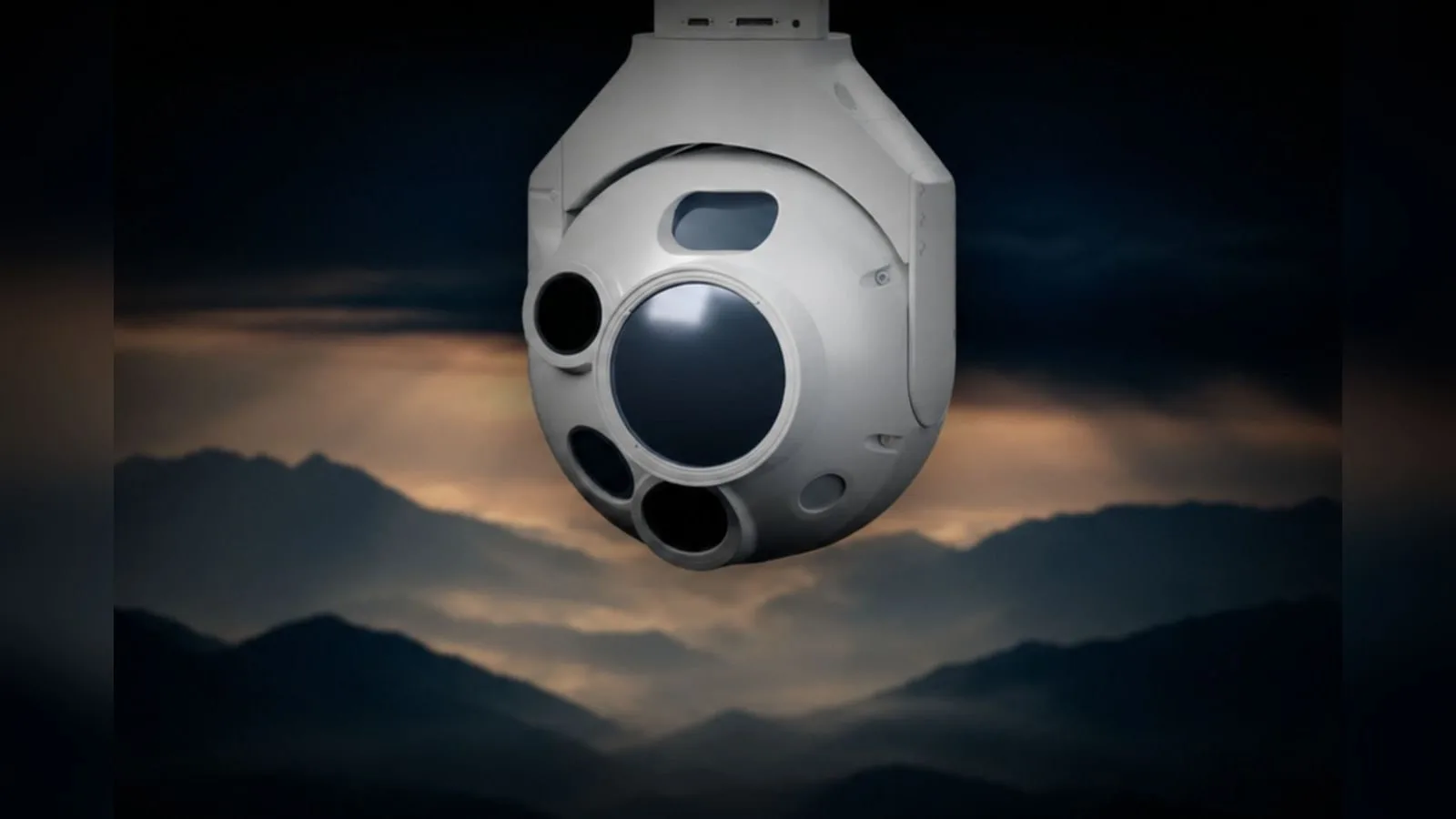
HD80 is a stabilized imaging-payload family offered in several sensor configurations. Its airborne observation systems combine controlled pointing with onboard imaging, with payload mass, dimensions and camera performance defined by the selected variant.
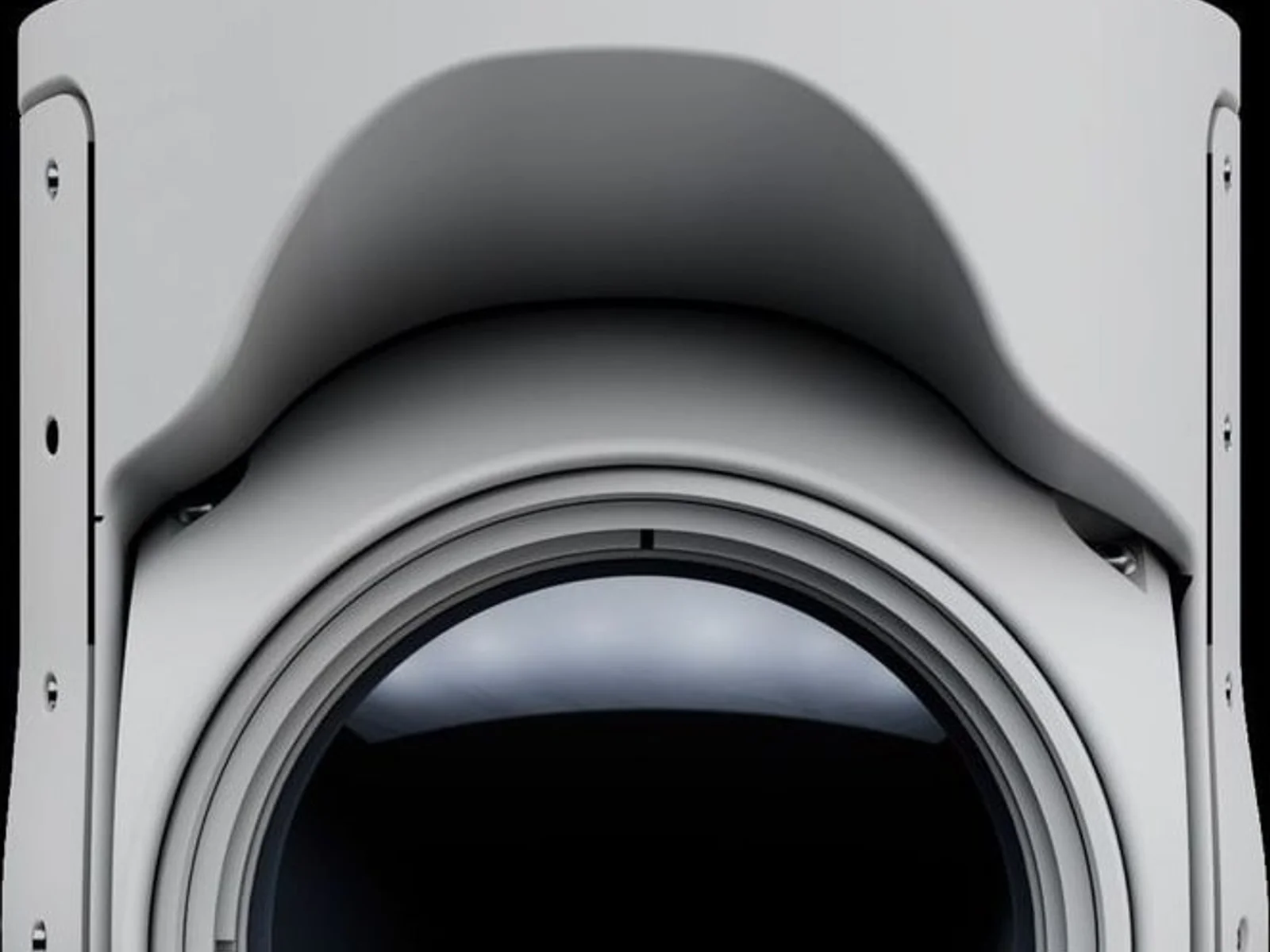
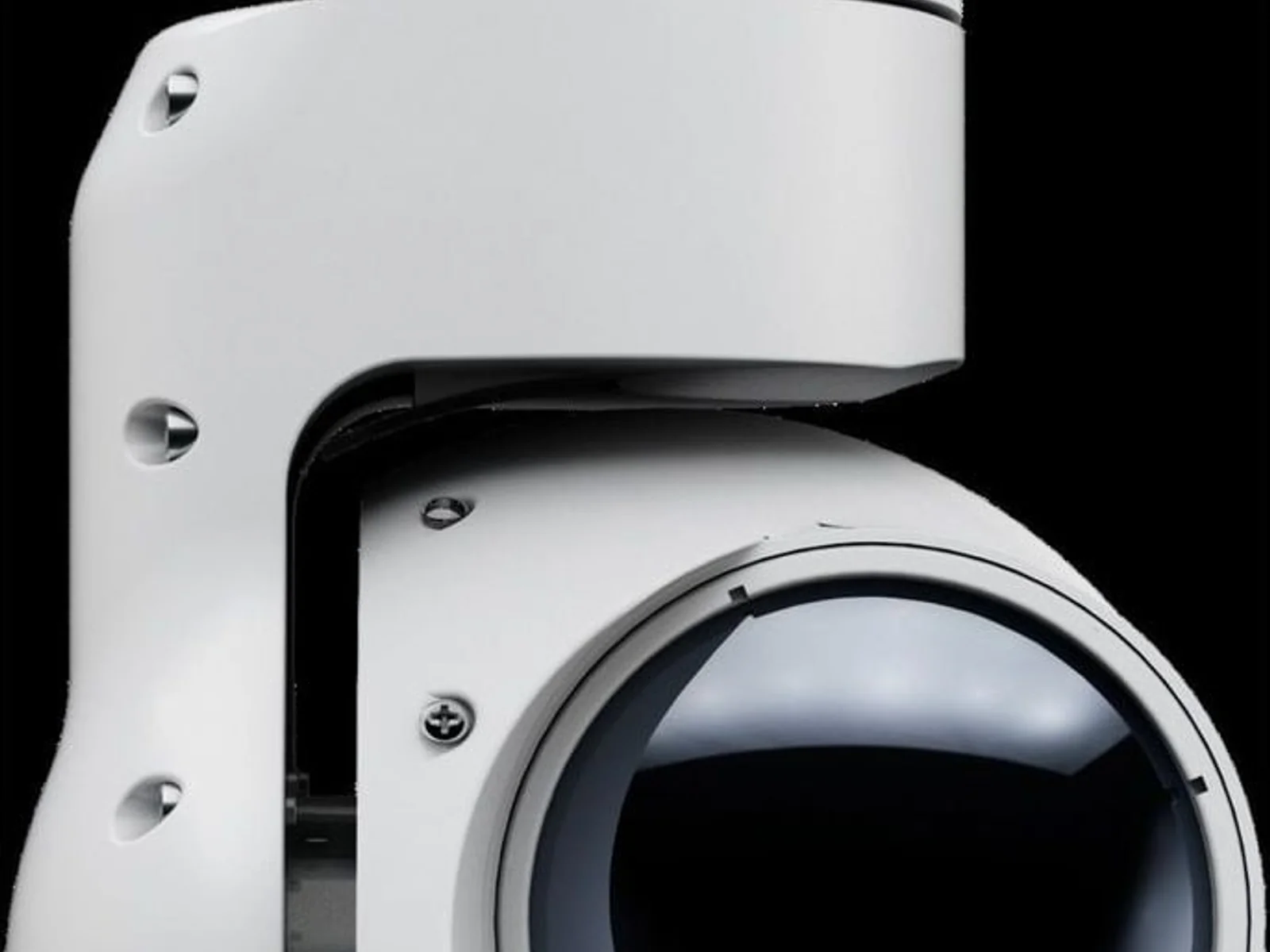
The HD80 stabilized camera or payload mount from Trillium Engineering is a gimbal family for airborne observation, built around an 8-inch class turret with digital video and embedded processing. It is offered in several sensor configurations for day, night or round-the-clock missions on tactical uncrewed aircraft and other platforms.
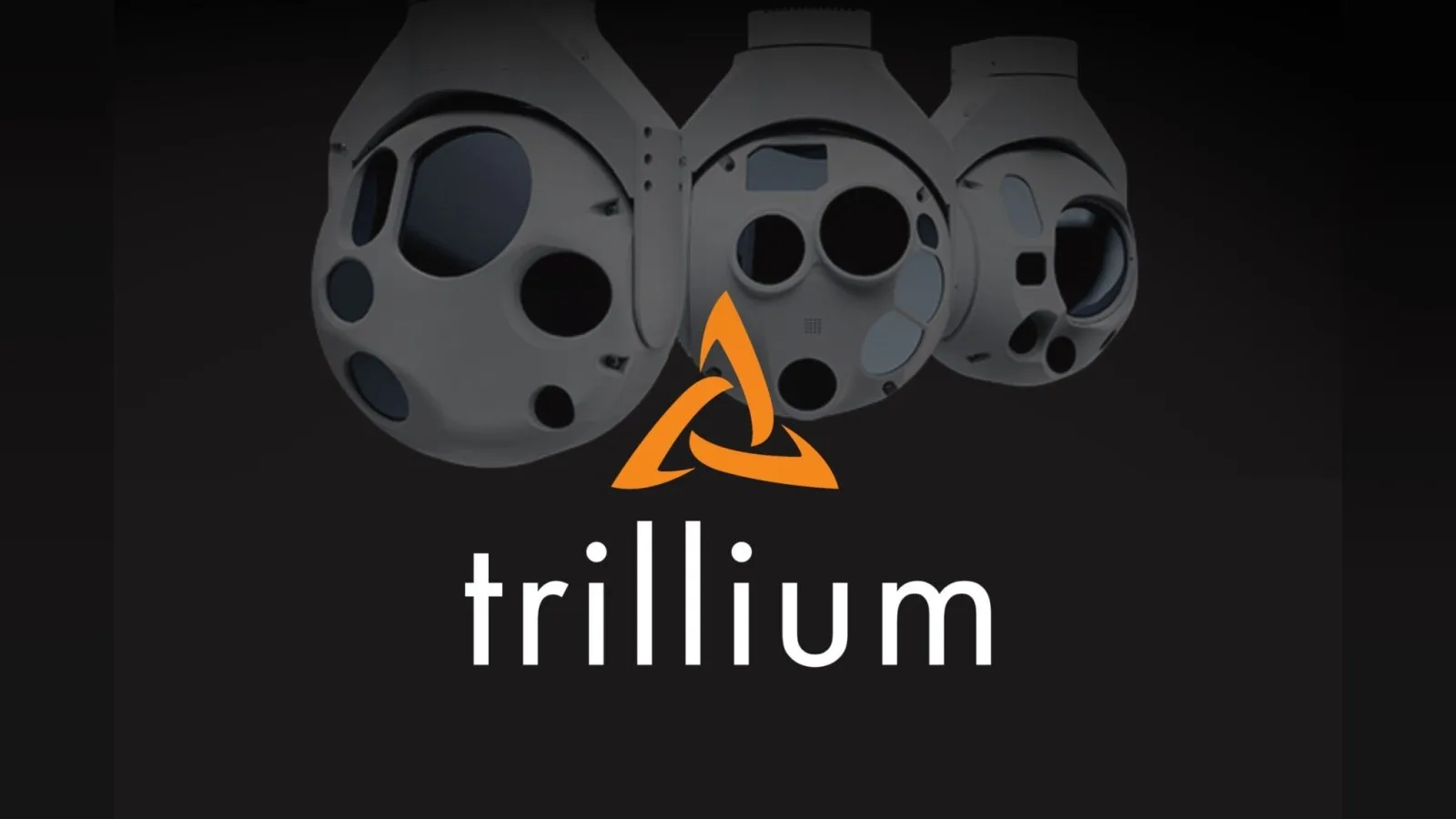
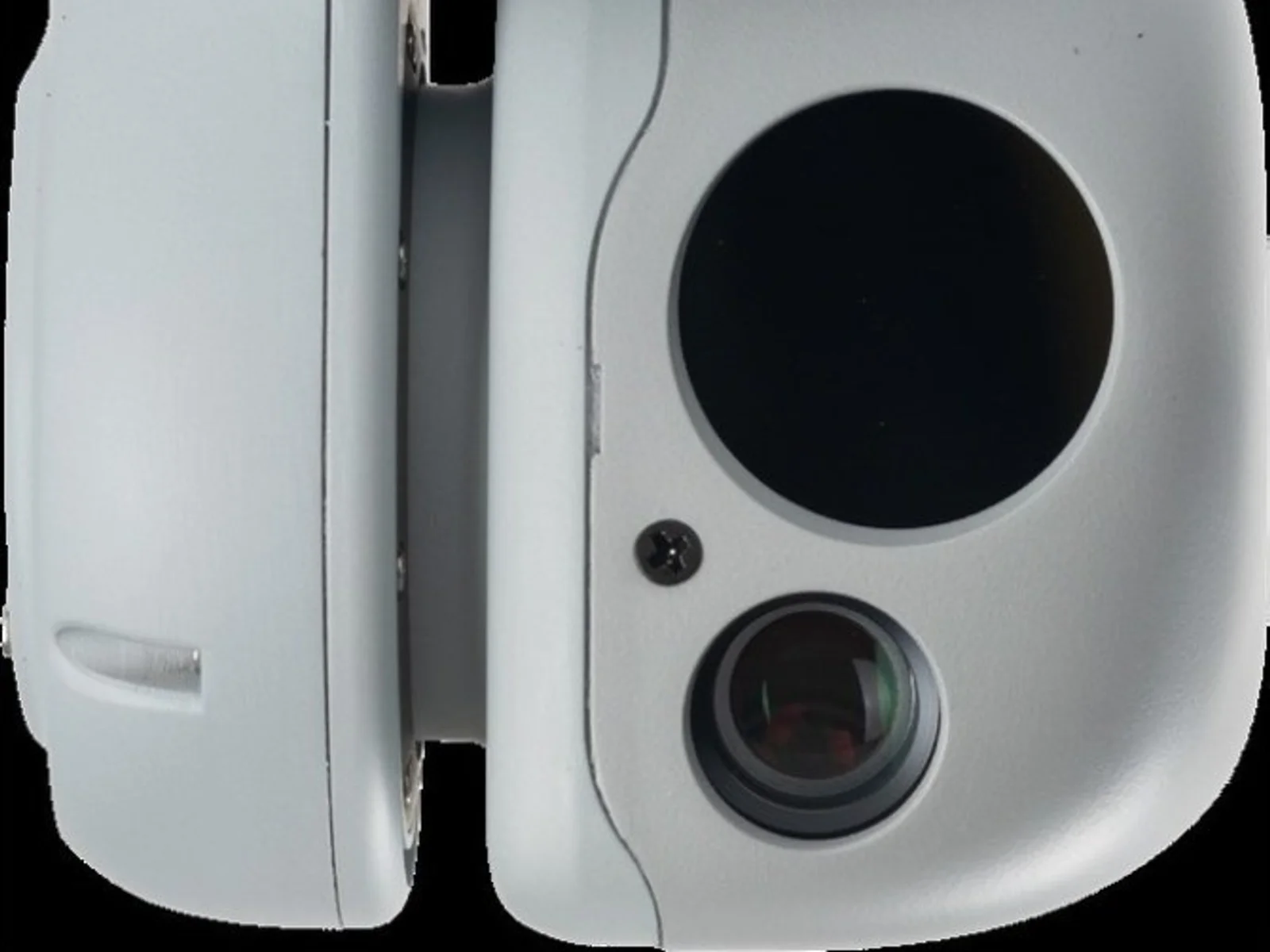
Four variants are listed. The HD80-VV carries dual visible cameras with 112x zoom and a 0.1 degree field of view. The HD80-MV combines a visible camera with a mid-wave infrared sensor, with 192x zoom on the visible channel and 28x on the MWIR channel. The HD80-MV-600 uses an MWIR sensor with a 600 mm lens and 40x zoom. The HD80-MVS carries MWIR, visible and shortwave infrared sensors. The choice between them sets the long-range identification capability, the night performance and the mass budget of the aircraft.
Size and mass depend on the variant. The turret measures 191 by 276 mm for the HD80-VV, HD80-MV and HD80-MVS, and 191 by 281 mm for the HD80-MV-600. Mass is 4300 g for the HD80-VV, 4700 g for the HD80-MV, 4900 g for the HD80-MV-600 and 5350 g for the HD80-MVS. The maker describes the HD80 as the lightest gimbal in the 8-inch size.
Video is handled by a fully digital pipeline compliant with H.264 and H.265, with embedded video processing, electronic stabilization and scene tracking. These functions reduce the load on the airframe's own computing and on the data link, because compressed video is produced on the payload. Onboard geolocation provides target coordinates with an accuracy of better than 6 m, which is used for cueing, mapping and fires coordination.
A full set of laser options is listed for the HD80 family and for the MVS model. The product is rated TRL 9, described by the maker as mission proven, and it is ITAR free, with non-controlled configurations available, a point that matters to buyers handling export-control requirements.
Applications named by the maker are precision intelligence, surveillance and reconnaissance, launched effects, tactical uncrewed aircraft, maritime, civil systems and ground systems.
Specifications
Specifications · HD80 stabilized camera or payload mount
General
Grade
Professional
Market
Dual-use
Platform class
Large UAS (25–150 kg), Ground, Marine
Airframe
Any
Availability
In production
Key specifications
Integrated sensors
Configuration-dependent: dual visible (VV), visible/MWIR (MV or MV-600), or visible/MWIR/SWIR (MVS).[1]
For tactical UAS, two new HD59 variants from Trillium Engineering, the HD59-MVV-C and the HD59-MLVV-C, pair MWIR imaging with a built-in laser rangefinder and laser pointer. Trillium puts system cost more than 30 percent below traditional…
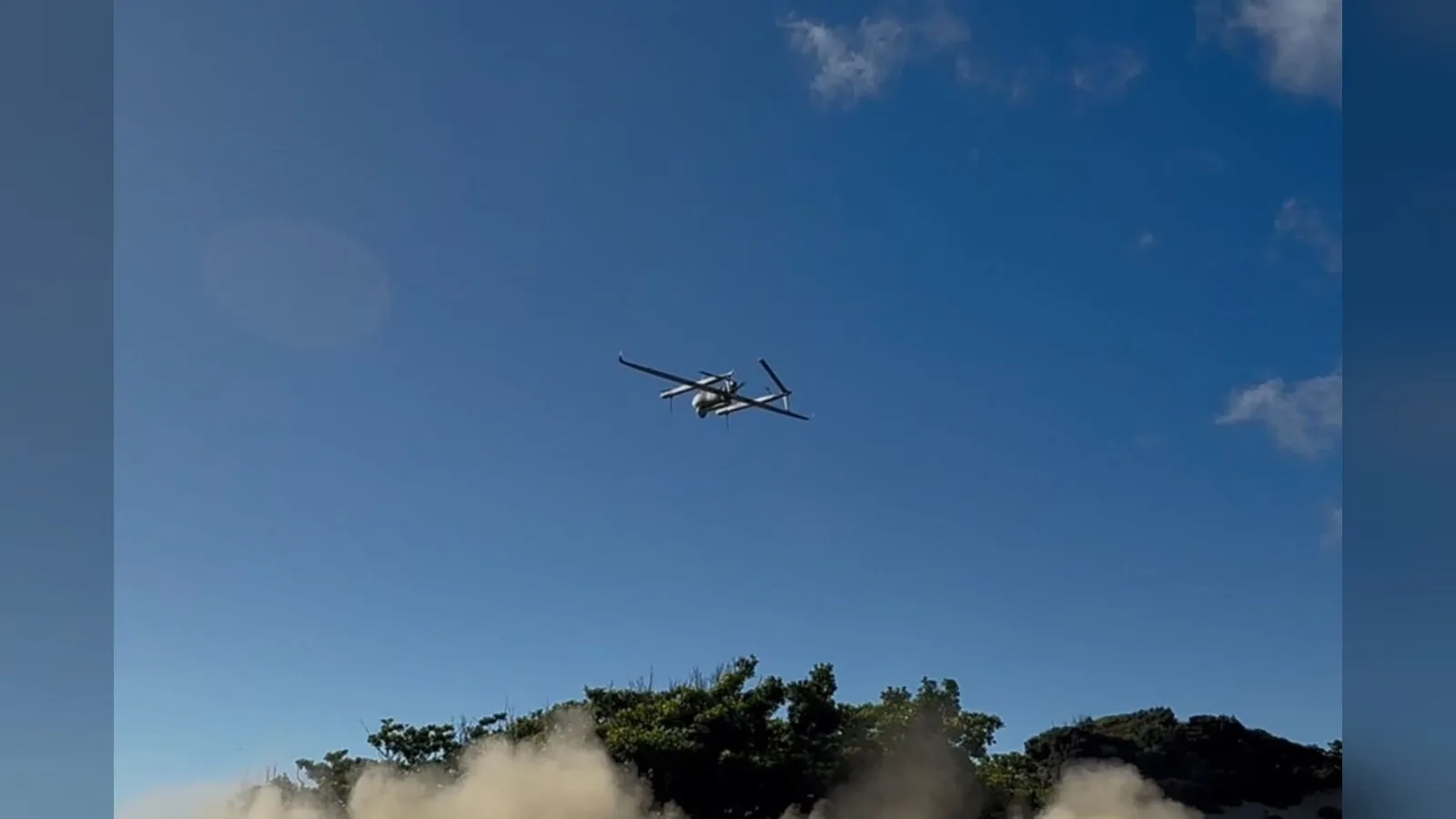
Trillium Engineering says its HD80-MLVS-LD-LRF-LP gimbal flew on a Textron Systems Aerosonde UAS during a Taiwan Army first: a manned-unmanned teaming (MUM-T) operation that worked. The Aerosonde teamed with an AH-64E Apache in the Divine…
Trillium Engineering switches its gimbal software from calendar versioning to the X.Y.Z semantic scheme, beginning with release 3.1. The change lets customers judge the scope of each update from its number.









 FeaturedGimbals
 FeaturedGimbals
 Featured
 FeaturedGimbals
 FeaturedGimbals
 Featured