RAPID stands for Real-World Application Prototyping for ISAC Demonstration, with ISAC short for integrated sensing and communications. The integrated approach means the same 5G or 6G infrastructure serves for sensing and for communications. Under the contract, Nokia Federal develops, builds and tests ISAC capabilities and demonstrates a system for the project.
Aimed at the DoD’s FutureG Office, the effort is a demonstration that current 5G and later 6G networks can sharpen situational awareness and the detection of threats.
Nokia’s AI-RAN platform is the base of the system, on which the project combines applications from Nokia and from other vendors for sensing and for awareness of spectrum threats. Nokia says it combines several sensing modalities with sensor fusion to give a fuller picture of possible UAS threats.








Future Technologies, Hidden Level, DeepSig and Texas Tech University support the effort as subcontractors, together with Nokia affiliates. Texas Tech is the only university named.
Why it matters
The award links two areas of DoD interest: 5G and 6G networks, through the FutureG Office, and counter-UAS. Detection and tracking of UAS threats are performed on that network infrastructure, and the stated goal is to protect critical infrastructure against emerging threats.
Counter-UAS spending is reported at more than USD53 billion worldwide in the first eight months of 2026, the market in which DoD efforts such as RAPID take place.
For suppliers of datalinks, command-and-control radios and BVLOS connectivity for large UAS, the project adds UAS threat detection to the functions DoD evaluates for 5G and 6G networks, alongside their role in communications.
The contract covers development, building and testing of capabilities plus a demonstration system, so the scope is prototype and demonstration work rather than fielded deployment.
Spectrum threat awareness is named alongside sensing as an application area on the AI-RAN platform, so the project covers the RF environment as well as aircraft detection. Sensor fusion across several sensing modalities is the method Nokia names for building the threat picture, so output draws on more than one sensor type.
Source: Unmanned Airspace: Nokia Federal to support US 5G/6G drone detection project
Was this article useful?
Thanks for your feedback. You can change your answer at any time.
Latest news
Latest news
Products in this article
- FeaturedLOS links
Mesh Rider Radio wireless data-link product
- Max range
- 50 km
- Max data rate
- 80 Mbps
- Transmit power
- 1.6 W
 Featured
 FeaturedBLOS links
Halo beyond-line-of-sight connectivity product
- Grade
- Professional
- Market
- Dual-use
- Availability
- In production
Related articles
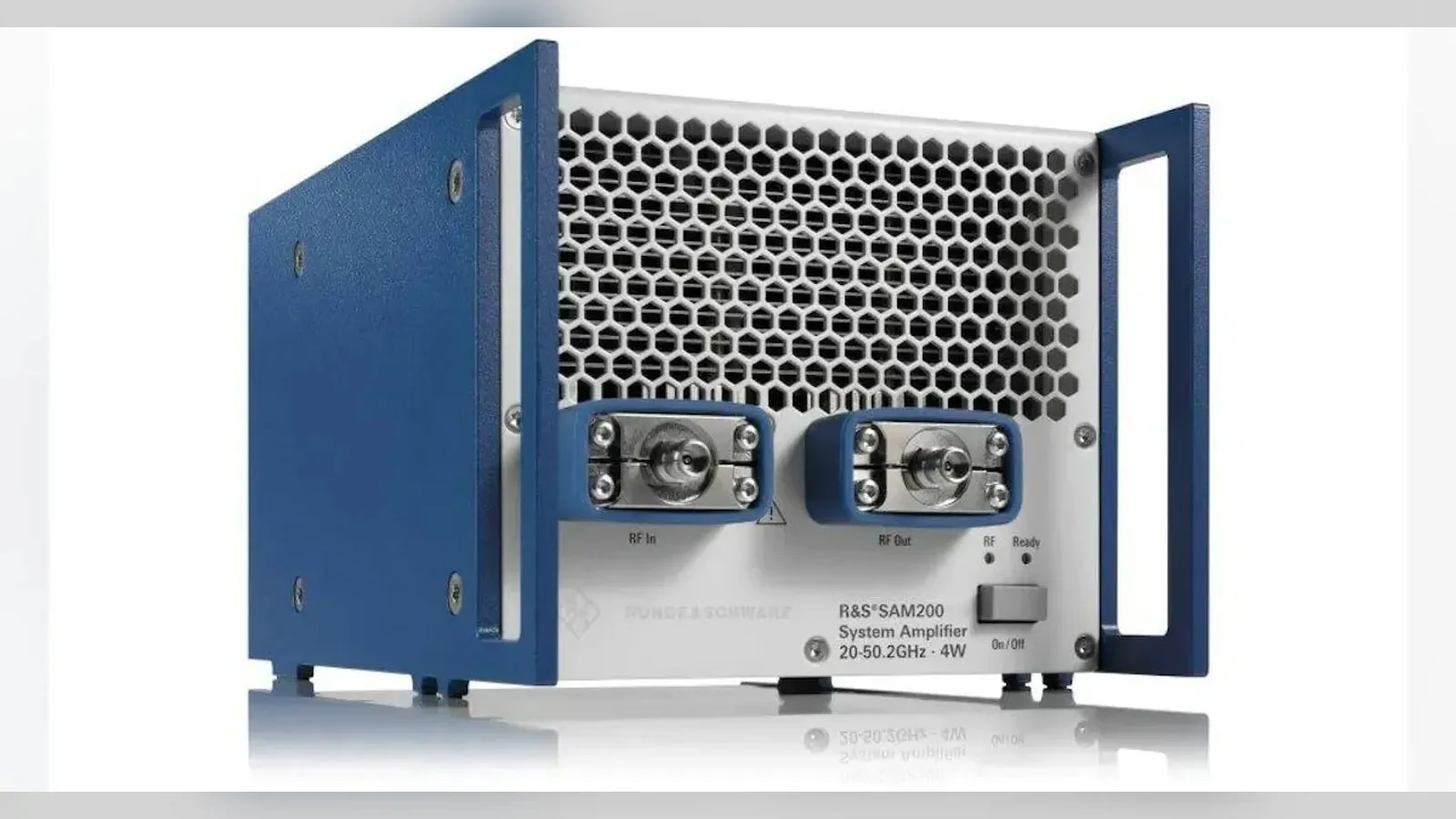
20-53 GHz system amplifiers for RF test from Rohde & Schwarz
Rohde & Schwarz introduces the R&S SAM200 and SAM200 Advanced, two solid-state system amplifiers that cover 20 to 53 GHz for testing high-frequency RF components. Both reach up to 4 watts of saturation power, aimed at Ka-, Q- and V-band…

Elsight Halo multilink unit named Award-Ready by Army lab
Elsight's Halo multilink unit earns Award-Ready status in DevX Autonomy, the Army Applications Laboratory's marketplace of assessed solutions. The status makes the unit's assessment video available to government customers who can consider…
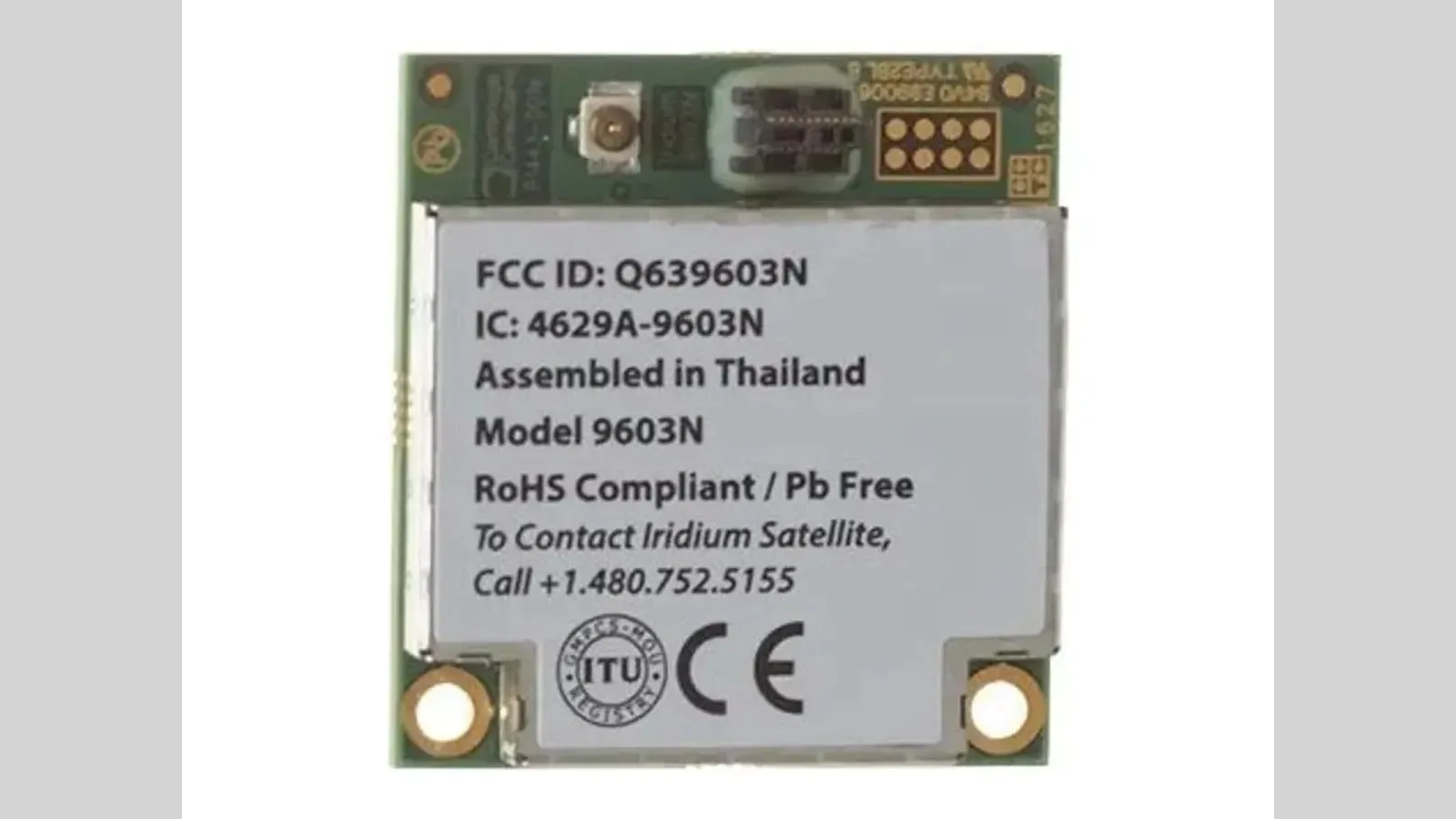
Iridium NTN Direct activates NB-IoT satellite service
Iridium activates Iridium NTN Direct, a 3GPP standards-based NB-IoT and direct-to-device satellite service with global coverage. Chipset makers, mobile network operators and device manufacturers can add an Iridium satellite link to…
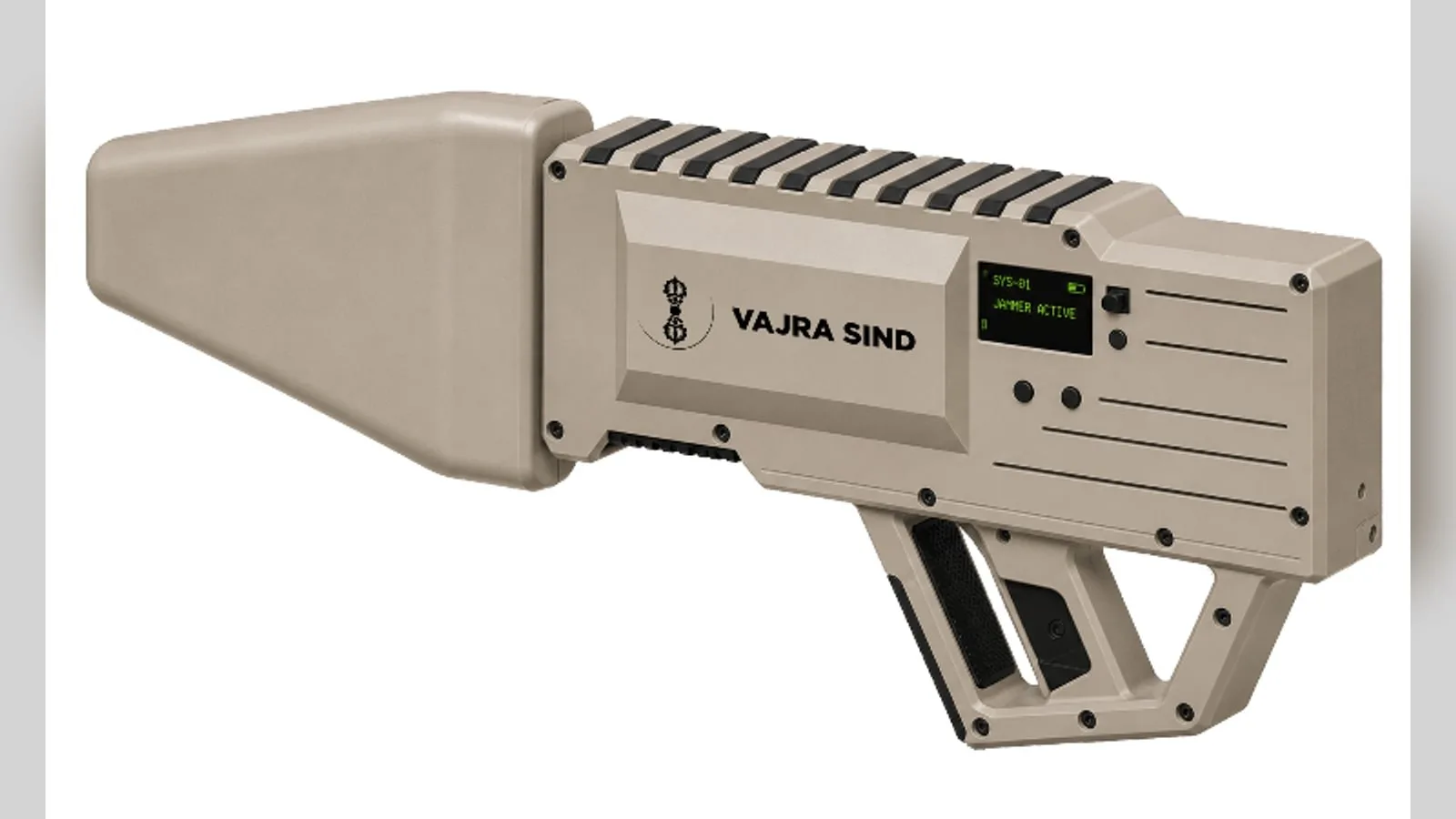
Handheld wideband RF jammer by Big Bang Boom Solutions
Chennai-based Big Bang Boom Solutions (BBBS) unveils the Vajra Sind, a handheld RF jamming gun that covers 400 MHz to 6 GHz. The unit targets hostile drones at short range and extends the company's Vajra counter-drone series to the…