Vertical Aerospace has chosen Evolito to build the electric engines for Valo, its piloted four-seat eVTOL, in a long-term deal. Evolito’s design merges its motors and DAL-A power electronics into one unit, which Vertical expects to deliver the range, performance and redundancy Valo needs in service.
Certification drives the choice. Vertical aims to certify Valo in 2028 to the safety level of large airliners. The two firms intend to put the engines through British regulator review together, with EASA checking the work at the same time and other authorities following. Evolito already has a CAA design approval, a precondition for UK type certification and for flying passengers.
A hybrid-electric version of Valo, also built around Evolito’s engines, is due to start flight tests in mid-2026.




Vertical’s chief engineer, David King, stresses rigour and reliability at airliner standards. Evolito’s chief executive, Chris Harris, calls the award a major step for his company.
Why it matters
Evolito moves from supplier to named partner in a certification programme. Honeywell, Syensqo and Aciturri already sit on Valo’s supplier list, a line-up Vertical says strengthens the route to market. For an electric-propulsion specialist, being named alongside such groups is a credential in itself.
The company’s pedigree helps. It separated from YASA in 2021 to carry that company’s axial-flux motor know-how into aerospace; Mercedes-Benz acquired YASA the same July. Its engines are also picked for Electra’s hybrid-electric aircraft, so Valo is a second airframer win.
Vertical, meanwhile, is moving towards certification and production readiness, and has just named Richard Moore to head its powertrain work. It counts roughly 1,500 pre-orders from buyers including Japan Airlines, GOL, Bristow, Avolon and American Airlines, so the engine timetable carries commercial weight.
Watch the certification route: if approval by the CAA and EASA runs in step, the engine will pace the aircraft. Vertical, for its part, pairs partnerships with leading aerospace firms with its own battery and propeller technology, and says its leadership has certified and supported more than 30 civil and military aircraft and propulsion systems.
Source: Evolito newsroom
Was this article useful?
Thanks for your feedback. You can change your answer at any time.
Latest news
Latest news
Companies in this article
 Propulsion · 2
Products in this article
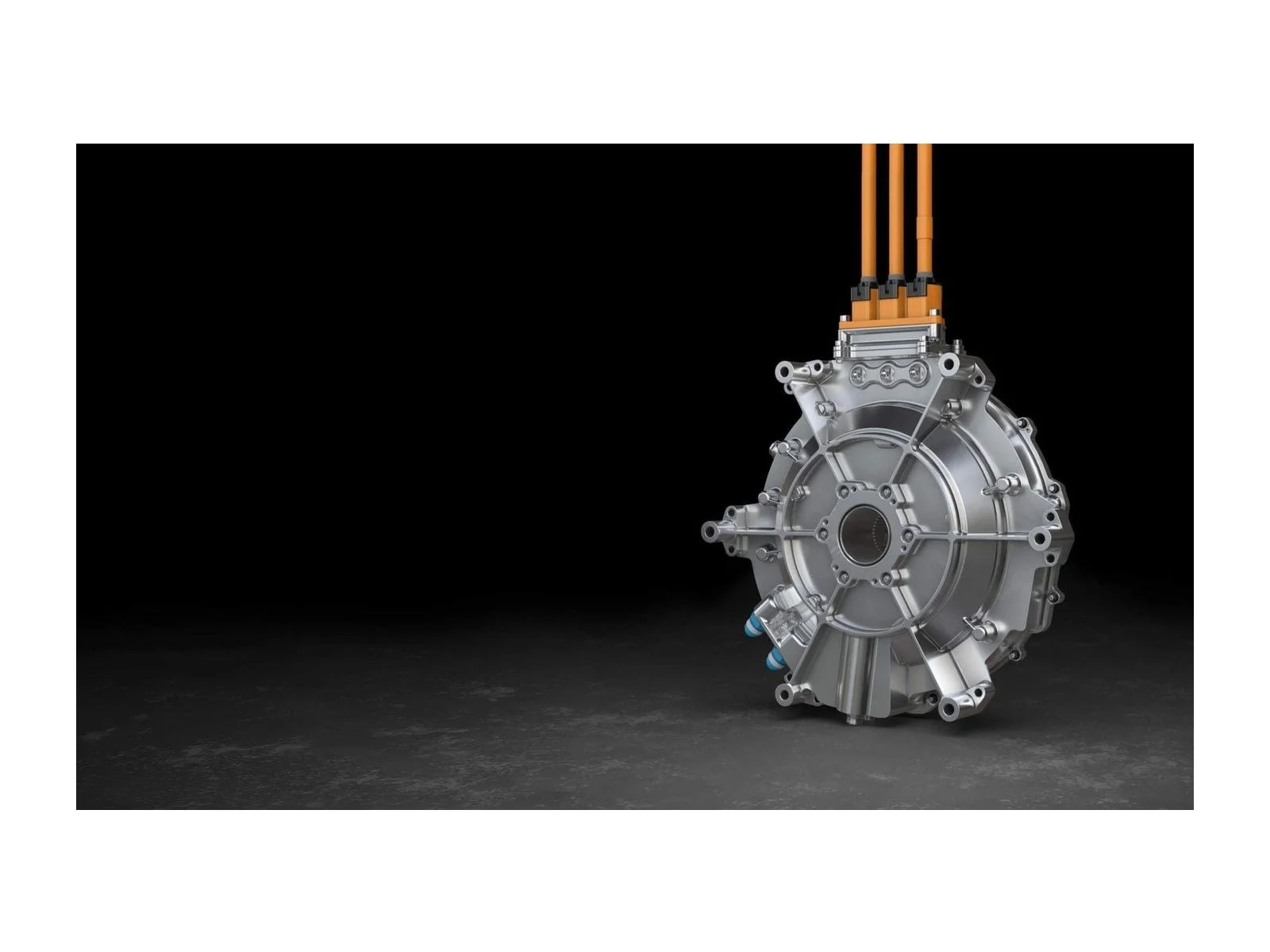 Featured
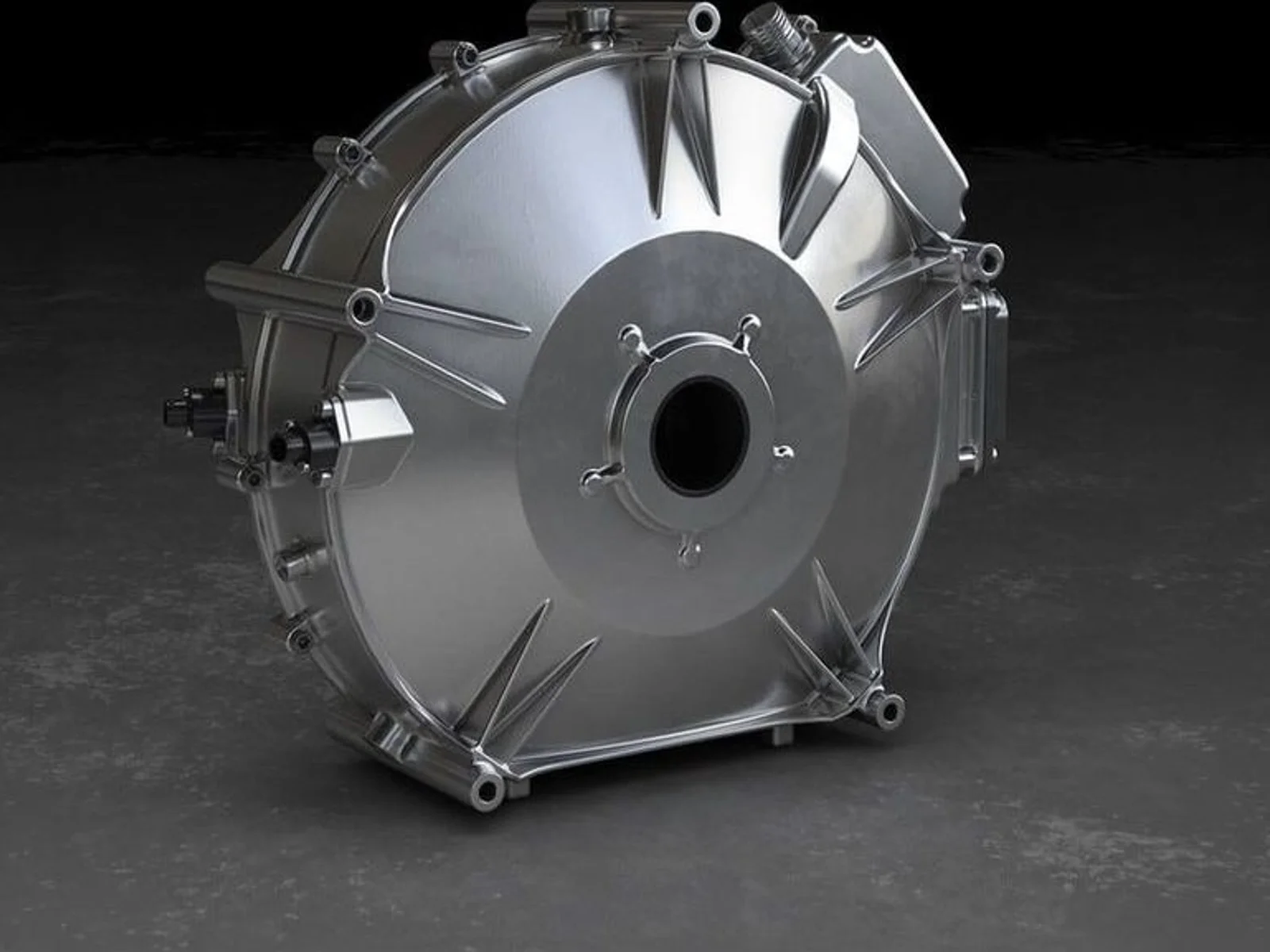 Featured
Related articles
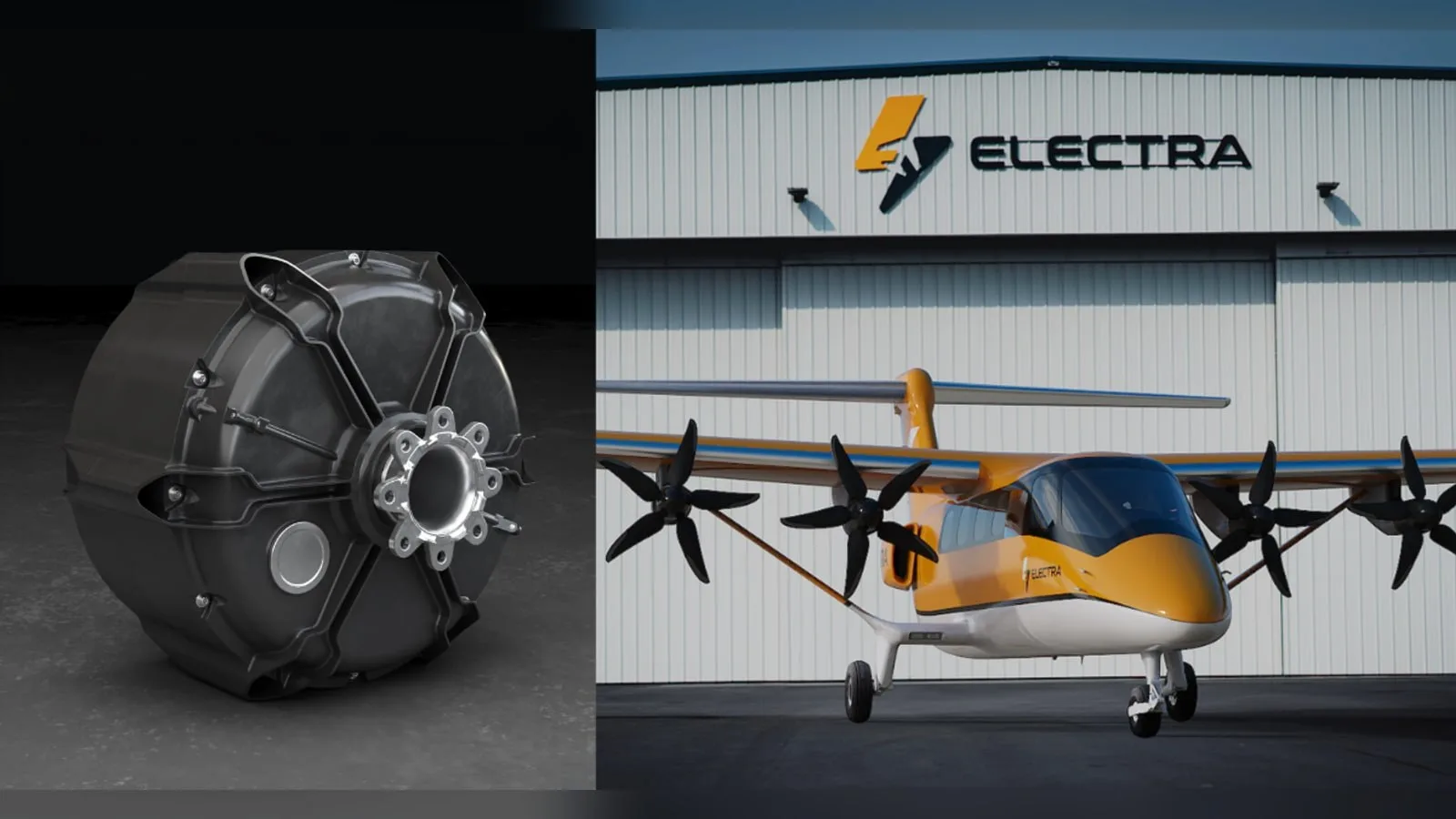
Evolito files type certificate application for E800 engine
Evolito submits a type certificate application to the UK Civil Aviation Authority for its E800 electric engine, initially intended for Electra's EL9 hybrid-electric aircraft. The company describes it as the first certification application…
Safran turbojets to power Falcon supersonic UAV target
Falcon is a reusable supersonic uncrewed aerial target for missile-defense training, and its propulsion is the subject of a partnership between Safran Power Units and UVAD Technologies. Safran supplies two turbojet engines, and flight…
Honeywell tests 1 MW hybrid-electric generator for airship
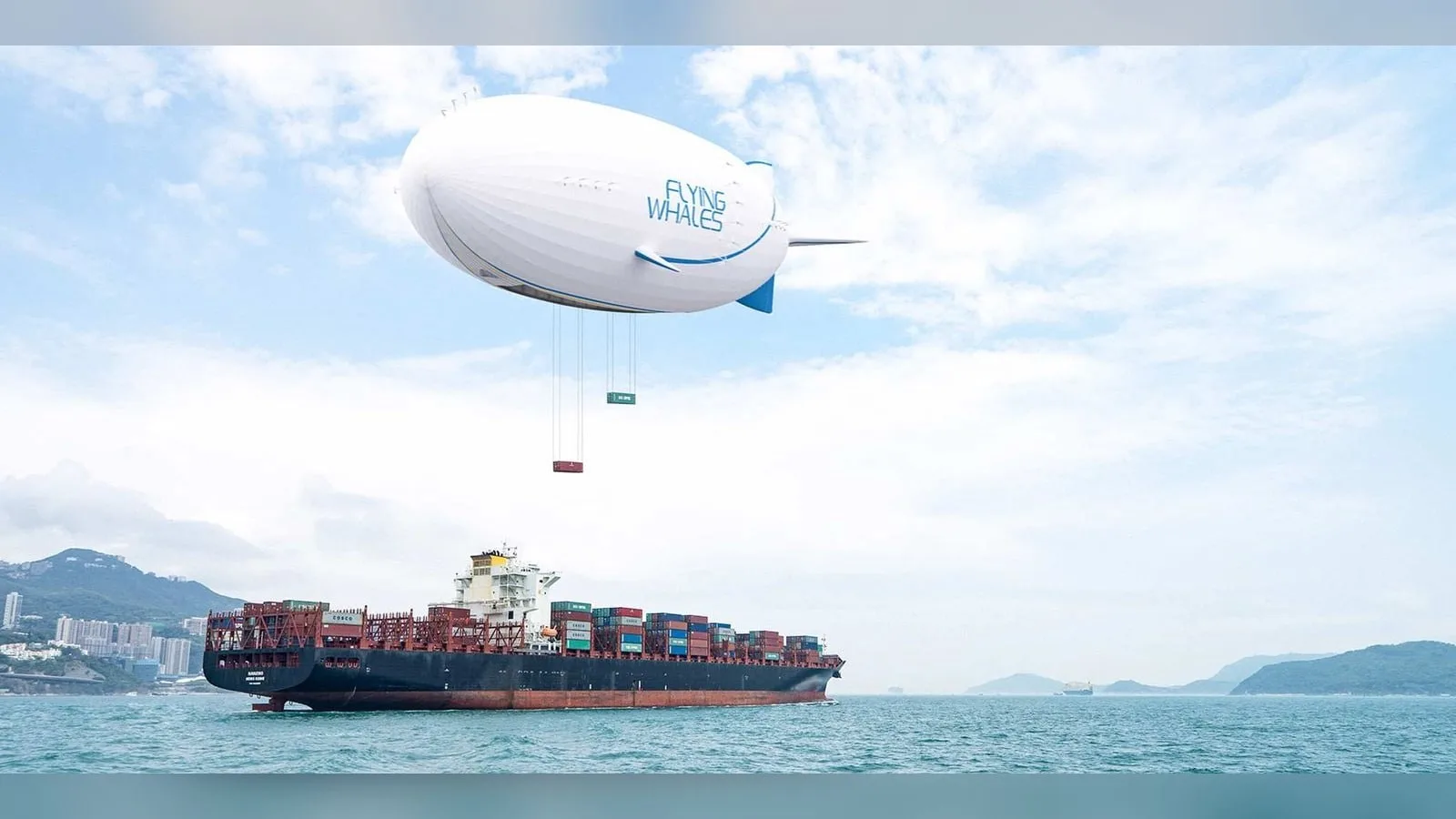
Honeywell Aerospace tests a 1 MW generator in a Mexicali test cell, and Flying Whales will integrate it into the hybrid-electric powertrain of its LCA60T airship. The unit reaches 1 MW steady state at 97% efficiency, giving…
Honeywell HON1600 small turbine engine targets USAF CCA
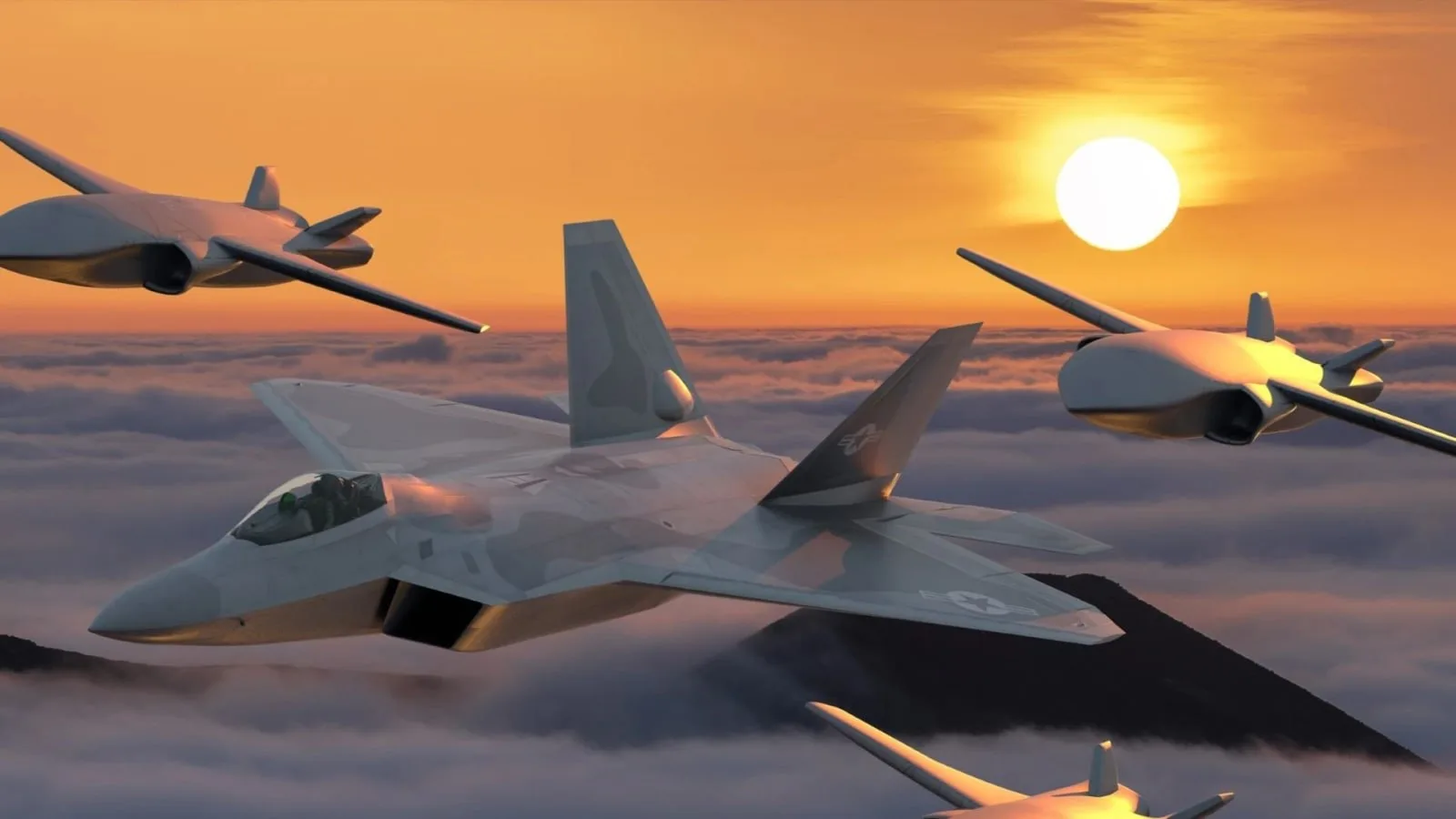
Honeywell Aerospace presents the HON1600, a small turbine engine it positions for the US Air Force's Collaborative Combat Aircraft (CCA) program, after a core engine run in September 2025. The Air Force has issued a request for proposals…