
The money arrives via the department’s IBAS program, which backs home-based production capacity vital to national defense. Amprius intends to reconfigure a US electric-vehicle cell line, run by its South Korean production partner, for high-energy-density cells. The stated aim is American production of batteries for Group 1, 2 and 3 drones that is both high in volume and commercially viable.
Work is scheduled to finish in early 2028, when annual output should reach 12 million Amprius cells. They are meant to satisfy NDAA domestic-sourcing rules. Total project cost is about $100 million, which includes in-kind contributions from Amprius and its partner.
Amprius says the converted line builds on its current contract-manufacturing arrangements and lifts its capacity to supply key customers with NDAA-compliant pouch cells. CEO Tom Stepien describes the grant as meant to build the company’s main domestic supply. Combining Amprius technology with its partner’s US production should speed up adoption of standardized pouch cells in a fast-growing market, he says.







Why it matters
Amprius makes silicon-anode lithium-ion cells and depends on contract manufacturers instead of large plants of its own. The company’s plants are spread over three countries: China, South Korea and the US. The company claims that its cells offer as much as twice the range, flight time and energy density of graphite-anode designs. A US line meeting NDAA sourcing rules offers drone makers who sell to American defense buyers a domestic cell supply.
The funding carries conditions. Amprius notes that most of the total remains unfunded pending future appropriations, and that payments depend on the US Government accepting milestones. It also relies on third parties for part of the work, and results from testing or small batches may not hold in cells made at commercial volume.
With completion in early 2028, the line answers a medium-term supply question for Group 1 to 3 integrators rather than current availability.
Source: Amprius newsroom
Was this article useful?
Thanks for your feedback. You can change your answer at any time.
Latest news
Latest news
Companies in this article
 Propulsion · 8
Products in this article
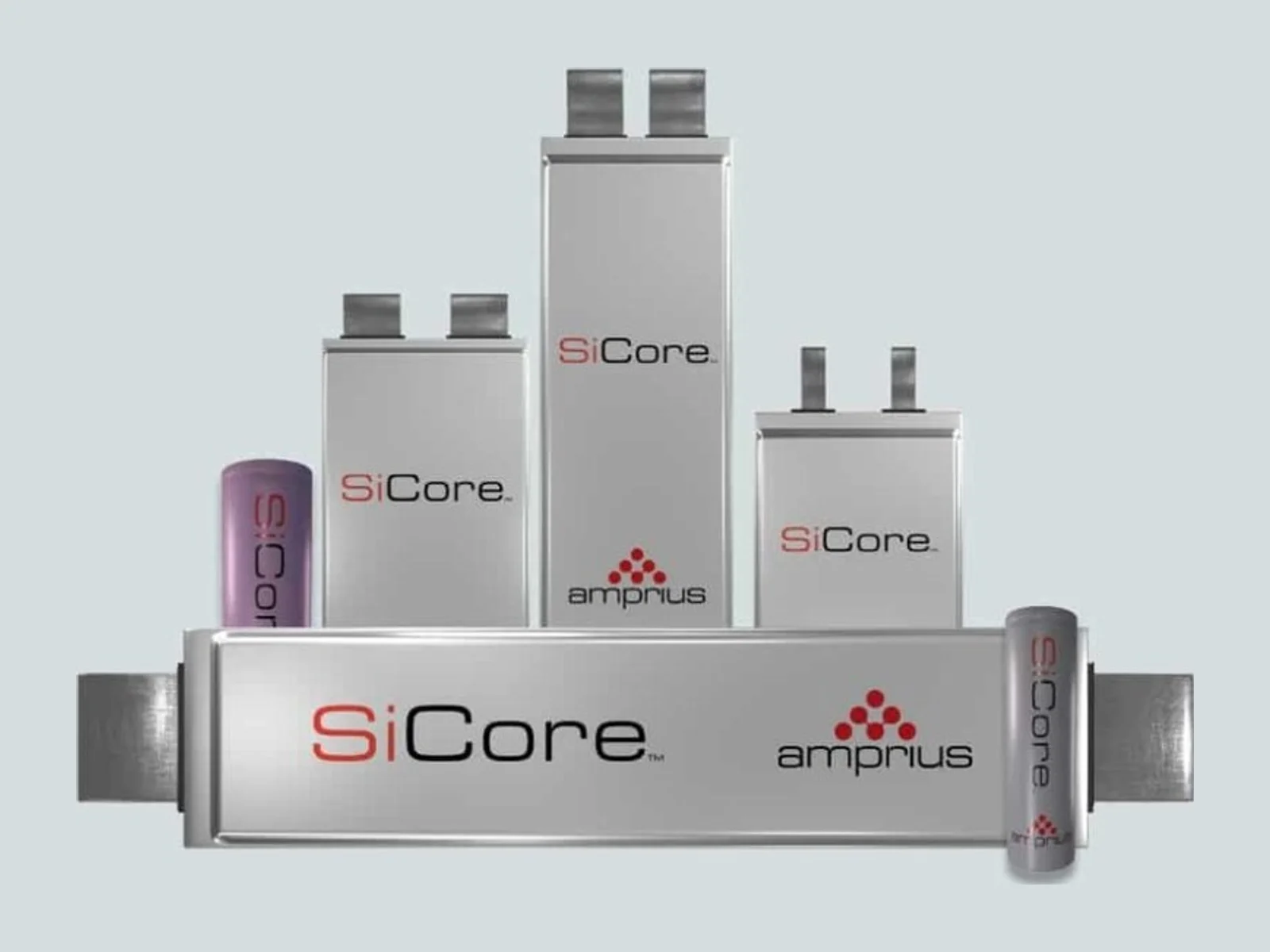 FeaturedBatteries
SiCore silicon-anode lithium-ion battery-cell family
- Specific energy
- 340 Wh/kg
- Continuous discharge rate
- 3 C
- Chemistry
- Li-ion silicon anode
- FeaturedBatteries
Li/CFx-MnO2 primary packs battery product
- Chemistry
- Li/CFx-MnO2 (primary, non-rechargeable)
- Grade
- Aerospace-grade
- Market
- Defense
Related articles

Amprius taps CAMINUS for US silicon-anode pouch cell output
CAMINUS, the Indianapolis cell maker formerly known as EnPower, signs a contract manufacturing agreement with Amprius Technologies to build Amprius-designed silicon-anode pouch cells in the United States. Amprius gains a US production…
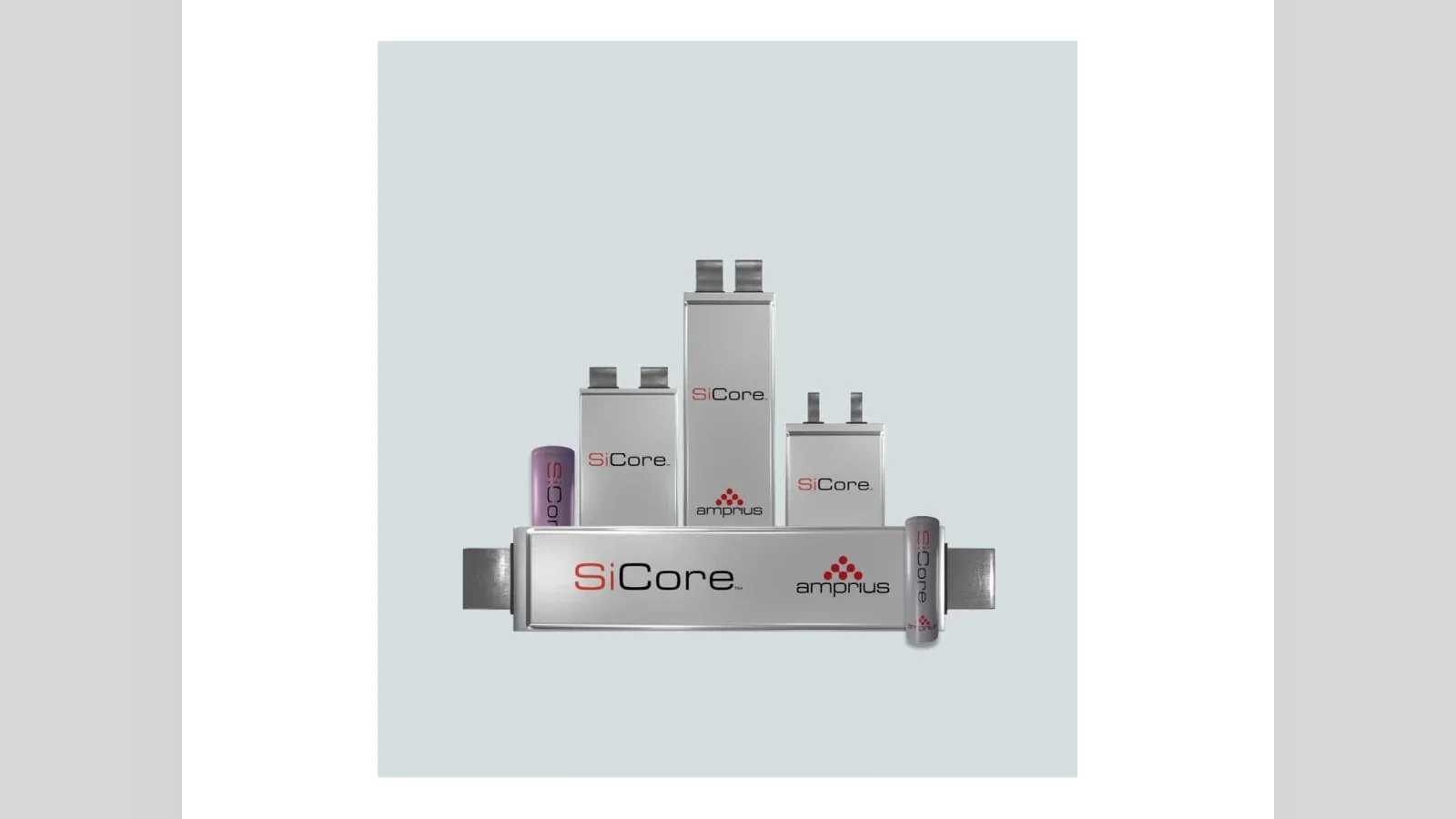
Amprius unveils 500 Wh/kg SiCore cell for unmanned aviation
Amprius launches SiCore500, a silicon-anode cell rated at 500 Wh/kg under a 1C continuous discharge. Standard lithium-ion production lines can build it, and sales are expected to start in late 2026.
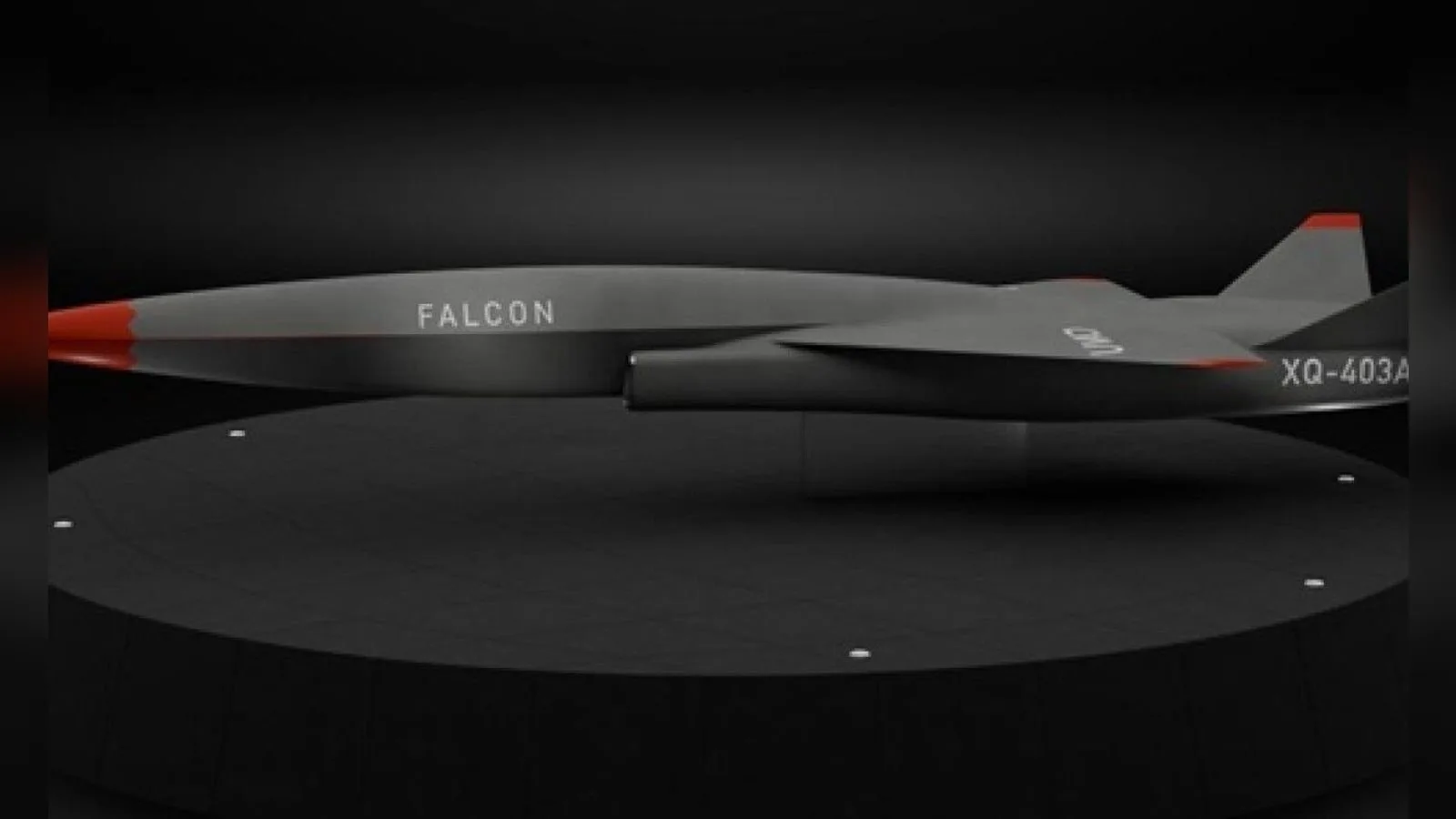
Safran turbojets to power Falcon supersonic UAV target
Falcon is a reusable supersonic uncrewed aerial target for missile-defense training, and its propulsion is the subject of a partnership between Safran Power Units and UVAD Technologies. Safran supplies two turbojet engines, and flight…
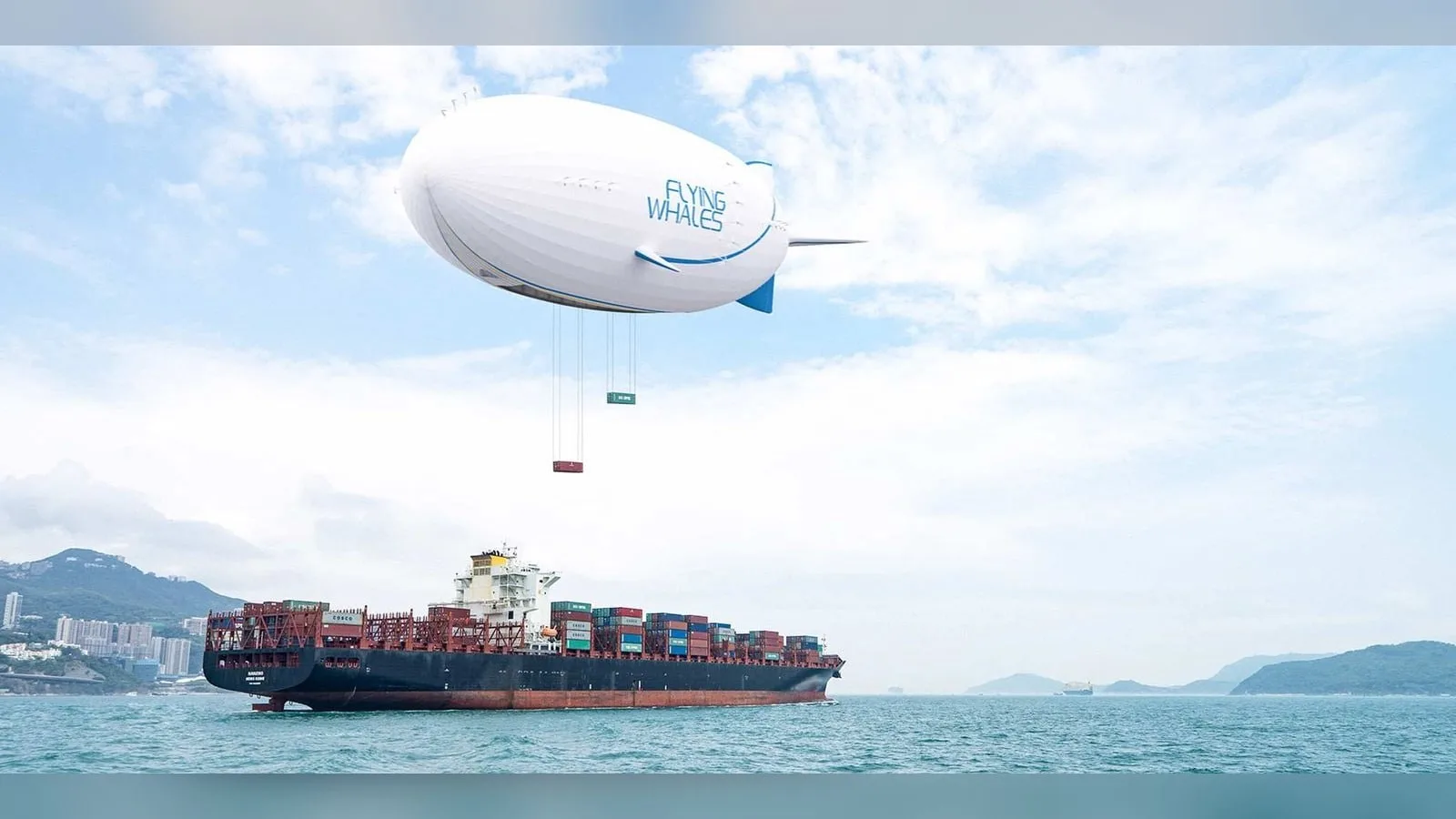
Honeywell tests 1 MW hybrid-electric generator for airship
Honeywell Aerospace tests a 1 MW generator in a Mexicali test cell, and Flying Whales will integrate it into the hybrid-electric powertrain of its LCA60T airship. The unit reaches 1 MW steady state at 97% efficiency, giving…