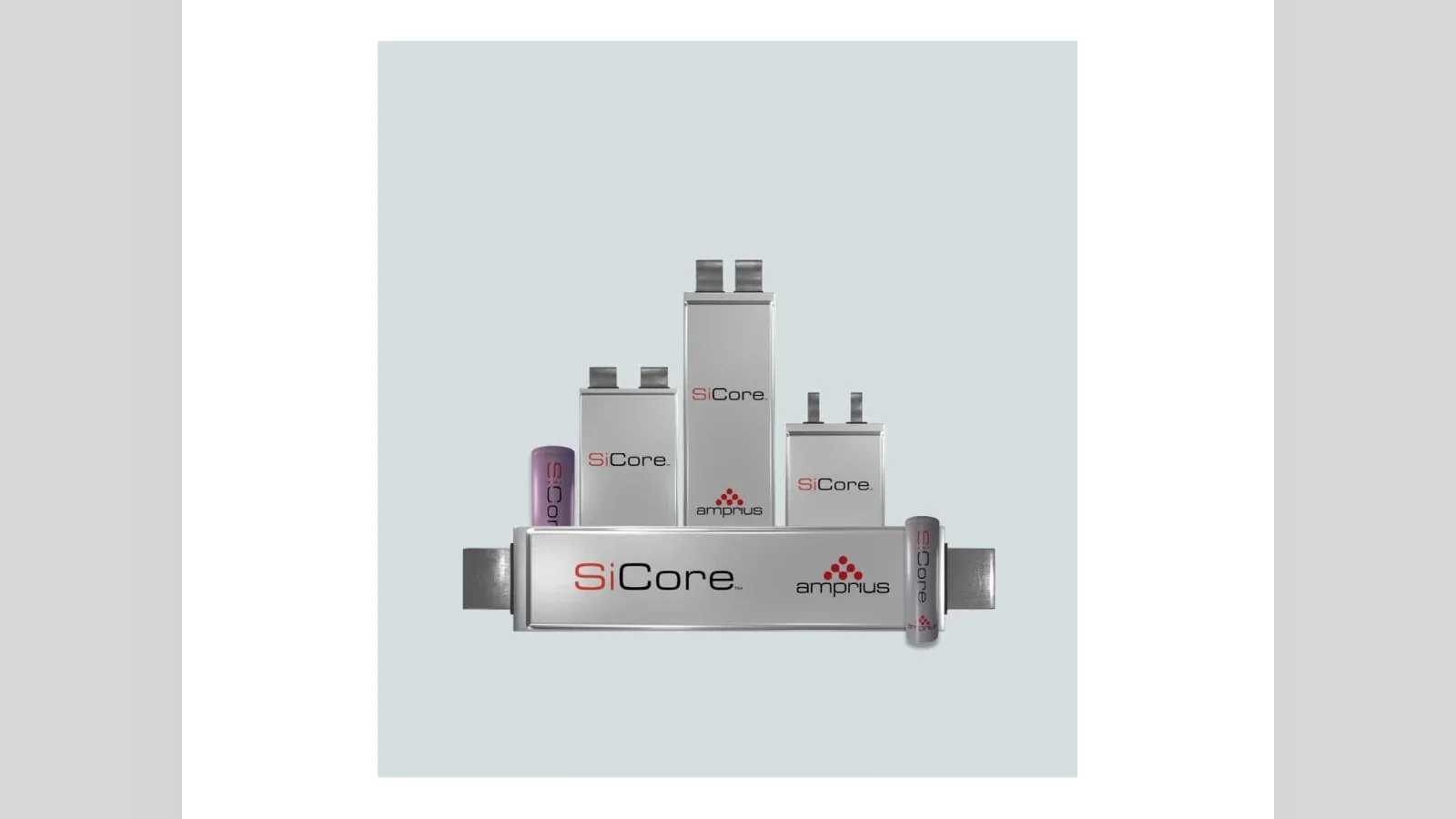
Amprius Technologies (NYSE: AMPX) launches SiCore500, a second-generation silicon-anode cell for long-endurance flight. Drained continuously at 1C, it delivers 500 Wh/kg, and it runs on ordinary tooling, processes and cell designs that its worldwide contract manufacturers already operate.
Cells at this energy level have normally demanded special materials handling and unconventional construction. Amprius says it has matched or passed that energy density previously, but only through specialised processes and never in commercial quantities. SiCore500 is the first of its platforms designed to reach that figure on conventional infrastructure. Customers can therefore move from qualification to volume without bespoke tooling, and the company keeps its lean manufacturing approach.
The target uses are High-Altitude Platform Stations, fixed-wing UAVs and similar endurance missions that draw current slowly and steadily. More energy per kilogram can lengthen flights, widen range or raise payload at the same mass.







Commercial availability is expected in Q4 2026, with cells built to customer formats and to the sUAS pouch standard of SAE JA1016. The first units will come from Fremont, California, and volume output will grow through existing contract manufacturing partners.
Why it matters
AALTO HAPS, an Airbus subsidiary building fully solar-electric platforms to deliver connectivity and imagery, has bought Amprius cells since 2018, across several generations of its Zephyr aircraft. A 2025 Zephyr flight is reported to have set a world endurance record of 67 days.
AALTO’s chief operating officer, Pierre-Antoine Aubourg, calls energy density fundamental to Zephyr’s endurance and says higher specific energy can extend flight duration and mission capability. Amprius chief technology officer Dr Ionel Stefan stresses how the figure is reached: aviation customers can qualify the cell with a cost-effective, scalable route to volume behind it.
For fixed-wing platforms, stored energy carries the aircraft through the night after daytime charging; lighter-than-air platforms use that energy to drive and hold position. The Fremont-based company describes its silicon-anode batteries as offering as much as double the energy density, range and endurance of standard graphite-based cells.
Source: Amprius newsroom
Was this article useful?
Thanks for your feedback. You can change your answer at any time.
Latest news
Latest news
Companies in this article
 Propulsion · 8
Products in this article
 FeaturedBatteries
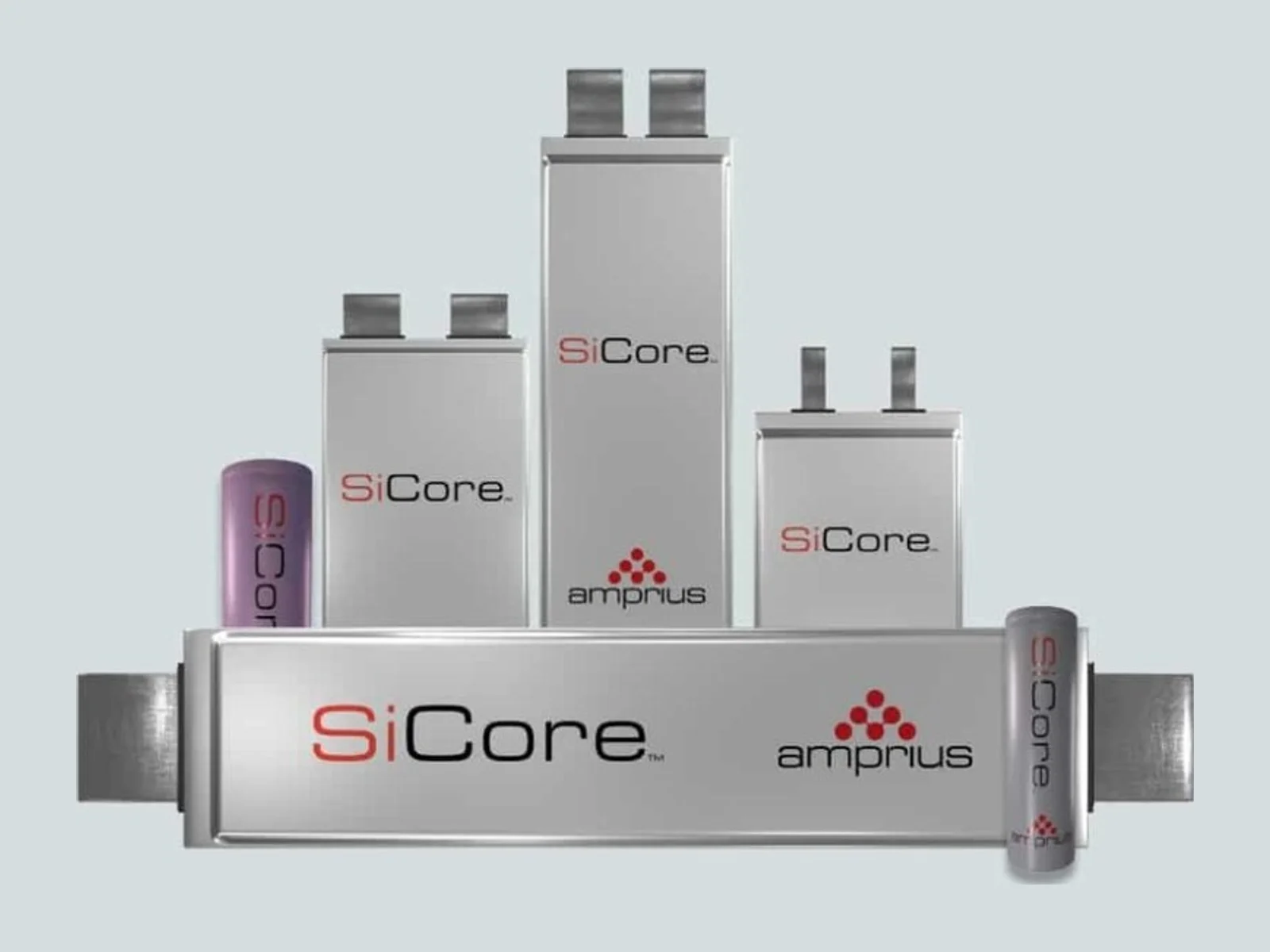
SiCore silicon-anode lithium-ion battery-cell family
- Specific energy
- 340 Wh/kg
- Continuous discharge rate
- 3 C
- Chemistry
- Li-ion silicon anode
- FeaturedBatteries
Li/CFx-MnO2 primary packs battery product
- Chemistry
- Li/CFx-MnO2 (primary, non-rechargeable)
- Grade
- Aerospace-grade
- Market
- Defense
Related articles

Amprius taps CAMINUS for US silicon-anode pouch cell output
CAMINUS, the Indianapolis cell maker formerly known as EnPower, signs a contract manufacturing agreement with Amprius Technologies to build Amprius-designed silicon-anode pouch cells in the United States. Amprius gains a US production…

Amprius wins grant for US battery-line conversion
Amprius Technologies is granted up to $75 million by the U.S. Department of War to convert an American EV battery line to cells for unmanned aircraft. The line will make Amprius pouch cells compliant with NDAA sourcing rules for drones in…
Safran turbojets to power Falcon supersonic UAV target
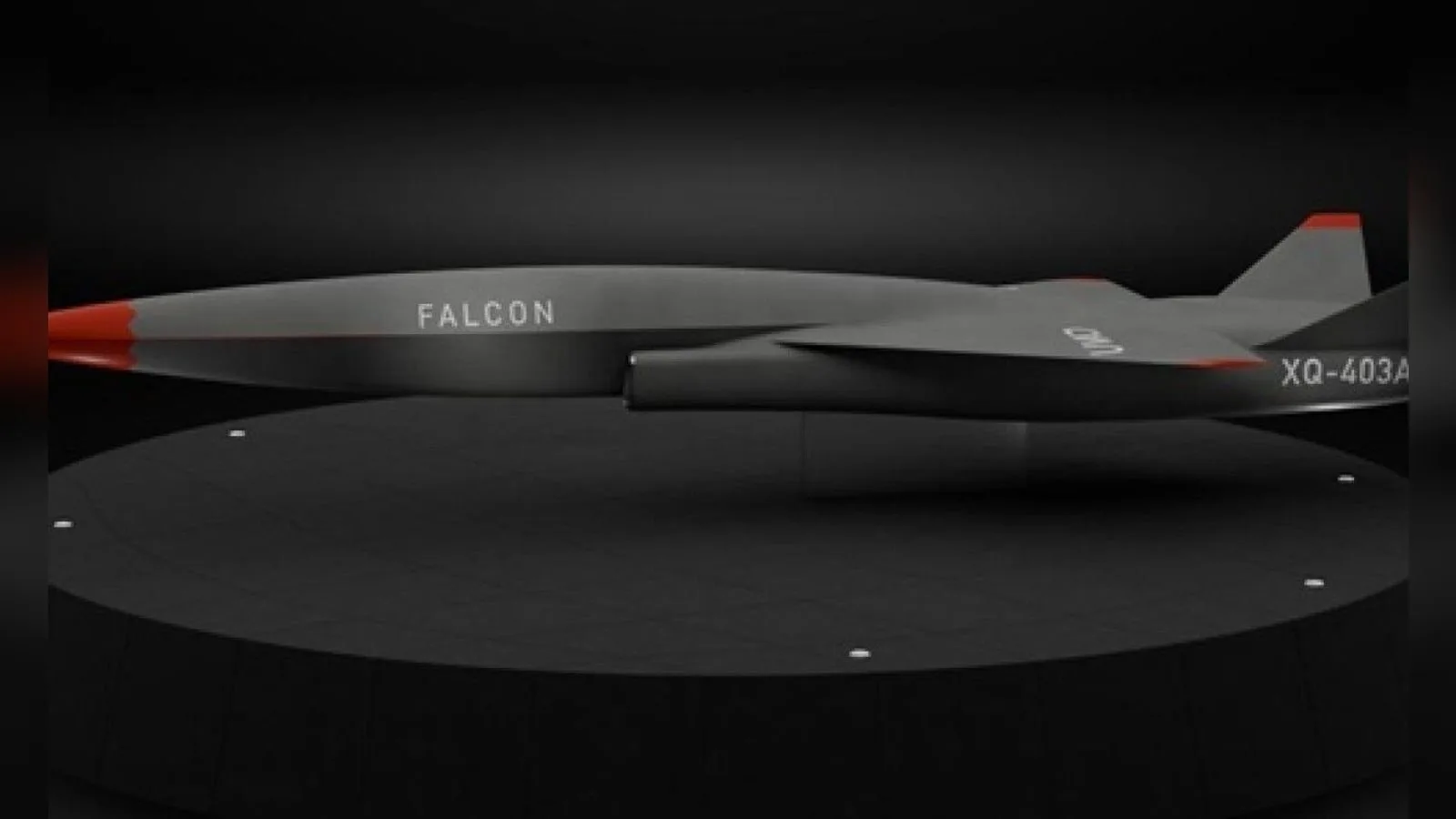
Falcon is a reusable supersonic uncrewed aerial target for missile-defense training, and its propulsion is the subject of a partnership between Safran Power Units and UVAD Technologies. Safran supplies two turbojet engines, and flight…
Honeywell tests 1 MW hybrid-electric generator for airship
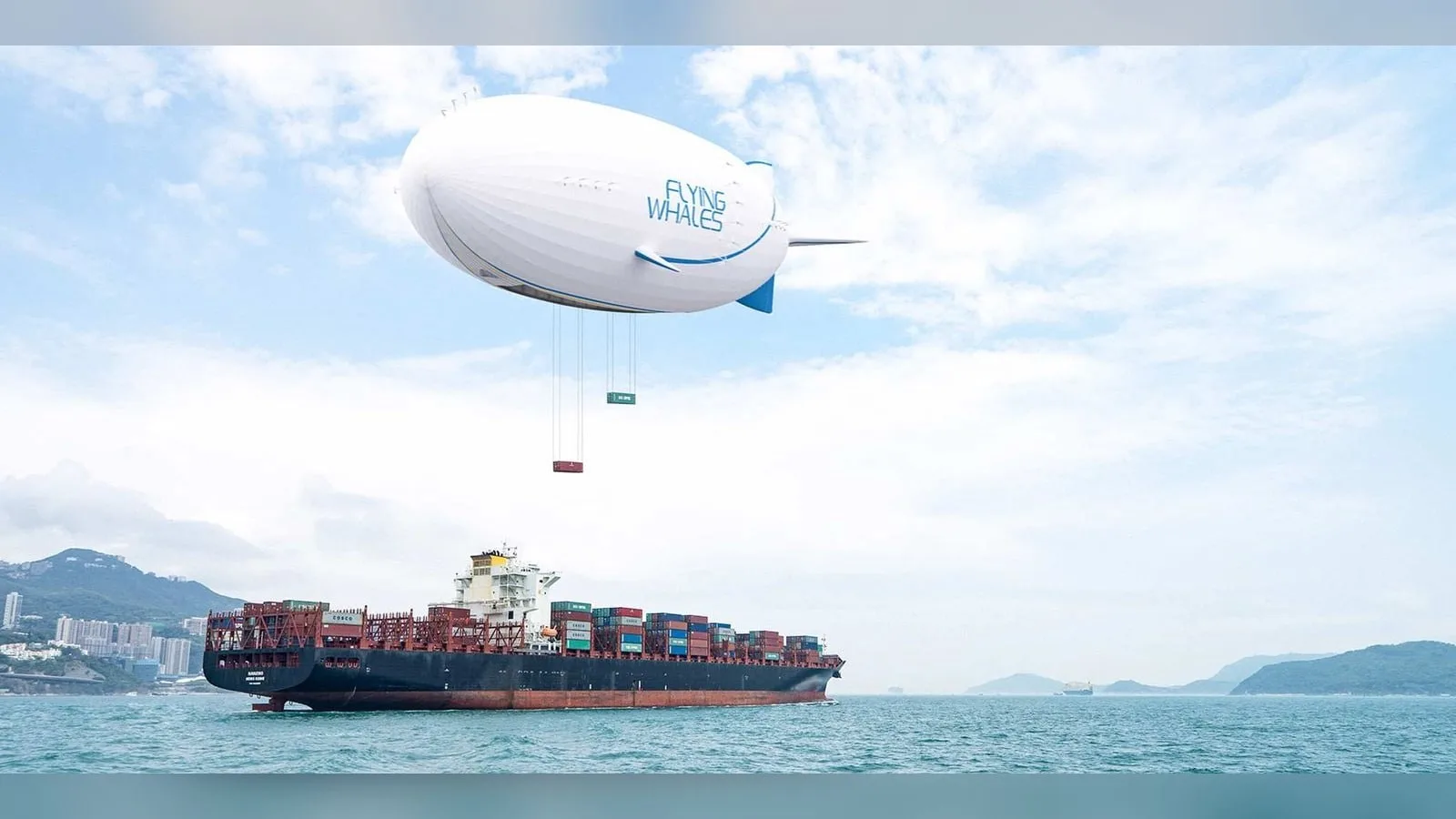
Honeywell Aerospace tests a 1 MW generator in a Mexicali test cell, and Flying Whales will integrate it into the hybrid-electric powertrain of its LCA60T airship. The unit reaches 1 MW steady state at 97% efficiency, giving…