Unverified
Aero Blade DUO Ku electronically steered SATCOM terminal
Also known as: AeroBladeDUOKu, Aero-Blade-DUO-Ku, Get SAT Aero Blade DUO Ku, Get SAT AeroBladeDUOKu
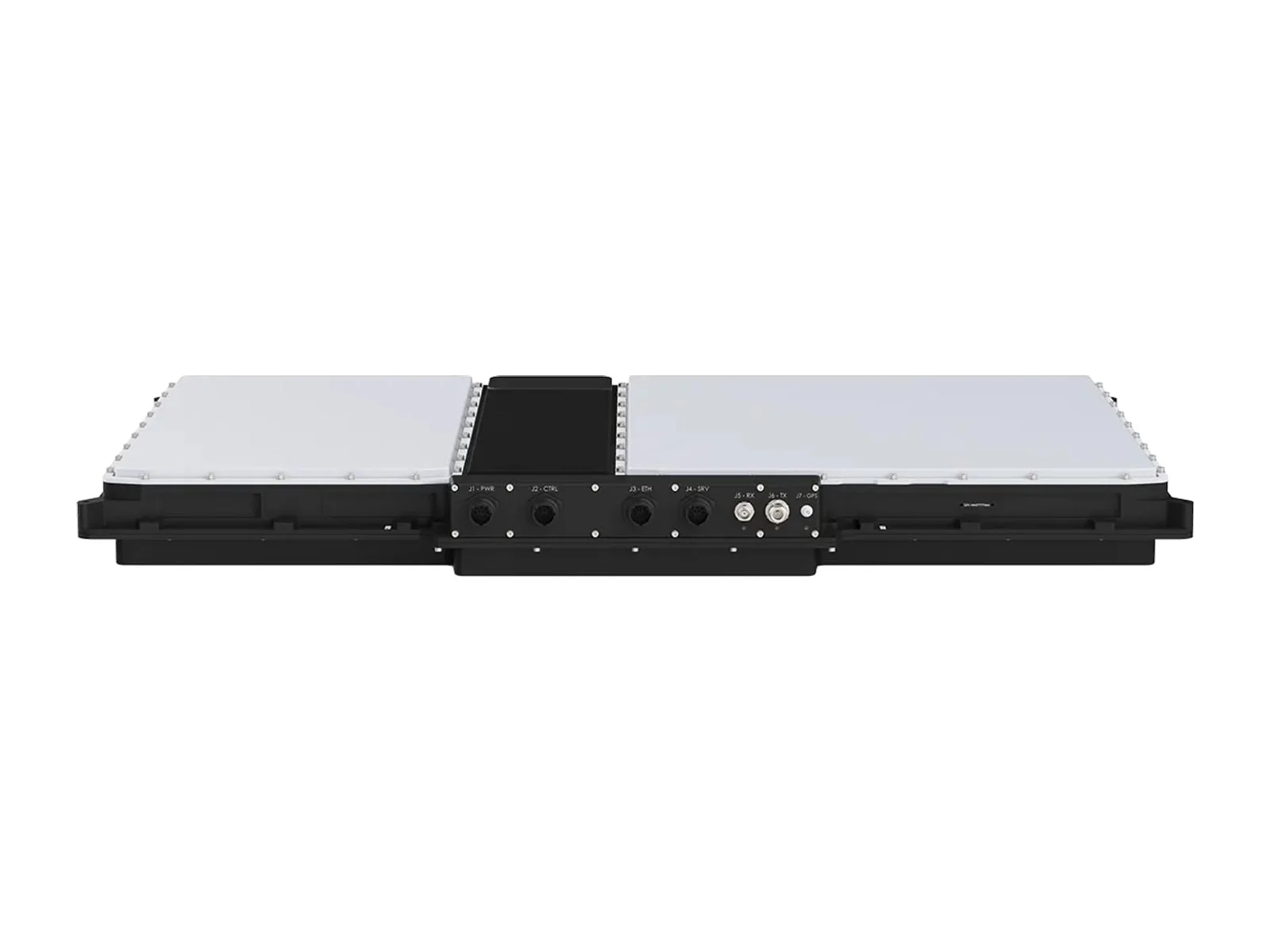
This electronically steered antenna terminal provides multi-orbit connectivity for commercial aircraft. It features a mass of 55,000 g and a typical power consumption of 620 W, ensuring reliable high-speed data links for mission-critical operations in dynamic flight conditions.
Description
The Aero Blade DUO Ku by Get SAT is an electronically steered antenna terminal for commercial aviation, designed to provide high-speed, multi-orbit satellite communication. This all-in-one system integrates a modem, antenna control unit, frequency converter, and tracking sensors into a single, low-profile unit to simplify installation on wide-body jets and executive aircraft.
This terminal supports transitions between GEO and LEO satellite networks, enabling rapid satellite handovers in milliseconds. By utilizing electronically steered technology, the system eliminates mechanical components, which enhances reliability and reduces maintenance requirements during operation in demanding airborne environments.
Key technical specifications include a mass of 55,000 g and a typical power consumption of 620 W for single-beam operation, with a full-power dual-beam consumption of 750 W. The system operates within a Ku frequency band, with transmit frequencies of 13.75–14.5 GHz and receive frequencies of 10.7–12.75 GHz. It provides a maximum EIRP of 48 dBW and a maximum G/T of 14 dB/K at boresight.
Integration is facilitated through an Ethernet management interface and support for ARINC-429 control signals. The terminal is designed for aerodynamic efficiency, featuring dimensions of 1000 x 682 x 94 mm. It is engineered to meet standard aviation qualifications, including DO-160, ensuring compatibility with the rigorous requirements of commercial flight installations.
The system is optimized for dynamic flight conditions, offering continuous 360° azimuth coverage and an elevation range of 15–90°. Its ability to maintain low-latency, high-data-rate connectivity makes it suitable for mission-critical applications and passenger in-flight services, ensuring consistent performance across global flight paths.
Aero Blade DUO Ku specifications
| General | |
|---|---|
| Grade | Professional[1][2] |
| Market | Civil[1][2] |
| Platform class | Manned aircraft[1][2] |
| Airframe | Fixed-wing[1][2] |
| Availability | In production[1][2] |
| Mass | 55,000 g[1][2] |
| Dimensions (L × W × H, mm) | 1000 x 682 x 94 mm[1][2] |
| Key specifications | |
| Satellite network | GEO · LEO[1][2] |
| Coverage | Global[1][2] |
| Additional specifications | |
| Frequency band | Ku[1][2] |
| Multi-link bonding | No[1][2] |
| Power consumption (typical) | 620 W[1][2] |
| Supply voltage | 48 – 48 V[1][2] |
| Physical interfaces | Ethernet[1][2] |
| Certifications and compliance | |
| Certifications | DO-160 |
Sources
- getsat.com/products/aero-blade-duo-ku · checked November 25, 2026
- getsat.com/esa/aero-blade-series · checked November 25, 2026
Frequently asked questions
What frequency bands does the Aero Blade DUO Ku support?
The terminal operates in the Ku band, with a transmit frequency range of 13.75-14.5 GHz and a receive frequency range of 10.7-12.75 GHz.
Does the Aero Blade DUO Ku require mechanical maintenance for its antenna?
No, the terminal uses an electronically steered design that eliminates mechanical components, which reduces maintenance needs.
What is the power consumption of the Aero Blade DUO Ku?
The power consumption is 620 Watts for a single beam configuration and 750 Watts for a dual beam configuration at full power.
What is the physical weight of the Aero Blade DUO Ku terminal?
The terminal weighs 55 kilograms, with a tolerance of plus or minus 5 percent.
How quickly can the Aero Blade DUO Ku perform satellite handovers?
The terminal executes satellite handovers in milliseconds to ensure uninterrupted service.
Reviews & Ratings
– / 5
No reviews yet. Be the first to rate.
Rate this product
Almost done: send the form below to publish your rating.
Thank you: your review is published and already counts in the rating.
Demo mode: the form is not connected yet and nothing was sent.







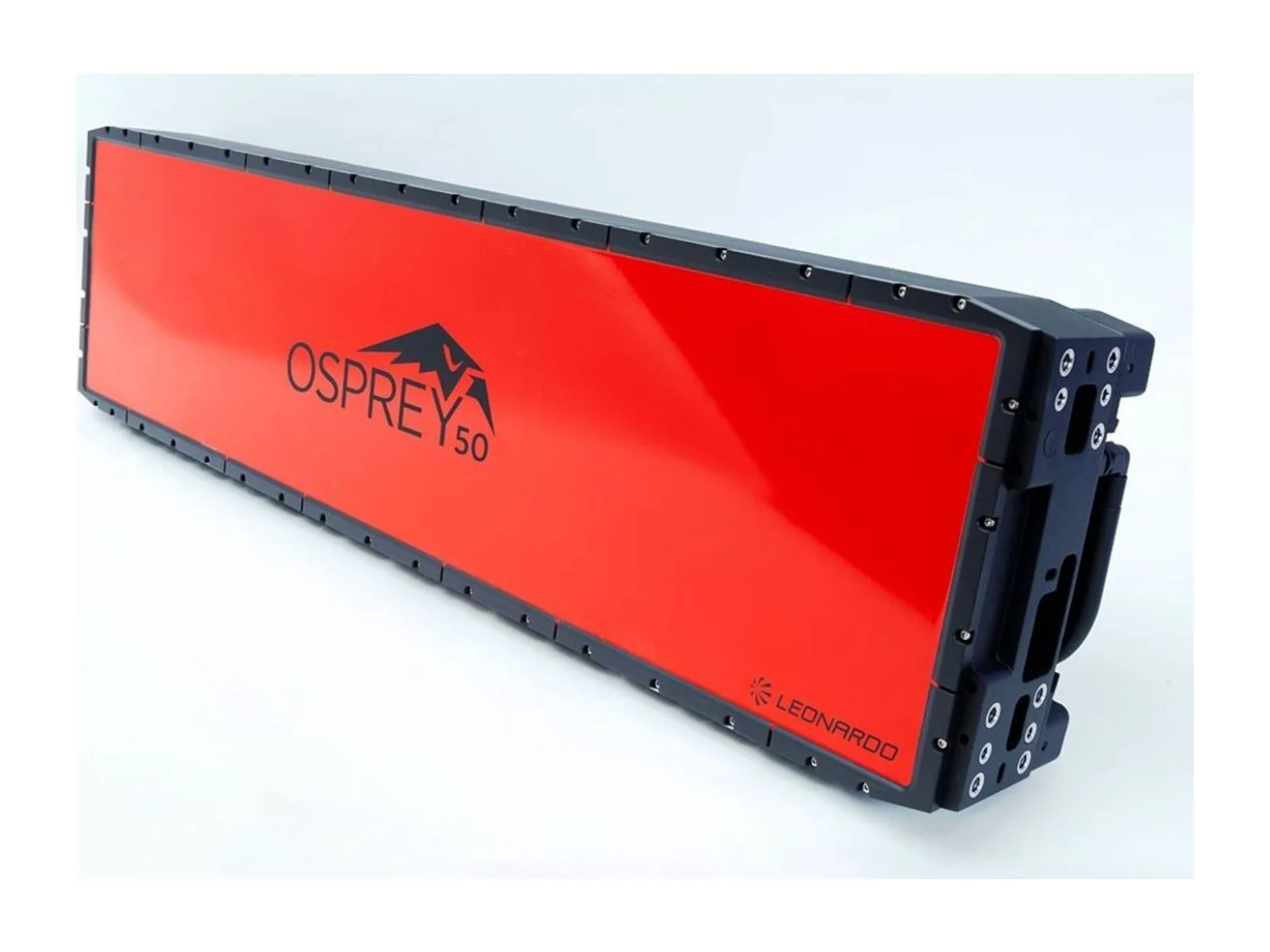

Similar BLOS links from other manufacturers
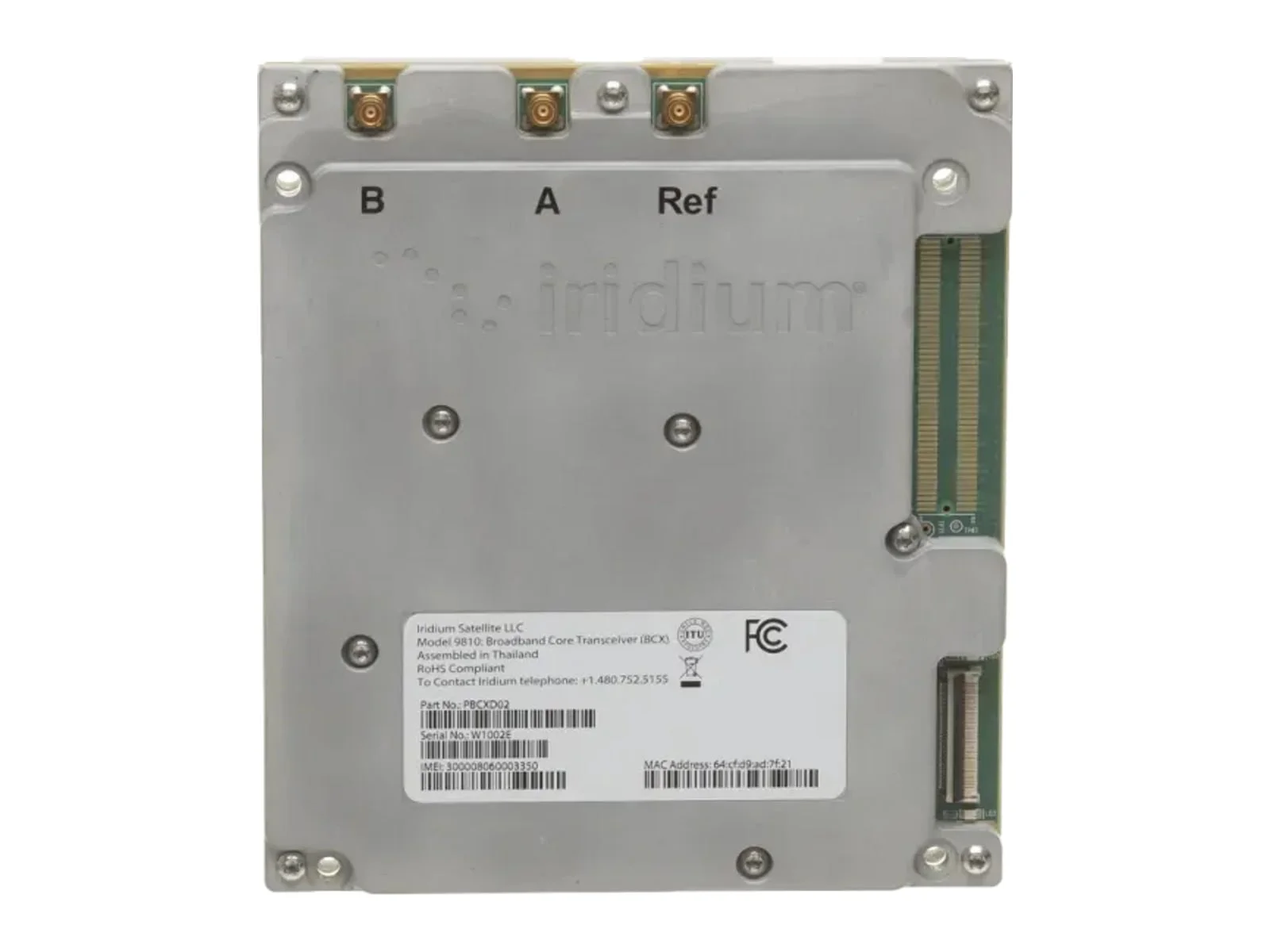 FeaturedBLOS links
Iridium Certus 9810 satellite communications module
- Data rate
- 704 kbps
- Coverage
- Global
- Antenna type
- Omnidirectional
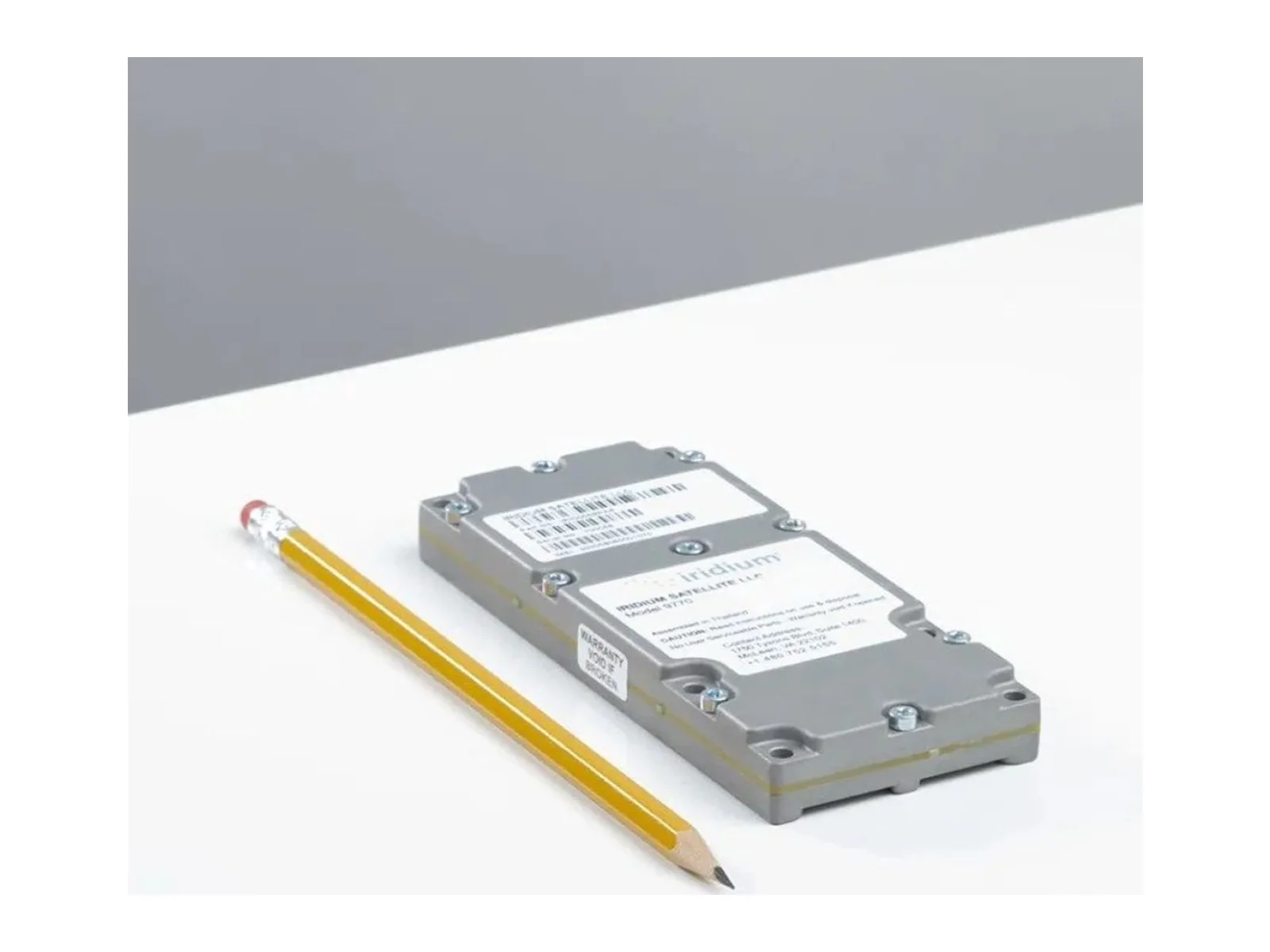 FeaturedBLOS links
Iridium Certus 9770 beyond-line-of-sight connectivity product
- Data rate
- 88 kbps
- Coverage
- Global
- Antenna type
- Omnidirectional
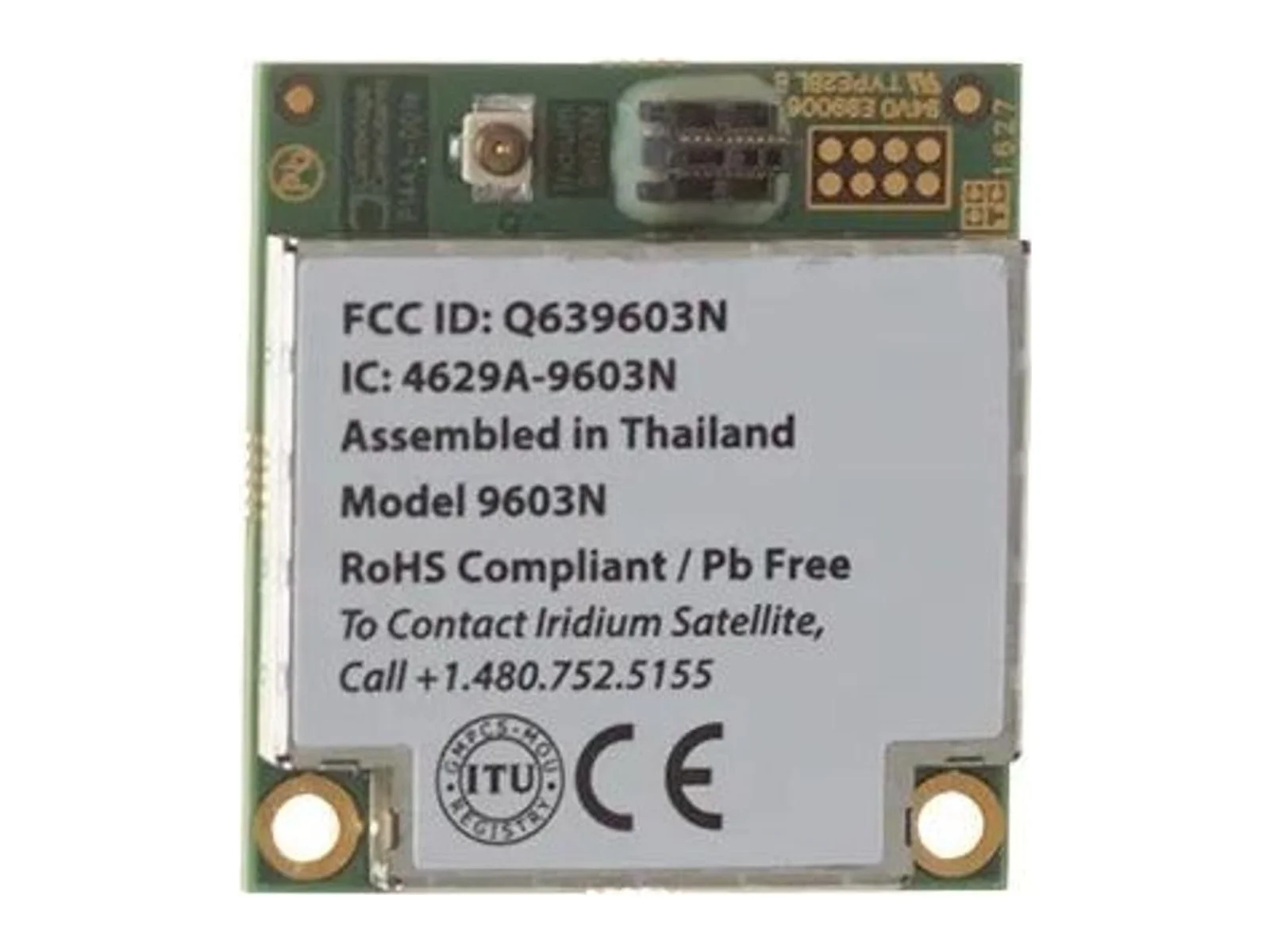 FeaturedBLOS links
Iridium 9603 beyond-line-of-sight connectivity product
- Coverage
- Global
- Grade
- Professional
- Market
- Dual-use
 FeaturedBLOS links
EXPLORER beyond-line-of-sight connectivity product
- Grade
- Professional
- Market
- Dual-use
- Availability
- In production
 FeaturedBLOS links
Flat Panel Medium multi-orbit Ka-band BLOS satcom terminal
- Antenna type
- Flat panel
- Grade
- Professional
- Market
- Dual-use
 FeaturedBLOS links
Halo beyond-line-of-sight connectivity product
- Grade
- Professional
- Market
- Dual-use
- Availability
- In production
More from Get SAT
- FeaturedTracking antennas
Sling Blade DUO LM Ku electronically steerable antenna
- Tracking type
- Electronic (phased array)
- Azimuth range
- 360 °
- Elevation range
- 1,590 °
 FeaturedTracking antennas
Sling Blade SOLO LM Ku electronically steerable antenna
- Tracking type
- Electronic (phased array)
- Azimuth range
- 360 °
- Elevation range
- 1,590 °
 FeaturedTracking antennas
Aero Blade SOLO Ku electronically steered antenna terminal
- Tracking type
- Electronic (phased array)
- Azimuth range
- 360 °
- Elevation range
- 1,590 °
 FeaturedTracking antennas
Aero Blade M PICO Ka tracking antenna
- Tracking type
- Electronic (phased array)
- Azimuth range
- 360 °
- Elevation range
- 2,090 °
Key terms
- COFDM
COFDM is coded orthogonal frequency-division multiplexing, a modulation that spreads data over many narrow subcarriers and adds error-correcting coding, used for robust video and data links to moving aircraft.
- DO-160
DO-160 is the RTCA standard (EUROCAE ED-14) that defines environmental test conditions and procedures for airborne equipment, covering temperature, altitude, vibration, humidity, EMI and lightning among other sections.
- GNSS anti-jamming (CRPA)
GNSS anti-jamming with a controlled reception pattern antenna (CRPA) uses an array of antenna elements and adaptive processing to place nulls toward interference and keep satellite signals usable.
- link budget
A link budget is the accounting of all gains and losses between a transmitter and a receiver, in decibels, used to find the received power and the margin above the receiver's minimum.
Related news
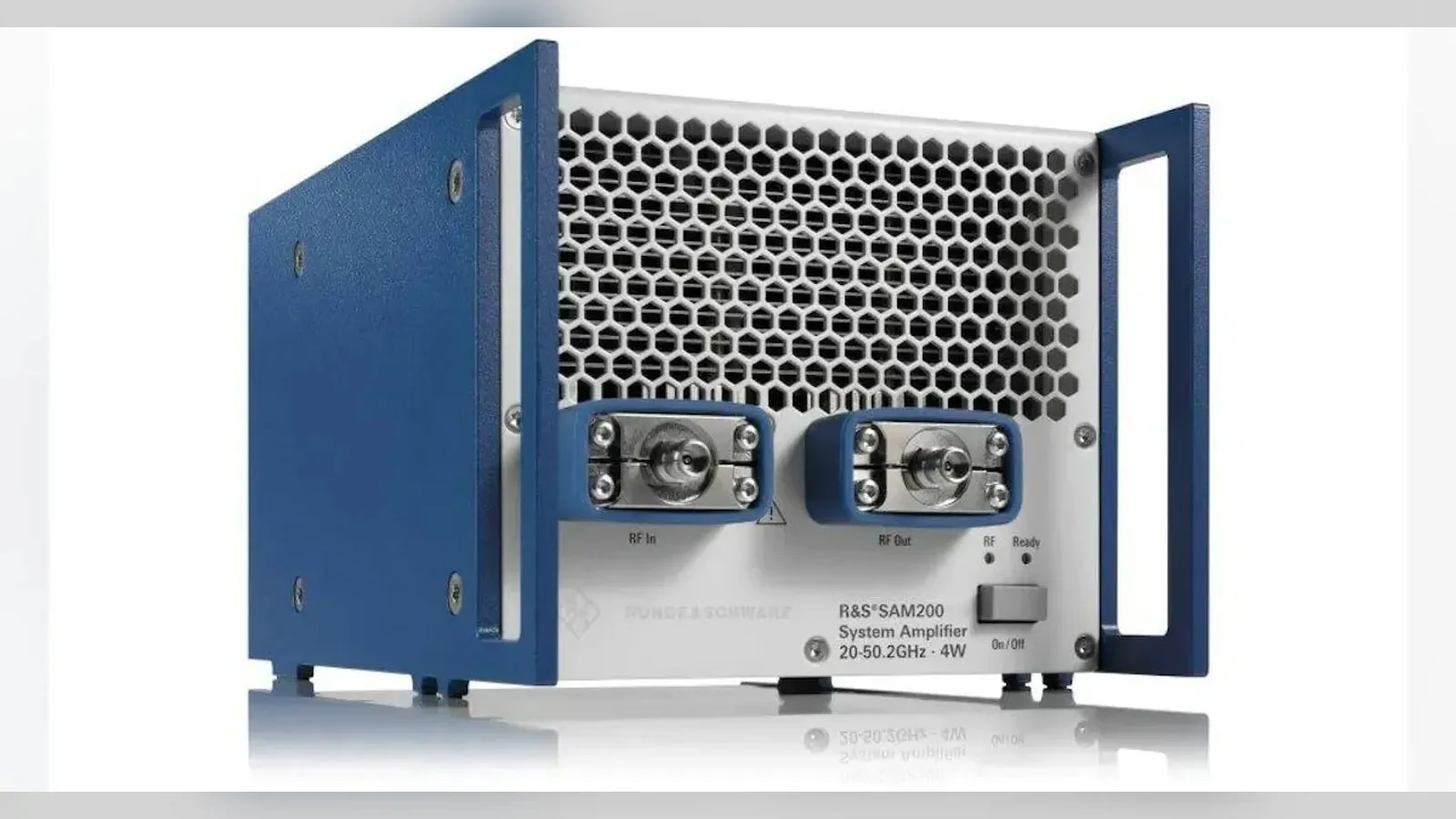
20-53 GHz system amplifiers for RF test from Rohde & Schwarz
Rohde & Schwarz introduces the R&S SAM200 and SAM200 Advanced, two solid-state system amplifiers that cover 20 to 53 GHz for testing high-frequency RF components. Both reach up to 4 watts of saturation power, aimed at Ka-, Q- and V-band…

Elsight Halo multilink unit named Award-Ready by Army lab
Elsight's Halo multilink unit earns Award-Ready status in DevX Autonomy, the Army Applications Laboratory's marketplace of assessed solutions. The status makes the unit's assessment video available to government customers who can consider…

Iridium NTN Direct activates NB-IoT satellite service
Iridium activates Iridium NTN Direct, a 3GPP standards-based NB-IoT and direct-to-device satellite service with global coverage. Chipset makers, mobile network operators and device manufacturers can add an Iridium satellite link to…
This product listing is maintained by our editorial team and may contain errors. Last updated .