Unverified
SkyTrax 3000 dual-band ADS-B In receiver
Also known as: SkyTrax3000, SkyTrax-3000, Avidyne Corporation SkyTrax 3000, Avidyne Corporation SkyTrax3000
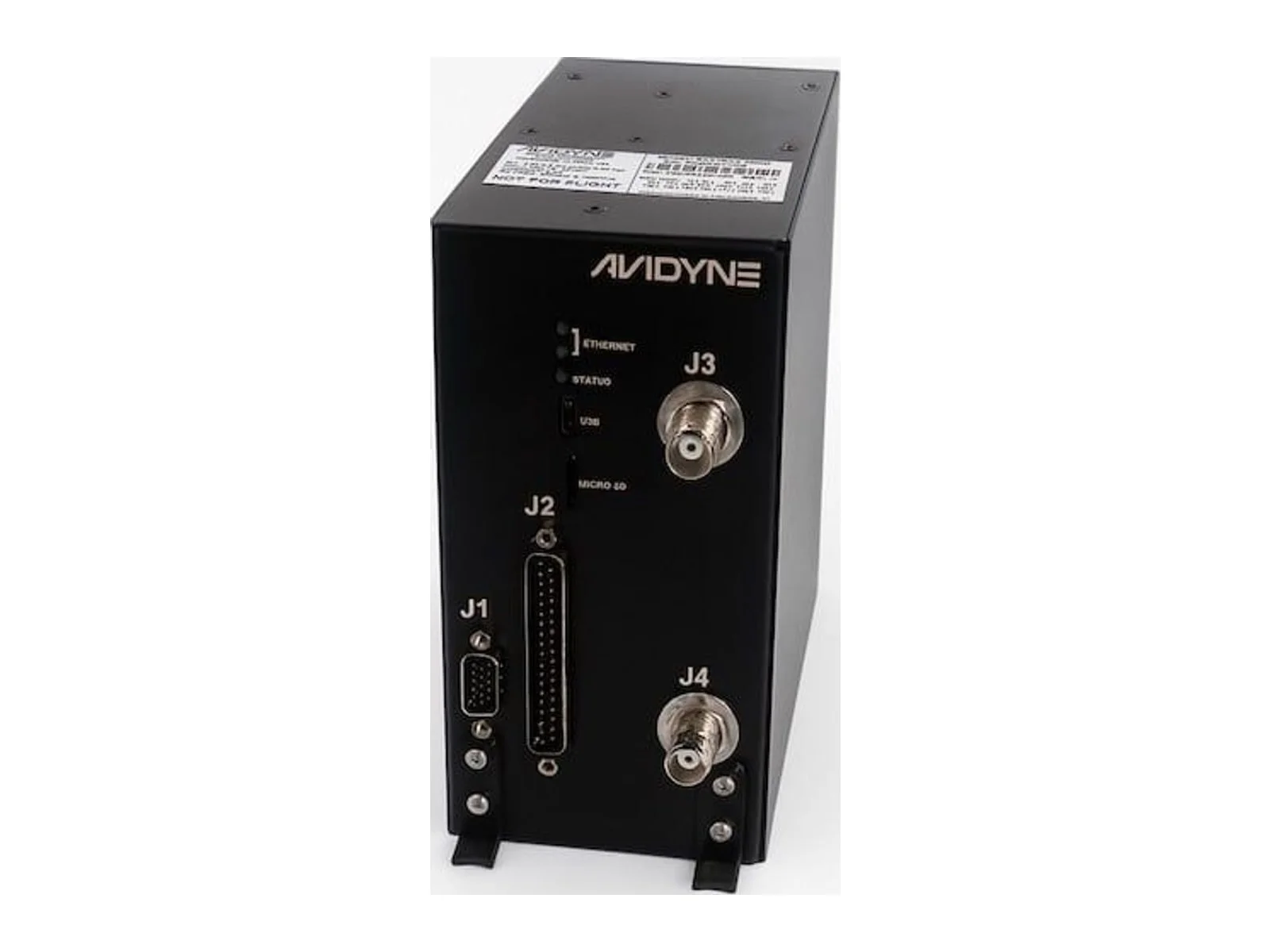
The SkyTrax 3000 is a dual-band ADS-B In receiver designed to provide surveillance capabilities for professional aircraft. It weighs 1,810 g and operates at altitudes up to 55,000 ft, ensuring comprehensive traffic awareness and weather data integration for complex airspace environments.
Description
The SkyTrax 3000 dual-band ADS-B In receiver by Avidyne is a TSO-certified surveillance system engineered to provide modern traffic and weather data to aircraft cockpits. This unit integrates with existing TCAS II systems, transponders, and cockpit displays to enhance situational awareness without requiring extensive modifications to the aircraft avionics suite.
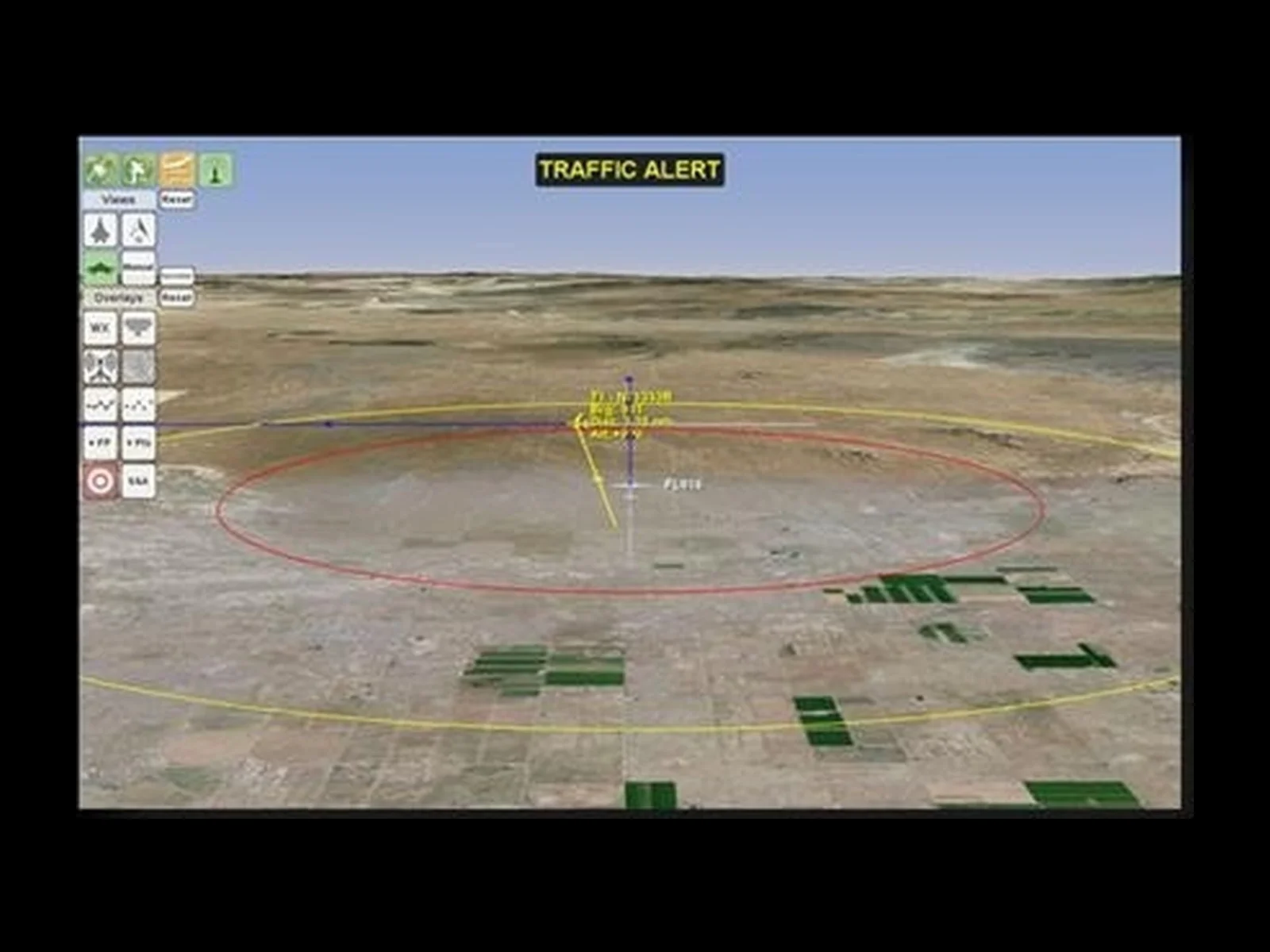
This system functions by receiving both 1090 MHz and 978 MHz UAT signals, ensuring comprehensive coverage of ADS-B equipped aircraft. By combining this data with TCAS II inputs and TIS-B secondary radar tracks, the receiver generates a precise traffic picture. This capability allows for accurate traffic advisories and directional voice callouts, particularly during approach and landing phases where traditional TCAS II protection volumes may be less effective.
Designed for straightforward integration, the unit supports existing cockpit architectures and provides FIS-B weather data to compatible displays. It is built to meet rigorous standards, including DO-178C and DO-254 DAL B, ensuring reliability in complex airspace environments. The system is also engineered to support future surveillance applications such as SURF, FIM, and CAVS.
With a mass of 1,810 g and dimensions of 304.8 mm by 83.3 mm by 163.8 mm, the hardware is compact for installation in constrained avionics bays. It operates across a wide temperature range of -55–70 °C and requires no external cooling, simplifying the installation process for operators. The system is powered by a 9–33 V supply, with a typical power consumption of 6.16 W.
Compliance with DO-160G environmental standards confirms the robustness of the design for high-altitude operations up to 55,000 ft. The receiver is certified to multiple TSO standards, including TSO-C166c, TSO-C154d, TSO-C195c, and TSO-C157d, making it a suitable choice for professional aviation platforms requiring enhanced surveillance and weather integration.
SkyTrax 3000 specifications
| General | |
|---|---|
| Grade | Aerospace-grade[1] |
| Market | Civil[1] |
| Platform class | Manned aircraft[1] |
| Airframe | Any[1] |
| Availability | In production[1] |
| Certifications | DO-178C, DO-254, TSO/ETSO, DO-160G[1] |
| Mass | 1,810 g[1] |
| Dimensions (L × W × H, mm) | 304.8 × 83.3 × 163.8[1] |
| Operating temperature | -55 – 70 °C[1] |
| Waterproofness (IP rating) | None[1] |
| Key specifications | |
| Function | ADS-B In[1] |
| Datalink | Both[1] |
| Integrated GNSS | No[1] |
| Additional specifications | |
| ADS-B In | Yes[1] |
| Remote ID | No[1] |
| Max altitude | 55,000 ft[1] |
| Antenna diversity | No[1] |
| Power consumption (typical) | 6.16 W[1] |
| Supply voltage | 9 – 33 V[1] |
| Certifications and compliance | |
| Certifications | TSO-C166c · TSO-C154d · TSO-C195c · TSO-C157d · DO-178C · DO-254 |
Sources
- avidyne.com/shop/business-aviation/skytrax3000-dual-band-ads-b-in-receiver · checked November 28, 2026
Frequently asked questions
Does the SkyTrax 3000 require modifications to existing cockpit equipment?
No, the system is designed to be installed without requiring modifications to your existing TCAS II, transponders, or flight displays.
What are the power requirements for the SkyTrax 3000?
The unit operates on 9-33VDC and consumes 0.22A at 28VDC.
Does the SkyTrax 3000 require external cooling?
No, the device does not require any external cooling.
Reviews & Ratings
– / 5
No reviews yet. Be the first to rate.
Rate this product
Almost done: send the form below to publish your rating.
Thank you: your review is published and already counts in the rating.
Demo mode: the form is not connected yet and nothing was sent.








Similar ADS-B transponders from other manufacturers
 Featured
 FeaturedADS-B transponders
ping200X Mode S ADS-B Out transponder
- Function
- Transponder
- Datalink
- 1090ES
- Transmit power
- 250 W
 FeaturedADS-B transponders
GTX 345 Mode S ADS-B surveillance transponder
- Grade
- Aerospace-grade
- Market
- Civil
- Availability
- In production
 FeaturedADS-B transponders
TRA-67A aviation surveillance device
- Function
- Transponder
- Grade
- Aerospace-grade
- Market
- Civil
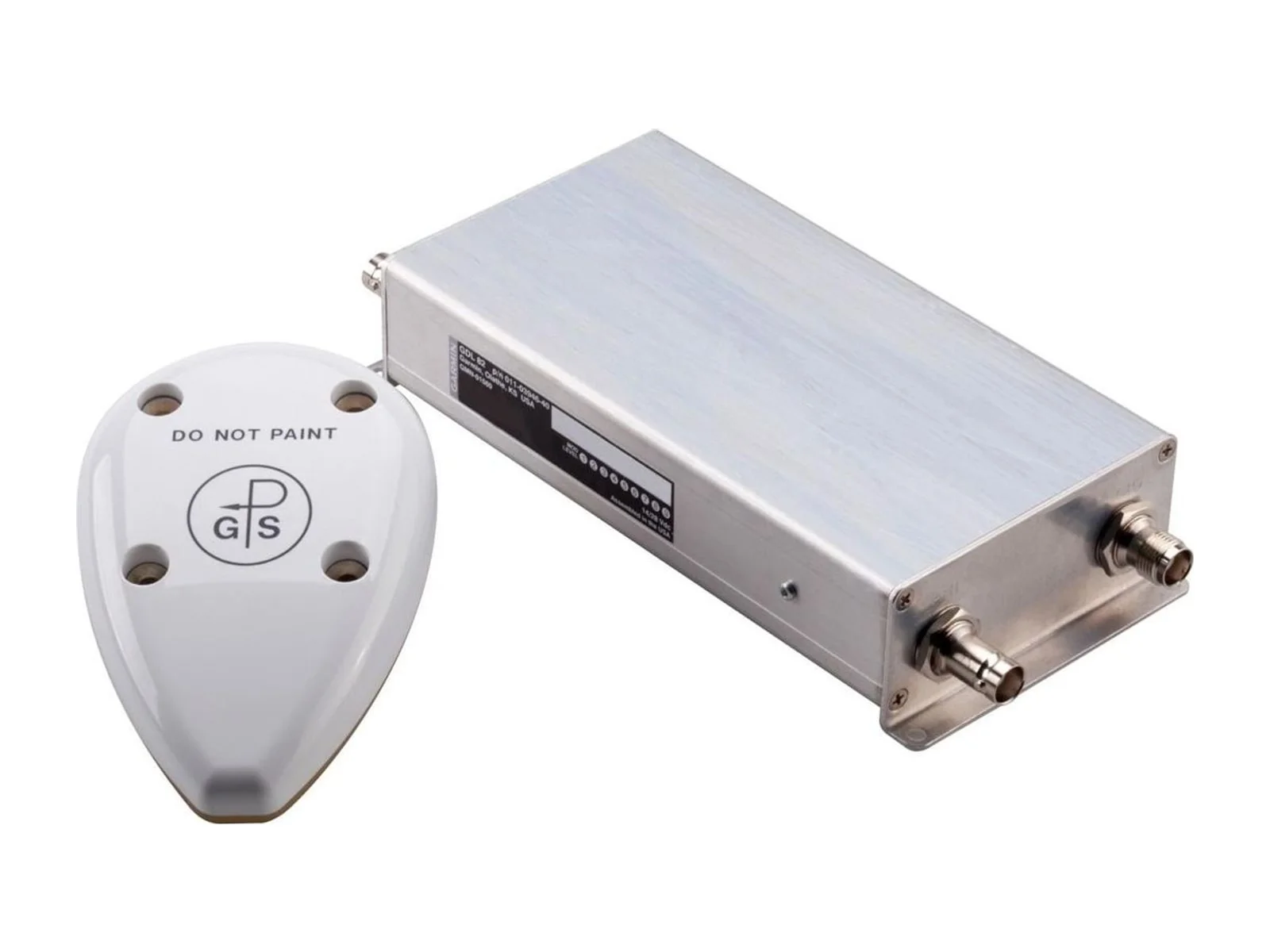 FeaturedADS-B transponders
GDL 82 aviation surveillance device
- Function
- ADS-B Out
- Datalink
- 978 UAT
- Grade
- Aerospace-grade
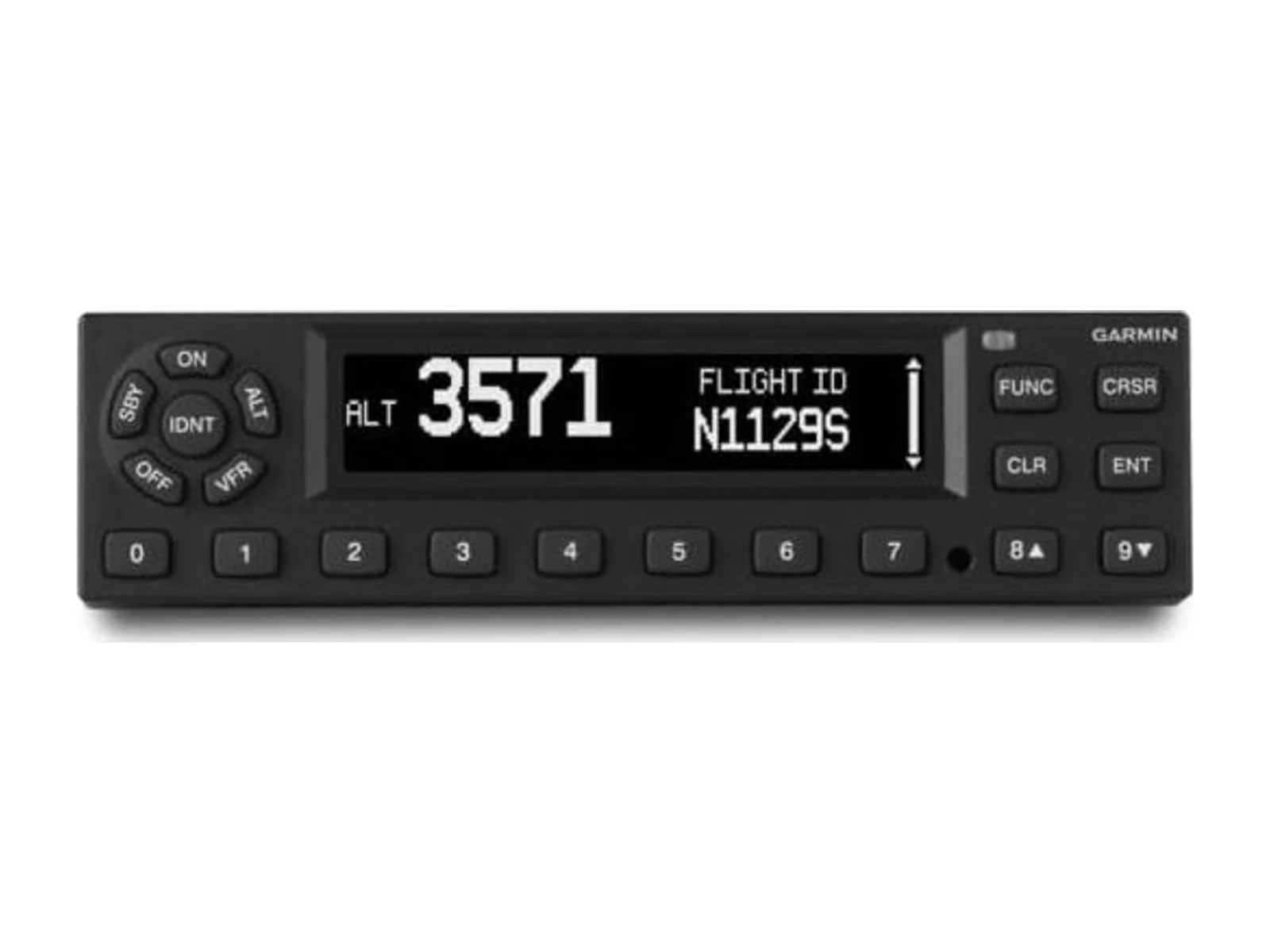 FeaturedADS-B transponders
GTX 335 aviation surveillance device
- Function
- Transponder
- Datalink
- 1090ES
- Grade
- Aerospace-grade
View all: Similar ADS-B transponders from other manufacturers
More from Avidyne Corporation
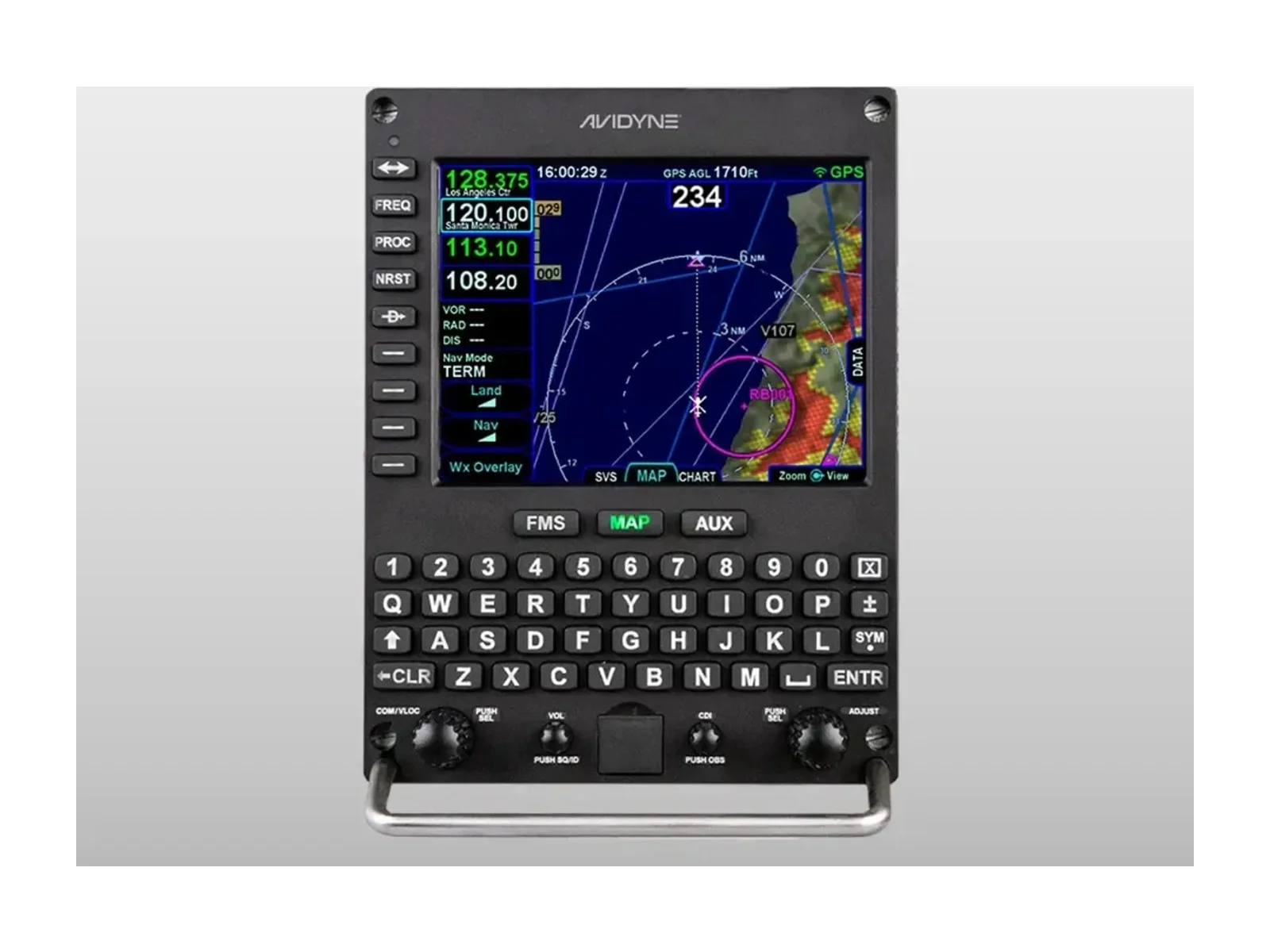 FeaturedGNSS receivers
Avidyne Helios Multifunction SBAS Flight Management System
- Constellations
- GPS
- Grade
- Aerospace-grade
- Market
- Dual-use
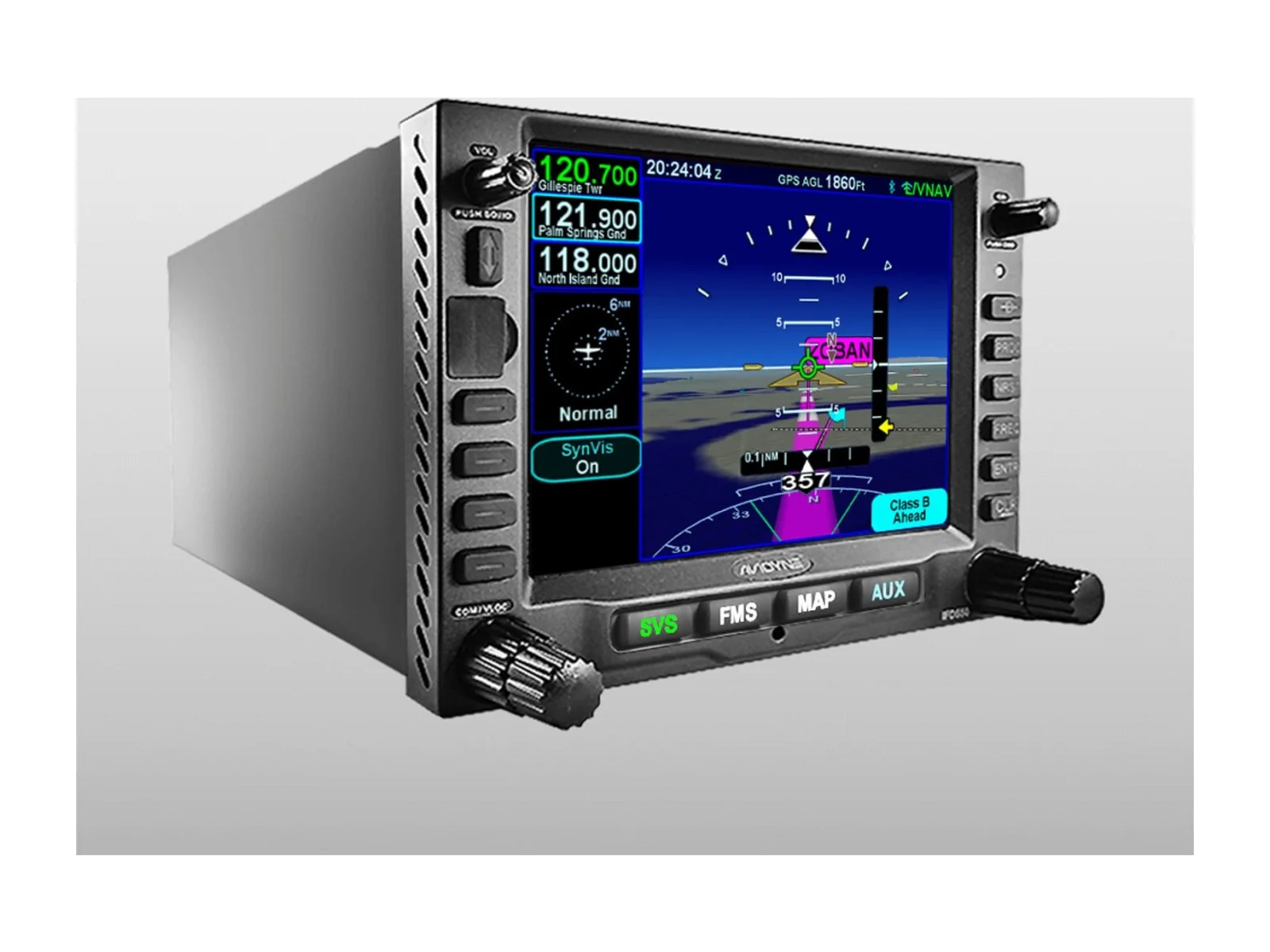 FeaturedFlight controllers
IFD550 Integrated Flight Display
- Redundancy
- Simplex
- Software stack
- Proprietary
- Design assurance level
- None
- FeaturedFlight deck
IFD440 FMS/GPS/NAV/COM Integrated Flight Display
- Product type
- Integrated flight deck
- Display size
- 4.8 in
- Grade
- Professional
- FeaturedCollision avoidance
SkyTrax600 Traffic Advisory System
- Sensor type
- Transponder interrogation
- Grade
- Aerospace-grade
- Market
- Civil
Key terms
- COFDM
COFDM is coded orthogonal frequency-division multiplexing, a modulation that spreads data over many narrow subcarriers and adds error-correcting coding, used for robust video and data links to moving aircraft.
- DO-160
DO-160 is the RTCA standard (EUROCAE ED-14) that defines environmental test conditions and procedures for airborne equipment, covering temperature, altitude, vibration, humidity, EMI and lightning among other sections.
- GNSS anti-jamming (CRPA)
GNSS anti-jamming with a controlled reception pattern antenna (CRPA) uses an array of antenna elements and adaptive processing to place nulls toward interference and keep satellite signals usable.
- link budget
A link budget is the accounting of all gains and losses between a transmitter and a receiver, in decibels, used to find the received power and the margin above the receiver's minimum.
Related news

Tactical 5G network links C-UAS systems in Ericsson trial
Ericsson has connected counter-UAS and air defense systems over a tactical 5G network during Spain's ATLAS 26 exercise, linking sensors, radars, command posts and effectors without fixed cabling. Ericsson says Spain's military had never…

Durabook rugged tablet and laptop GCS platforms for UAS
Durabook, a brand of Twinhead International Corporation, presents a ground control station portfolio built on rugged tablet and laptop computers. The configurable range covers uncrewed air, ground and maritime systems and supports WinTAK…
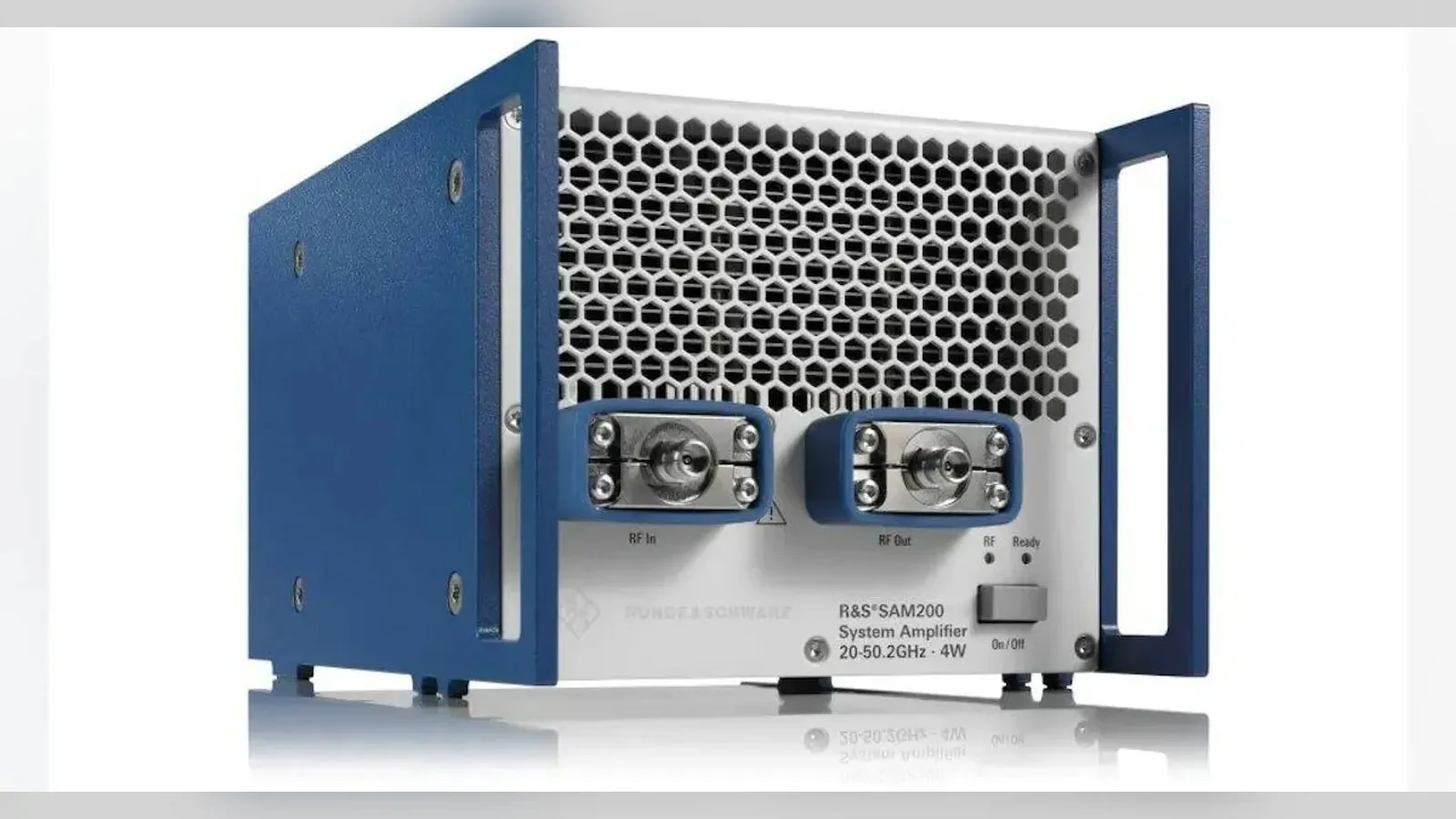
20-53 GHz system amplifiers for RF test from Rohde & Schwarz
Rohde & Schwarz introduces the R&S SAM200 and SAM200 Advanced, two solid-state system amplifiers that cover 20 to 53 GHz for testing high-frequency RF components. Both reach up to 4 watts of saturation power, aimed at Ka-, Q- and V-band…
This product listing is maintained by our editorial team and may contain errors. Last updated .