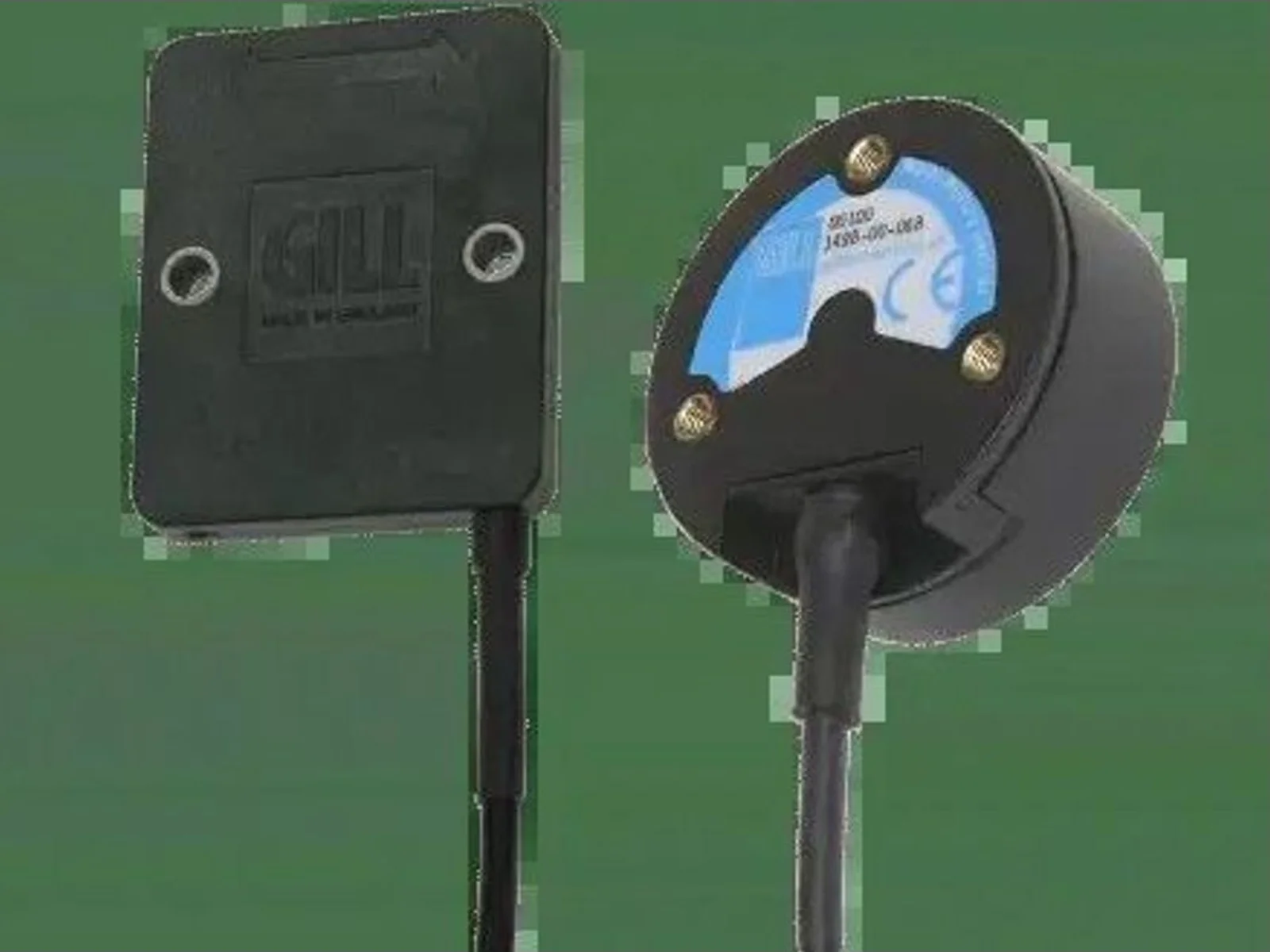
Fuel level sensors for UAVs is a fuel-measurement product that provides information about the fuel held in or moving through a system. It forms part of a fuel-monitoring installation, connecting the sensing element with the equipment that processes and displays fuel data.
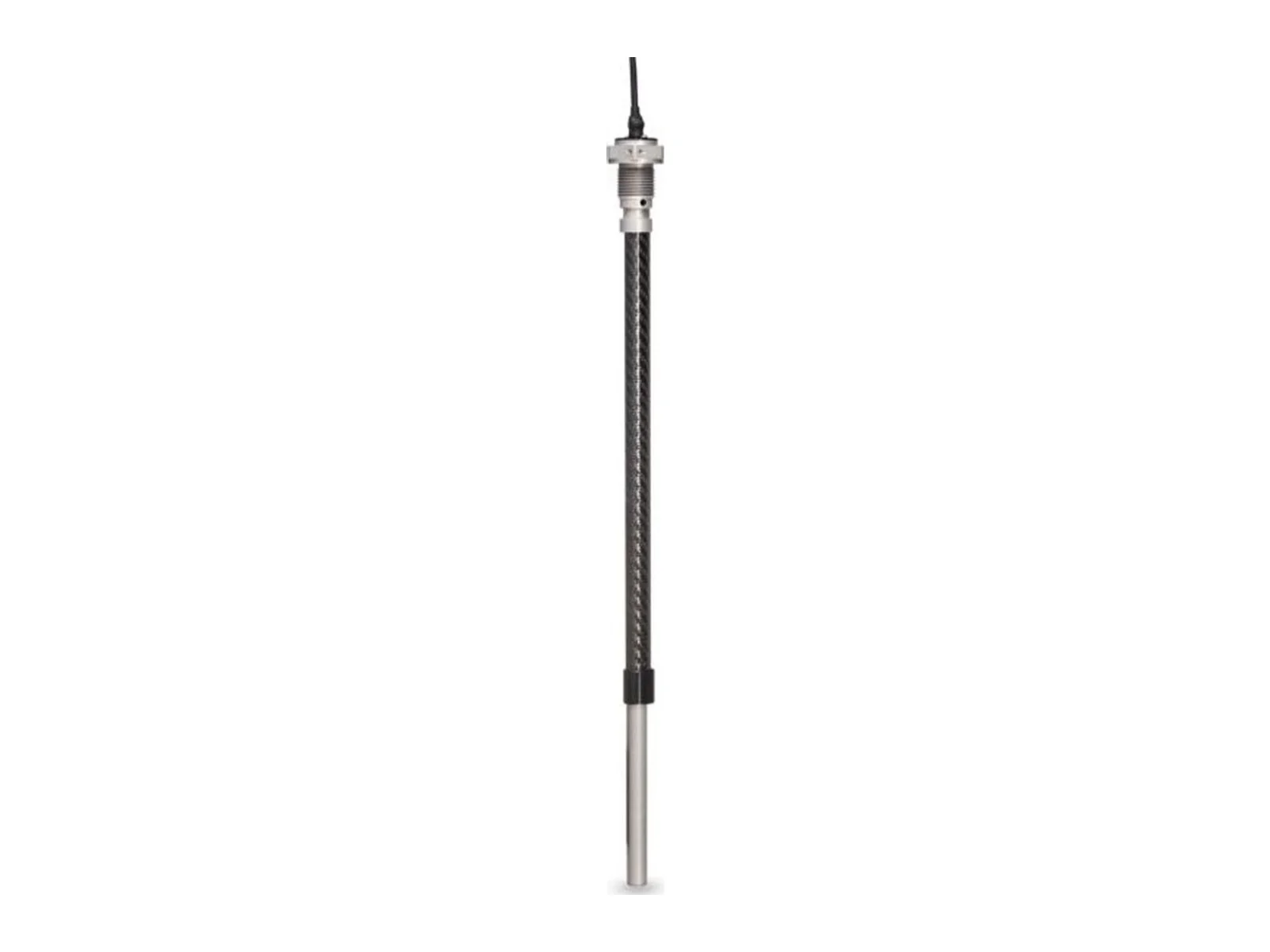
The Fuel level sensors for UAVs is a fuel-measurement product from Gill Sensors & Controls with a capacitive measuring principle. Fuel level sensors for UAVs are capacitive liquid level sensors from Gill Sensors & Controls, a UK manufacturer, used to measure the quantity of fuel in the tank of an unmanned aircraft. Within Gill's range, the lightweight LevelLite sensor is the design the maker positions for UAV and motorsport use, and it is the model whose datasheet figures are given here. The sensor reports the fuel level continuously, so the flight computer or ground station can follow consumption and estimate remaining endurance.
The measuring principle is capacitive and solid state, with no moving parts. Gill states that this gives reliable service where temperature changes and vibration are present, and that the sensor design gives a damped response that reduces the effect of fuel sloshing in a moving vehicle. The sensors are compatible with gasoline, diesel, kerosene-based jet fuels including JP-5 and JP-8, and Avgas, and the LevelLite datasheet also lists biofuels, oils, coolants and salt water. Each sensor is factory calibrated for the liquid it will measure, with temperature compensation, and a tank profiling function allows a volumetric output for irregular tank shapes.
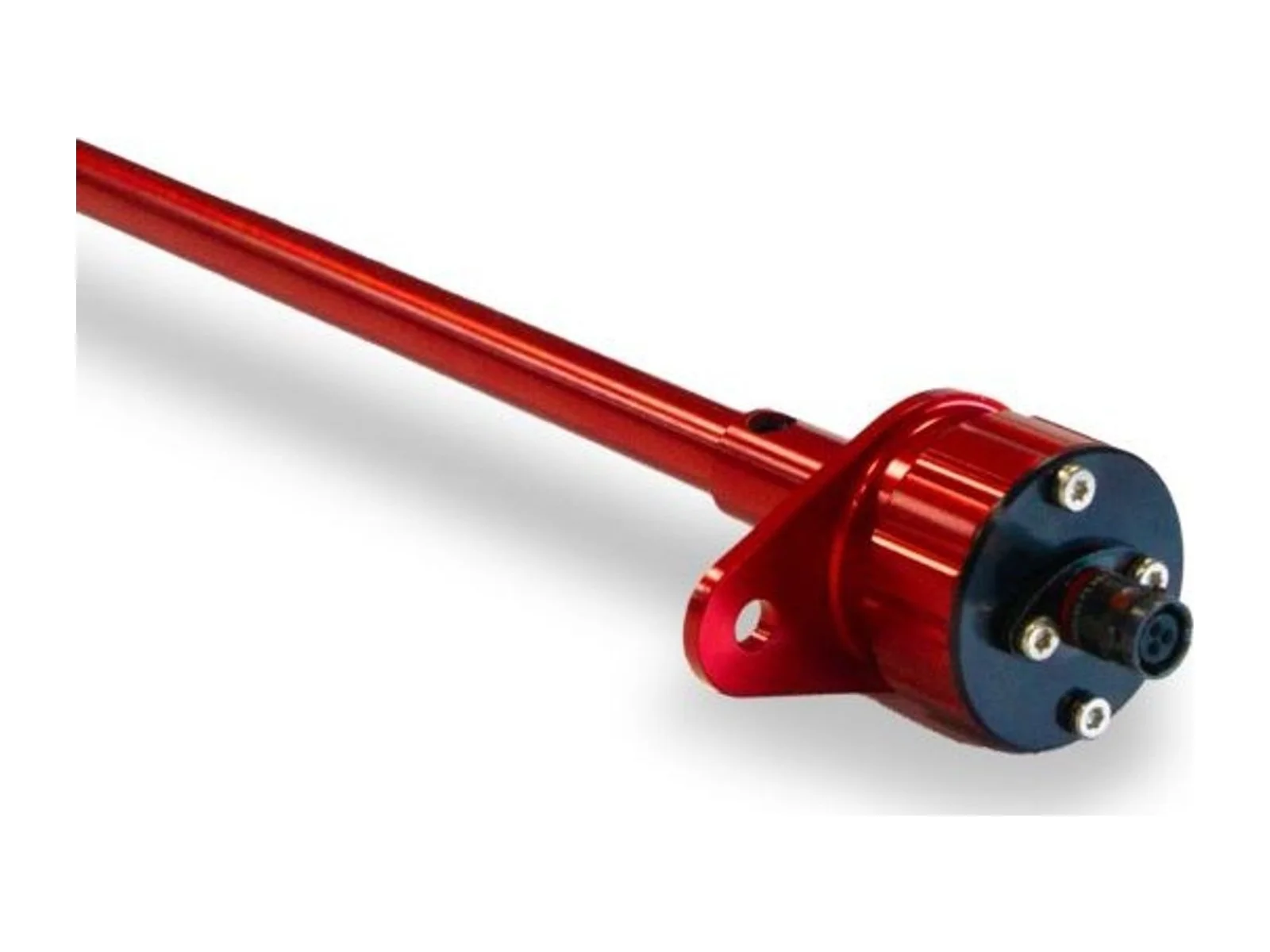
The LevelLite is built from 6082 aluminium with sealed electronics. Accuracy is 1% of full scale deflection at 20 degrees C. Probe lengths from 100 mm to 750 mm are available in 1 mm steps, the mass without cable is 48 g for a 100 mm probe plus 0.256 g for each additional millimetre, and the sensor has an ingress protection rating of IP68. Its operating temperature range is -40 to +125 degrees C, subject to a derating graph in the datasheet. For a UAV integrator, the low mass and the choice of exact probe length mean that the sensor can be matched to tank depth without adding weight that would reduce flying time.
For integration, the primary output is 0.25 to 4.75 V DC as standard, with a maximum range of 0.25 to 10 V, at a resolution of 10 bits and a sample rate of 100 Hz. A secondary output is available either as a switched open-collector output rated 50 V and 1 A, usable as a low-fuel alarm, or as a temperature output. The supply voltage is 5 to 32 VDC and the supply current is below 20 mA. An RS232 data interface allows configuration with the GSlevel software through a USB to RS232 adaptor. Mounting uses 1, 2, 3 or 5 hole flanges or an M22 x 1.5 thread, with panel gasket or O-ring sealing, a flying lead cable of 1000 mm and a top or side cable exit. The sensor can be installed at the top of the tank or inverted.
The datasheet lists shock testing to BS EN 60068-2-27, vibration from 5 to 2500 Hz, and EMC testing to BS EN 60945, BS EN 61326 and BS EN 61000-6-1/2/3/4. The sensor is not designed or certified for ATEX environments. Typical applications are unmanned aerial vehicles, light aero applications, and motorsport, and Gill also supplies a liquid level display that can map the tank shape to show true volume.
Specifications
Specifications · Fuel level sensors for UAVs fuel-measurement product
General
Grade
Professional
Market
Dual-use
Platform class
Small UAS (<25 kg), Large UAS (25–150 kg), Heavy UAS (>150 kg), eVTOL, Ground
How can I access technical documentation for Gill sensors?
You can download technical resources such as datasheets, manuals, software, and firmware directly from the Downloads area on the website without needing to fill out a form.
Can I speak directly with a technical expert regarding my application?
Yes, you can request a call in your message when submitting an application or technical enquiry through the contact form.
Reviews & Ratings
–/ 5
No reviews yet. Be the first to rate.
Rate this product
Almost done: send the form below to publish your rating.
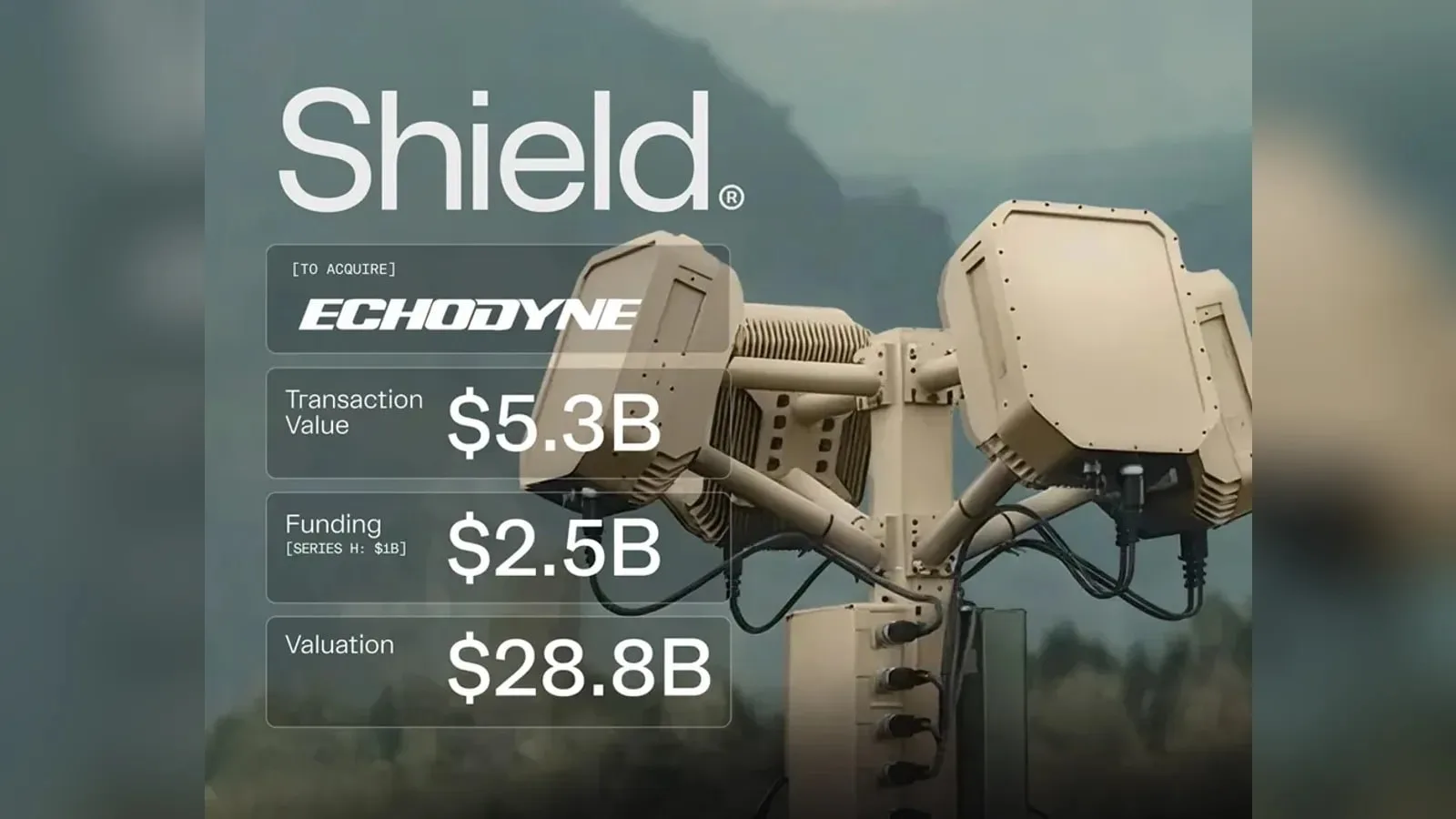
Shield agrees to buy Echodyne, the Kirkland-based radar maker, in a deal valued at $5.3 billion. The purchase brings software-defined MESA radars, used in counter-UAS systems and for UAS detect-and-avoid, into Shield's Mission Systems…
Ouster releases Firmware 3.2 for its lidar sensors, adding on-sensor 3D zone monitoring, optical window blockage detection and time-synchronized IMU data. The update shifts occupancy logic and motion compensation from the host computer to…
Shield has agreed to buy Echodyne, the Washington-based maker of MESA radars for counter-UAS and airspace sensing, for $5.3bn. Echodyne's radars stay available as standalone products, and the deal adds production capacity for the sensor…











 FeaturedFuel sensors
 Featured
 FeaturedFuel sensors
 FeaturedFuel sensors
 FeaturedFuel sensors