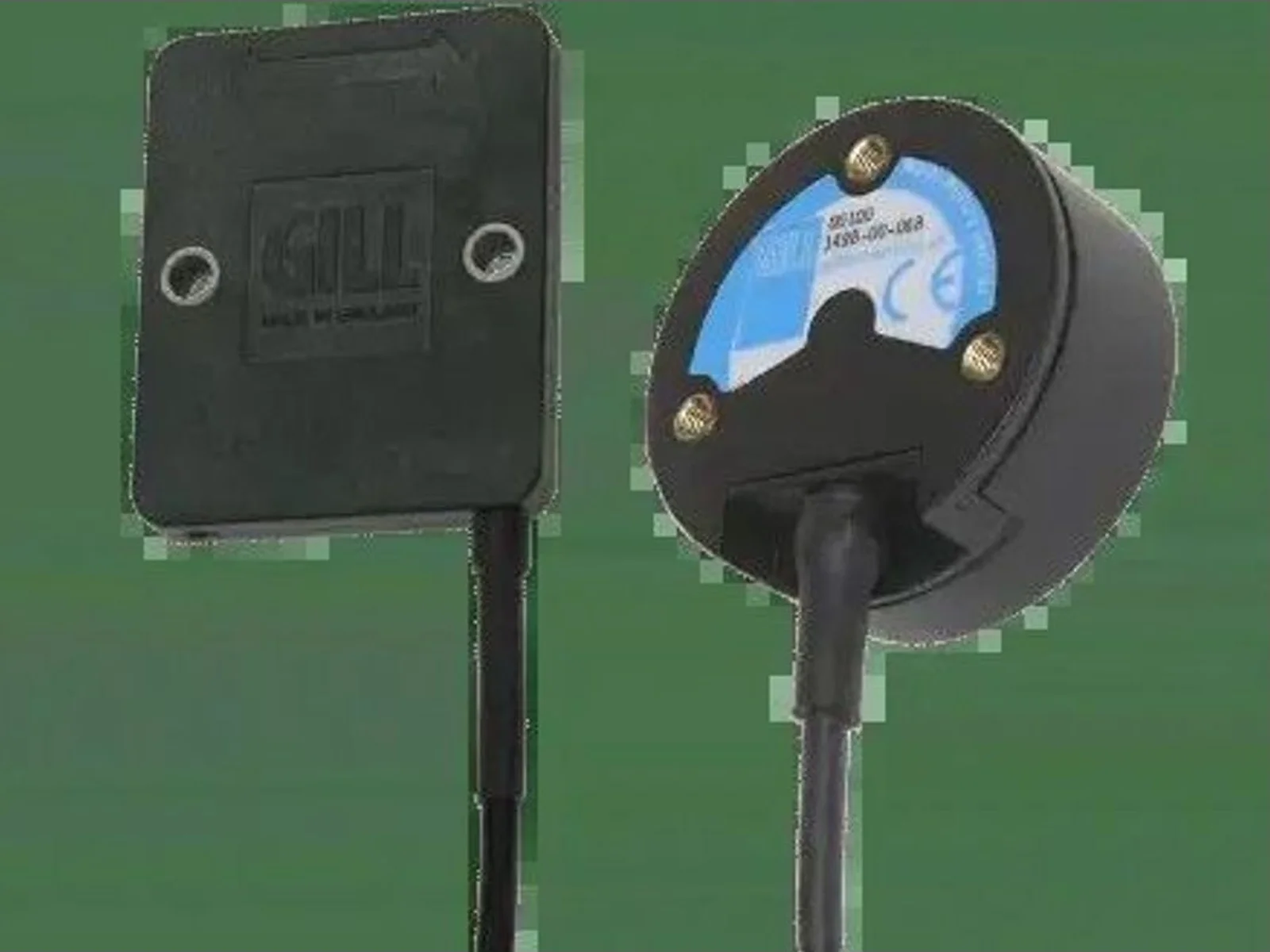
Capacitive fuel level sensors is a fuel-measurement product that provides information about the fuel held in or moving through a system. It forms part of a fuel-monitoring installation, connecting the sensing element with the equipment that processes and displays fuel data.
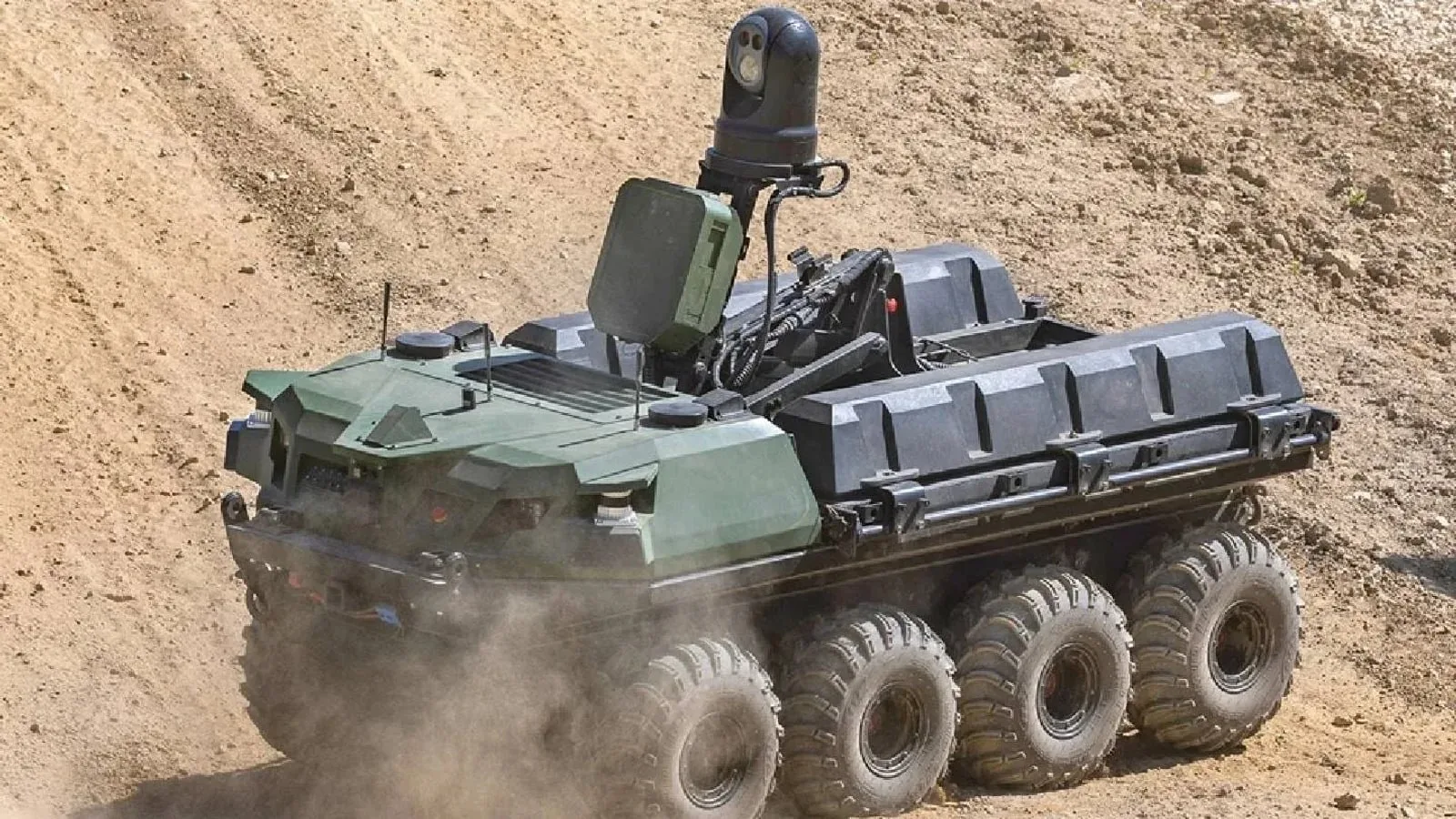
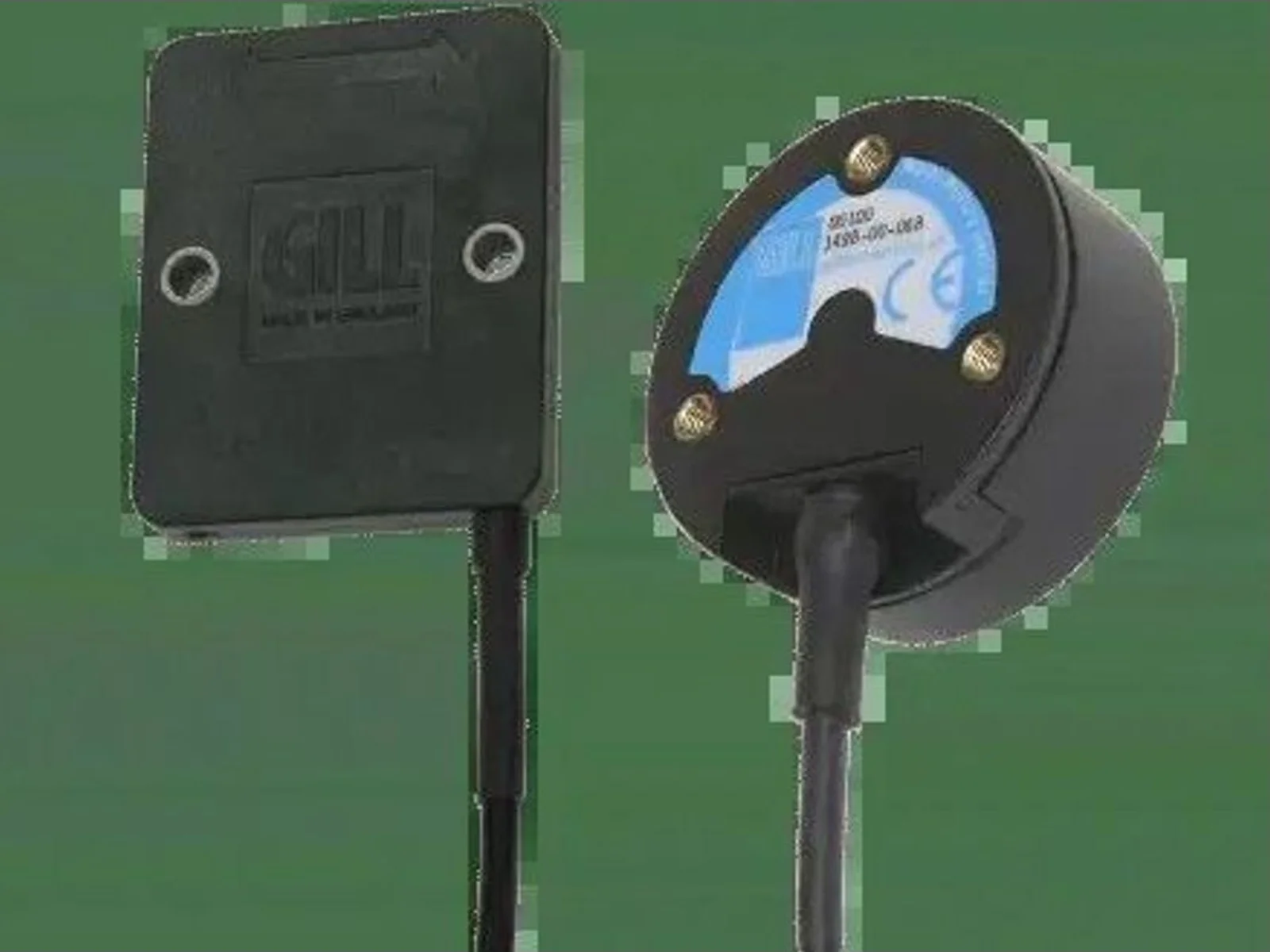
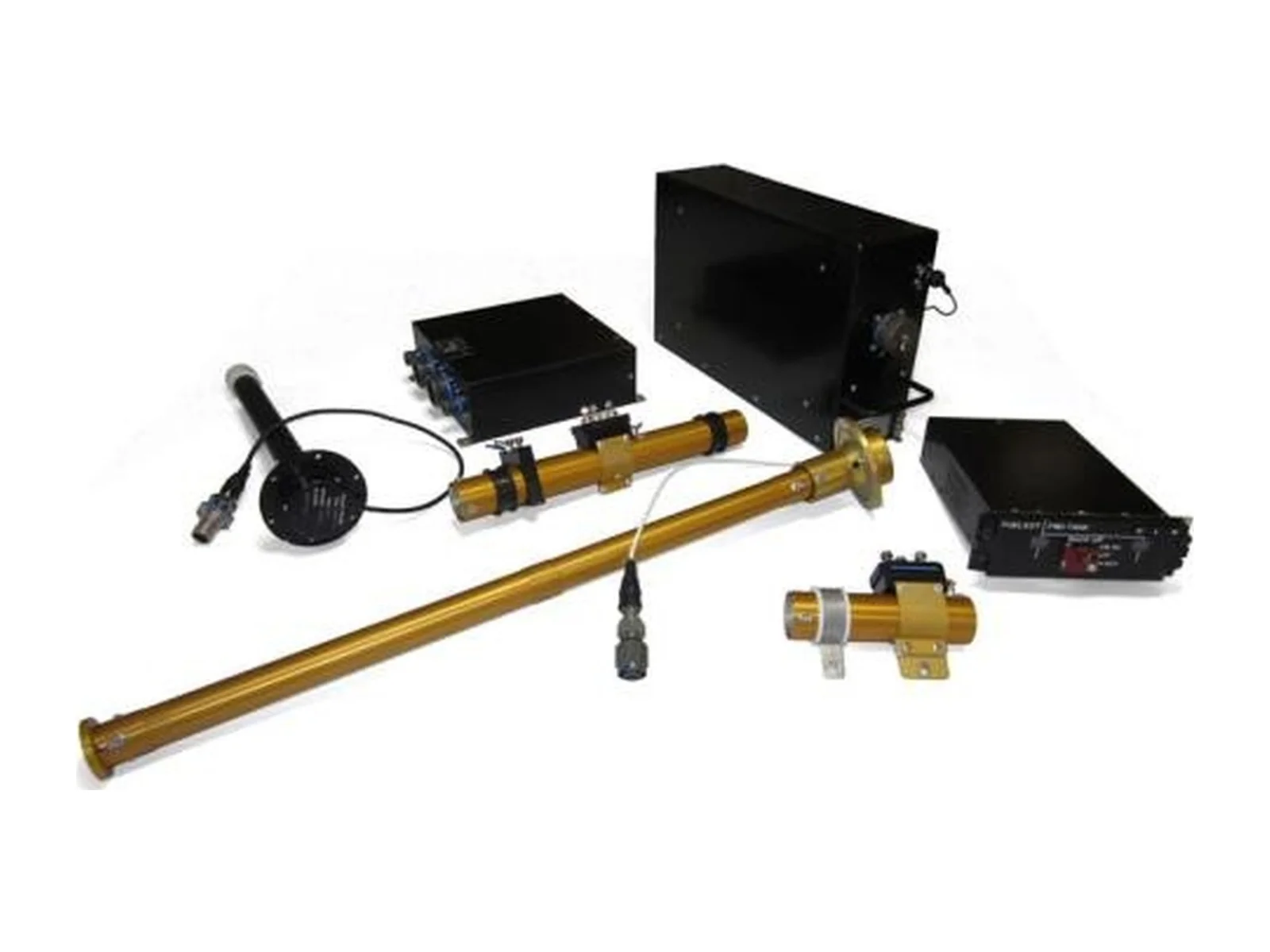
The Capacitive fuel level sensors is a capacitive fuel level sensor from Gill Sensors & Controls with a professional grade and capacitive measuring principle. Capacitive fuel level sensors from Gill Sensors & Controls are continuous liquid-level probes that measure the fuel held in a tank. The range is built on capacitive sensing and is aimed at vehicles and equipment that need a dependable fuel gauge signal, including UAV airframes, motorsport, marine and off-highway machinery, and mobile defence systems.
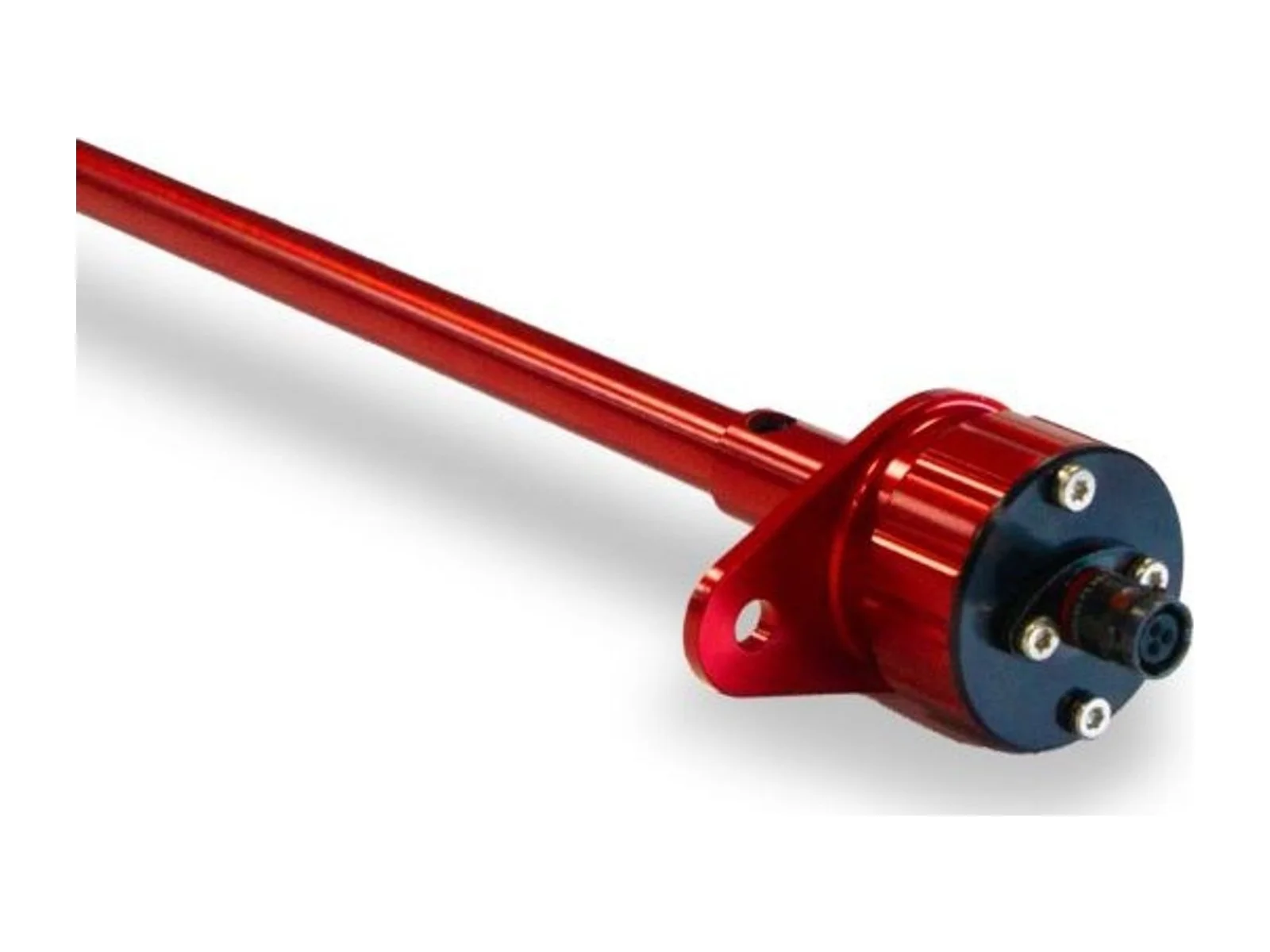
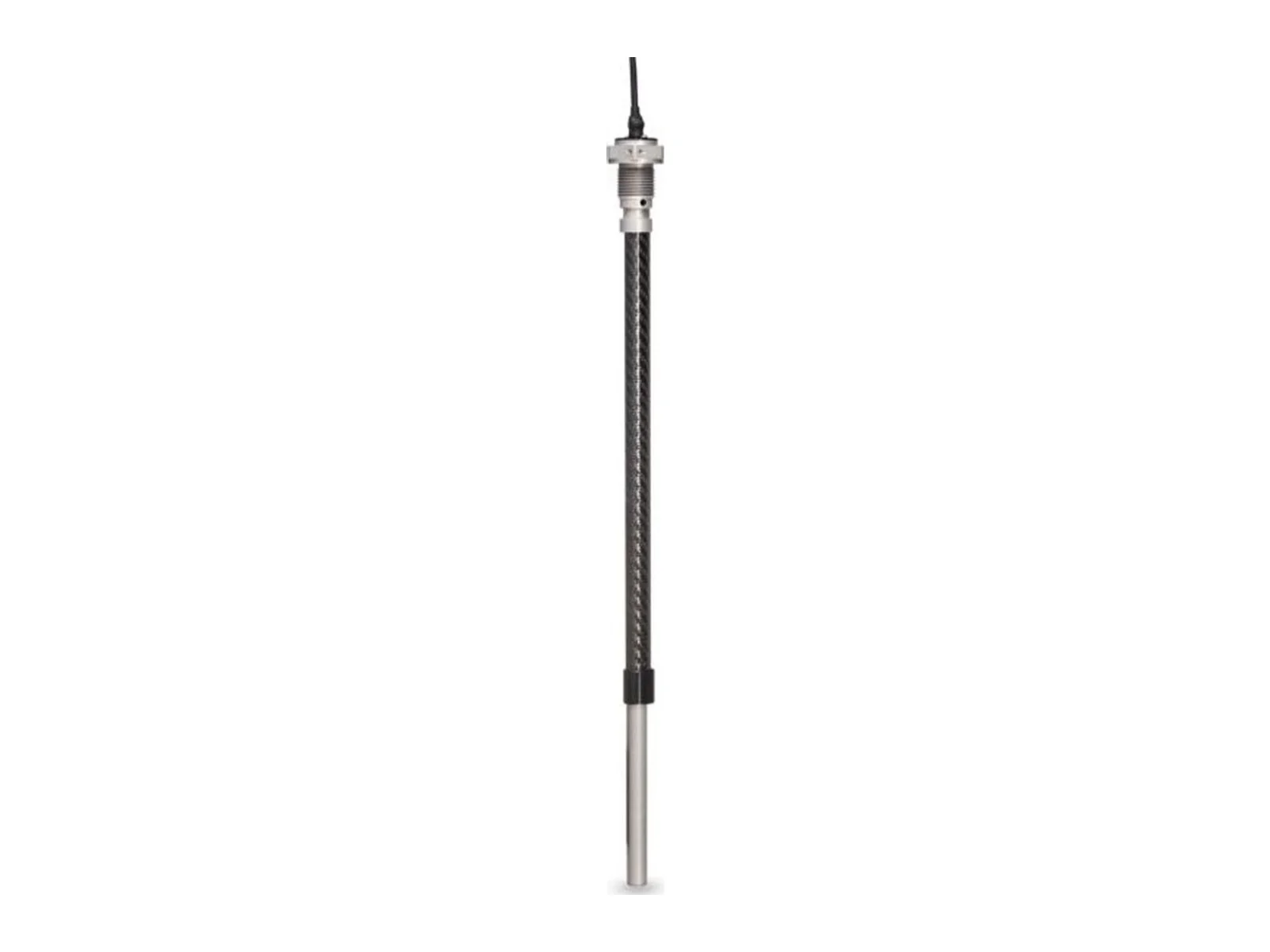
Gill states that the sensors work with a wide range of fuels: gasoline, diesel, kerosene-based jet fuels including JP-5 and JP-8, and Avgas. The sensor design is chosen for the fuel and the application. The range is divided into three families in the maker's comparison: a stainless steel design for fuels, oils and coolants in commercial marine and off-highway use; a lightweight aluminium design for fuels, oils and coolants in motorsport and UAVs; and a military-grade aluminium design for fluids in mobile defence applications exposed to shock and vibration.
The figures given in the comparison help an integrator choose between them. The stainless steel family has a 0.25-4.75 V voltage output (maximum range 10 V) or a 4-20 mA current output, an accuracy of 2% of full-scale deflection at 20 C, a supply of 5-32 V DC for voltage output or 9-32 V DC for current output, and ingress protection of IP66 and IP68, with probe lengths from 100 mm to 2000 mm. The lightweight aluminium family, suited to UAVs, also has the 0.25-4.75 V output with a secondary open-collector output, an accuracy of 1% at 50% of full-scale deflection at 20 C, a 5-32 V DC supply, IP68 protection and probe lengths of 100 to 750 mm. The military-grade family has a 4-20 mA output, a 2% of full-scale accuracy, an 18-32 V DC supply, IP67 protection and probes from 100 mm.
All three families have a resolution of 10 bit. The stainless steel and lightweight aluminium families operate from -40 C to +125 C, with a derating described in the product datasheet, and the military-grade family from -40 C to +85 C. A voltage output connects directly to an analogue input of a flight controller, engine control unit or data logger, while the 4-20 mA loop output suits longer cable runs and noisy electrical environments.
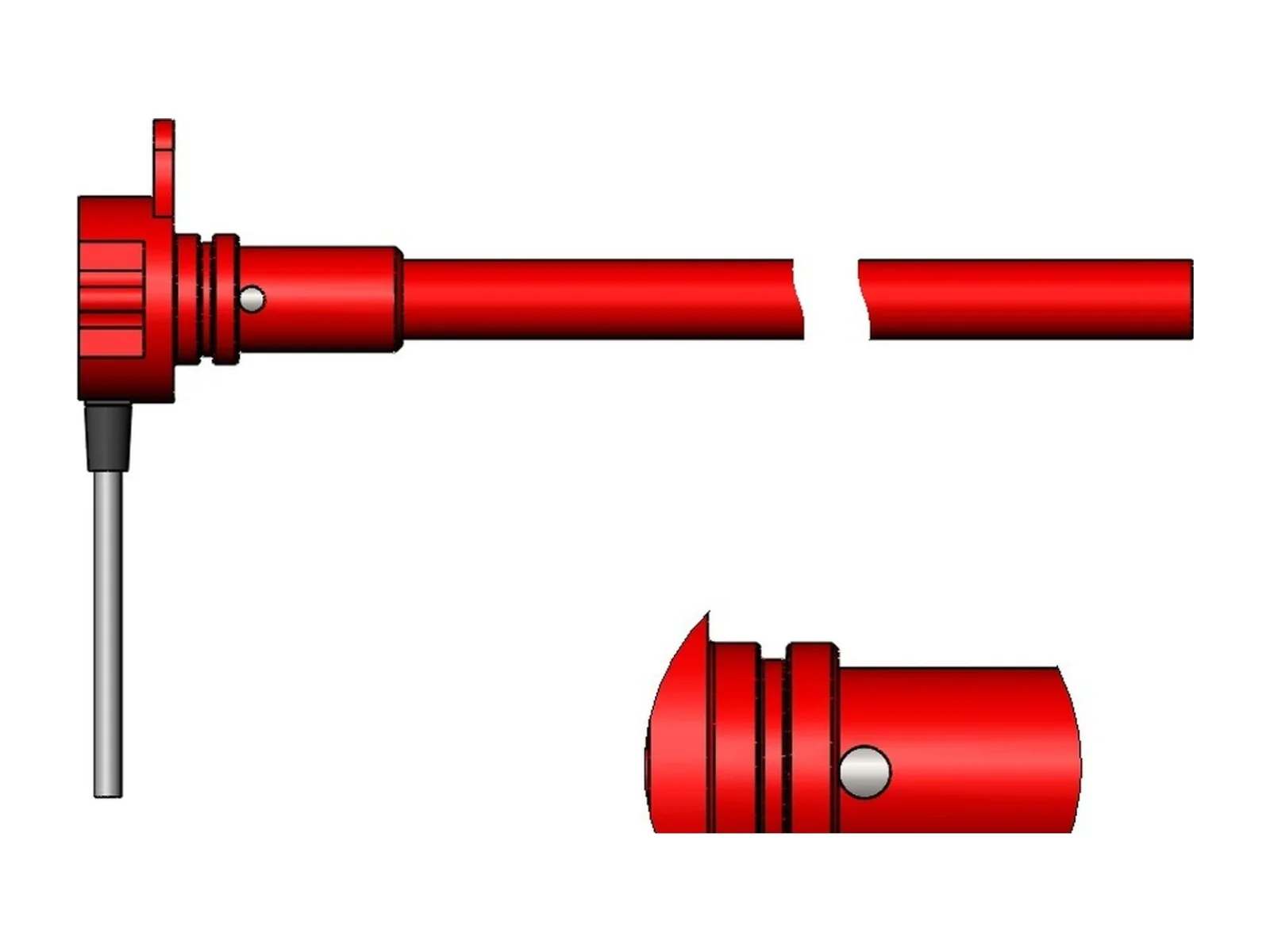
Mounting options include SAE 5-bolt, 1.125 inch UNF, 1.25 inch BSP and 2 inch NPT threads, and one-, two-, three- and five-hole flanges as well as an M22x1.5 flange, depending on the family; all have a low-profile head with a side or top cable exit. The sensors can be installed on the top of the tank or inverted, and they can be angled to fit compact or unusual tanks. Their design gives a damped response that reduces the effect of fuel sloshing in mobile vehicles, and the maker states that they perform reliably where temperatures change and vibration is present.
Can I compare the specifications of different fuel level sensors side by side?
Yes, you can use the comparison page to view the ranges laid out together to help you evaluate the figures.
Where can I find technical documentation such as datasheets for these sensors?
Technical resources including datasheets, manuals, software, and firmware are available for download from the Gill website without needing to fill out a form.
Reviews & Ratings
–/ 5
No reviews yet. Be the first to rate.
Rate this product
Almost done: send the form below to publish your rating.
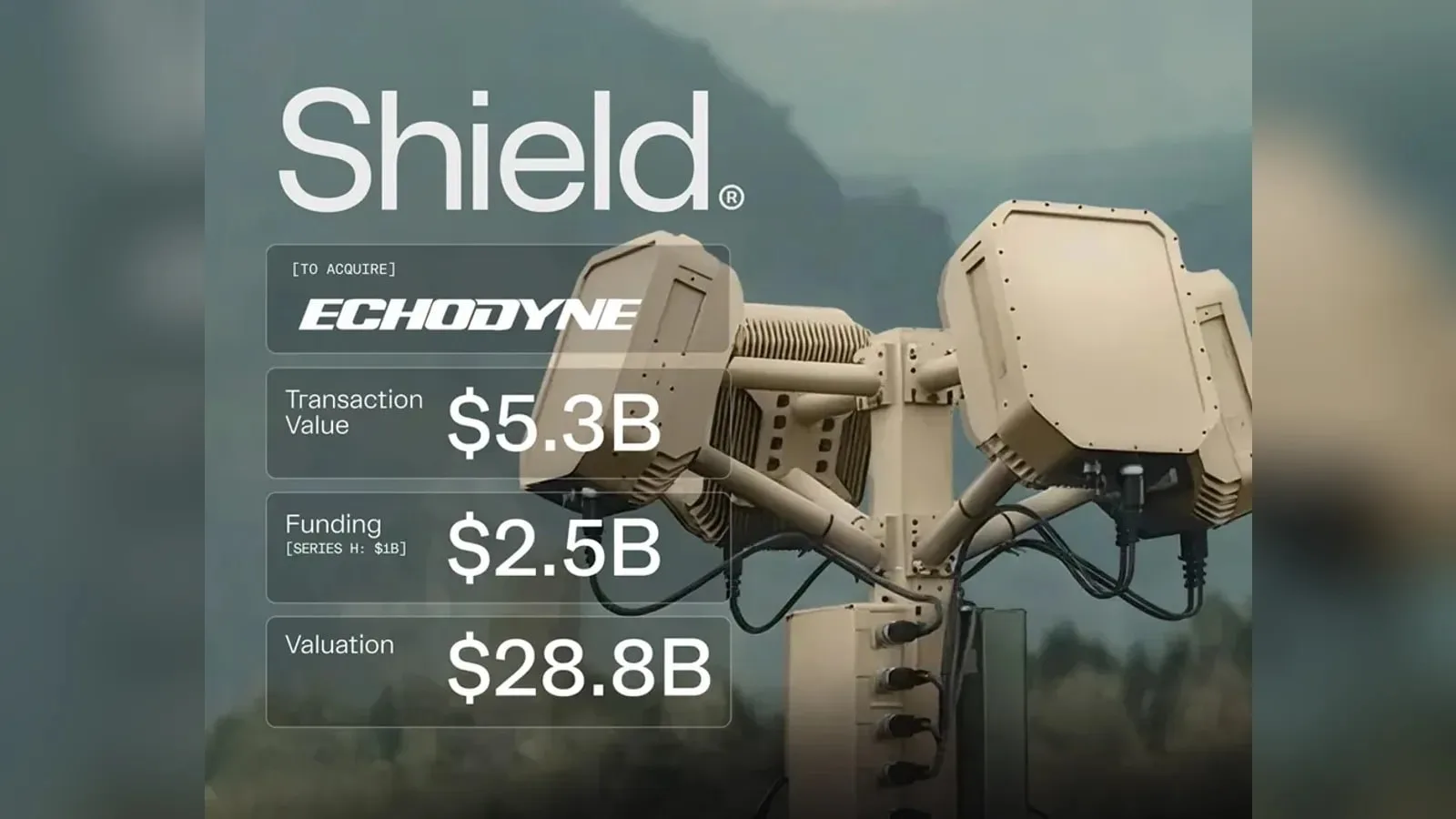
Shield agrees to buy Echodyne, the Kirkland-based radar maker, in a deal valued at $5.3 billion. The purchase brings software-defined MESA radars, used in counter-UAS systems and for UAS detect-and-avoid, into Shield's Mission Systems…
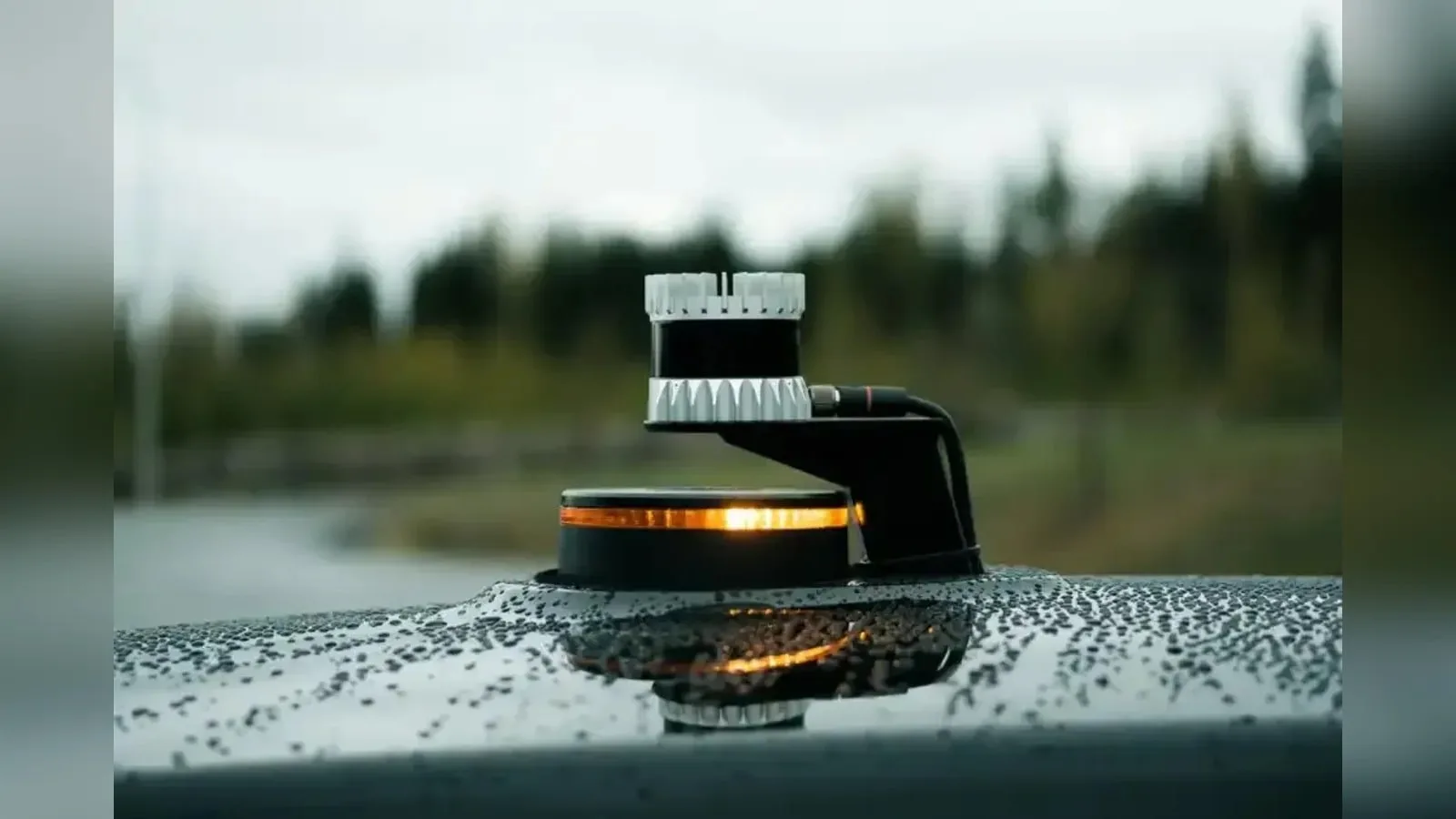
Ouster releases Firmware 3.2 for its lidar sensors, adding on-sensor 3D zone monitoring, optical window blockage detection and time-synchronized IMU data. The update shifts occupancy logic and motion compensation from the host computer to…
Shield has agreed to buy Echodyne, the Washington-based maker of MESA radars for counter-UAS and airspace sensing, for $5.3bn. Echodyne's radars stay available as standalone products, and the deal adds production capacity for the sensor…











 FeaturedFuel sensors
 Featured
 FeaturedFuel sensors
 FeaturedFuel sensors
 FeaturedFuel sensors