Featured
LOS links
Mini-OEM wireless data-link product
- Grade
- Professional
- Market
- Dual-use
- Availability
- In production
Data links that expose an Ethernet port to the payload and the autopilot. Compare bands, range, throughput and mass.
Filters
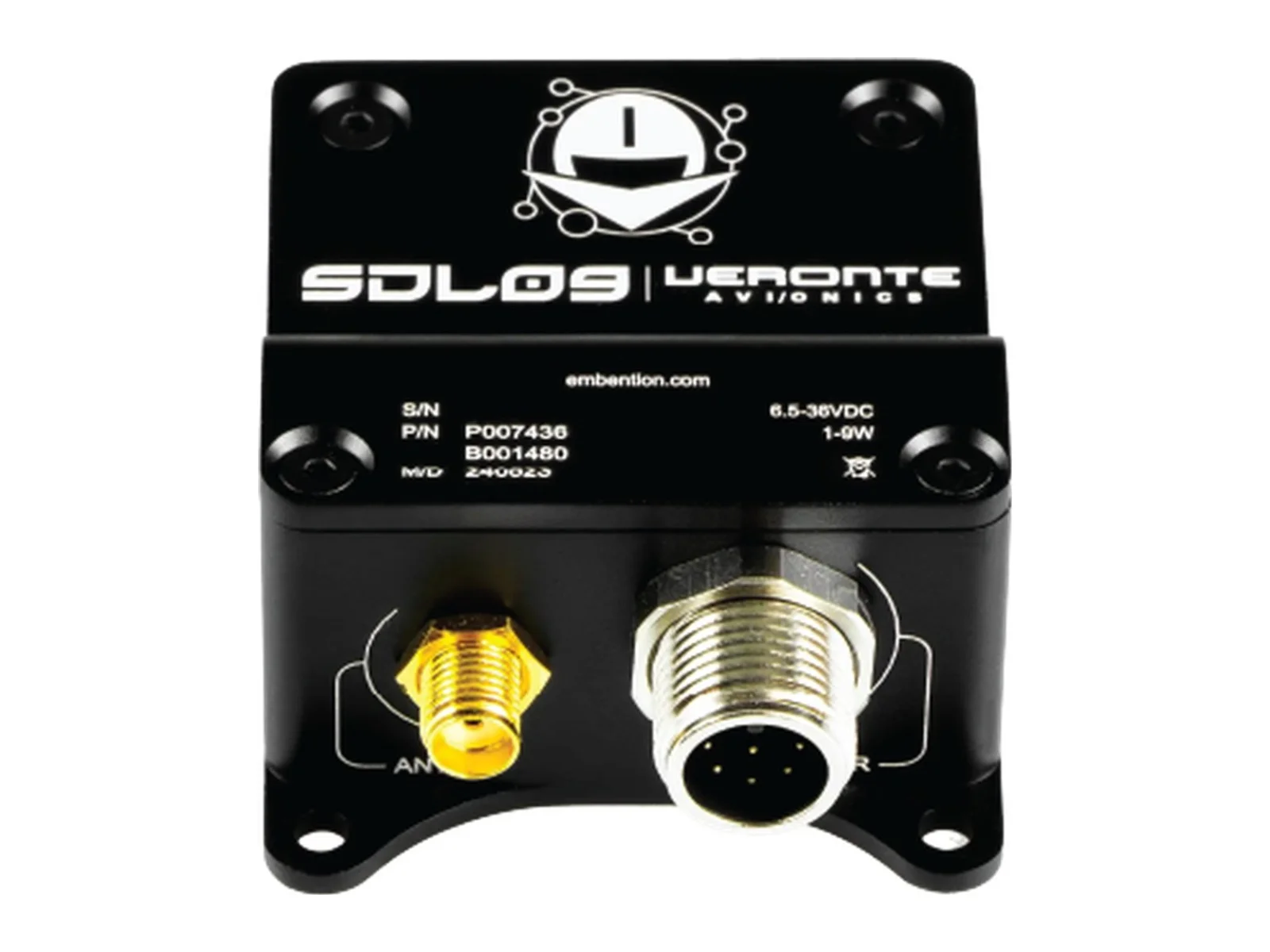
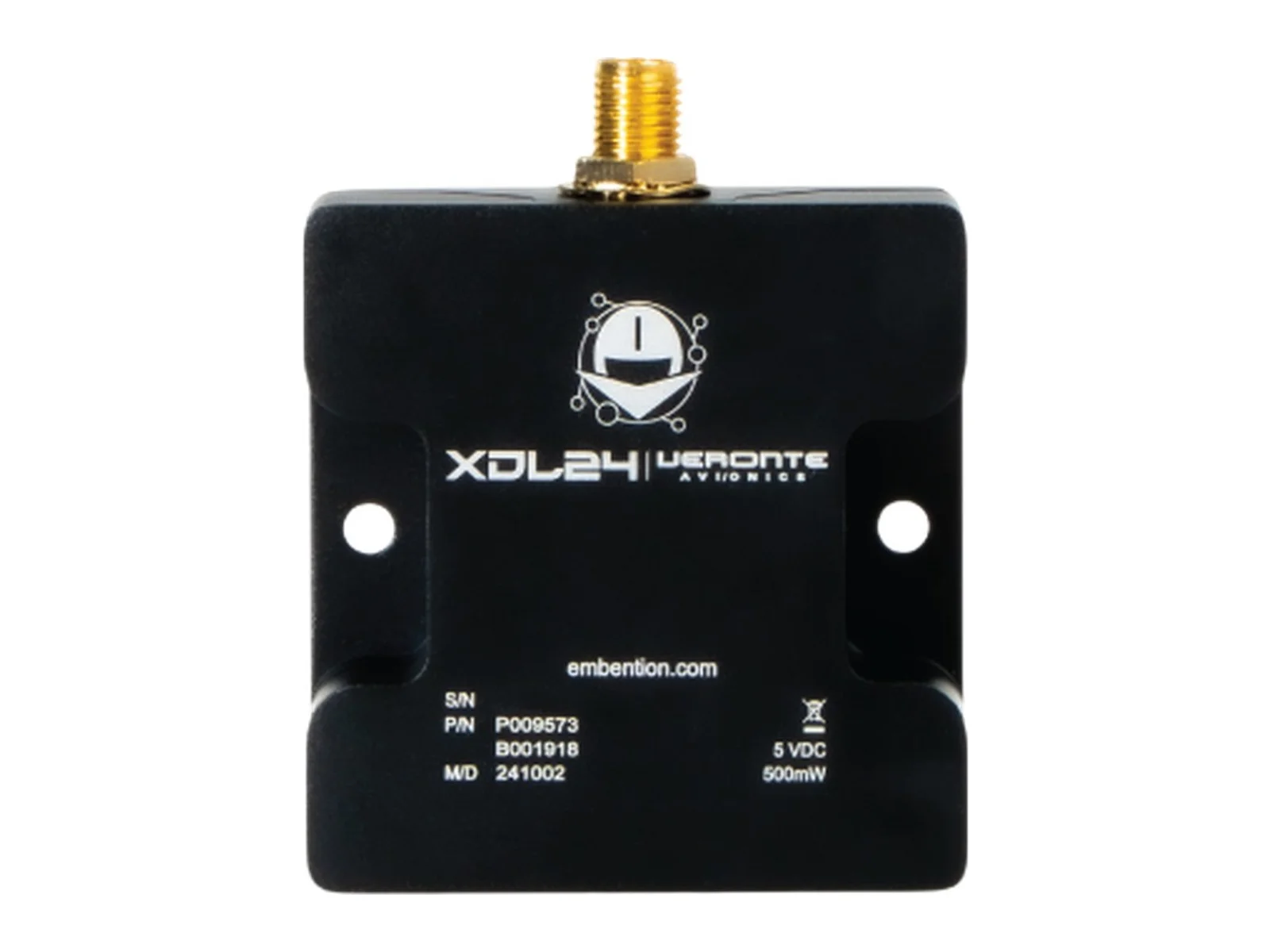
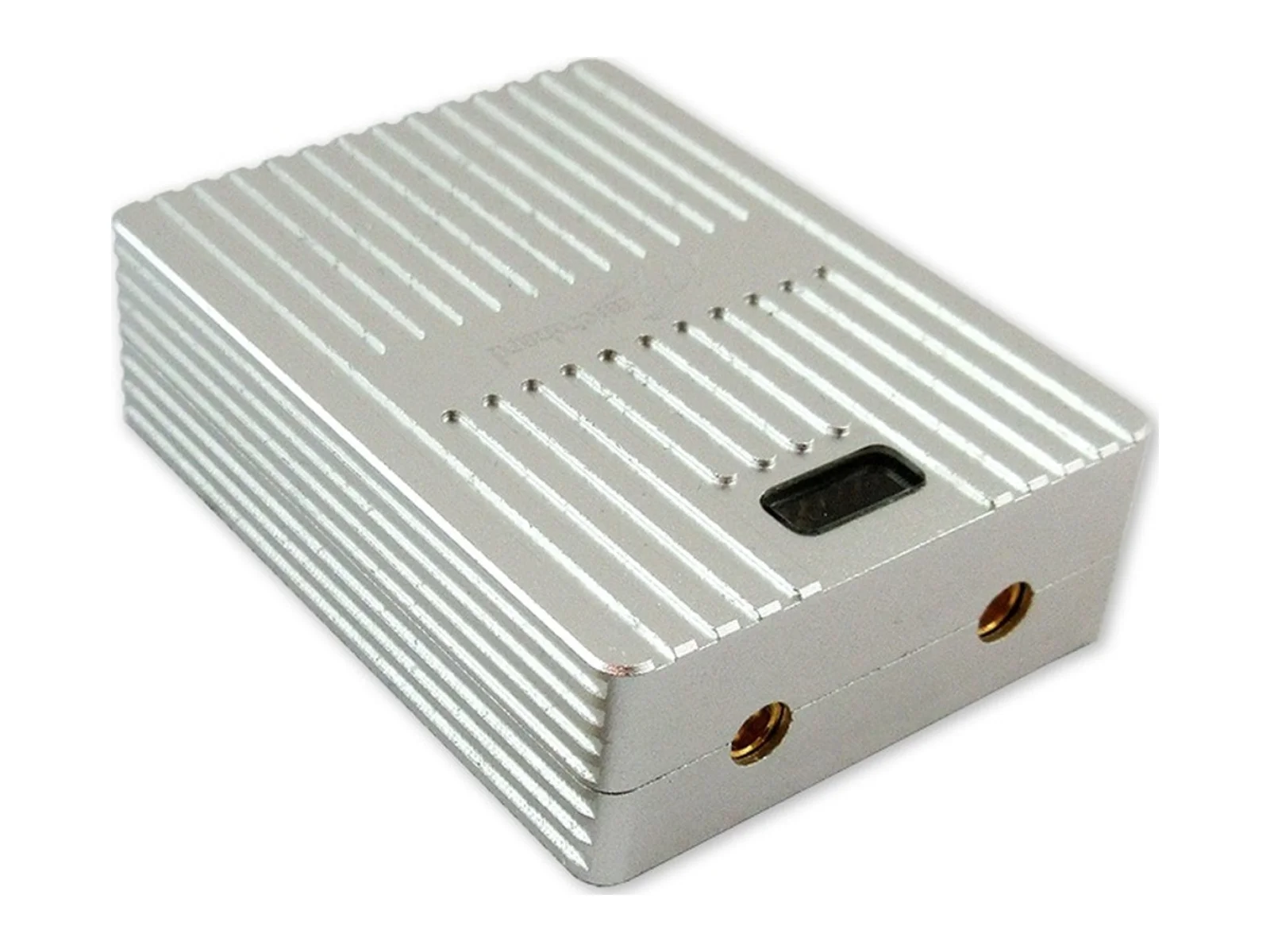
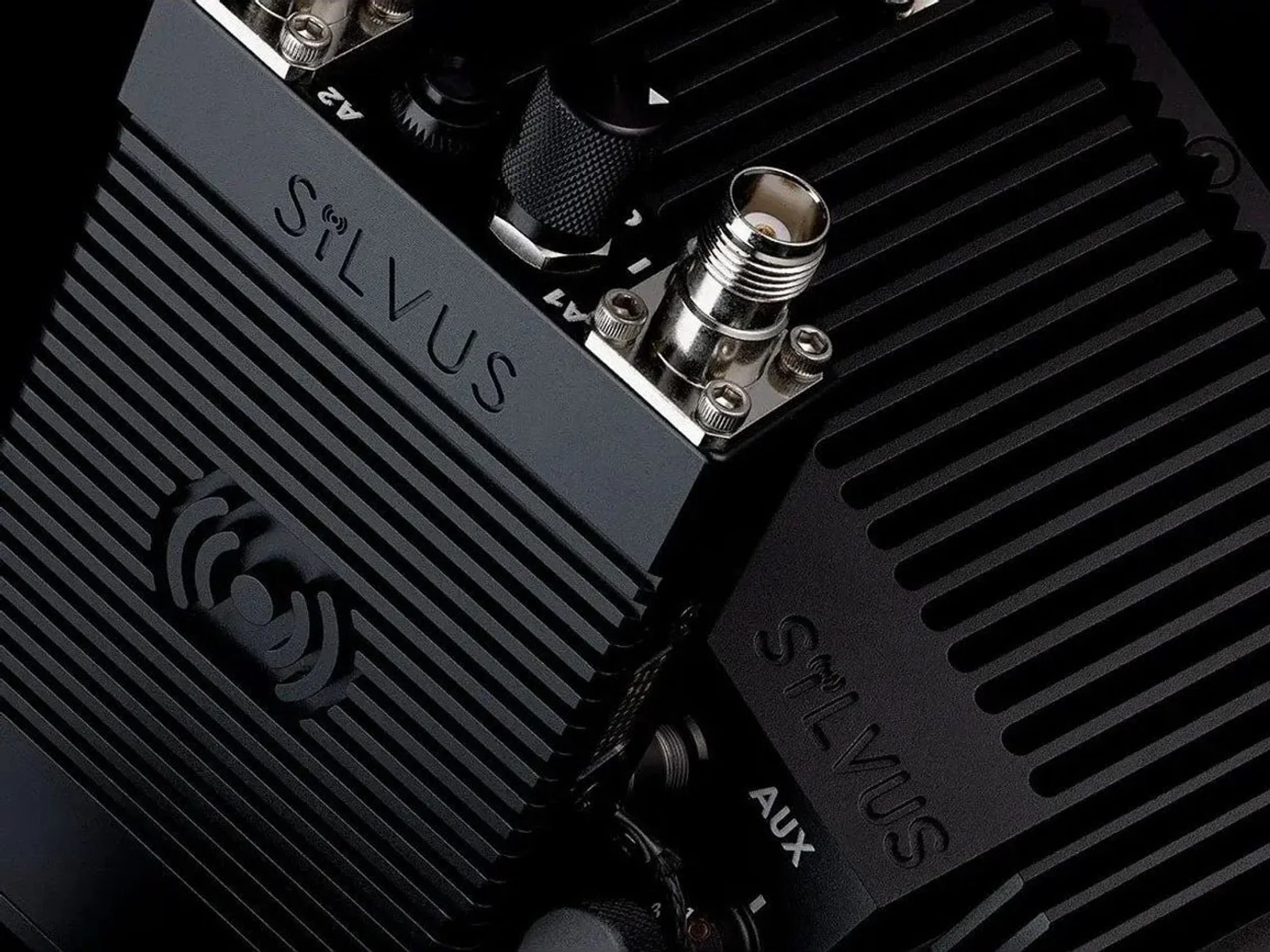
Silvus Technologies (Motorola Solutions)
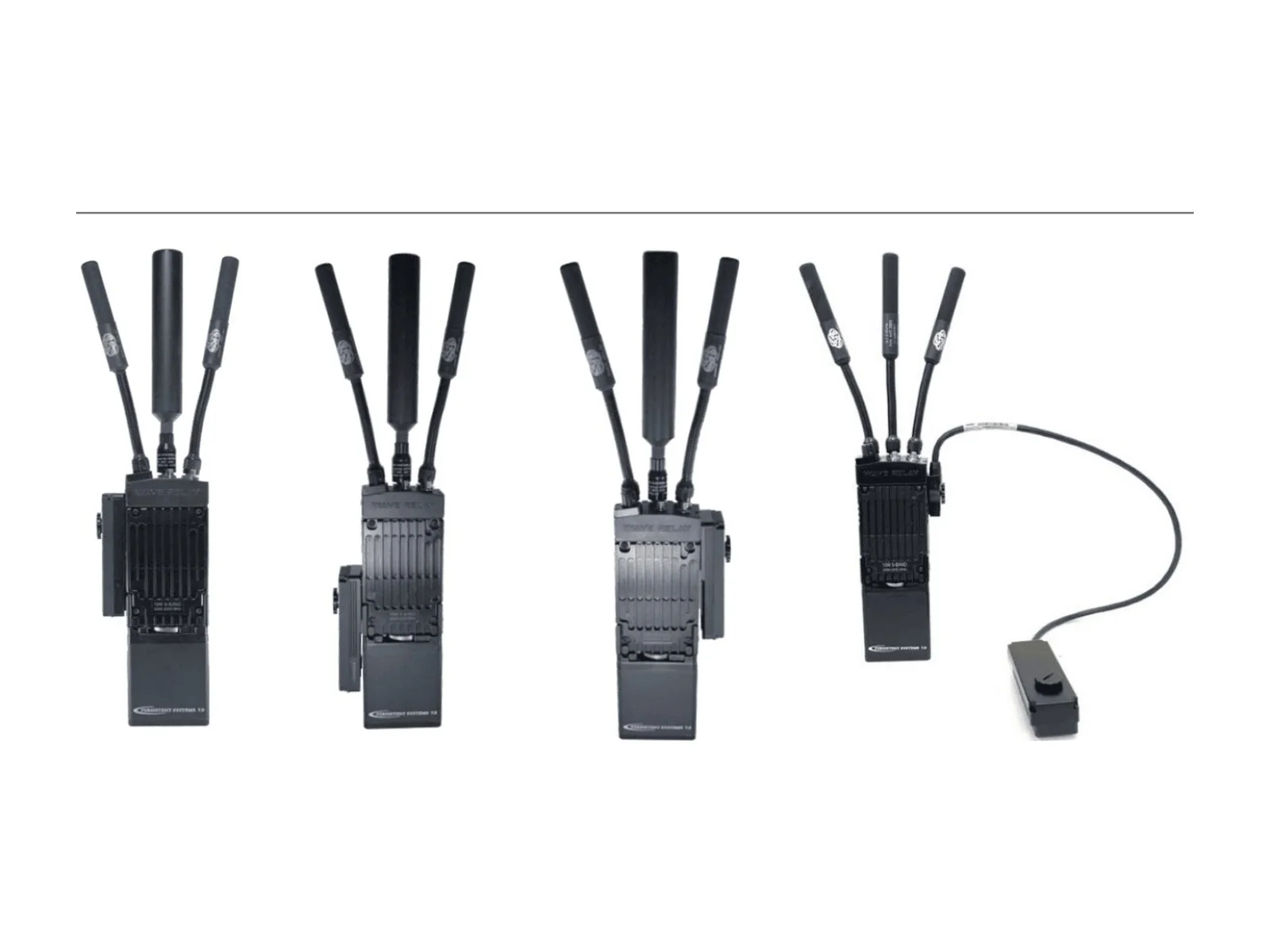
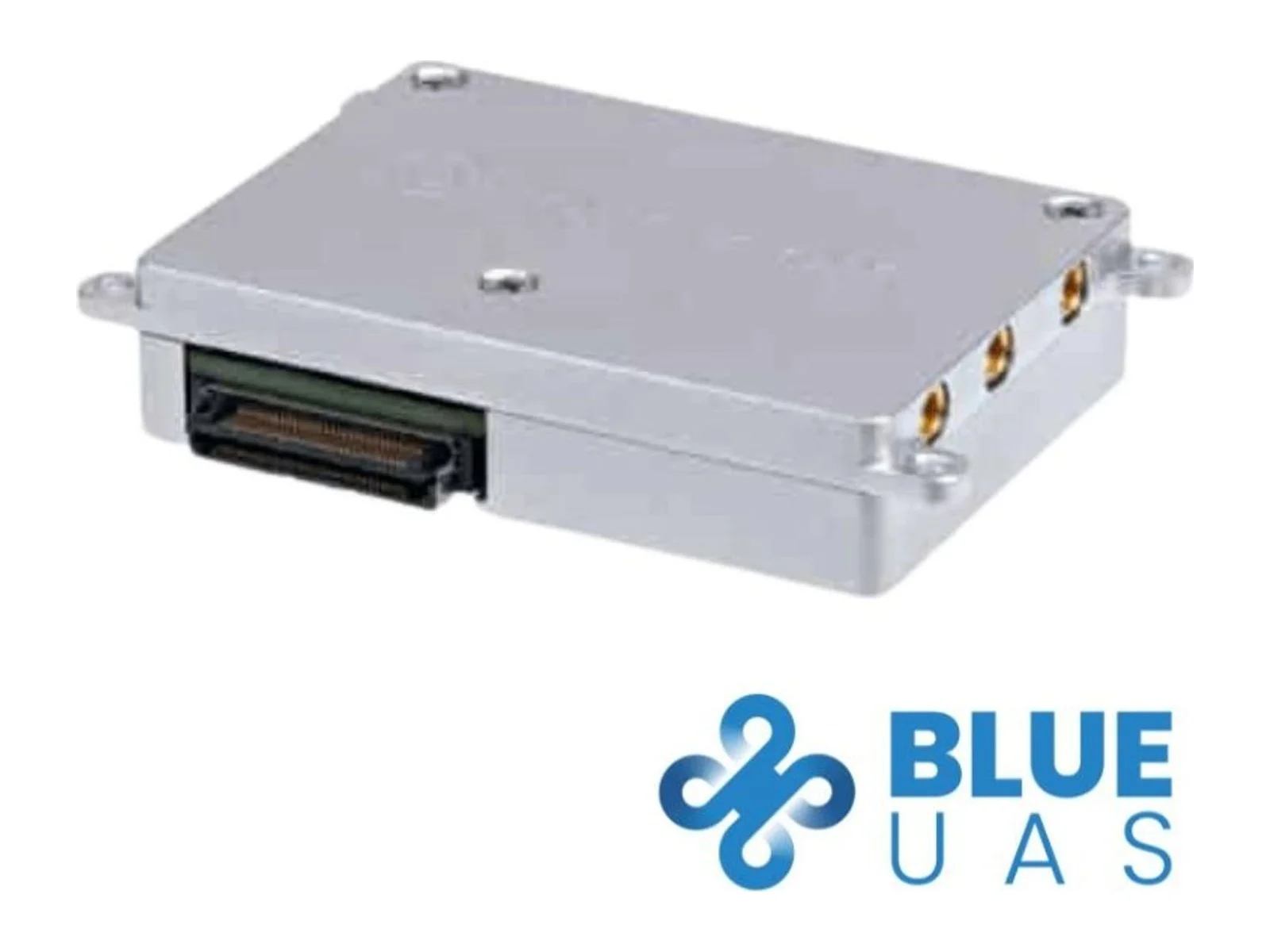
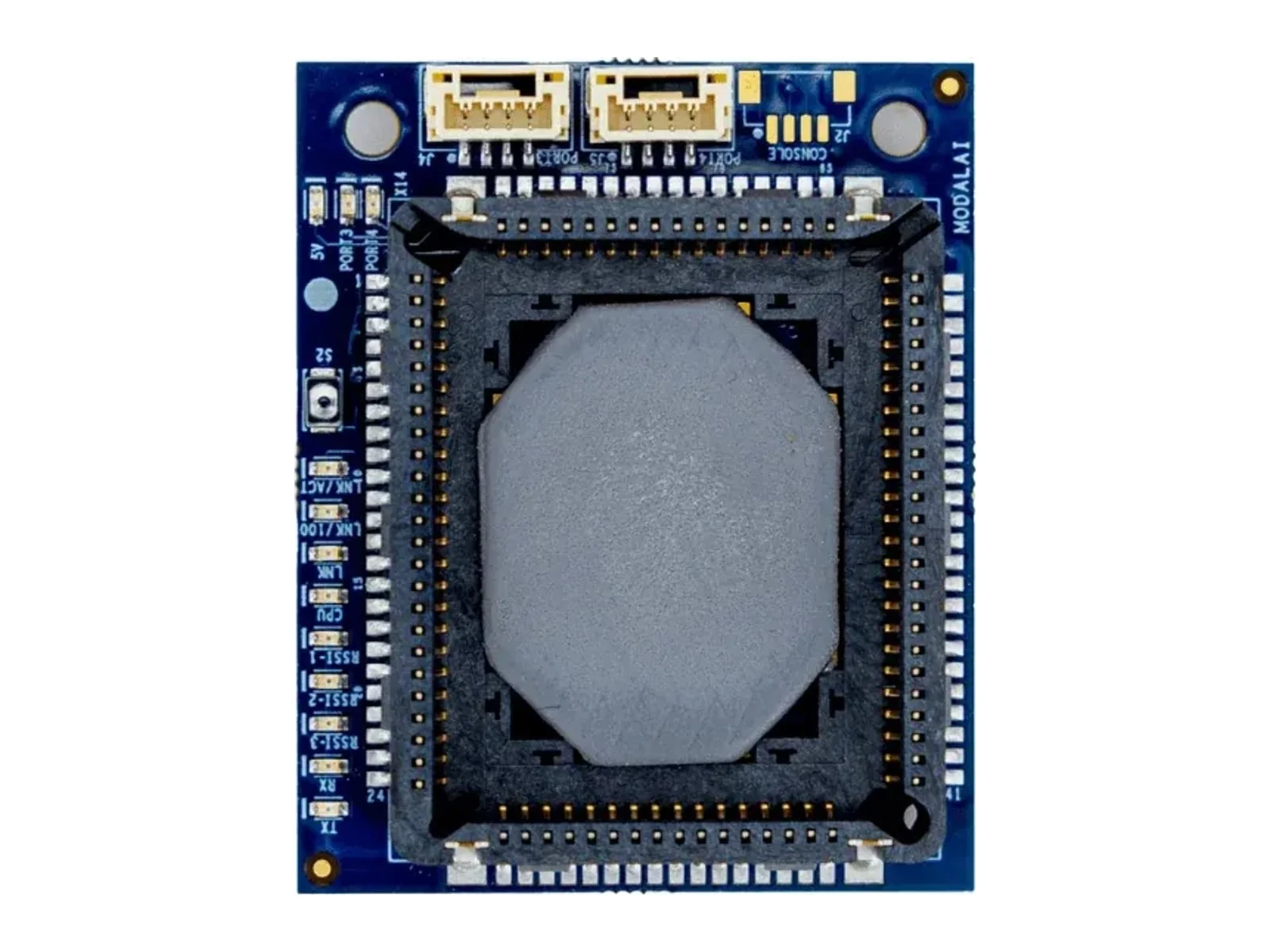

Silvus Technologies (Motorola Solutions)
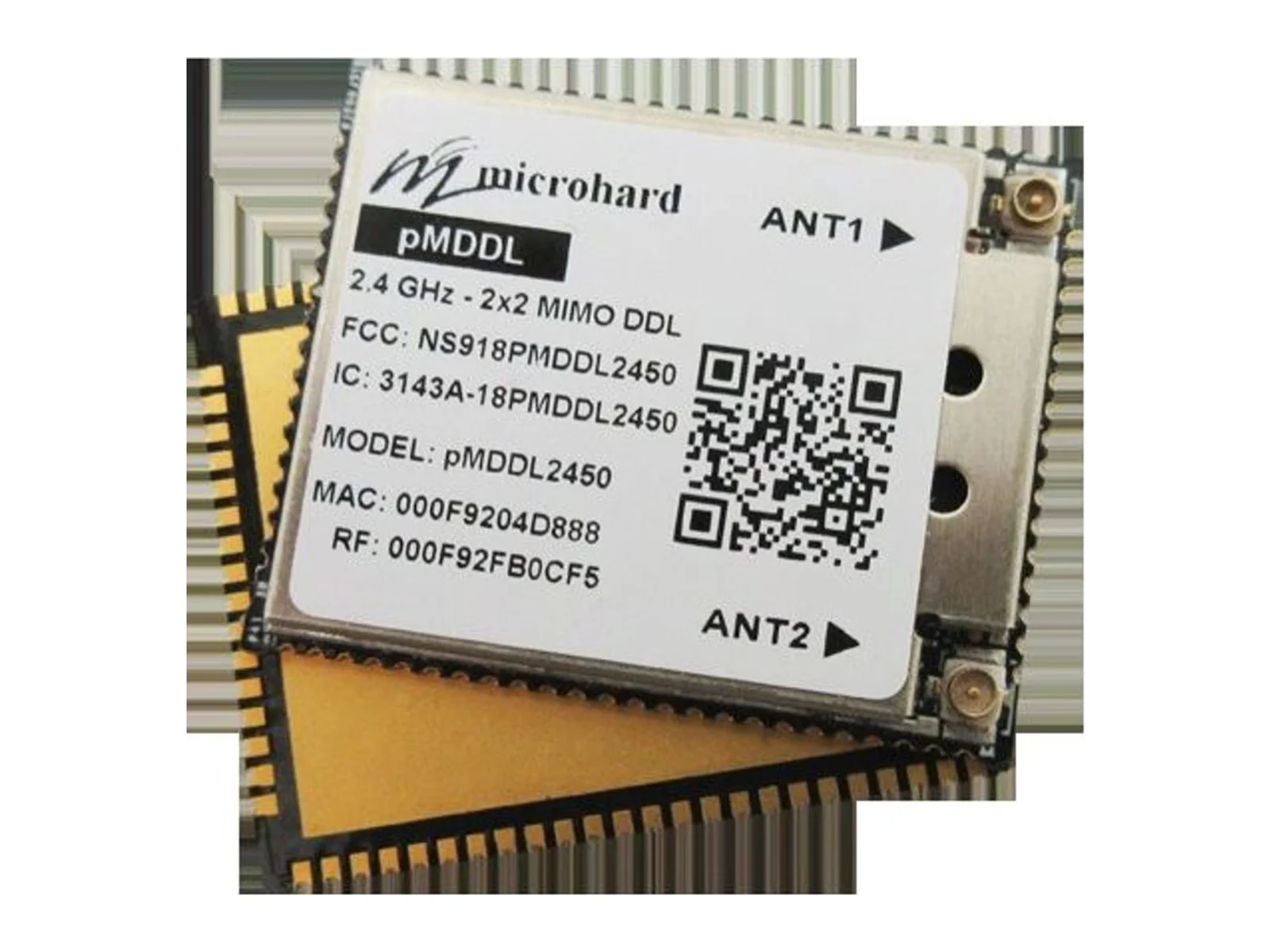

Silvus Technologies (Motorola Solutions)
Silvus Technologies (Motorola Solutions)
Try removing a filter.
Updated November 12, 2026
A link with an Ethernet interface behaves like a network cable between the aircraft and the ground: it carries IP traffic, so cameras, mission computers, autopilots and ground software connect with standard protocols and no custom serial framing.
For certified or safety-critical control links, check how the command path is separated from payload traffic.
Because it carries IP traffic, so video, telemetry and payload data share one link and connect to standard cameras, computers and software without custom interfaces.
Yes. Use quality-of-service priorities so command and telemetry are sent first when the link slows down, and keep the video bit rate below the throughput available at maximum range.
With H.264 or H.265 compression, 1080p video typically needs 2 to 8 Mbit/s. Leave margin, because the radio lowers its data rate as distance grows.
COFDM is coded orthogonal frequency-division multiplexing, a modulation that spreads data over many narrow subcarriers and adds error-correcting coding, used for robust video and data links to moving aircraft.
DO-160 is the RTCA standard (EUROCAE ED-14) that defines environmental test conditions and procedures for airborne equipment, covering temperature, altitude, vibration, humidity, EMI and lightning among other sections.
GNSS anti-jamming with a controlled reception pattern antenna (CRPA) uses an array of antenna elements and adaptive processing to place nulls toward interference and keep satellite signals usable.
A link budget is the accounting of all gains and losses between a transmitter and a receiver, in decibels, used to find the received power and the margin above the receiver's minimum.
A mesh network radio is a data radio whose nodes both send their own traffic and relay that of other nodes, so the network routes around gaps and failed links without a fixed infrastructure.
MIMO (multiple-input multiple-output) is a radio technique that uses several transmit and receive antennas on the same channel to raise data rate or reliability without extra spectrum.
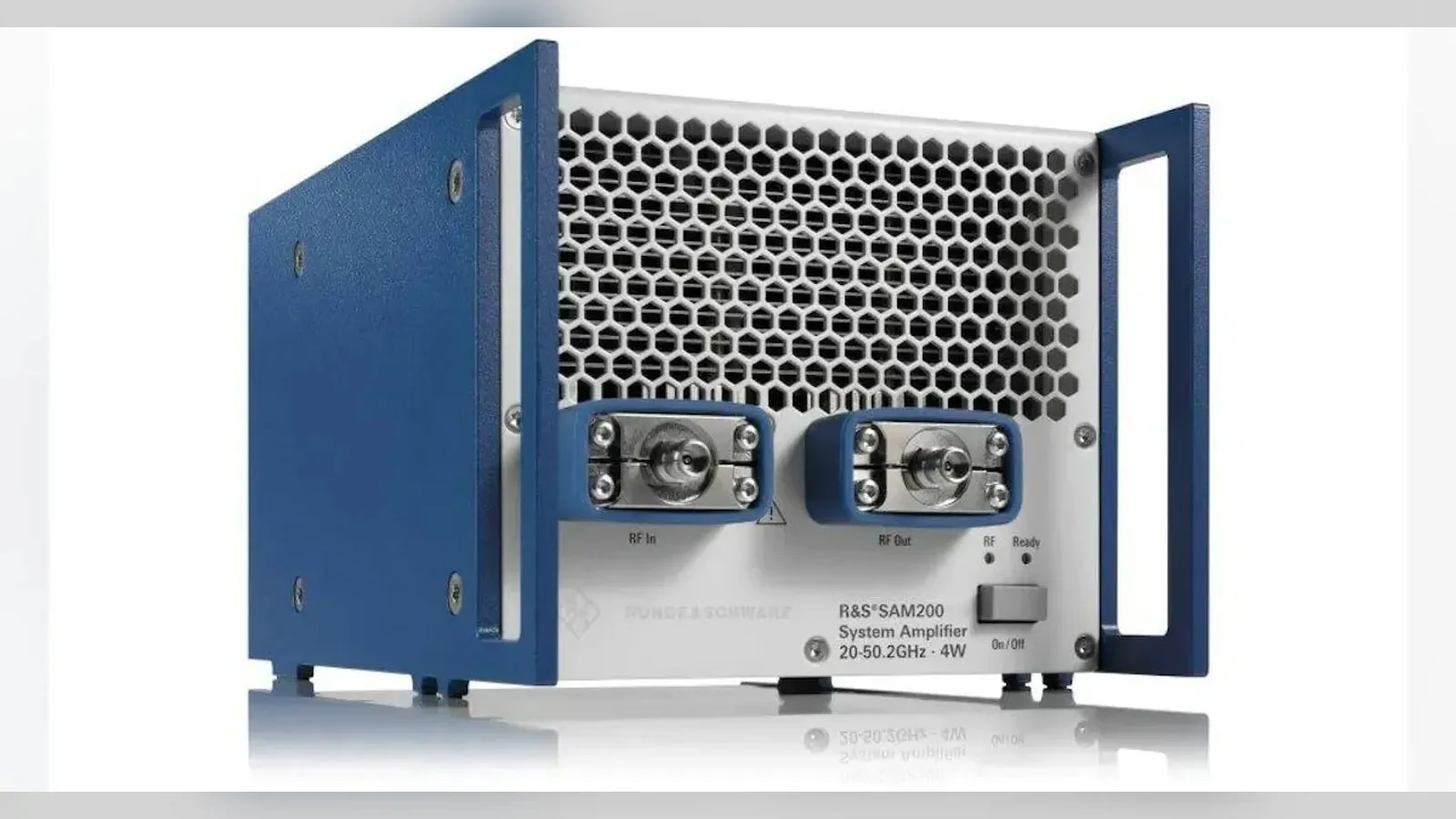
Rohde & Schwarz introduces the R&S SAM200 and SAM200 Advanced, two solid-state system amplifiers that cover 20 to 53 GHz for testing high-frequency RF components. Both reach up to 4 watts of saturation power, aimed at Ka-, Q- and V-band…

Elsight's Halo multilink unit earns Award-Ready status in DevX Autonomy, the Army Applications Laboratory's marketplace of assessed solutions. The status makes the unit's assessment video available to government customers who can consider…
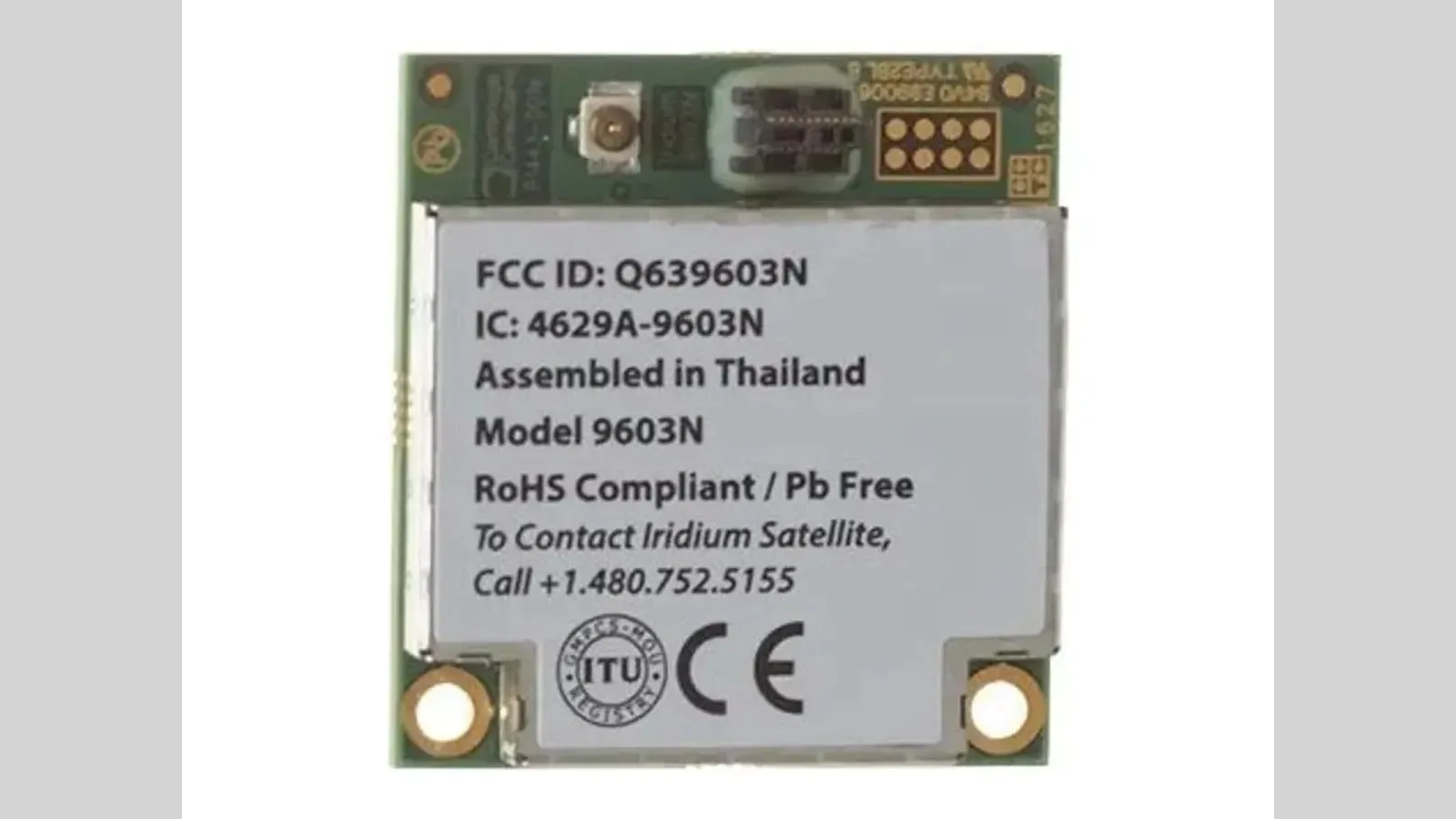
Iridium activates Iridium NTN Direct, a 3GPP standards-based NB-IoT and direct-to-device satellite service with global coverage. Chipset makers, mobile network operators and device manufacturers can add an Iridium satellite link to…