Unverified
Advance Structural Composite (ASC-II) propeller
Also known as: ASCII, ASC II, Hartzell Propeller ASC-II, Hartzell Propeller ASCII
The ASC-II is a structural composite propeller for piston engine aircraft. It features a monocoque structure of carbon fiber laminates integrated into a co-molded stainless steel shank.
Description
The Advance Structural Composite (ASC-II) propeller by Hartzell Propeller is a structural composite propeller for piston engine aircraft. This system utilizes advanced composite materials to provide a durable solution for various flight missions, including aerobatic operations. Its design focuses on low weight and low inertia to lower life cycle costs for operators.
The core of the ASC-II is a unique monocoque structure that integrates carbon fiber laminates into a co-molded stainless steel shank. This construction method ensures durability and strength, which are essential for the demands of both standard and aerobatic flight. The outboard half of the leading edge is protected with a co-molded electroformed nickel erosion shield.
Integration of the ASC-II is supported by the manufacturer's technical expertise and support network. Several certified OEM airframe manufacturers have selected the ASC-II blade as standard equipment. The propeller is designed to be a durable component for aircraft, offering a reliable solution for certified airframe manufacturers.
The design and manufacturing processes are backed by decades of experience in structural composite technology. The system is used by aerobatic performers such as Sean D. Tucker, Michael Goulian and Matt Chapman. Operators benefit from the combination of weight savings and structural integrity, which are key factors in maintaining efficient aircraft operations.
ASC-II specifications
| General | |
|---|---|
| Grade | Professional[1][2][3] |
| Market | Civil[1][2][3] |
| Platform class | Manned aircraft[1][2][3] |
| Airframe | Fixed-wing[1][2][3] |
| Availability | In production[1][2][3] |
| Key specifications | |
| Material | Composite[1][2][3] |
Sources
- hartzellprop.com/products/propeller-systems/composite-propellers-piston-engine-aircraft · checked November 18, 2026
- hartzellprop.com/services/technical-support · checked November 18, 2026
- hartzellprop.com/services/technical-support/sample-program-approvals · checked November 18, 2026
Frequently asked questions
How is the leading edge of the ASC-II blade protected against erosion?
The outboard half of the leading edge features a co-molded electroformed nickel erosion shield.
Why do OEM airframe manufacturers choose the ASC-II blade?
Manufacturers select the ASC-II blade as standard equipment due to its low weight, low inertia, and low life cycle costs.
When was the second generation Advance Structural Composite (ASC-II) blade introduced?
Hartzell introduced the ASC-II blade in 2006.
Reviews & Ratings
– / 5
No reviews yet. Be the first to rate.
Rate this product
Almost done: send the form below to publish your rating.
Thank you: your review is published and already counts in the rating.
Demo mode: the form is not connected yet and nothing was sent.










Similar propellers from other manufacturers
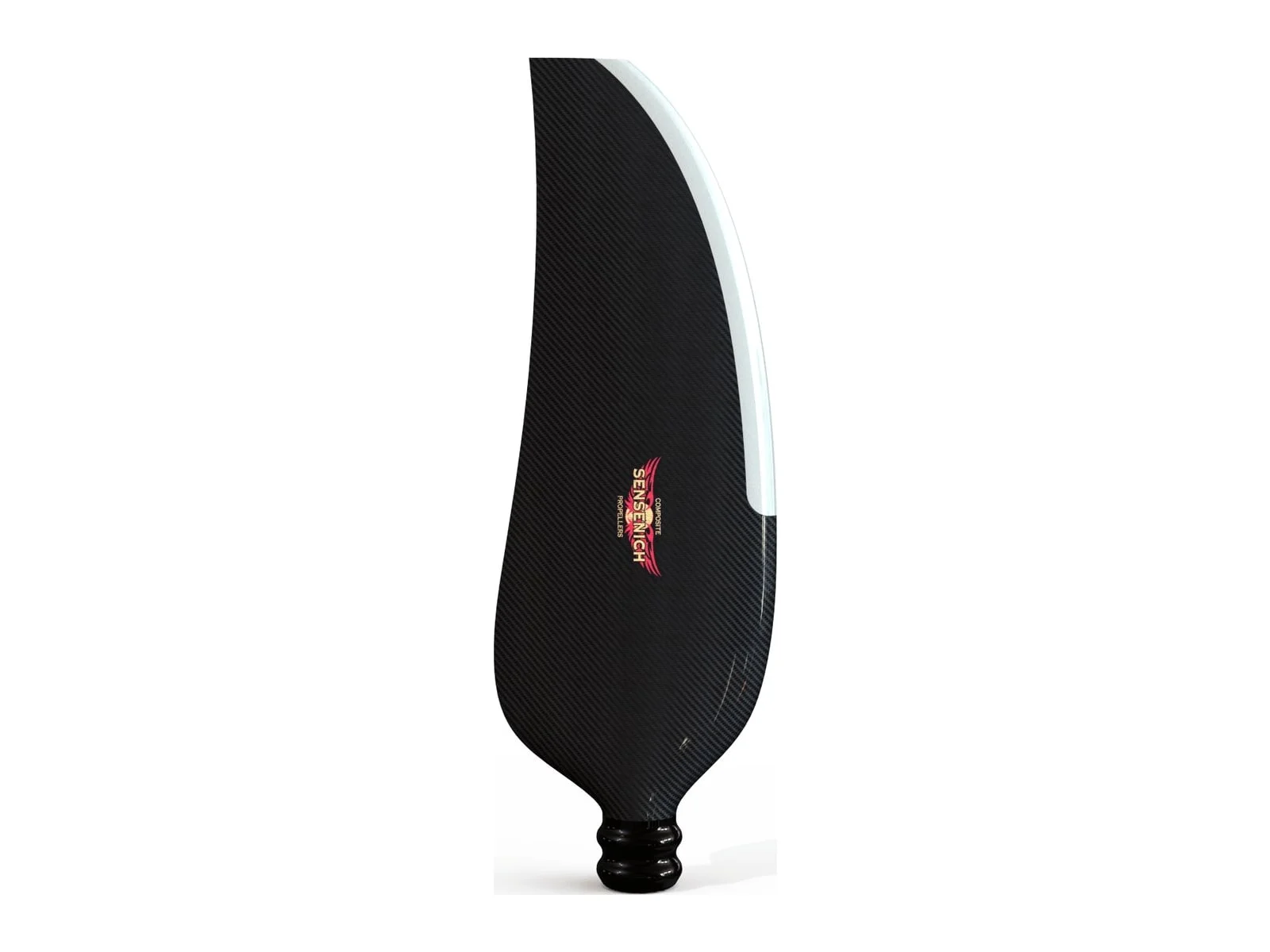 FeaturedPropellers
72JM Series ground-adjustable composite propeller blade
- Diameter
- 1,828.8 mm
- Blade count
- 2
- Pitch type
- Ground-adjustable
- Featured
- Featured
- Featured
- FeaturedPropellers
KDE-DPAHL-SP Heavy-Lift Propeller Blade Adapter
- Grade
- Professional
- Market
- Civil
- Availability
- In production
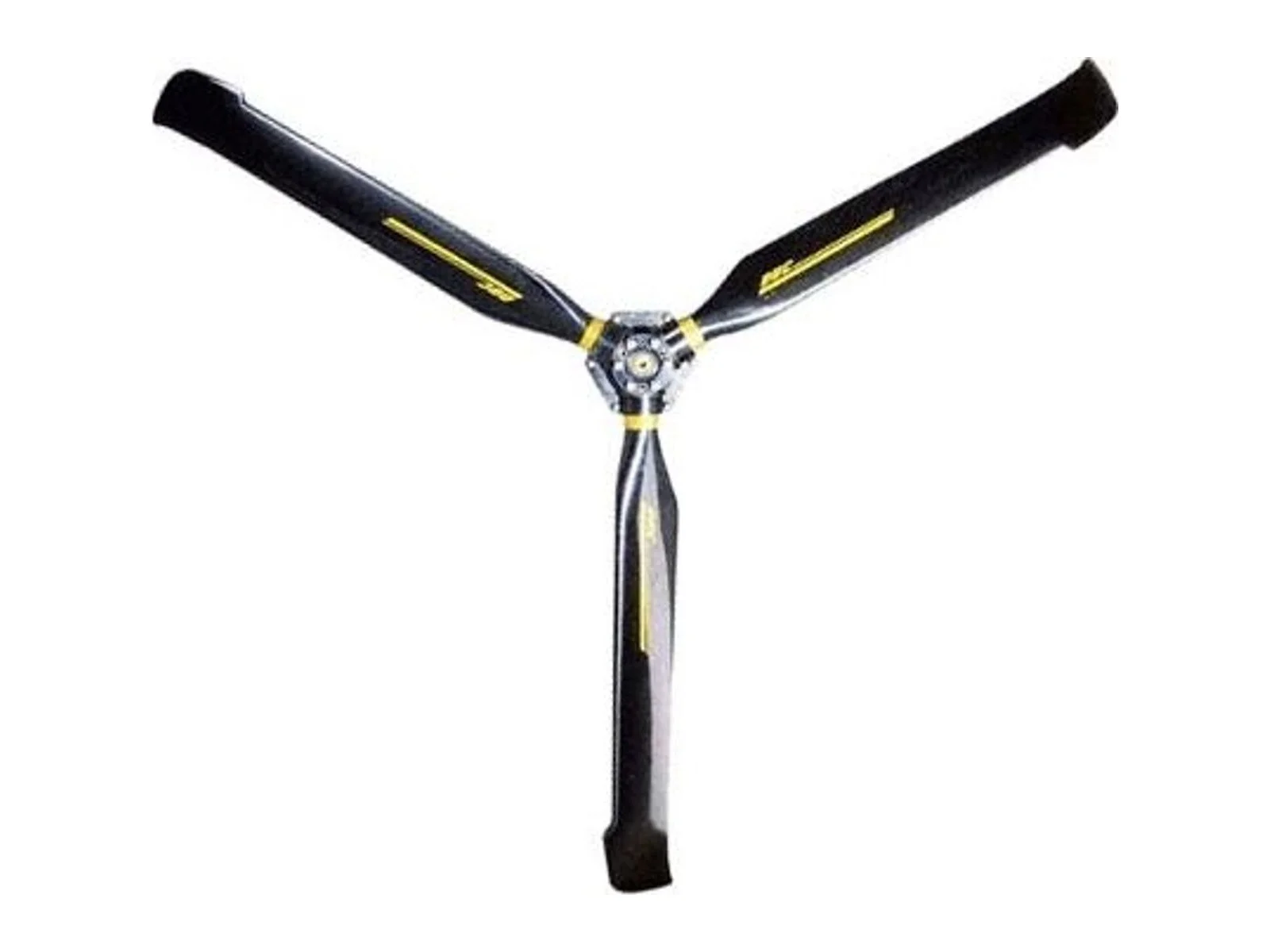 FeaturedPropellers
Windspoon-R aircraft propeller offering
- Grade
- Professional
- Market
- Civil
- Availability
- In production
More from Hartzell Propeller
 FeaturedPropellers
Trailblazer aircraft propeller offering
- Blade count
- 2
- Pitch type
- Constant-speed
- Material
- Composite
 Featured
Key terms
- brake specific fuel consumption (BSFC)
Brake specific fuel consumption (BSFC) is the mass of fuel an engine burns per unit of shaft energy delivered, usually in g/(kW·h); a lower value means a more efficient engine.
- disc loading
Disc loading is the aircraft's weight (or thrust) divided by the total area swept by its rotors or propellers, in kg/m2 or lb/ft2; it largely sets hover power and downwash.
- heavy-fuel engine
A heavy-fuel engine is a combustion engine able to run on kerosene-type or diesel fuels such as JP-8 or Jet A-1 instead of gasoline, simplifying logistics and reducing fire risk.
- Kv rating
The Kv rating of a brushless motor is its speed constant in rpm per volt, the no-load speed reached for each volt applied; it is the inverse of the back-EMF constant.
Related news
CATL works towards 350 Wh/kg battery energy density for eVTOL
For eVTOL aircraft, CATL aims to reach a battery energy density of 350 Wh/kg or more. Robin Zeng, who is chairman and CEO, names the number during the 2026 APEC CEO Summit in Shenzhen. The company adds that take-off and landing power…
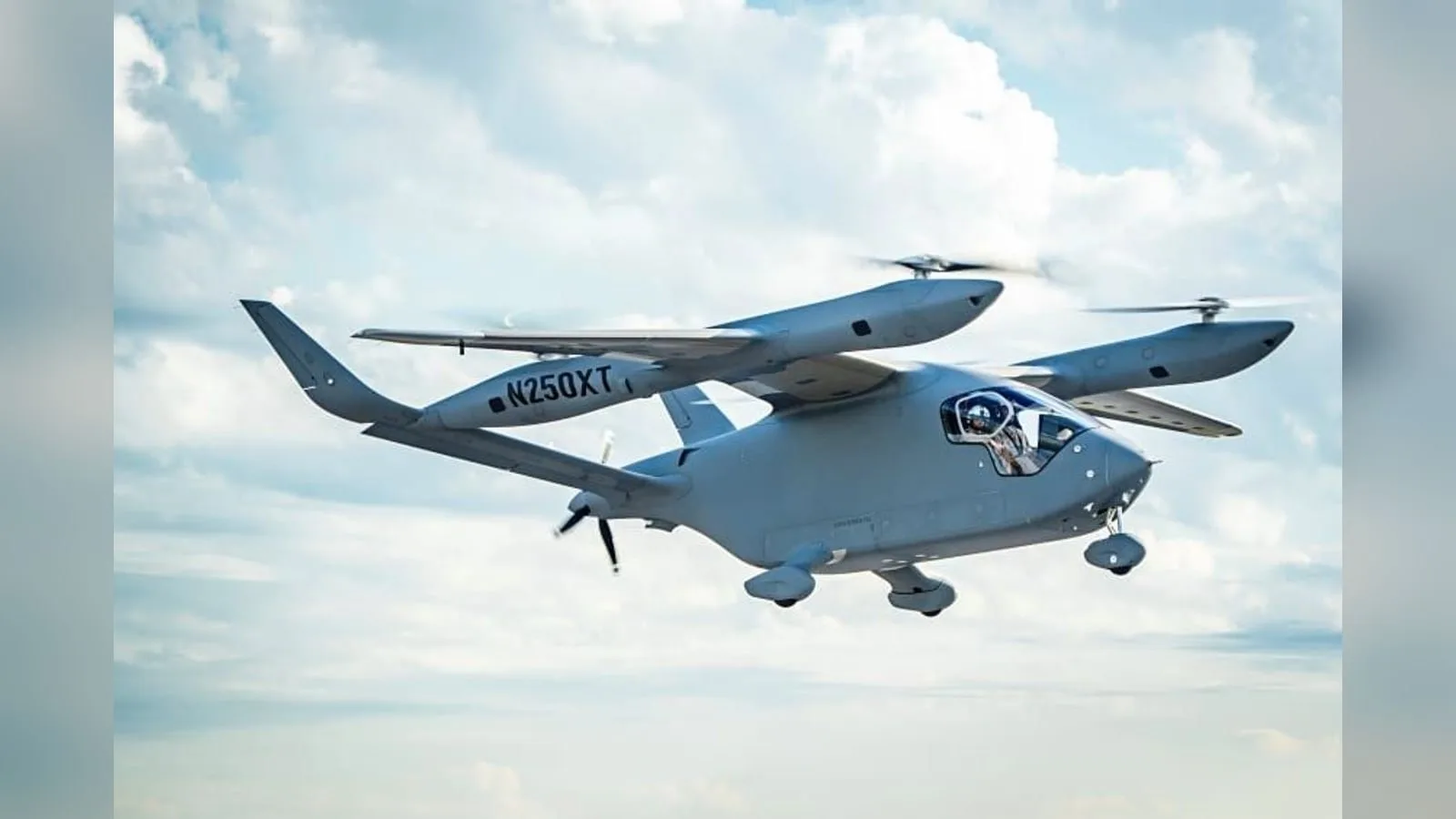
Astronics CorePower power systems enter BETA production
Astronics and BETA Technologies agree on series supply of CorePower electrical power systems for three BETA aircraft. The deal moves power hardware that has flown on BETA's development fleet since 2024 into production.
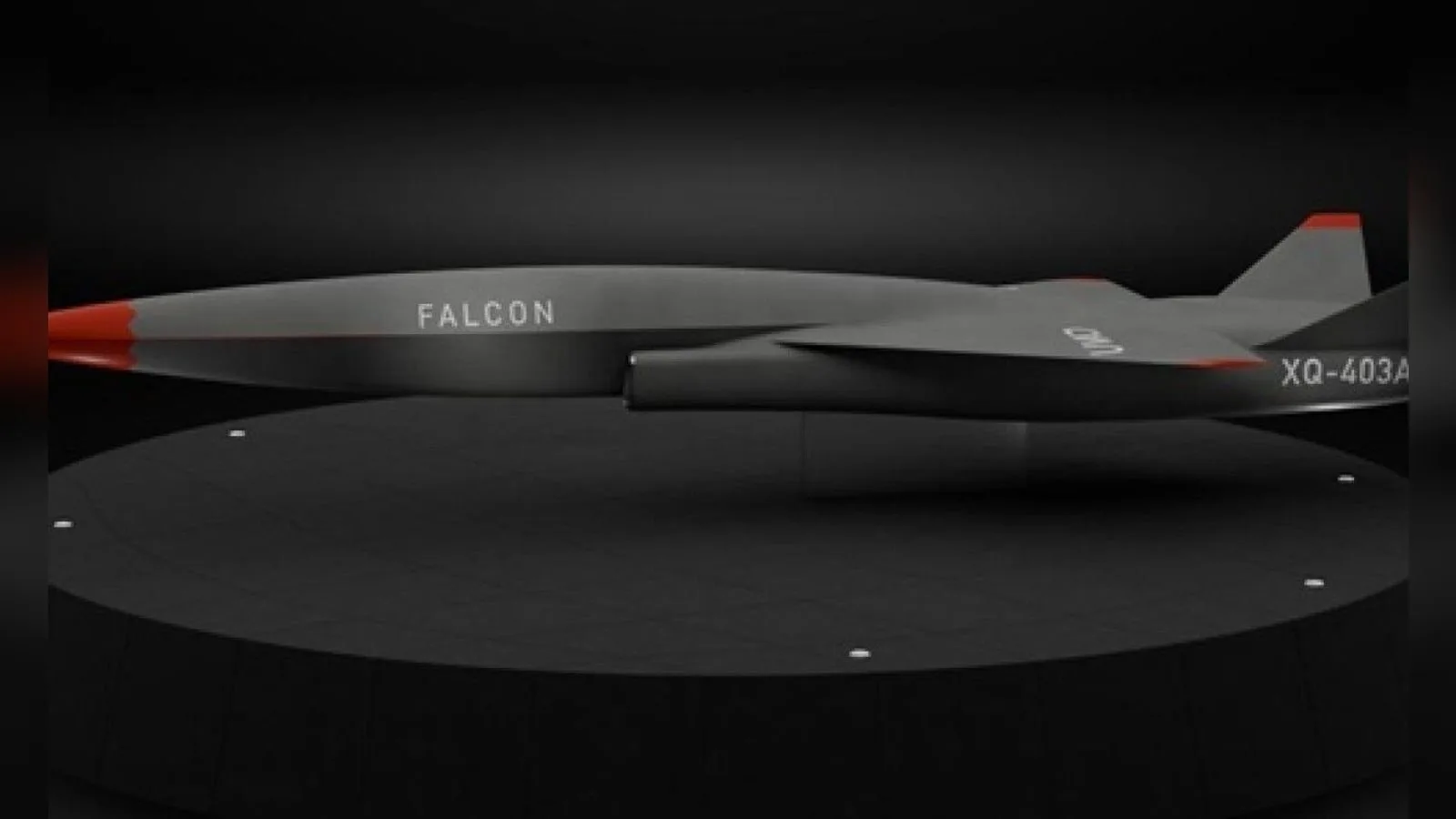
Safran turbojets to power Falcon supersonic UAV target
Falcon is a reusable supersonic uncrewed aerial target for missile-defense training, and its propulsion is the subject of a partnership between Safran Power Units and UVAD Technologies. Safran supplies two turbojet engines, and flight…
This product listing is maintained by our editorial team and may contain errors. Last updated .