Unverified
Gremsy Two-Axis T3V3 mid-size two-axis camera gimbal
Also known as: TwoAxisT3V3, Two-Axis-T3V3, Two Axis T3V3, Two-Axis-T-3-V-3, Two Axis T 3 V 3, Gremsy Two-Axis T3V3, Gremsy TwoAxisT3V3
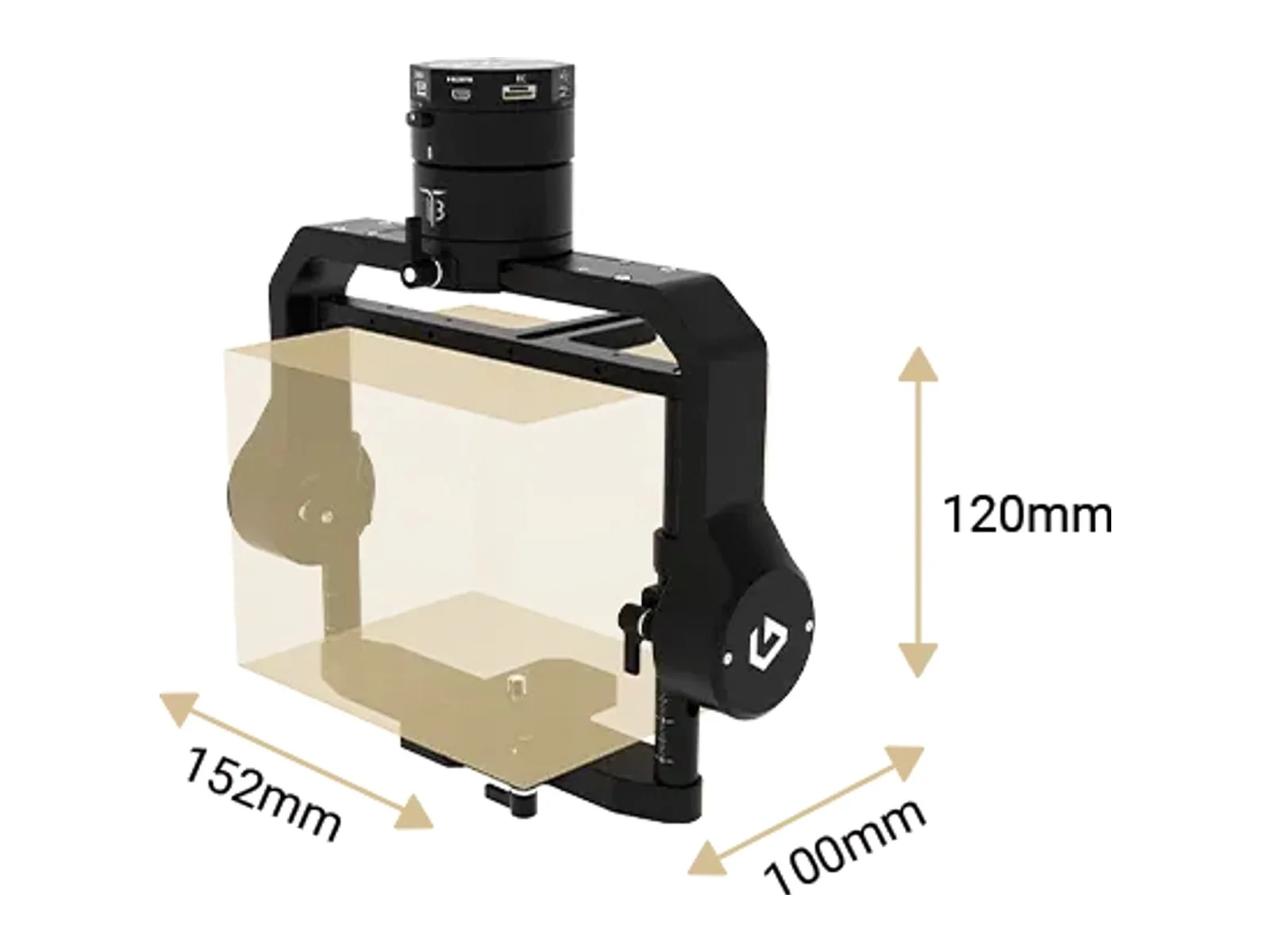
Two-axis mid-size gimbal for stabilizing Sony, Panasonic, Phase One and Wiris cameras on multiple drone and control platforms, with front, pan-tilt or roll-tilt mounting. It weighs 0.745 kg, carries up to 1,700 g and rotates at up to 180 °/s.
Description
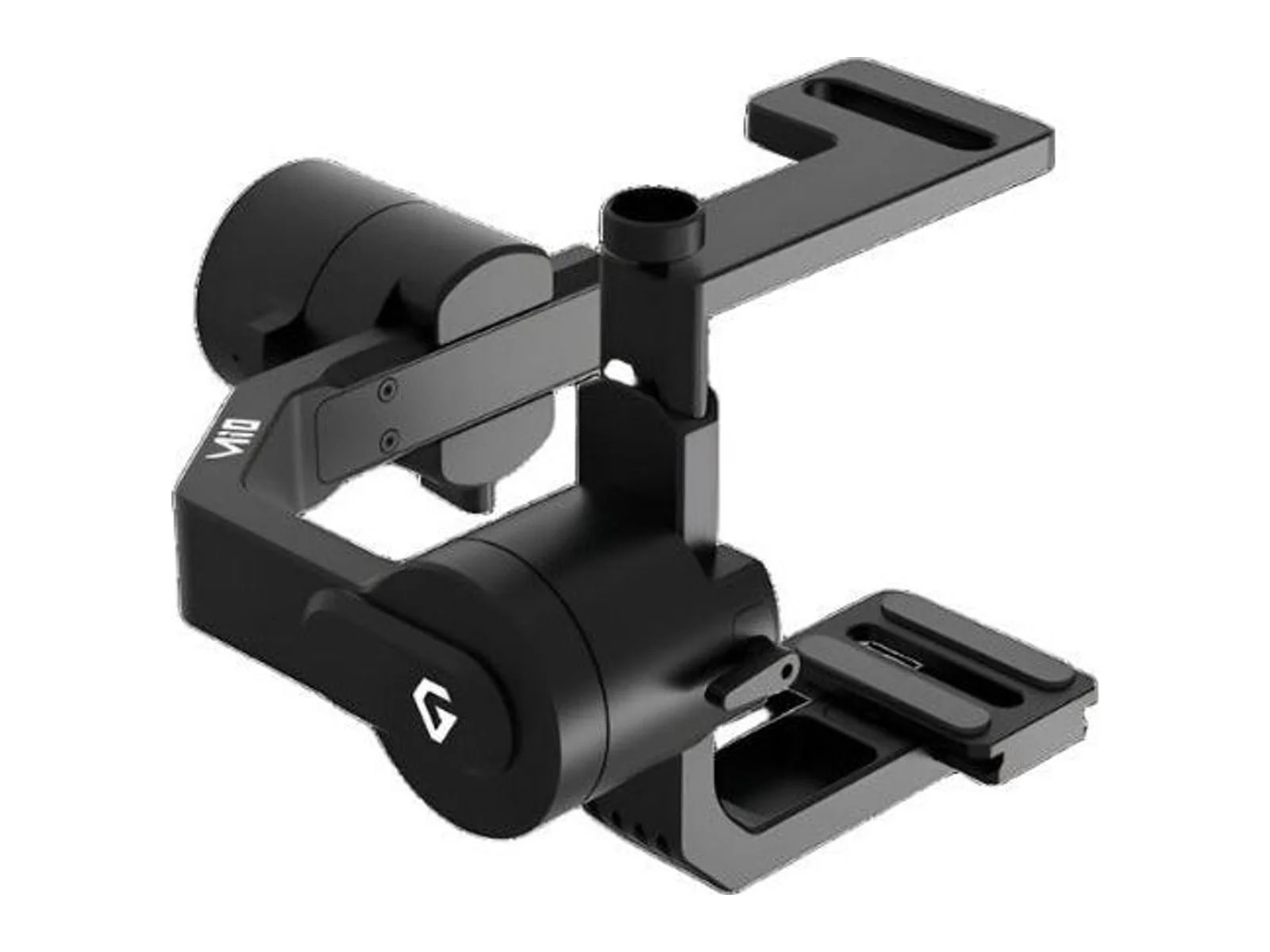
The Gremsy Two-Axis T3V3 is a mid-size two-axis camera gimbal from Gremsy for stabilizing mapping and security cameras on drones and other control platforms. It is offered with a front mount or a bottom mount in either pan-tilt or roll-tilt configuration, so integrators can choose the orientation that suits their airframe.
Gremsy stabilization technology isolates the camera from airframe motion so the line of sight stays steady in flight. Operation modes include gimbal on/off, lock mode, and follow mode or mapping mode, and a built-in temperature sensor is included. The gimbal supports Sony A-series, Panasonic GH-series and Phase One iXM-series cameras, as well as Wiris Security and UMC-S3CA units, so one gimbal covers several payload choices.
The gimbal weighs 0.745 kg and carries a maximum payload of 1,700 g, which integrators can use to size the camera and lens combination against the payload budget of the airframe. The angular vibration range of ±349.066 µrad indicates how tightly the camera holds its pointing against disturbance. Maximum controlled rotation speed is 180 °/s on the tilt and roll axes, which sets how fast the camera can be slewed when commanded. The operating temperature range is 0–50 °C. Mechanical endpoint and controlled rotation ranges differ between the front and roll-tilt mounts and the pan-tilt mount, so the range should be checked against the intended installation. The camera tray limits the depth, height and width of the camera, so the camera and lens must fit the specified camera cage envelope.
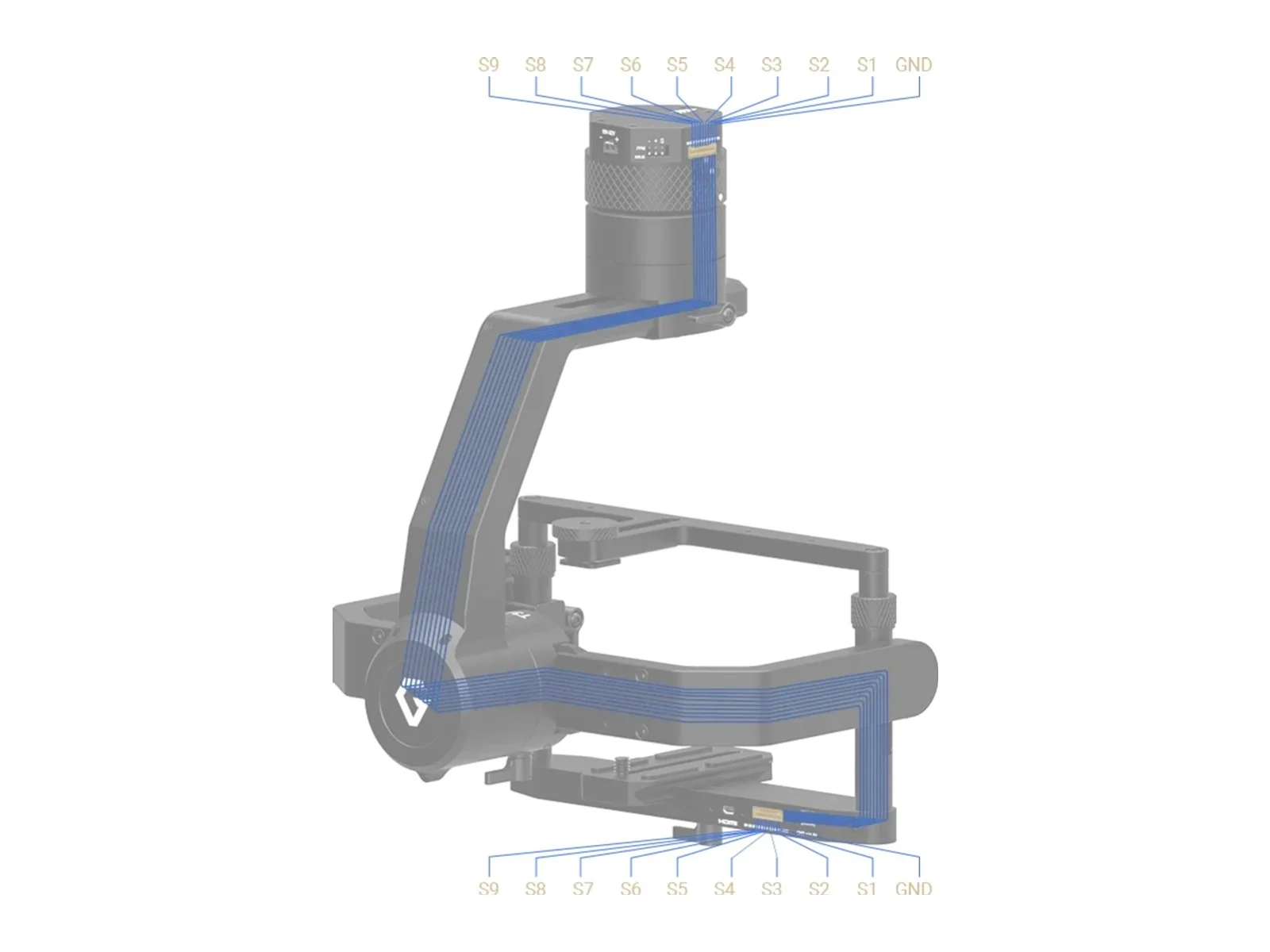
The gimbal accepts an input power of 15–52 V, which suits a wide range of battery configurations. Control and data connections include CAN, UART, S-Bus, Spektrum, PPM, Bluetooth, Micro HDMI and USB-C, with the USB-C port used for data transmission. Control can come from SBUS, PPM or Spektrum inputs, from the gSDK, or through Mavlink gimbal commands, and an auxiliary port is provided. An SDK is available for integrators, and the gimbal works with multiple drone and control platforms. Assistant software runs on Windows and macOS computers and on Android and iOS mobile devices.
No certifications or ingress protection rating are stated for this gimbal, so integrators should confirm environmental and regulatory requirements for their own platform and operation.
Typical applications are aerial mapping and camera-based security payloads on drones, where a compact two-axis stabilized camera mount is needed. The front-mount option and the pan-tilt or roll-tilt bottom mounts let integrators choose the orientation that suits their airframe.
Two-Axis T3V3 specifications
| General | |
|---|---|
| Grade | Professional[1][2][3] |
| Market | Dual-use[1][2][3] |
| Platform class | Small UAS (<25 kg), Large UAS (25–150 kg)[1][2][3] |
| Airframe | Any[1][2][3] |
| Availability | In production[1][2][3] |
| Mass | 0.745 kg[1][2][3] |
| Dimensions (L × W × H, mm) | 198 (D) × 247 (W) × 165 (H) mm[1][2][3] |
| Operating temperature | 0 – 50 °C[1][2][3] |
| Key specifications | |
| Axes | Two-axis; bottom mount as pan & tilt (PT) or roll & tilt (RT); front mount option[1][2][3] |
| Stabilization accuracy | 349.066 µrad[1][2][3] |
| Integrated sensors | Temperature sensor[1][2][3] |
| Max payload | 1,700 g[1][2][3] |
| Additional specifications | |
| Slew rate | 180 °/s[1][2][3] |
| Video output | Micro HDMI[1][2][3] |
| Supply voltage | -52 – 15 V[1] |
| Physical interfaces | CAN, UART, USB, HDMI[1][2][3] |
Sources
- gremsy.com/products/gremsy-two-axis-t3v3 · checked November 23, 2026
- gremsy.com/products/gremsy-two-axis-t3v3/specs · checked November 23, 2026
- docs.gremsy.com/gimbals/gremsy-two-axis-t3v3/getting-started/specification · checked November 23, 2026
Frequently asked questions
What is the maximum payload capacity of the Gremsy T3V3 gimbal?
The gimbal is designed to support a maximum payload of 3.7lbs (1700g).
What are the operating temperature limits for the T3V3?
The device is rated to operate within a temperature range of 32° F to 122° F (0° C to 50° C).
Reviews & Ratings
– / 5
No reviews yet. Be the first to rate.
Rate this product
Almost done: send the form below to publish your rating.
Thank you: your review is published and already counts in the rating.
Demo mode: the form is not connected yet and nothing was sent.





Similar gimbals from other manufacturers
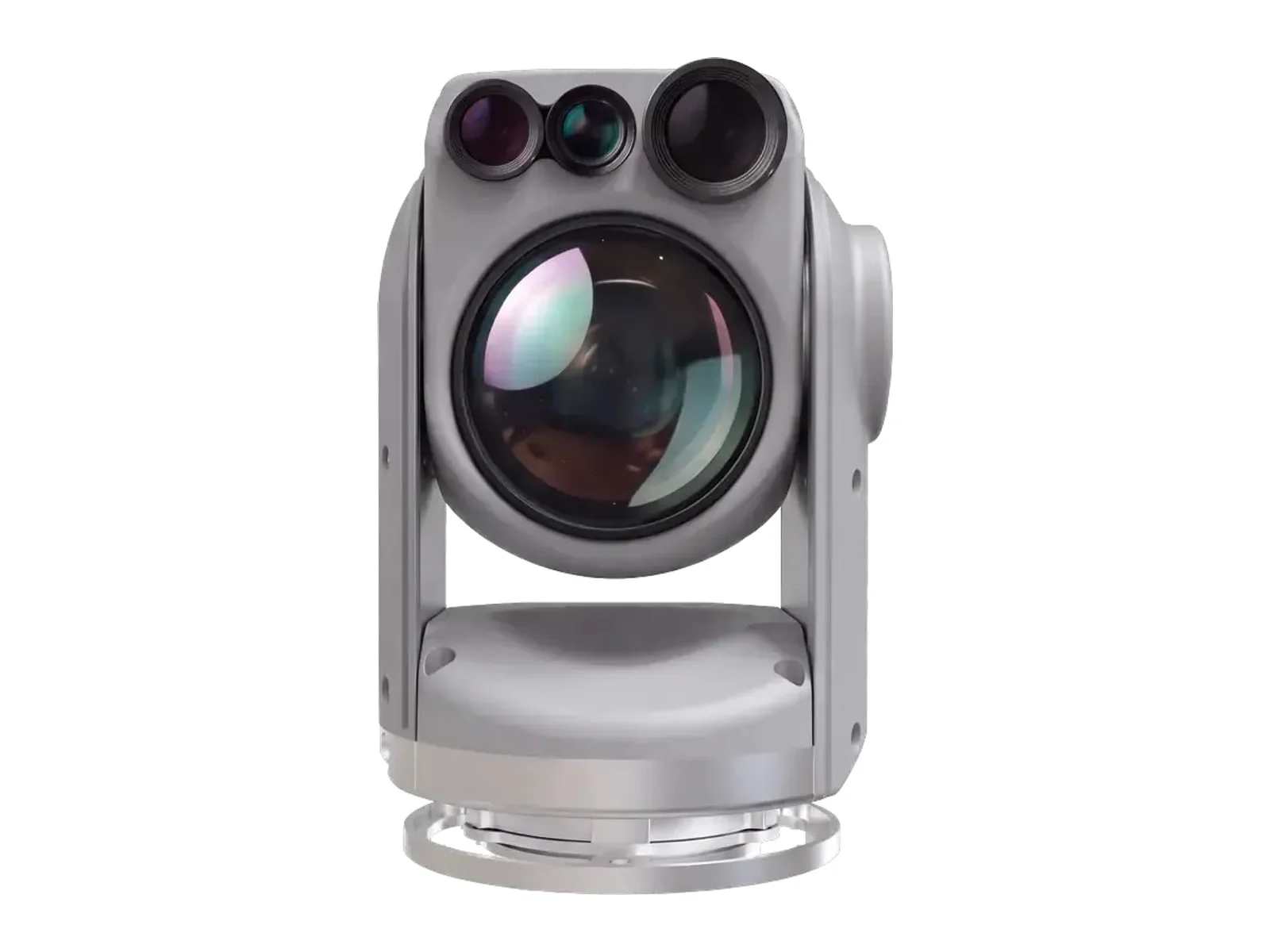 FeaturedGimbals
Raptor stabilized camera or payload mount
- Grade
- Professional
- Market
- Dual-use
- Availability
- In production
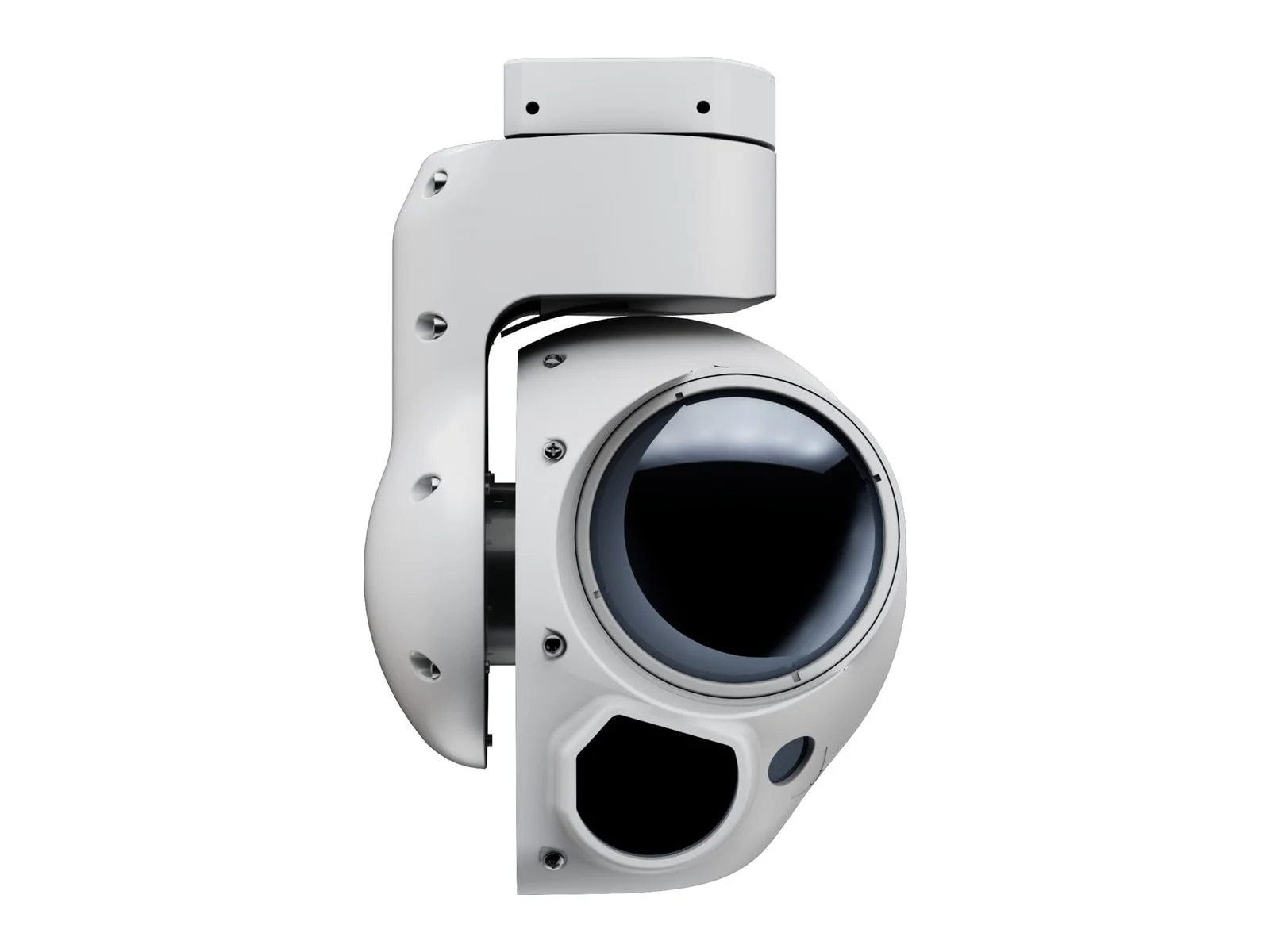 FeaturedGimbals
HD45 stabilized camera or payload mount
- Grade
- Professional
- Market
- Dual-use
- Availability
- In production
 Featured
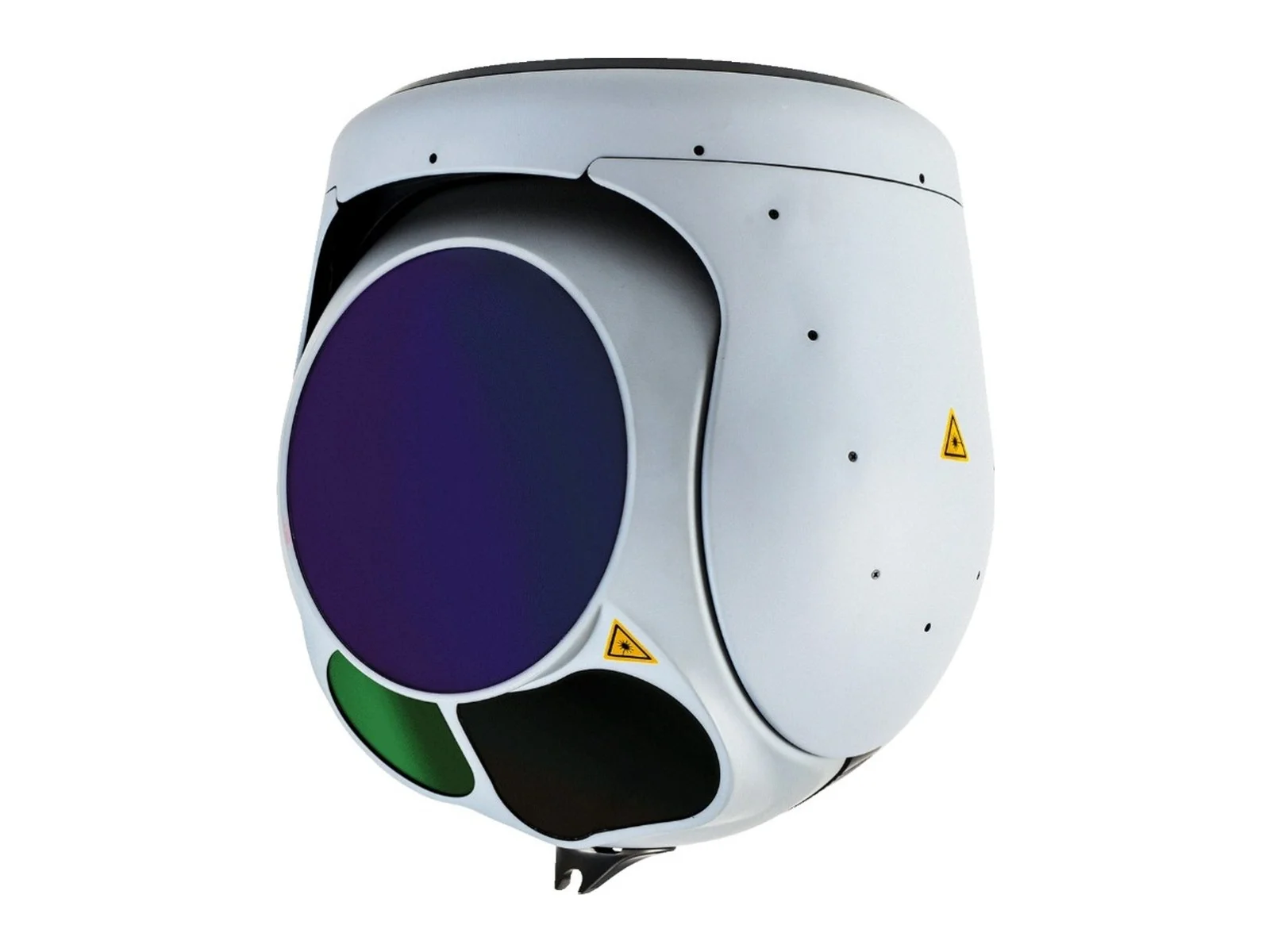 FeaturedGimbals
ALTICAM 14 stabilized multi-band imaging gimbal
- Turret diameter
- 322.58 mm
- Grade
- Professional
- Market
- Dual-use
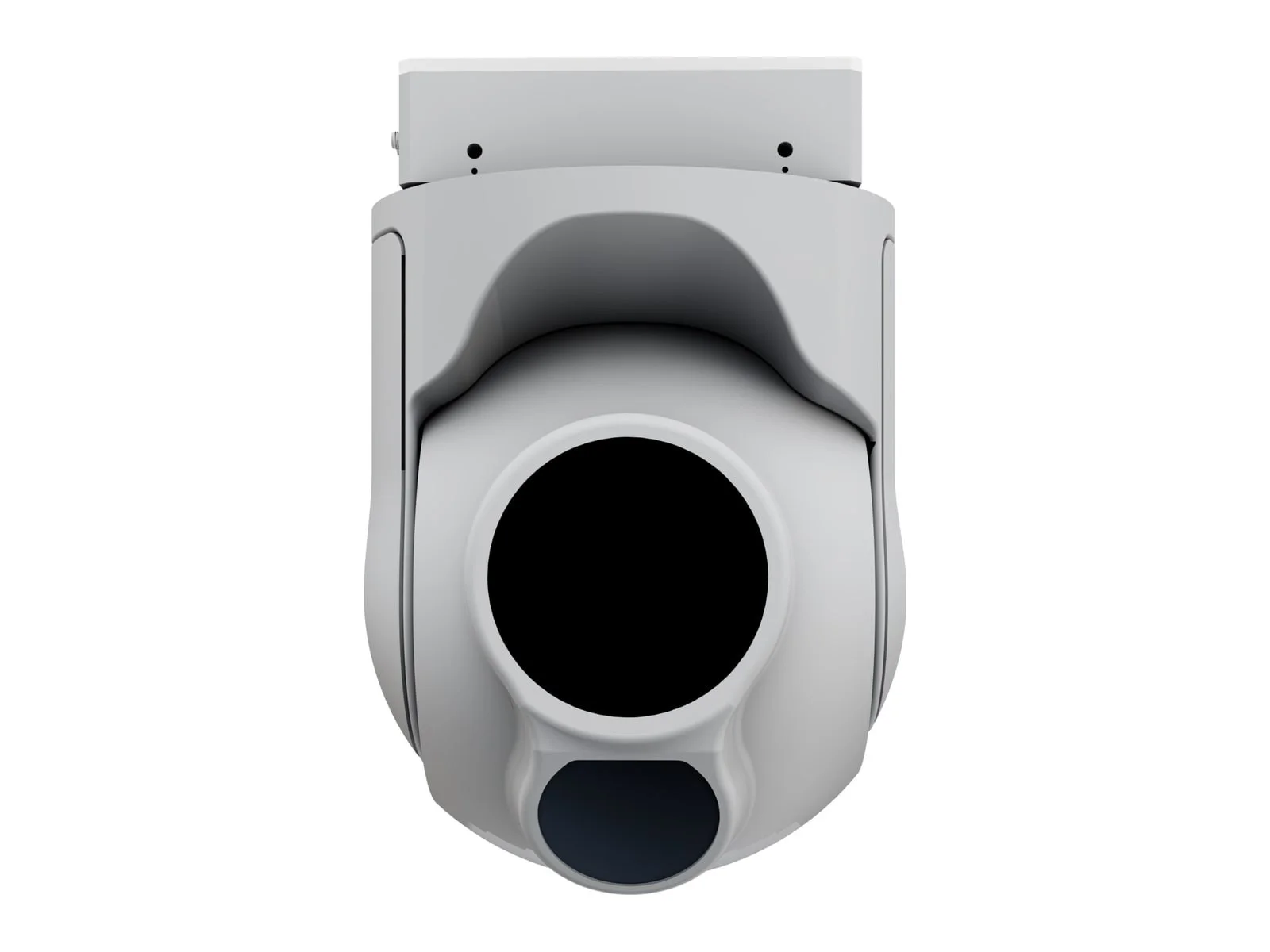 FeaturedGimbals
HD80 stabilized camera or payload mount
- Grade
- Professional
- Market
- Dual-use
- Availability
- In production
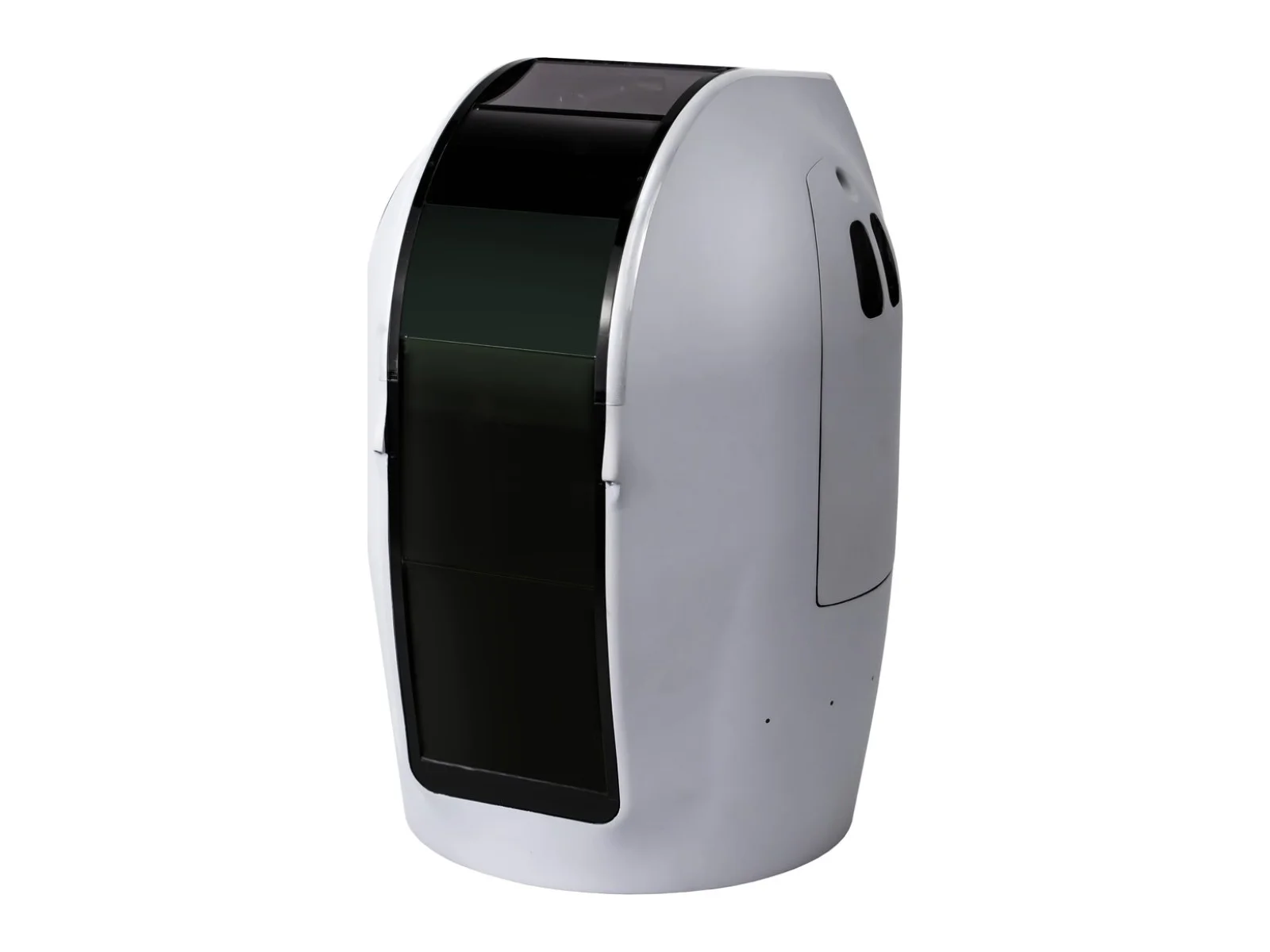 FeaturedGimbals
ALTICAM 09 four-axis stabilized imaging-gimbal family
- Turret diameter
- 266.7 mm
- Grade
- Professional
- Market
- Dual-use
More from Gremsy
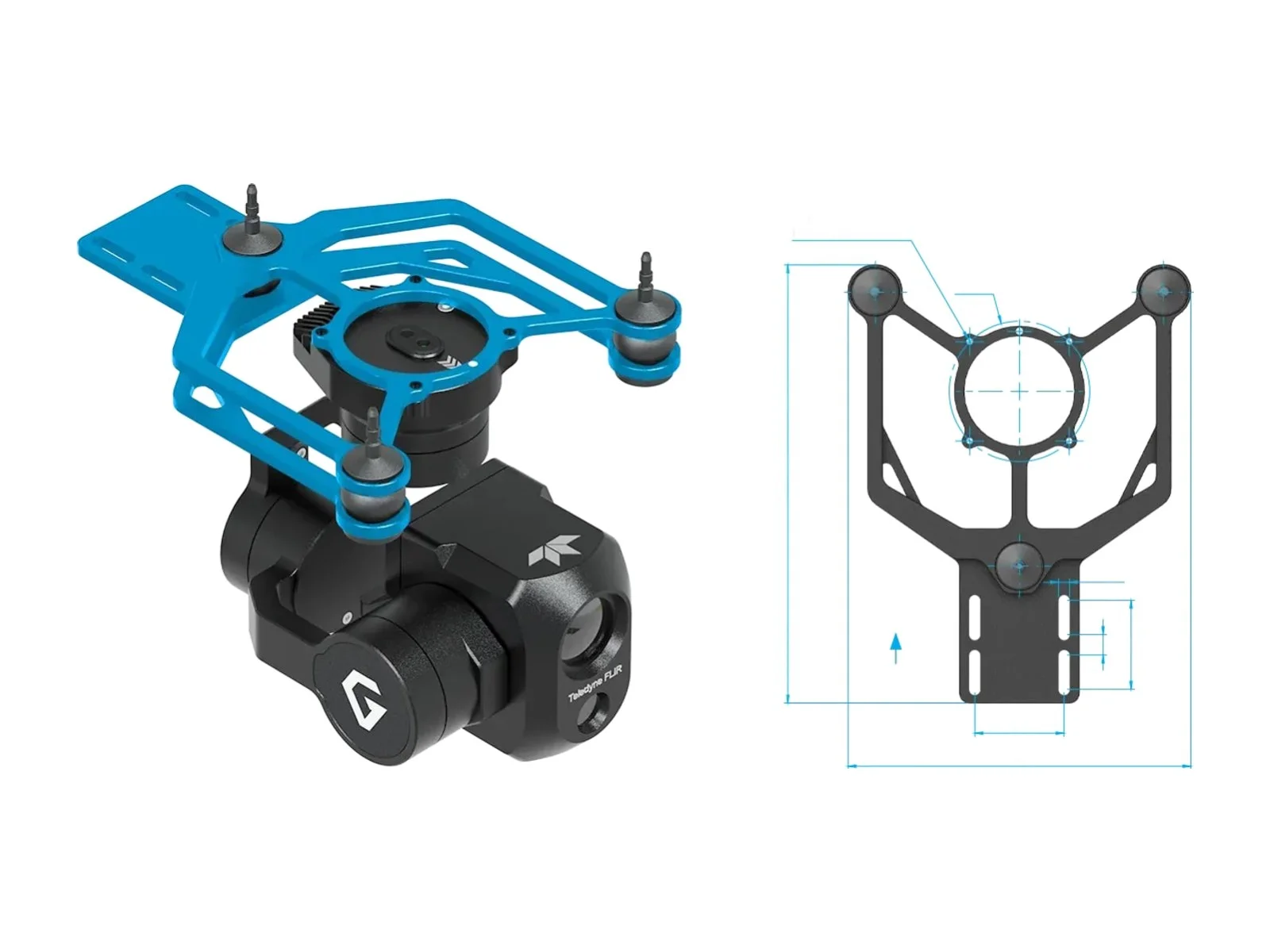 FeaturedGimbals
G-Hadron compact gimbal for the Teledyne FLIR Hadron 640R dual thermal and visible camera
- Stabilization accuracy
- 174.533 µrad
- Grade
- Professional
- Market
- Dual-use
 Featured
 Featured
 Featured
Key terms
- NDAA compliance
NDAA compliance means a drone or component meets US National Defense Authorization Act sourcing rules that bar certain Chinese-made equipment, and it is a purchasing condition for US defence and federal customers.
- returns per pulse (LiDAR)
Returns per pulse is the number of separate echoes a LiDAR can record from a single emitted laser pulse, for example from canopy, branches and ground, and it sets how well a drone scanner sees through vegetation.
- synthetic-aperture radar (SAR)
Synthetic-aperture radar (SAR) is an imaging radar that uses the motion of the aircraft to synthesize a long antenna, producing high-resolution images of the ground day or night and through cloud.
Related news
KESTREL EO/IR gimbal payload opens for pre-order at Gremsy
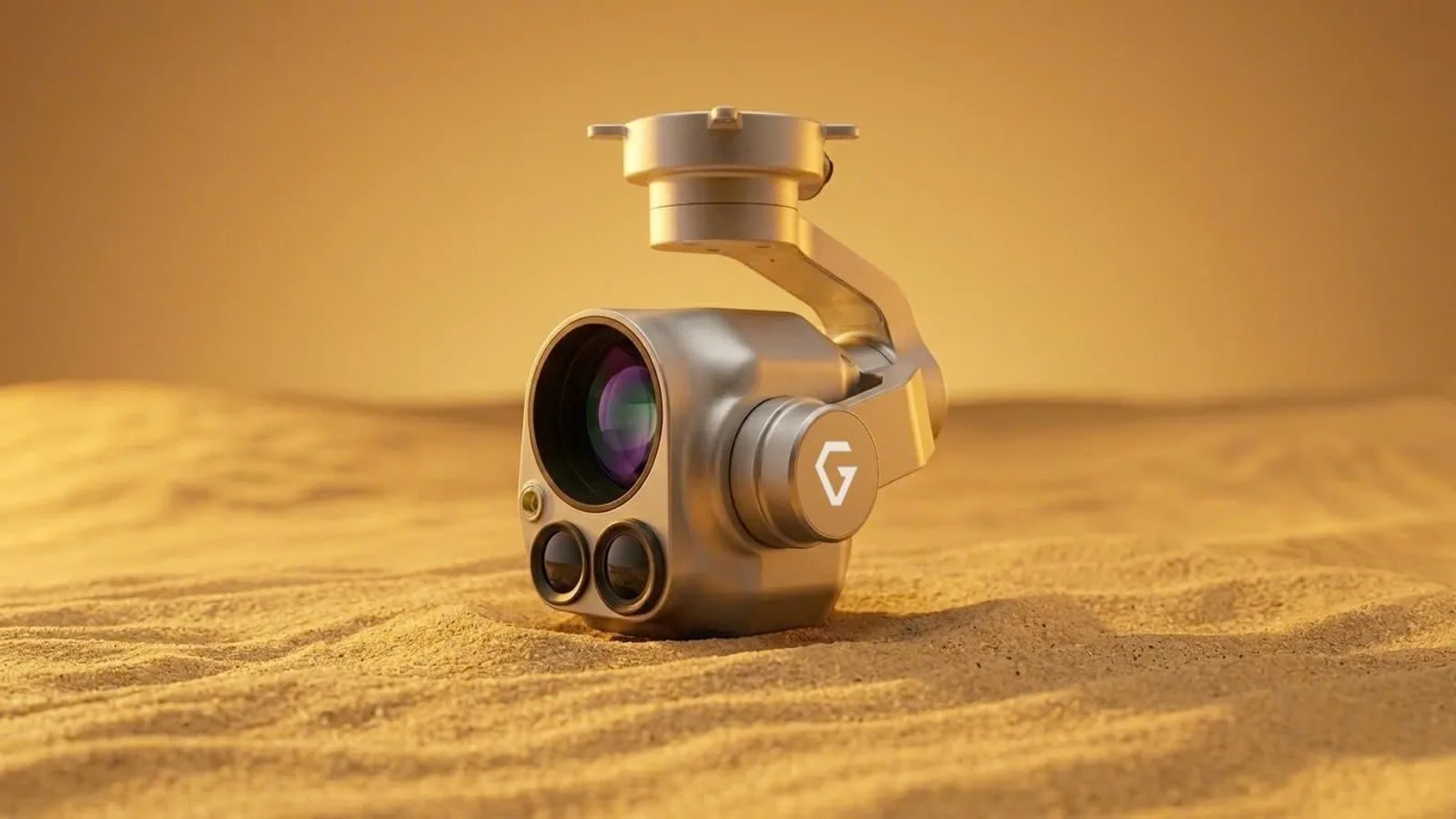
Gremsy opens pre-orders for KESTREL, a dual EO/IR gimbal payload for small UAVs that weighs under 300 grams. The NDAA-compliant unit leaves its early integration phase and becomes available to manufacturers and integrators worldwide.

Gremsy and NINANO sign MoU on EO/IR payload integration
Gremsy has signed a memorandum of understanding with South Korean UAV manufacturer NINANO to explore integrating Gremsy's EO/IR camera payloads into NINANO's unmanned platforms. The agreement sets a framework for technical collaboration…
Gremsy opens Elite Integrators program for KESTREL payload
Gremsy launches its Elite Integrators Program, giving a select group of system integrators early access to KESTREL, its ultra-lightweight, ultra-compact payload, before market release. Applications open now, and KESTREL is set for display…
This product listing is maintained by our editorial team and may contain errors. Last updated .