Unverified
G-Hadron compact gimbal for the Teledyne FLIR Hadron 640R dual thermal and visible camera
Also known as: GHadron, G Hadron, Gremsy G-Hadron, Gremsy GHadron
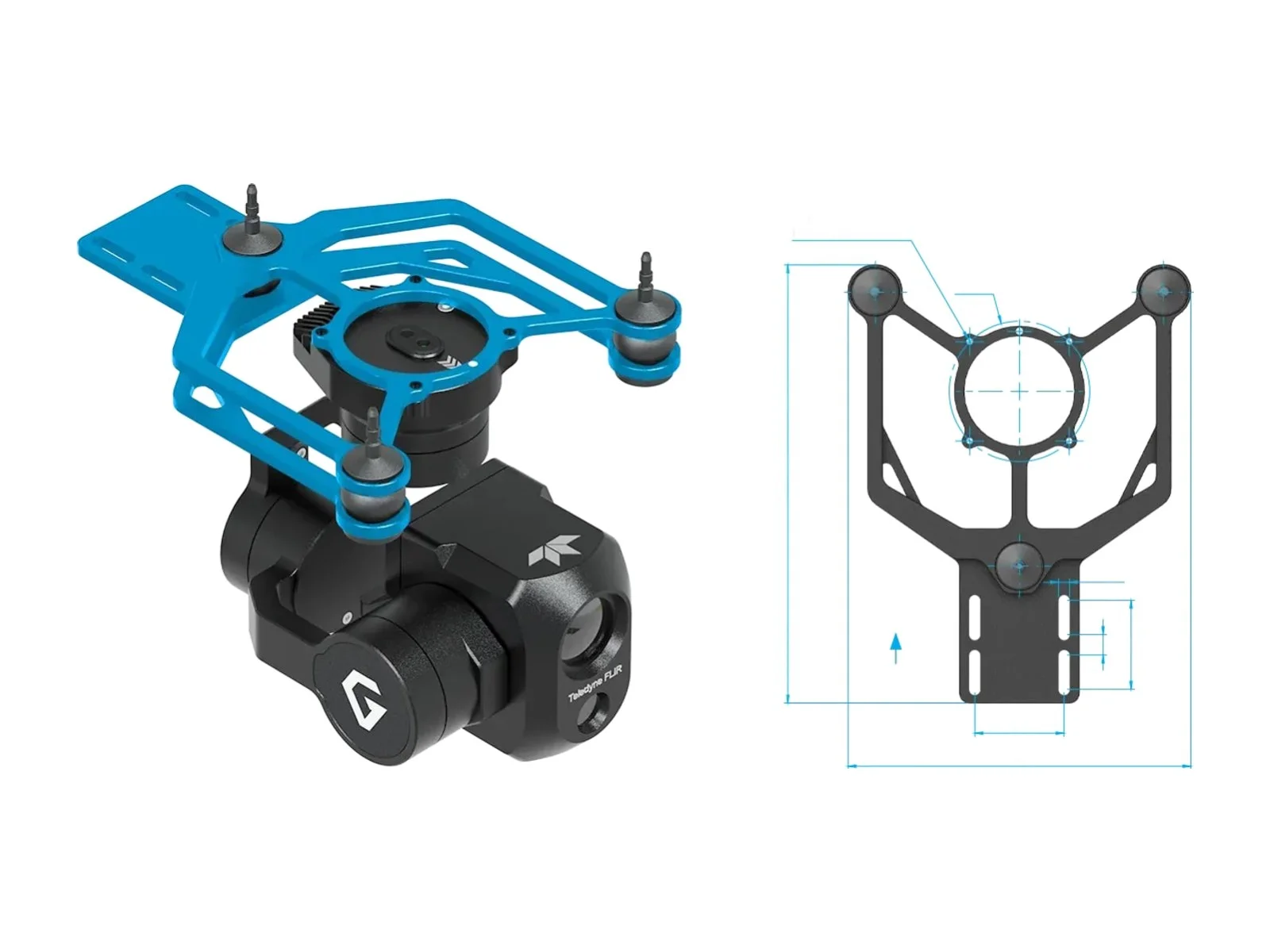
Compact three-axis gimbal for the Teledyne FLIR Hadron 640R dual thermal and visible camera, built for drone integrators using Pixhawk, Cube Pilot or Skynode flight controllers. It weighs 164 g and runs from a 15–52 V supply.
Description
The G-Hadron compact gimbal from Gremsy is a three-axis gimbal for the Teledyne FLIR Hadron 640R dual thermal and visible camera module, built for drone integrators. Its optimized size and weight give a plug-and-play setup for the Hadron 640R, so the camera can be stabilized and pointed without designing a custom gimbal.
The gimbal stabilizes the camera on pan, tilt and roll axes using an IMU sensor and Gremsy-specialized drive motors with encoders. Its angular vibration range is ±0.01°, which keeps the thermal (IR) and visible (EO) views steady on a moving platform. The maximum controlled rotation speed is 100 °/s, and the controlled rotation range is ±160° in pan and ±120° in tilt, so an operator or flight controller can point the sensor across a wide field of view. Follow mode and mapping mode are available. The gimbal weighs 164 g, which matters for flight time and balance, and it operates from -10–50 °C.
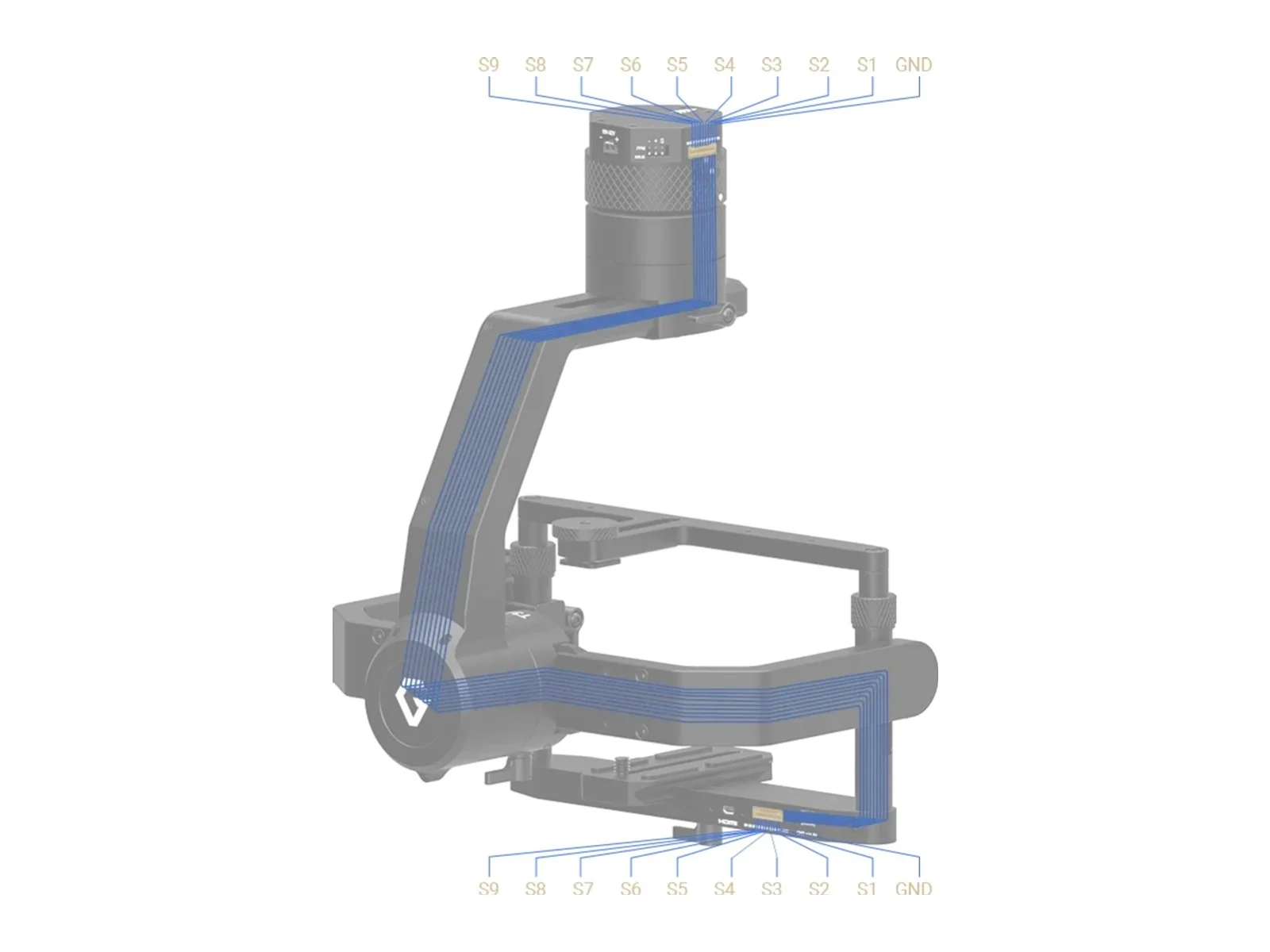
For integration, the gimbal accepts a 15–52 V input, so it can be powered from a range of drone battery and power-distribution systems. Average system power consumption is 4.5–6 W. The gimbal connects through USB, UART and SBus, supports the Gremsy gimbal MAVLink protocol, and accepts third-party control over SBus and MAVLink. It is compatible with Pixhawk, Cube Pilot and Skynode flight controllers. The gimbal mounts from the bottom through a standard damping system, and Gremsy can supply a custom damping system or mounting specifications for integrators who build their own.
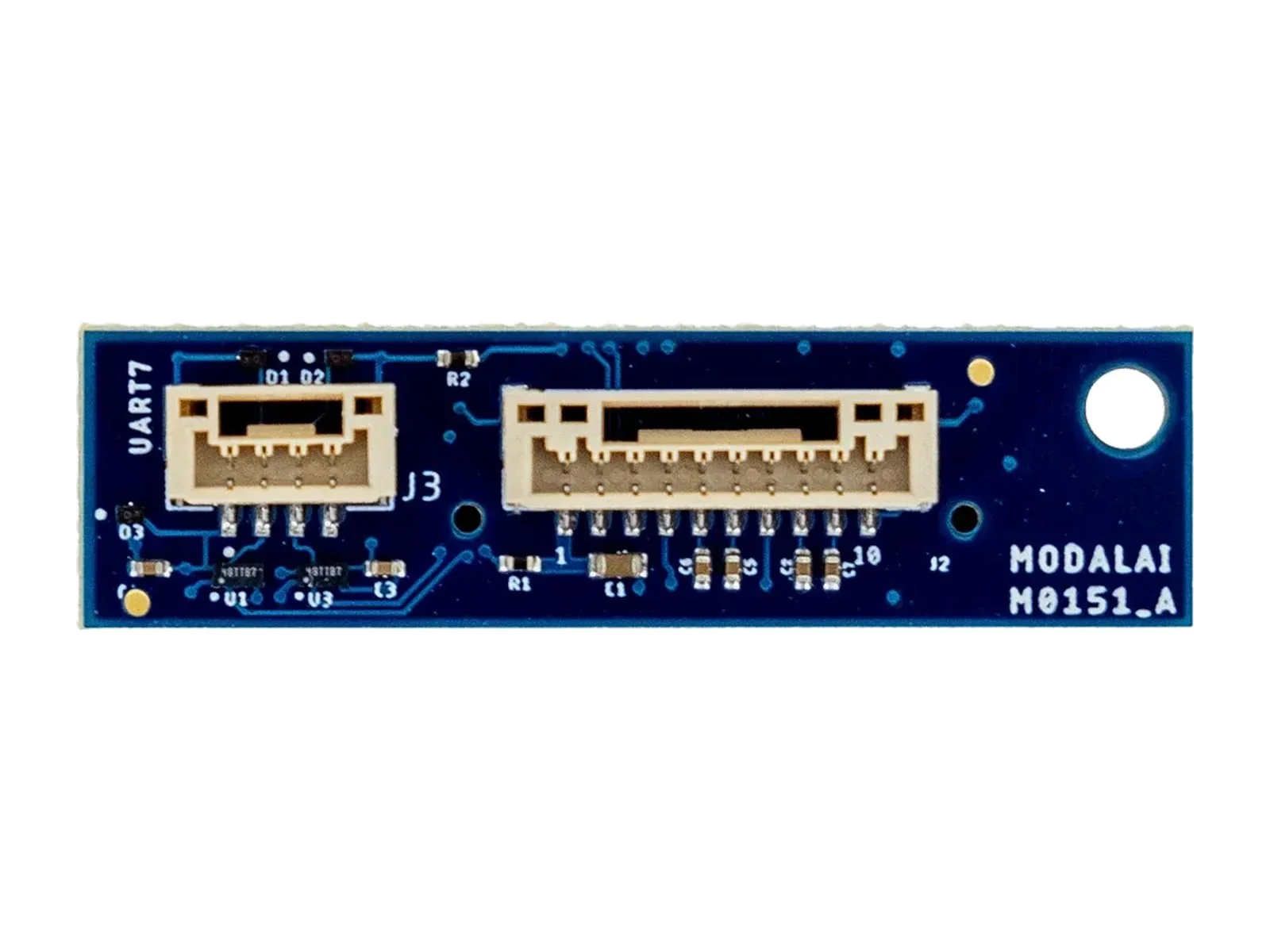
The G-Hadron Main Board carries the camera signals to the host over HDMI or Ethernet. It supports picture-in-picture streaming over HDMI or Ethernet (RTSP) with EO, IR, EO/IR and IR/EO views at a streaming resolution of 1920x1080, text overlay on the stream, and saving of images and video to a micro SD card. The camera and gimbal can be controlled remotely over MAVLink, and payload control is available through the PayloadSDK. For Qualcomm RB5 users, the G-Hadron RB5 Adapter links the gimbal to the RB5 Vision Kit and passes the camera signals over USB for the IR channel and MIPI for the EO channel.
The sources do not list regulatory certifications, an ingress protection rating or a maximum payload for the gimbal, so integrators with environmental or compliance requirements should confirm these with Gremsy before design-in.
Typical use is on integrator-built uncrewed aircraft that need a compact, stabilized thermal and visible camera with MAVLink control, HDMI or Ethernet video output and a ready-to-use mounting solution.
G-Hadron specifications
| General | |
|---|---|
| Grade | Professional[1][2][3] |
| Market | Dual-use[1][2][3] |
| Platform class | Small UAS (<25 kg)[1][2][3] |
| Airframe | Any[1][2][3] |
| Availability | In production[1][2][3] |
| Mass | 0.164 kg[1][2][3] |
| Dimensions (L × W × H, mm) | 90x63x98 mm (D x W x H)[1][2][3] |
| Operating temperature | -10 – 50 °C[1][2][3] |
| Key specifications | |
| Axes | 3-axis: pan, tilt, roll[1][2][3] |
| Stabilization accuracy | 174.533 µrad[1][2][3] |
| Integrated sensors | IMU sensor[1][2][3] |
| Additional specifications | |
| Pan range | 160 °[1][2][3] |
| Tilt range | 120 °[1][2][3] |
| Slew rate | 100 °/s[1][2][3] |
| Video output | PiP streaming over HDMI/Ethernet (RTSP); views EO, IR, EO/IR, IR/EO; streaming resolution 1920x1080[1][2][3] |
| Power consumption (typical) | 4.56 W[1][2][3] |
| Supply voltage | 15 – 52 V[1][2][3] |
| Physical interfaces | USB, UART, HDMI, Ethernet[1][2][3] |
Sources
- gremsy.com/products/g-hadron · checked November 17, 2026
- gremsy.com/products/g-hadron/specs · checked November 17, 2026
- docs.gremsy.com/tiny-gimbal/g-hadron/specification · checked November 17, 2026
Frequently asked questions
What is the weight of the G-Hadron's standard damping system?
The standard damping system for the G-Hadron weighs 42g and is designed for use on drones weighing over 1 kg.
How does the G-Hadron Main Board facilitate signal transmission from the camera?
The main board allows for the transmission of signals from the Hadron 640R camera using either HDMI or Ethernet connections.
What is the purpose of the G-Hadron RB5 Adapter?
The RB5 adapter connects the G-Hadron to the RB5 Vision Kit, allowing for camera signal transfer via USB for infrared and MIPI for electro-optical imaging.
Reviews & Ratings
– / 5
No reviews yet. Be the first to rate.
Rate this product
Almost done: send the form below to publish your rating.
Thank you: your review is published and already counts in the rating.
Demo mode: the form is not connected yet and nothing was sent.






Similar gimbals from other manufacturers
 Featured
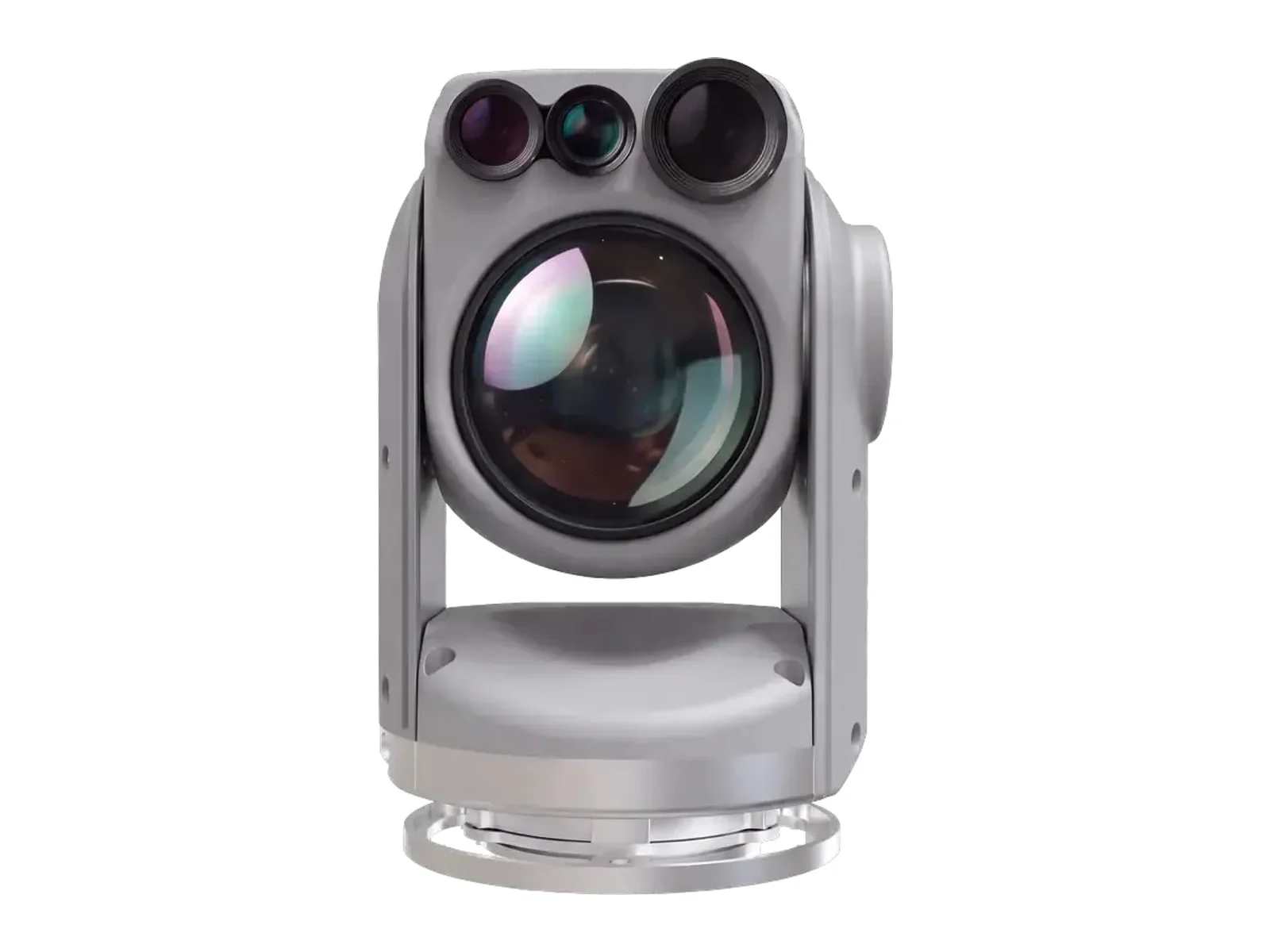 FeaturedGimbals
Raptor stabilized camera or payload mount
- Grade
- Professional
- Market
- Dual-use
- Availability
- In production
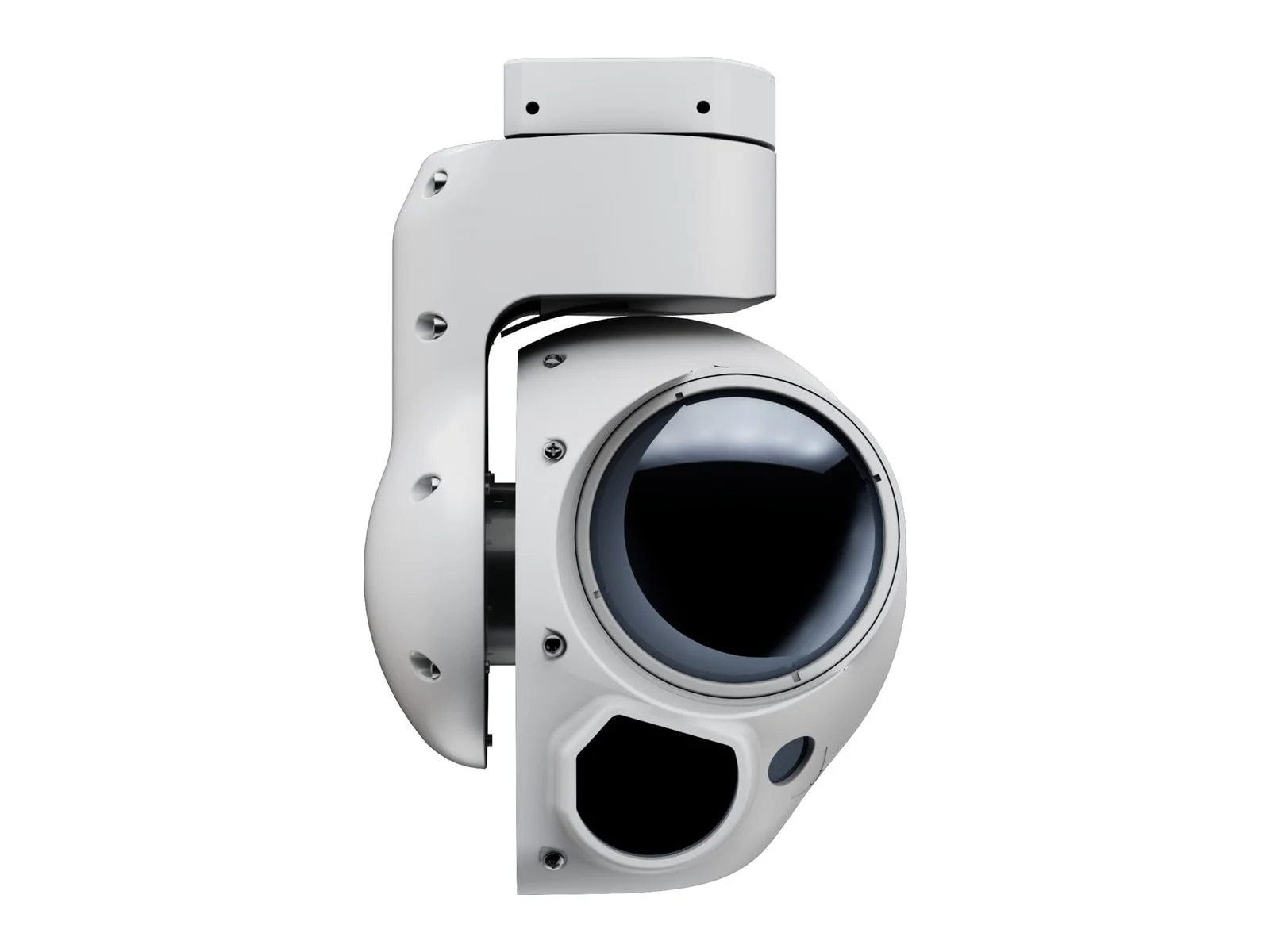 FeaturedGimbals
HD45 stabilized camera or payload mount
- Grade
- Professional
- Market
- Dual-use
- Availability
- In production
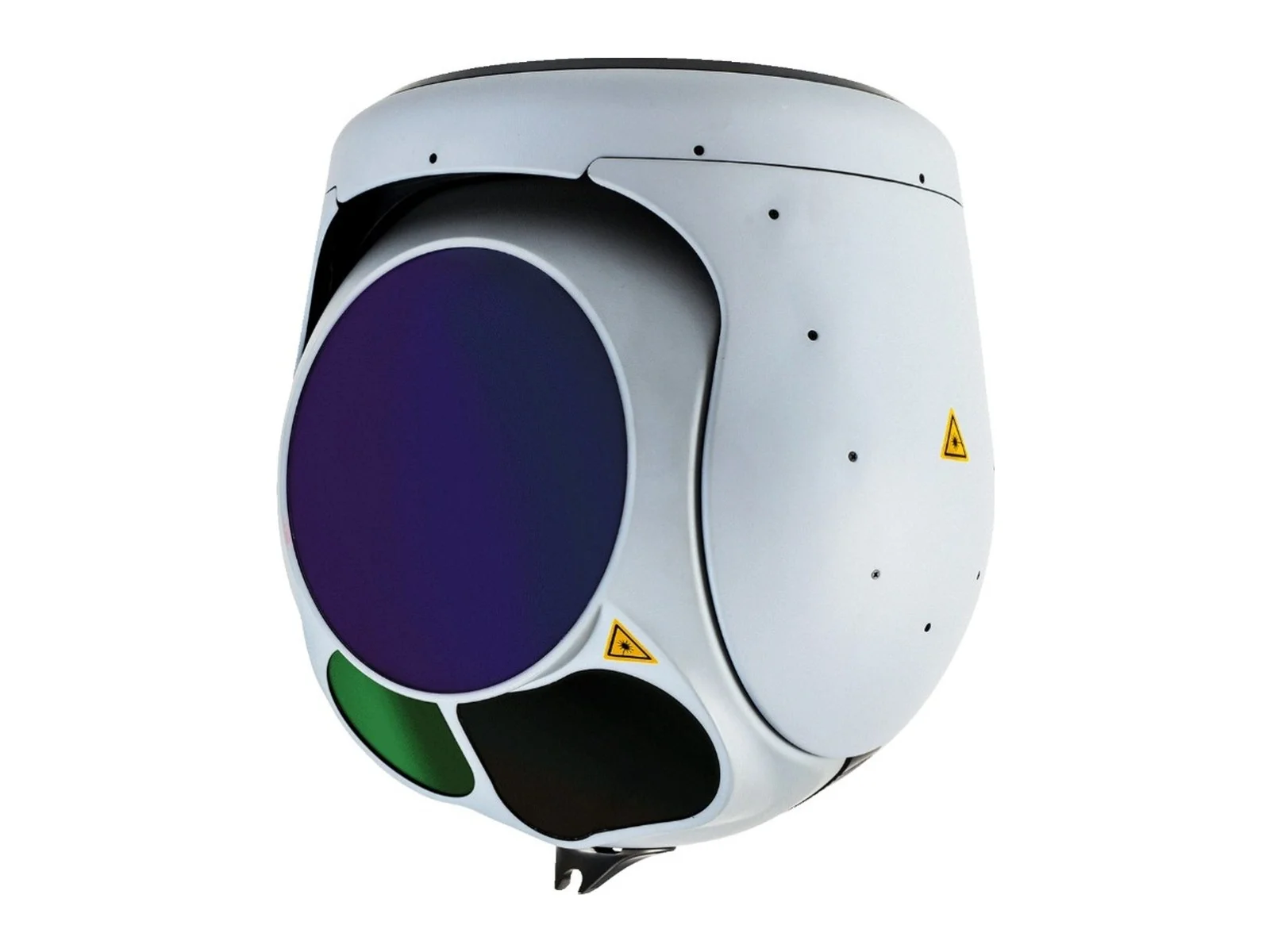 FeaturedGimbals
ALTICAM 14 stabilized multi-band imaging gimbal
- Turret diameter
- 322.58 mm
- Grade
- Professional
- Market
- Dual-use
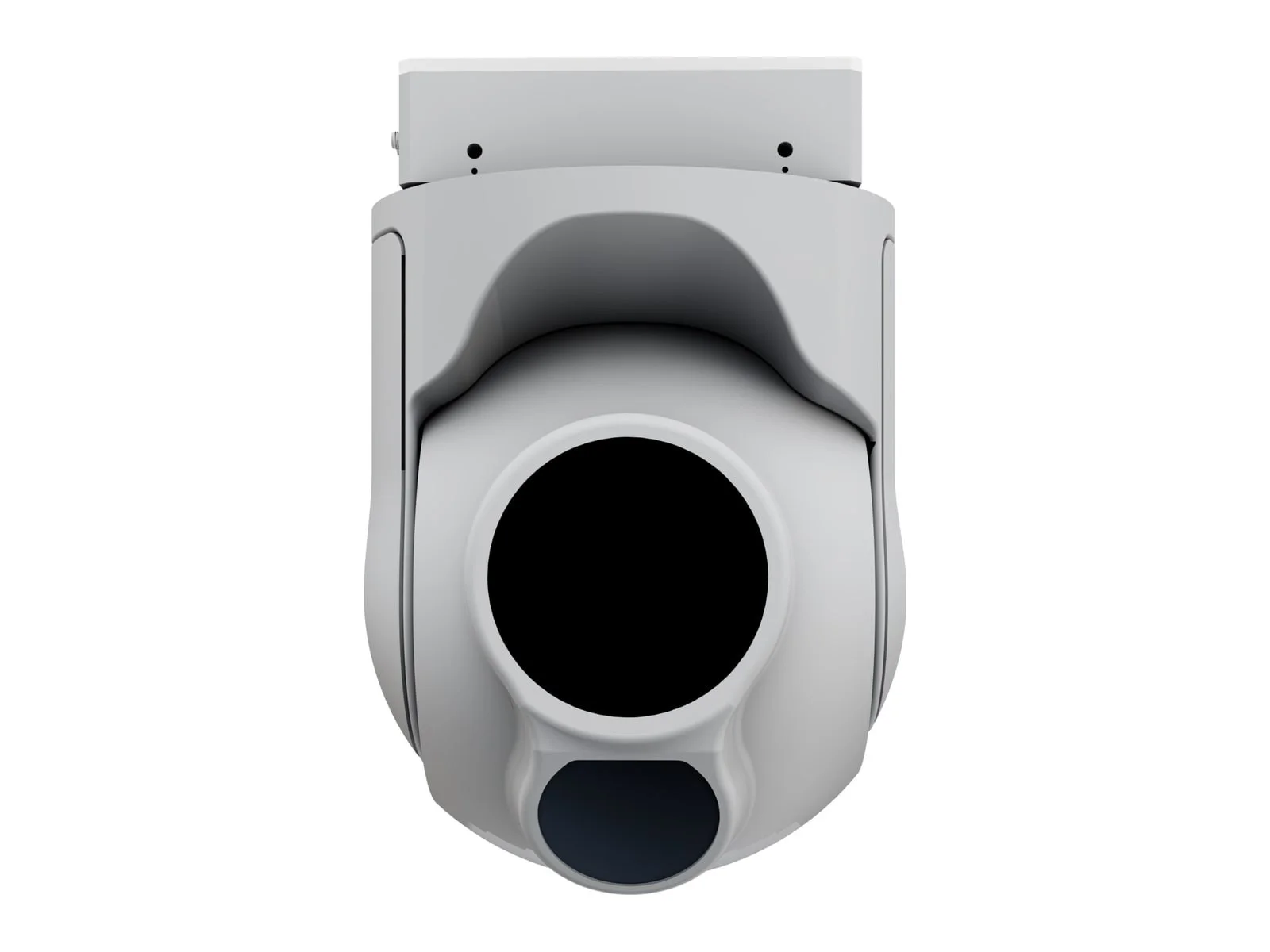 FeaturedGimbals
HD80 stabilized camera or payload mount
- Grade
- Professional
- Market
- Dual-use
- Availability
- In production
 FeaturedGimbals
ALTICAM 09 four-axis stabilized imaging-gimbal family
- Turret diameter
- 266.7 mm
- Grade
- Professional
- Market
- Dual-use
More from Gremsy
 Featured
 FeaturedGimbals
Gremsy Two-Axis T3V3 mid-size two-axis camera gimbal
- Stabilization accuracy
- 349.066 µrad
- Max payload
- 1,700 g
- Grade
- Professional
 FeaturedCameras
Gremsy Lynx dual-spectrum EO/IR camera payload
- Resolution
- 12,330,240 px
- Field of view
- 60.4 °
- Thermal sensitivity NETD
- 50 mK
 Featured
Key terms
- NDAA compliance
NDAA compliance means a drone or component meets US National Defense Authorization Act sourcing rules that bar certain Chinese-made equipment, and it is a purchasing condition for US defence and federal customers.
- returns per pulse (LiDAR)
Returns per pulse is the number of separate echoes a LiDAR can record from a single emitted laser pulse, for example from canopy, branches and ground, and it sets how well a drone scanner sees through vegetation.
- synthetic-aperture radar (SAR)
Synthetic-aperture radar (SAR) is an imaging radar that uses the motion of the aircraft to synthesize a long antenna, producing high-resolution images of the ground day or night and through cloud.
Related news
KESTREL EO/IR gimbal payload opens for pre-order at Gremsy
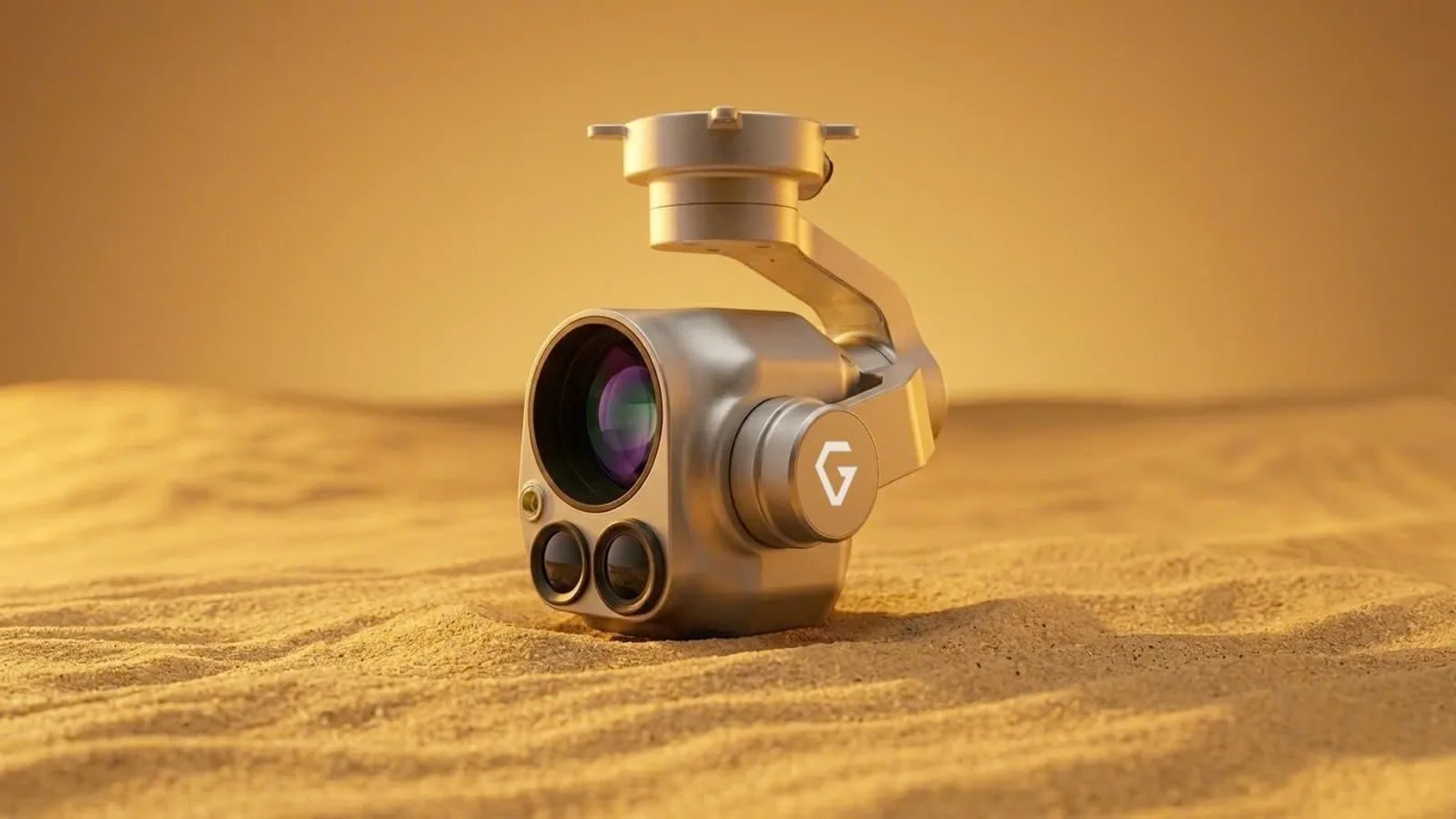
Gremsy opens pre-orders for KESTREL, a dual EO/IR gimbal payload for small UAVs that weighs under 300 grams. The NDAA-compliant unit leaves its early integration phase and becomes available to manufacturers and integrators worldwide.

Gremsy and NINANO sign MoU on EO/IR payload integration
Gremsy has signed a memorandum of understanding with South Korean UAV manufacturer NINANO to explore integrating Gremsy's EO/IR camera payloads into NINANO's unmanned platforms. The agreement sets a framework for technical collaboration…
Gremsy opens Elite Integrators program for KESTREL payload
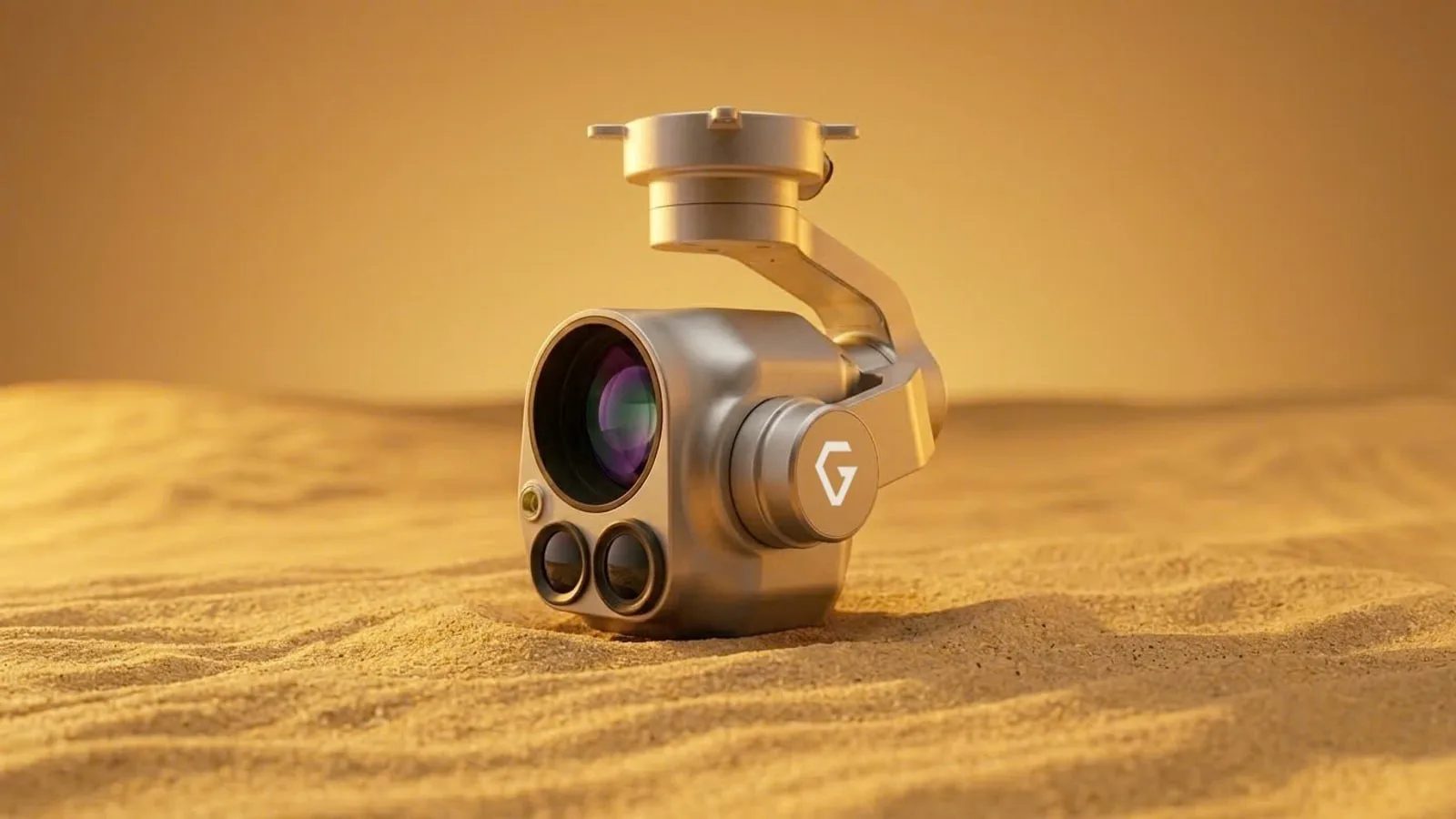
Gremsy launches its Elite Integrators Program, giving a select group of system integrators early access to KESTREL, its ultra-lightweight, ultra-compact payload, before market release. Applications open now, and KESTREL is set for display…
This product listing is maintained by our editorial team and may contain errors. Last updated .