Synthetic-aperture radar (SAR) is a manufacturer of radar systems that transmit pulses while moving to create a synthetic aperture for high-resolution imaging. SAR transmits radar pulses while the platform moves and records the echoes. Because the aircraft passes each ground point from many positions, processing the echoes together behaves like a very long antenna, called the synthetic aperture, so the cross-range resolution does not depend on the physical antenna size or on range in the way a real beam would. The resolution in range depends mainly on the bandwidth of the transmitted pulse, and in cross-range on the Doppler bandwidth of the returns within the beam.
Because the radar supplies its own illumination, it works at night and, at the longer wavelengths, through cloud, smoke and light rain. The image is made from reflected radar energy, so it looks different from a photograph: shadows, bright corner reflectors and speckle are normal.
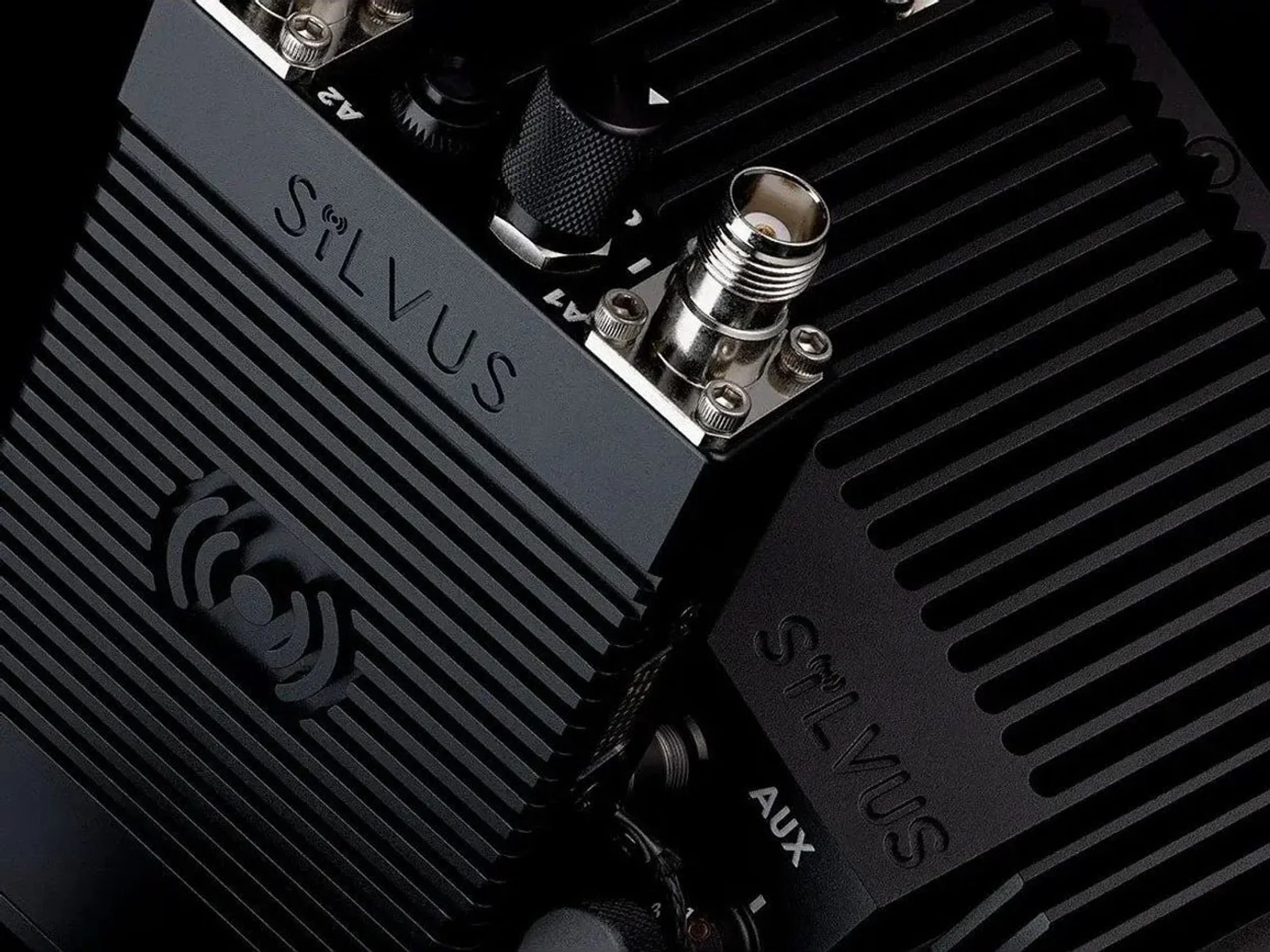
On drones, SAR payloads are fitted to larger aircraft and also to small unmanned systems in bands such as X and Ku, with resolution typically from about 1 m down to a few centimetres depending on bandwidth, and ranges from hundreds of metres to tens of kilometres.
On a datasheet look for the operating band, bandwidth, resolution per mode (stripmap, spotlight), swath width, maximum range, transmit power and payload mass and power consumption.
A frequent mistake is comparing resolution figures without the mode and the range: spotlight resolution is finer than stripmap, and the best figure is generally quoted only at short range.