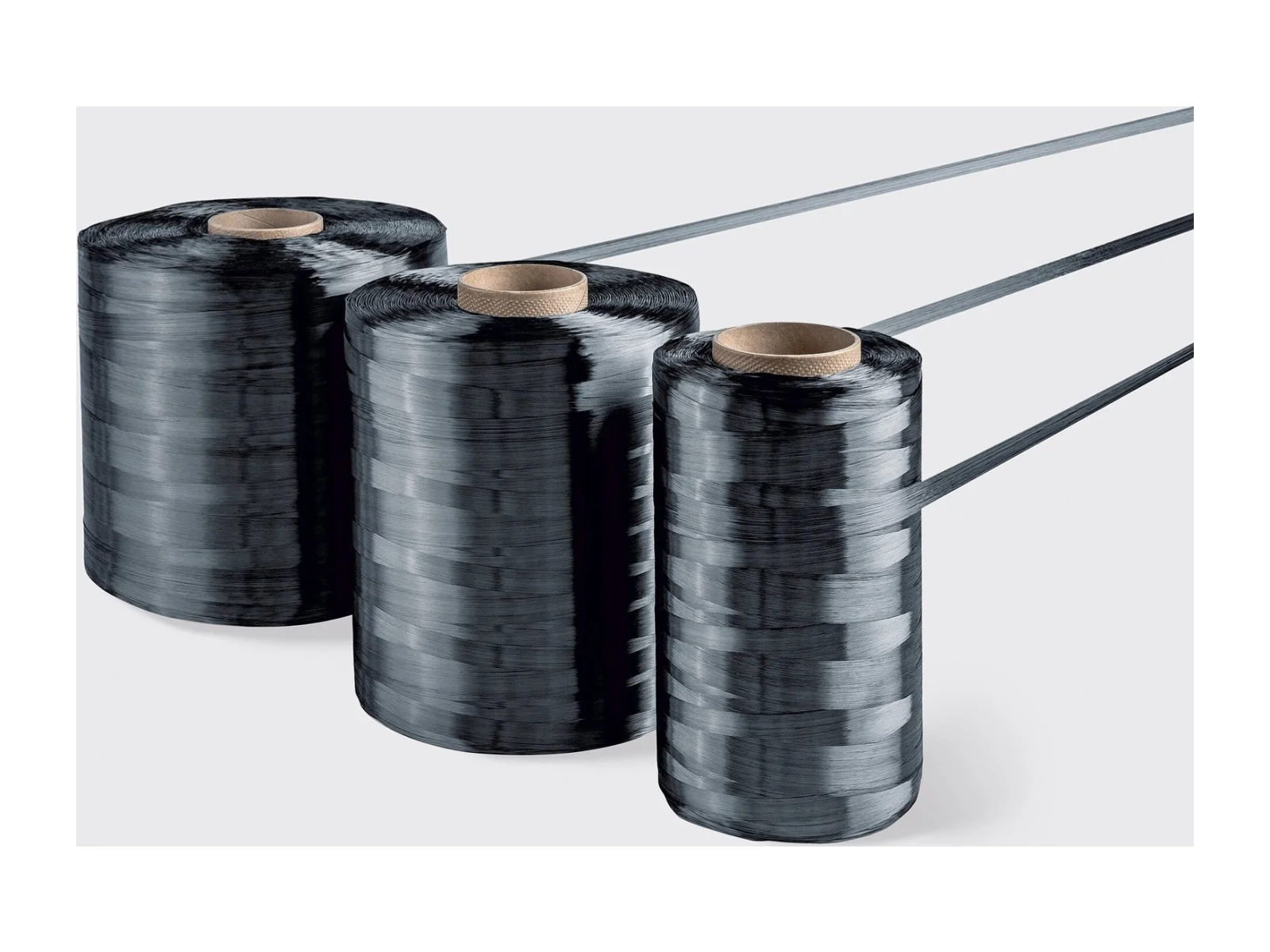
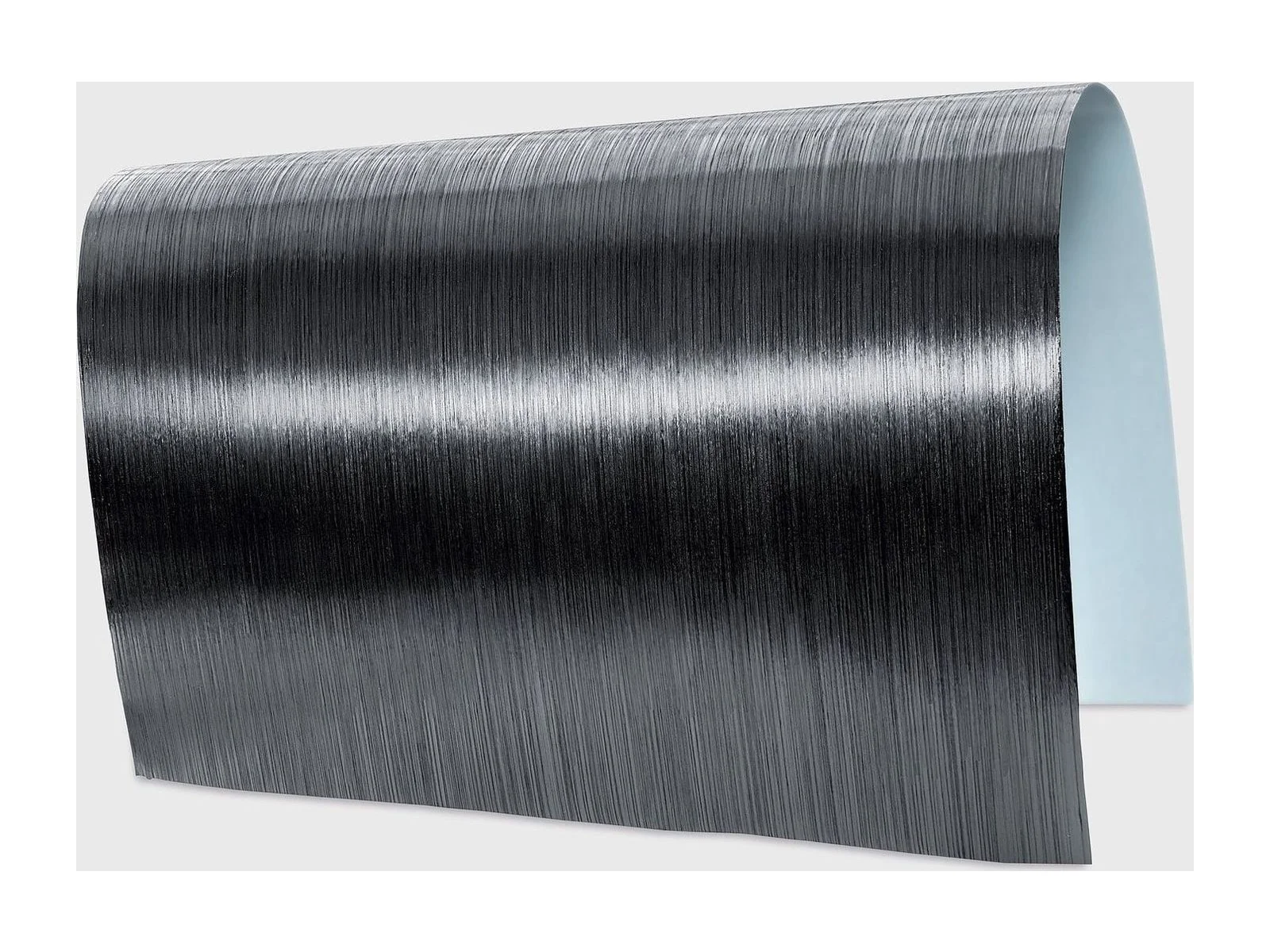
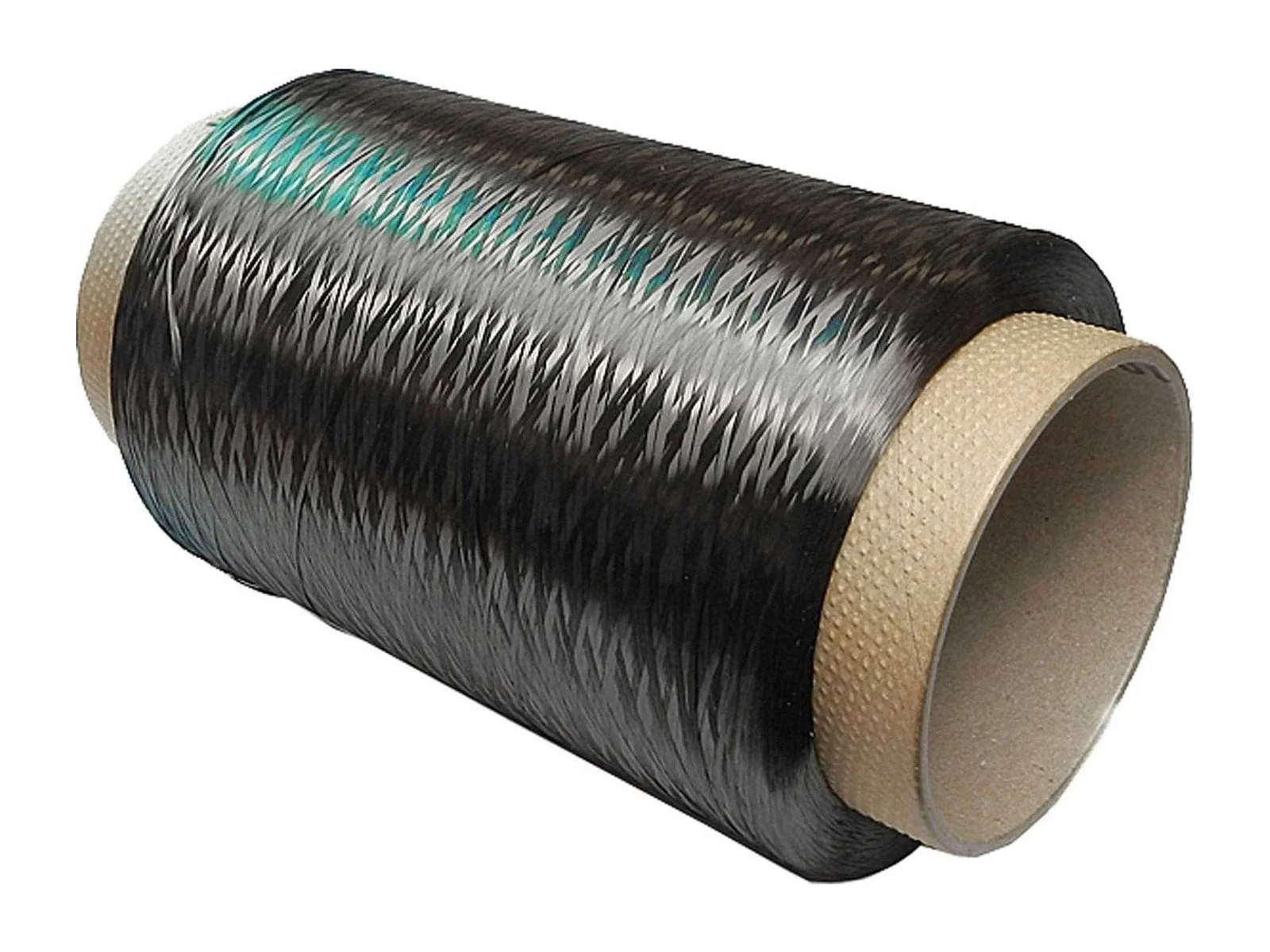
SIGRAFIL continuous carbon-fibre tows provide reinforcement for structural composites, including aerospace applications. PAN-based fibres are supplied in different grades and sizings for textiles, prepregs and finished carbon-fibre-reinforced components.
SIGRAFIL is the family of continuous carbon-fibre tows made by SGL Carbon as a reinforcement for structural composites. The tows are produced from polyacrylonitrile (PAN) precursor in SGL Carbon's own plants in Europe, and they are supplied as multifilament yarn for processing into textiles, prepregs and carbon-fibre-reinforced plastic components. The product is a large-tow carbon fibre material for aerospace, automotive, wind energy, sports equipment and mechanical engineering.
The fibres are about eight times thinner than a human hair, and the single filament diameter is 7.0 micrometres, or 6.6 micrometres for the C T50-4.8/280 grade. The tows are bundled with 50k filaments, and SGL Carbon highlights its experience with 50k fibres along all processing stages. Low density, good spreadability and excellent impregnation behaviour are named among the properties, together with good electrical conductivity.
Four grades are listed in the typical-property table. The C T50-4.0/240 grade has a tensile strength of 4.0 GPa, a tensile modulus of 240 GPa and an elongation at break of 1.70%. The C T50-4.6/260 grade has 4.6 GPa, 260 GPa and 1.70%. The C T50-4.8/280 grade has 4.8 GPa, 280 GPa and 1.65%. The C T50-4.9/235 grade has 4.9 GPa, 235 GPa and 2.0%. For a structural designer, strength and modulus feed laminate calculations, while elongation at break indicates how much strain the fibre tolerates before failure. The grades also differ in yarn fineness, 3420 tex for three of them and 3070 tex for the C T50-4.8/280 grade, in density, 1.80 g/cm3 against 1.78 g/cm3, and in single filament resistivity of 19, 17, 15 and 19 micro-ohm metres.
Different sizings match the fibre to different resin systems. The first grade is listed as compatible with epoxy, polyurethane and phenolic matrices, with further sizings for vinyl ester and unsaturated polyester, for thermoplastics such as polyamide, polycarbonate, PEEK, PEKK, PEI-class and PVC matrices and for cyanate ester, BMI and polyimide, and for polypropylene. The resin choice and the sizing are agreed with the maker for the intended process, for example filament winding, pultrusion, weaving or prepreg production.
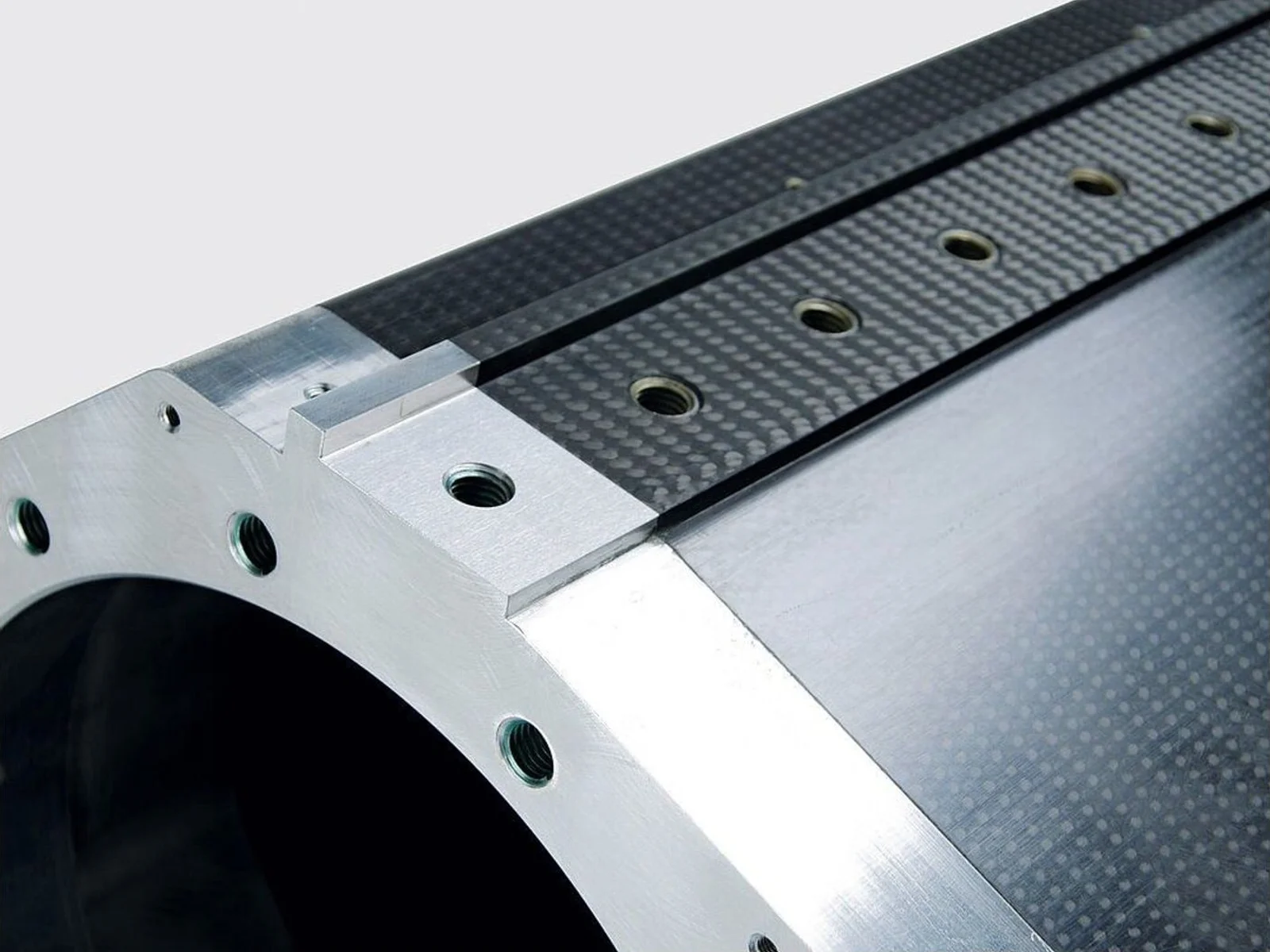
For the drone and eVTOL sector, continuous carbon fibre is used for airframe skins, spars, booms, rotor and propeller blades and landing-gear parts where high stiffness and low mass are the aim. SGL Carbon names high-tech applications that require high strength and stiffness at low weight, and the aerospace market is one of its listed sectors. The fibre is a raw material; the properties of a finished part depend on the sizing, resin, fibre volume fraction and laminate design chosen by the manufacturer of the component.
Specifications
Specifications · SIGRAFIL continuous carbon-fibre reinforcement family
General
Grade
Aerospace-grade
Market
Dual-use
Platform class
Large UAS (25–150 kg), Heavy UAS (>150 kg), eVTOL, Manned aircraft
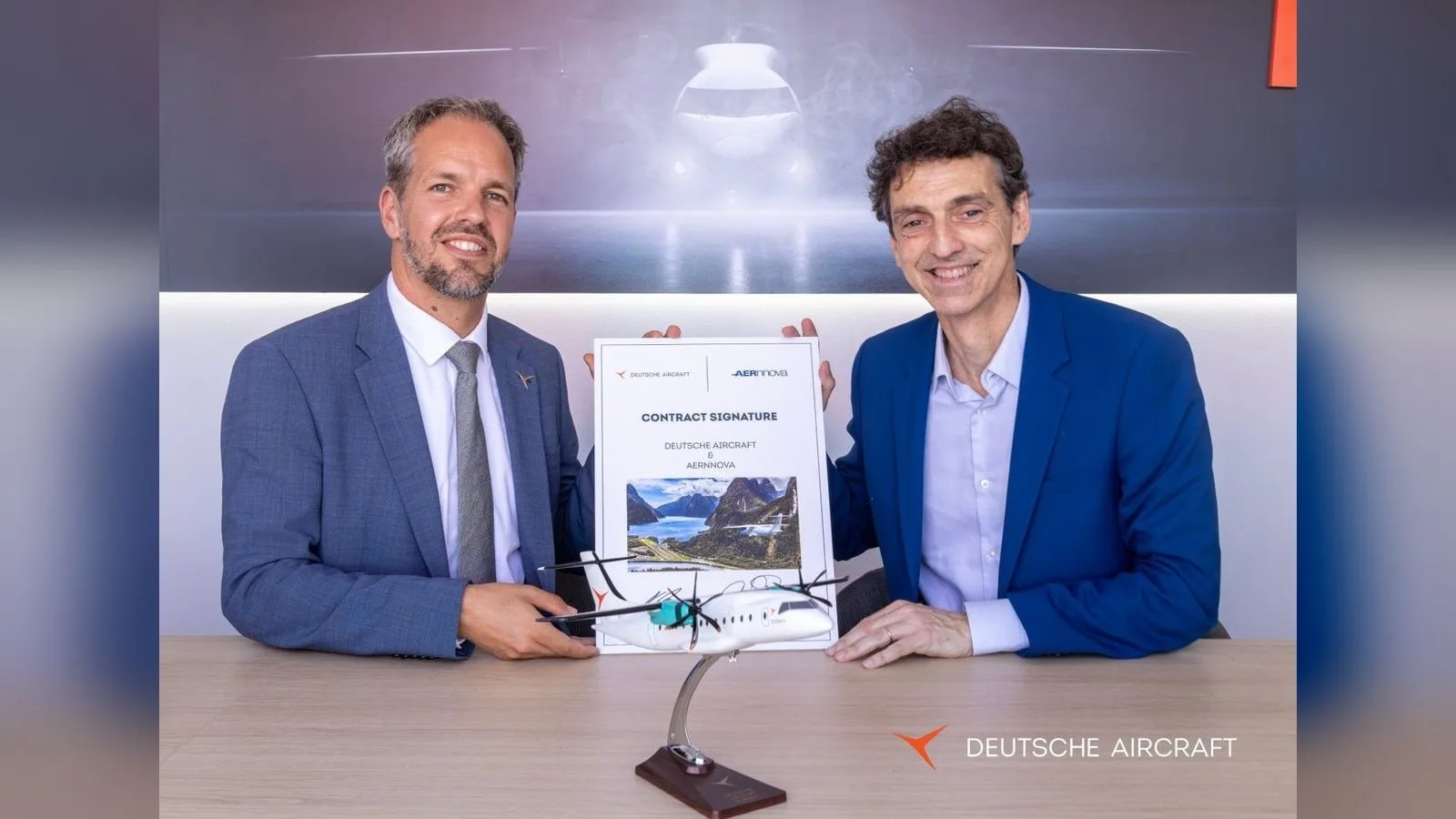
Aernnova signs a deal to take over GE Aviation's Hamble site in the UK, its first operating base in Britain. The deal brings about 700 employees, the A350 XWB wing fixed trailing-edge program and roughly $200 million in additional yearly…
Hitec Commercial Solutions releases the DPC-20, a USB-C programmer that configures and tests its digital servo actuators over PWM, TTL, RS-485, CAN and DroneCAN. It replaces three earlier programmers, the DPC-11, DPC-485 and DPC-CAN, so…
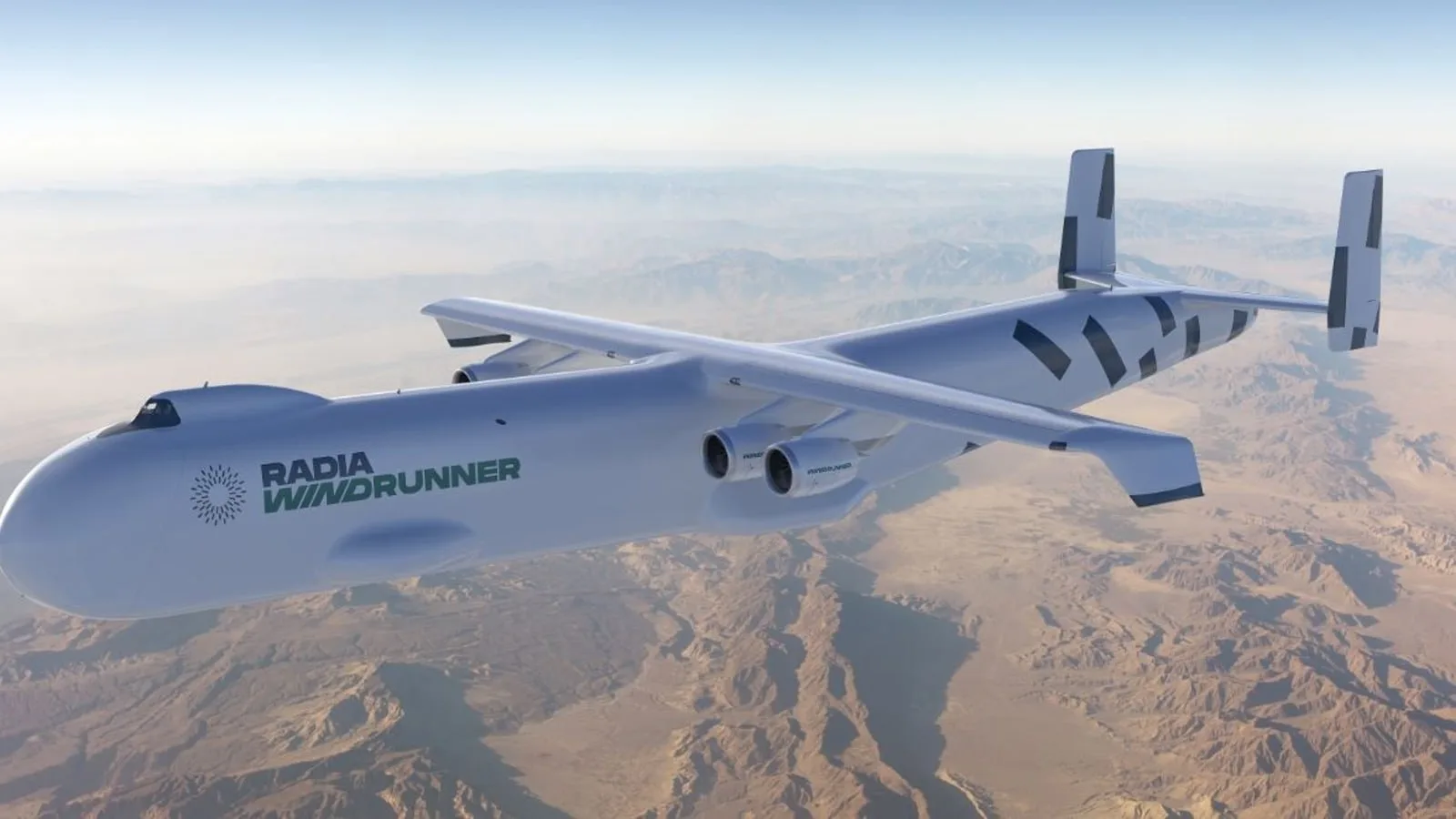
Aernnova partners with Radia on the wing and engine pylons of WindRunner, the cargo aircraft Radia is developing to carry wind turbine blades. Leonardo and AFuzion join the same ecosystem for fuselage engineering and for safety and…










 FeaturedAerostructures
 FeaturedComposite materials
 FeaturedComposite materials
 FeaturedComposite materials