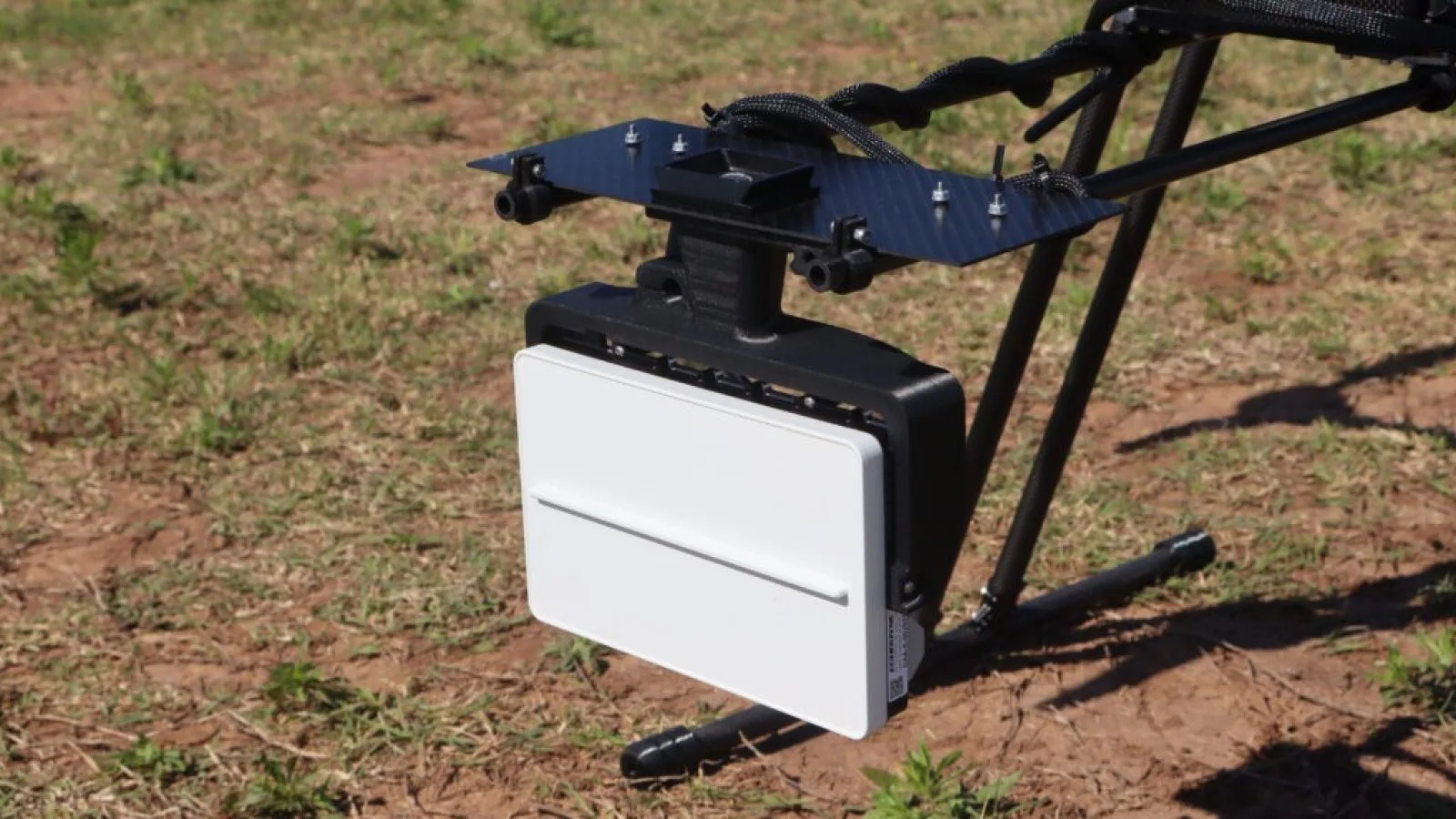
The flights are part of a $1M development project with OAIRE at Oklahoma State University, backed by state funding from OCAST. On the civilian unit, one compact single-board computer handles traffic detection, tracking and correlation, plus avoidance maths that follows industry standards, so even very small aircraft can carry it. The heavier variant adds radar to catch aircraft without transponders.
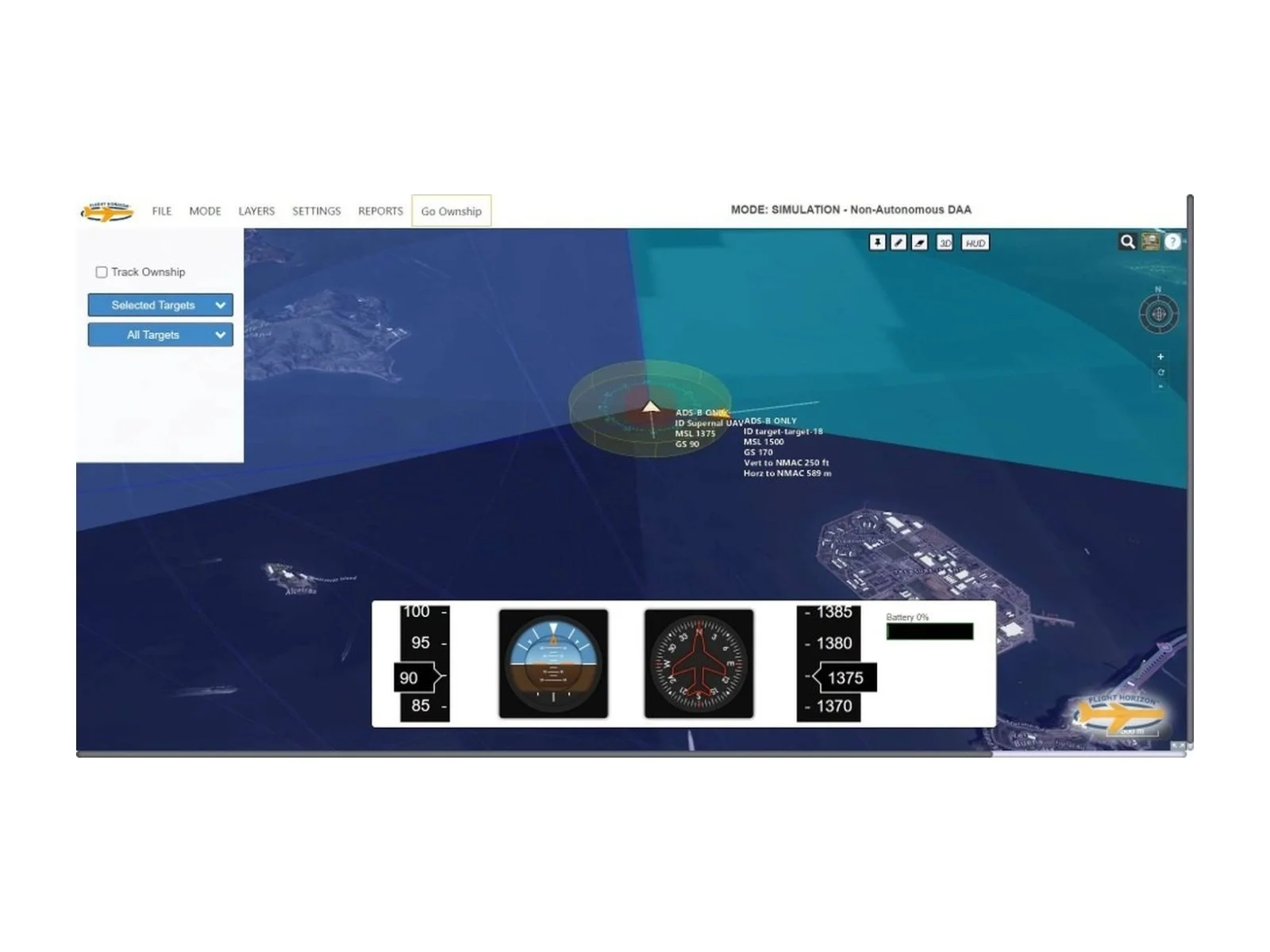
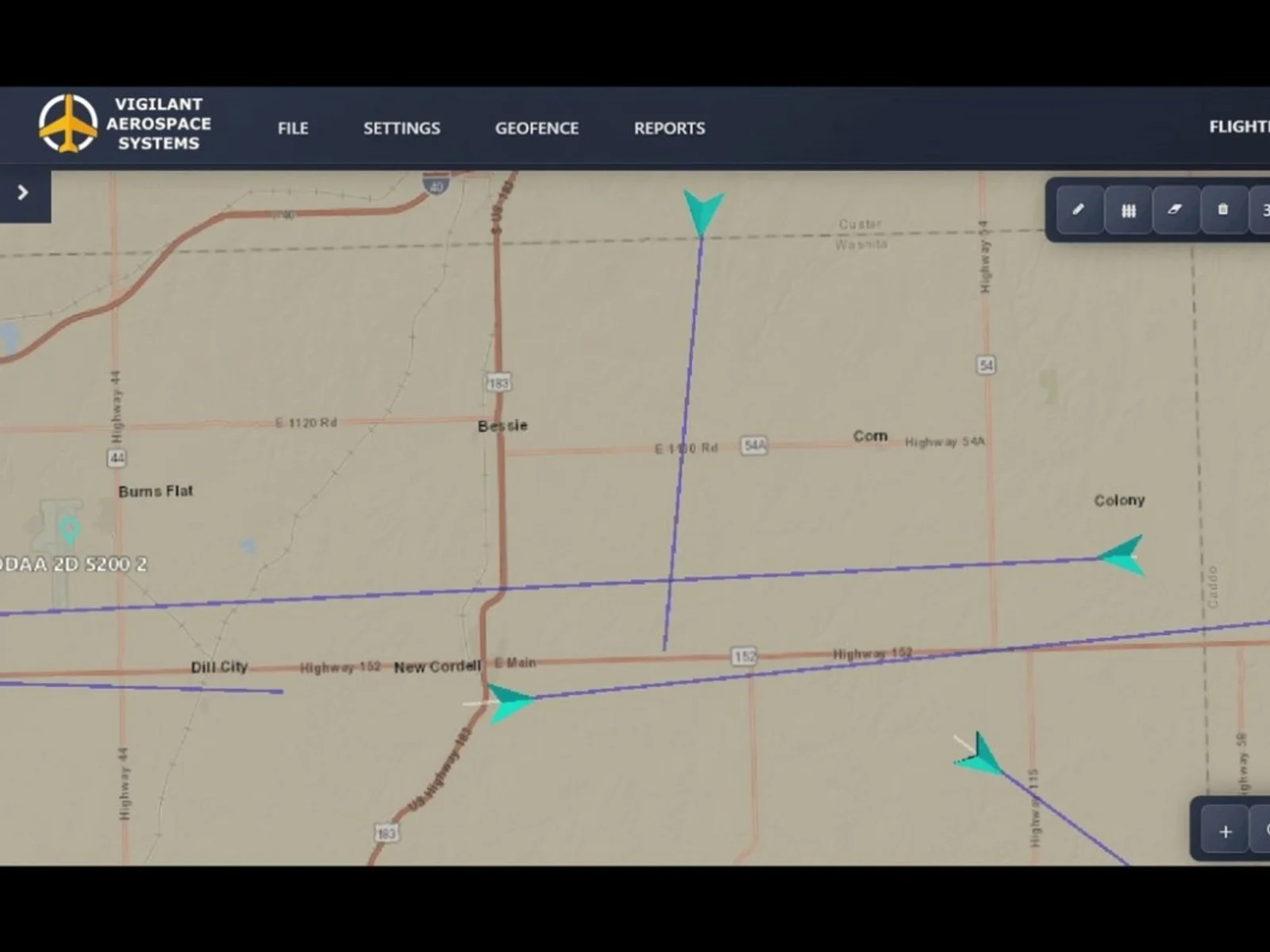
Both configurations have flown. Engineers have tuned and filtered the radar, tried a growing set of certified and uncertified computers, and run the software on multirotor and fixed-wing drones. The system computes trajectories and sends alerts and avoidance commands to the autopilot, with a second feed to a moving-map ground display for supervising pilots. Avoidance logic uses the FAA-supplied ACAS-X algorithms.
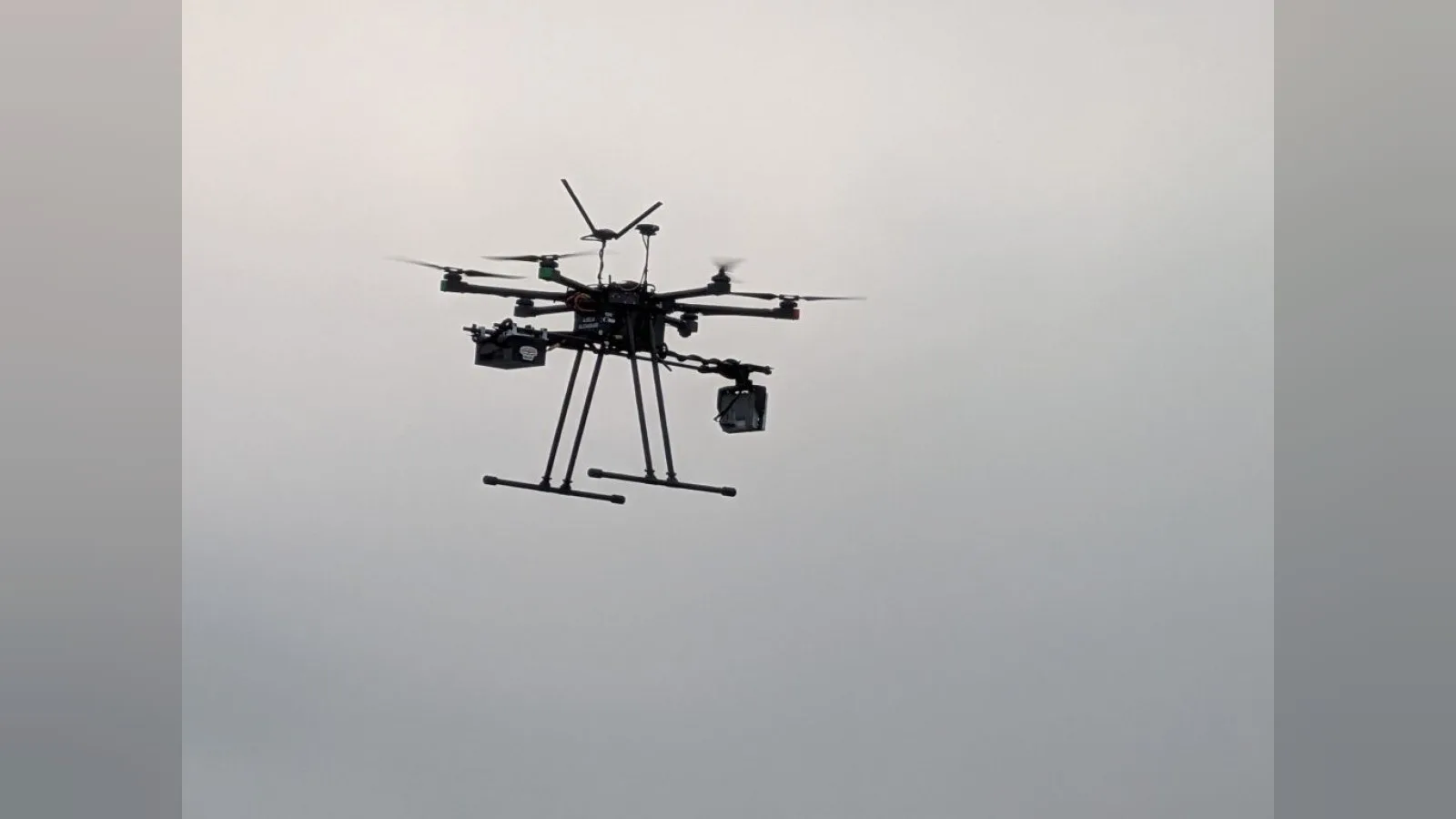
The latest flights used an NDAA-compliant Group I hexacopter, mostly at OSU’s Uncrewed Aircraft Flight Station. Testing next moves to a much larger civilian Group II fixed-wing aircraft that, the company says, carries more than 60 pounds of payload for up to 300 miles on a gasoline engine. CEO Kraettli Epperson says the aim is to stay in front of the requirements now taking shape for drone integration into national airspace.






Why it matters
Under current FAA rules, small UAS stay within the pilot’s visual line of sight unless a waiver applies, and larger aircraft need exemptions. Under the FAA’s draft rules, aircraft weighing as much as 1,320 pounds could operate at low level as a matter of routine without the pilot seeing them, and Vigilant expects some detect-and-avoid requirement to follow. Vigilant presents the product as a way toward meeting Part 108.
The product has a long test record. The first tests, funded by an FAA research contract with Alaska’s ACUASI, covered miles of the Trans-Alaska Pipeline route under a BVLOS waiver. A later SBIR Phase II effort for the Air Force Research Laboratory matured a version for a Group V military UAS. Two NASA patents, held under licence, underpin the system; the Oklahoma award now pays for the civilian line.
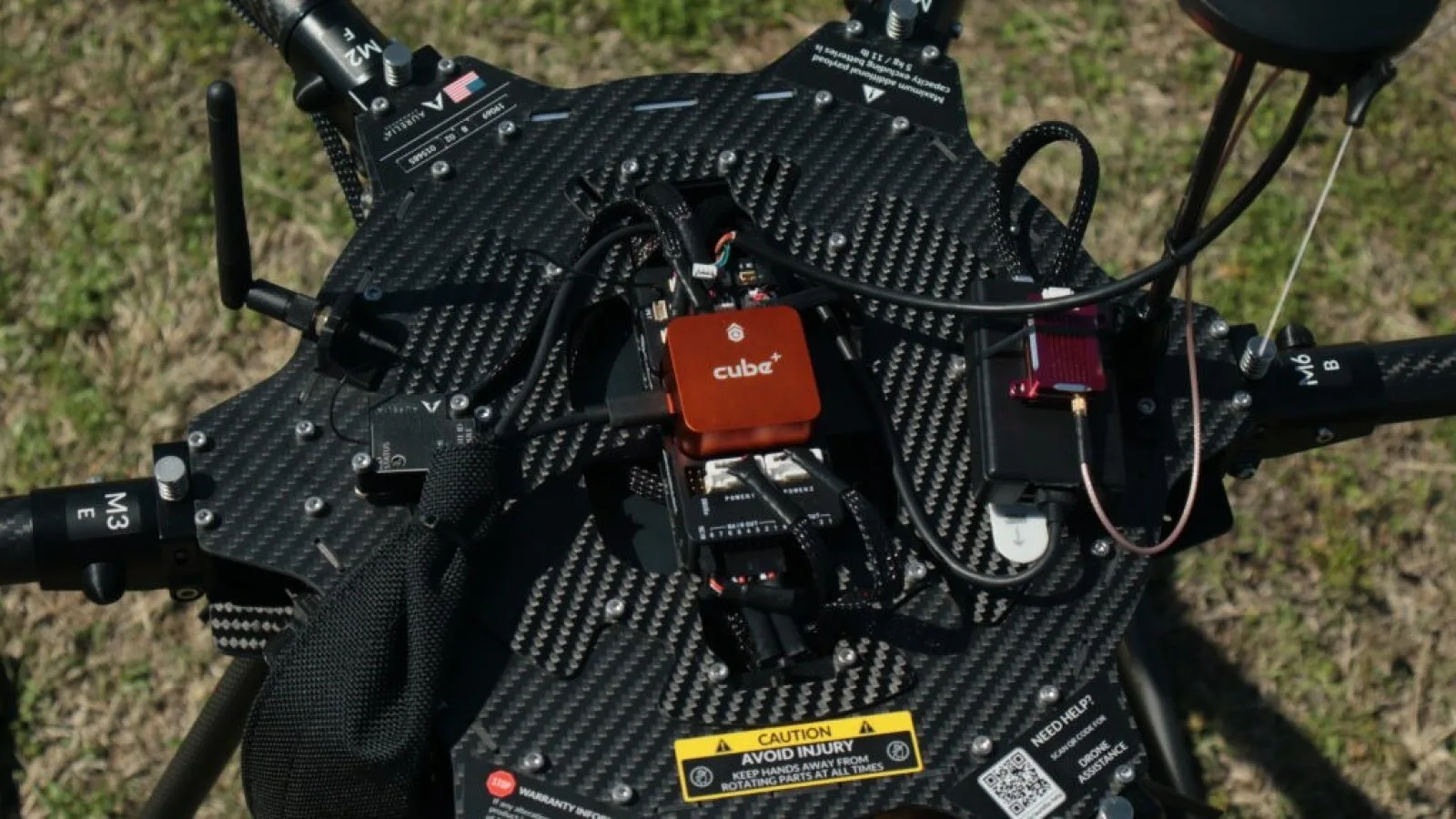
Source: Vigilant Aerospace newsroom
Was this article useful?
Thanks for your feedback. You can change your answer at any time.
Latest news
Latest news
Companies in this article
 Avionics · 3
Products in this article
 FeaturedCollision avoidance
FlightHorizon PILOT traffic-detection or avoidance system
- Sensor type
- Fusion
- Grade
- Professional
- Market
- Dual-use
 FeaturedCollision avoidance
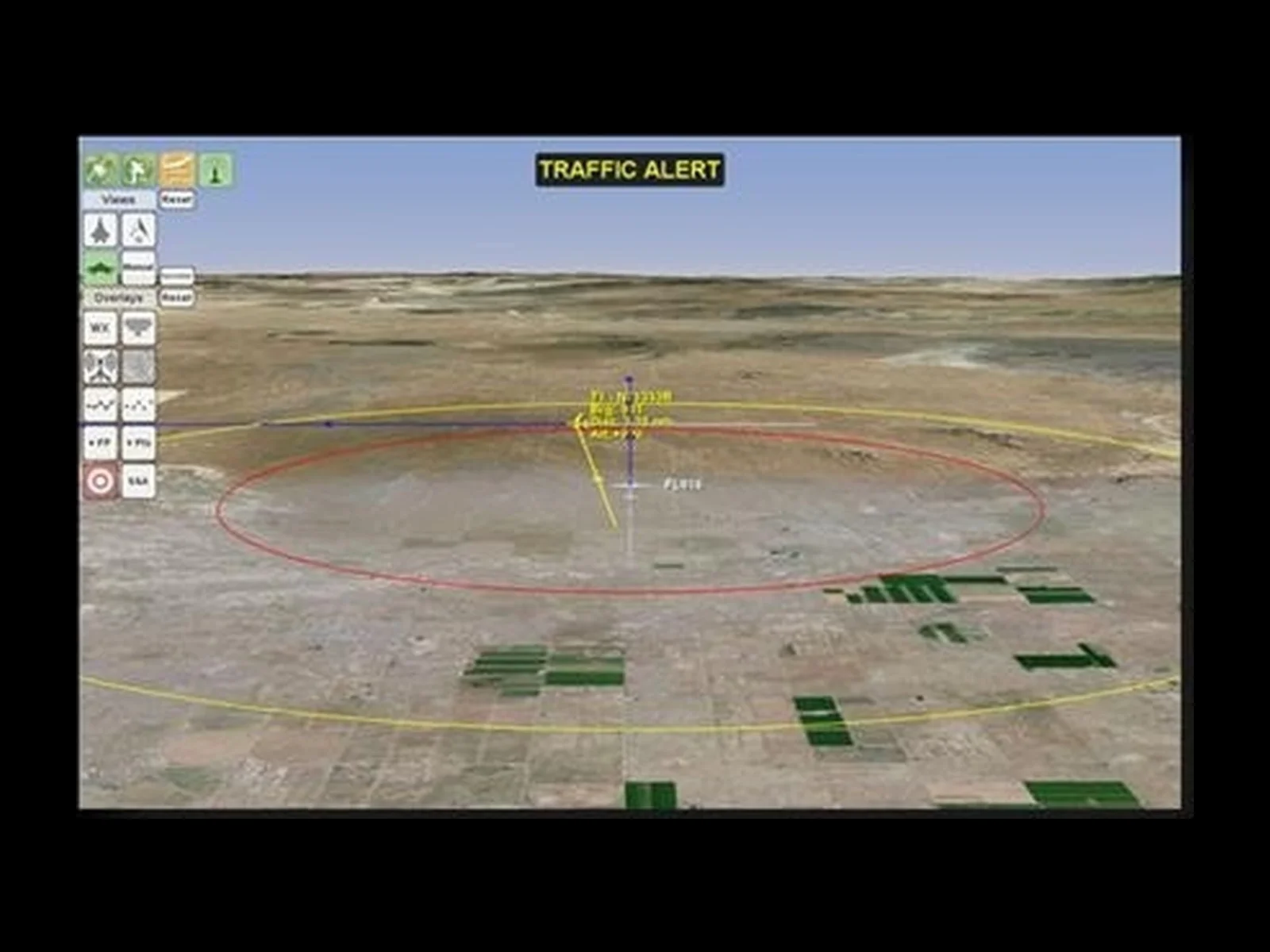
FlightHorizon COMMANDER traffic-detection or avoidance system
- Grade
- Professional
- Market
- Dual-use
- Availability
- In production
 FeaturedCollision avoidance
FlightHorizon TEMPO traffic-detection or avoidance system
- Sensor type
- Fusion
- Grade
- Professional
- Market
- Dual-use
Related articles

Honeywell tests alternative navigation for GNSS-denied flight
Honeywell Aerospace presents results from demonstrations of celestial-, vision- and magnetic-aided navigation that support inertial systems when GNSS signals are lost. Its star-tracker based system matches GNSS-INS performance under…
Honeywell HGuide o480 INS/GNSS navigator with AIM+ anti-jamming
Honeywell Aerospace offers the HGuide o480, a 26-gram INS/GNSS navigator for attritable military platforms and industrial uses. The unit pairs an IMU and a GNSS receiver with AIM+ anti-jamming, and it is available globally without export…
Inertial Labs INS-NV pairs INS with Jetson for Alt-PNT
The INS-NV is a new programmable platform from Inertial Labs, which belongs to VIAVI, and it pairs an NVIDIA Jetson Orin NX module with an inertial navigation system and an AHRS. Developers of alternative PNT and visual navigation systems…

Auterion and Project Q link AuterionOS to HYDRIS
Auterion and Project Q have connected Auterion Mission Control with the HYDRIS integration layer, the first milestone of an agreement signed in August 2026. The connector passes tracks, drone positions and tasking commands in both…