Technical context
Auterion and Project Q have connected two software layers that sit above the flight hardware of unmanned aircraft: Auterion’s mission environment and Project Q’s integration platform. The work is the first milestone of a partnership that both companies formalised in a Memorandum of Understanding in August 2026.
On the Auterion side, the connection involves AuterionOS, the operating system for autonomous unmanned systems, and Auterion Mission Control (AMC), the application used to plan and supervise missions. On the Project Q side, it involves HYDRIS, an orchestration layer that gathers data from sensors, unmanned systems and command-and-control systems into one operational environment. HYDRIS is released as open-source code under the Apache 2.0 licence, while AuterionOS grew out of the community PX4 autopilot project.
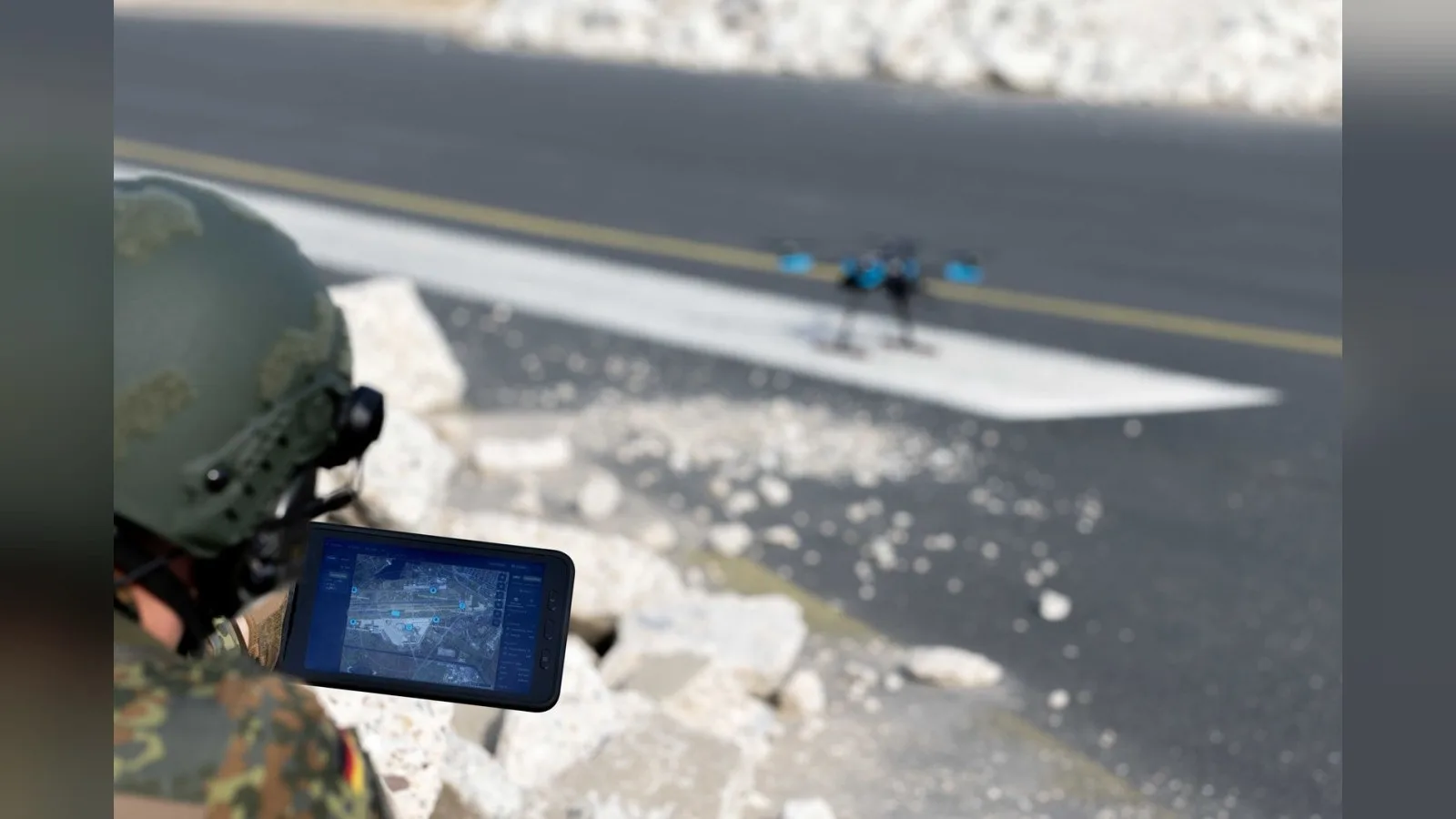
The companies built a dedicated connector between AMC and HYDRIS. Data moves in both directions. Track data produced elsewhere in the HYDRIS environment reaches Auterion’s mission environment, while operational information from unmanned systems running Auterion software returns to HYDRIS. According to the announcement, the connector carries detections from sensors, the positions of drones and tasking commands.




The announcement states that neither company had to redesign its own system to make this possible. The connector is the only new element, which keeps each product’s internal architecture as it was.
Why it matters
For integrators and airframe manufacturers, the relevant point is where the interface sits. A mission computer running AuterionOS is no longer limited to the operator’s own ground station for its situational picture. It can exchange tracks and tasking with a wider set of connected assets through a published, vendor-neutral layer. This reduces the amount of custom interface work needed when a platform has to join a mission network that already contains equipment from other suppliers.
The choice of open foundations is also deliberate. Both companies say their commercial offerings rest on open code and keep interoperability, modularity and customer control intact. In practice, an operator can mix capabilities from different vendors instead of adopting a single vertically integrated stack. Auterion’s chief executive described the model as providing the open operating system while partners add the layers that armed forces need, and he called this connection a first step.
There are limits to what the announcement establishes. It describes a completed connector and the types of data exchanged, but it does not give message rates, latency figures, supported interface standards or the list of unmanned systems and sensors already verified in the integration. It also does not set a date for a commercial release or for further integrations. Teams that want to use the connector will need to ask both companies for those details.
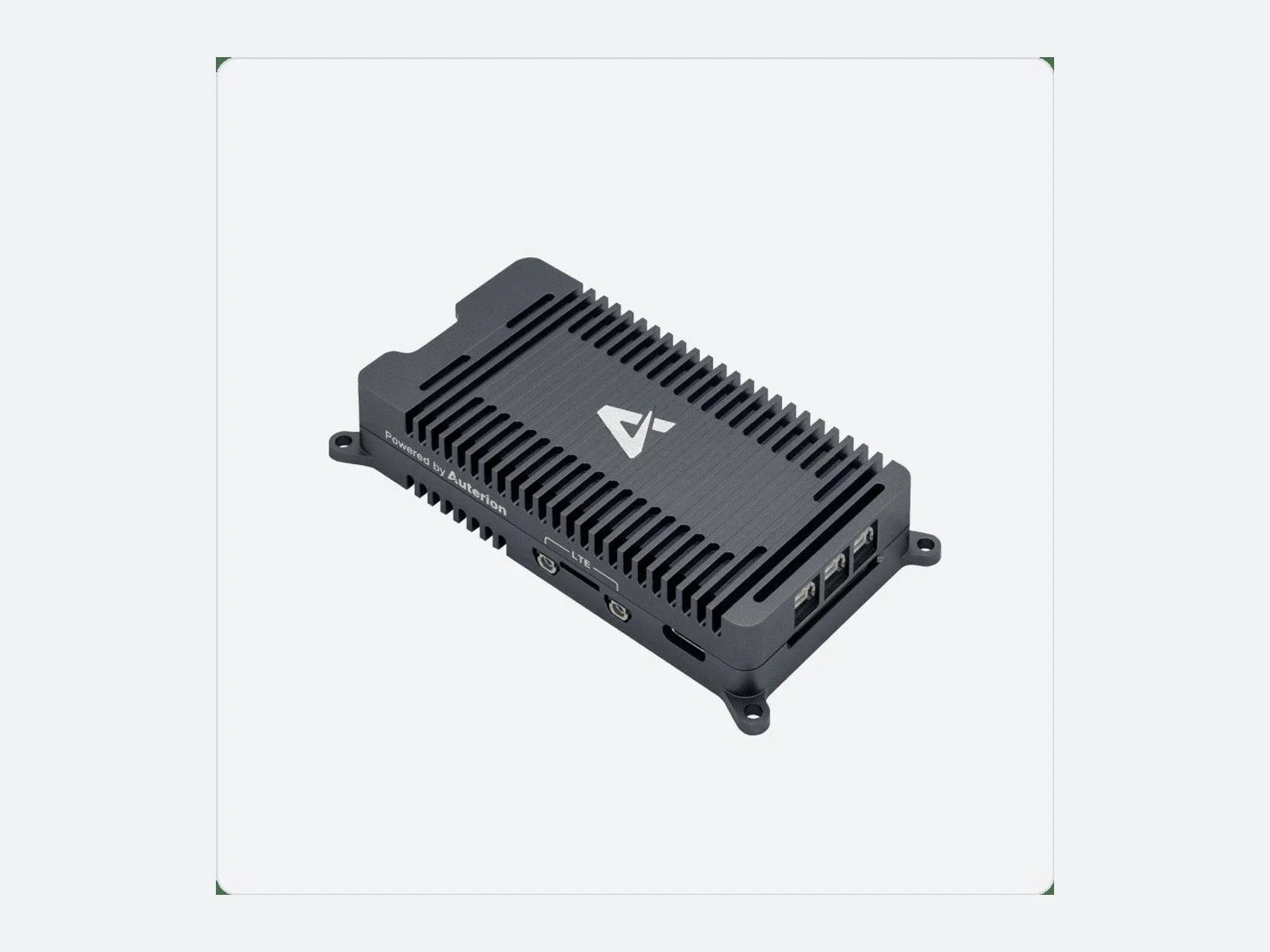
For the component supply chain, the news is a reminder that the software layer is now part of how hardware is selected. Embedded mission computers, such as the Skynode family that runs AuterionOS, are chosen not only for processing capability and interfaces but also for the ecosystem of mission software they can join. A documented path between a mission computer’s software and a third-party integration platform can shorten qualification work for new platforms and make it easier to replace a component later.
Auterion operates from Arlington, Virginia, and Munich, Germany, while Project Q works from Munich and Berlin. Both position their offerings for defence customers and for security agencies, so the first uses of this connector will probably appear in those programmes. Readers who follow mission computers and software for large uncrewed aircraft should watch for the next integration milestones that the two companies announce under their agreement.
Source: Auterion press release
Was this article useful?
Thanks for your feedback. You can change your answer at any time.
Latest news
Latest news
- Aernnova to acquire GE Aviation's Hamble aerostructures unit
- Hitec DPC-20 programmer configures PWM, CAN, DroneCAN actuators
- DAIRCM missile-warning system enters production at Leonardo DRS
- Aernnova joins Radia WindRunner wing and pylon design effort
- Ultra Motion B1 compact linear actuator for UAS control surfaces
Companies in this article
 Avionics · 3
Products in this article
 Featured
 Featured
 Featured
Related articles

Honeywell tests alternative navigation for GNSS-denied flight
Honeywell Aerospace presents results from demonstrations of celestial-, vision- and magnetic-aided navigation that support inertial systems when GNSS signals are lost. Its star-tracker based system matches GNSS-INS performance under…
Honeywell HGuide o480 INS/GNSS navigator with AIM+ anti-jamming
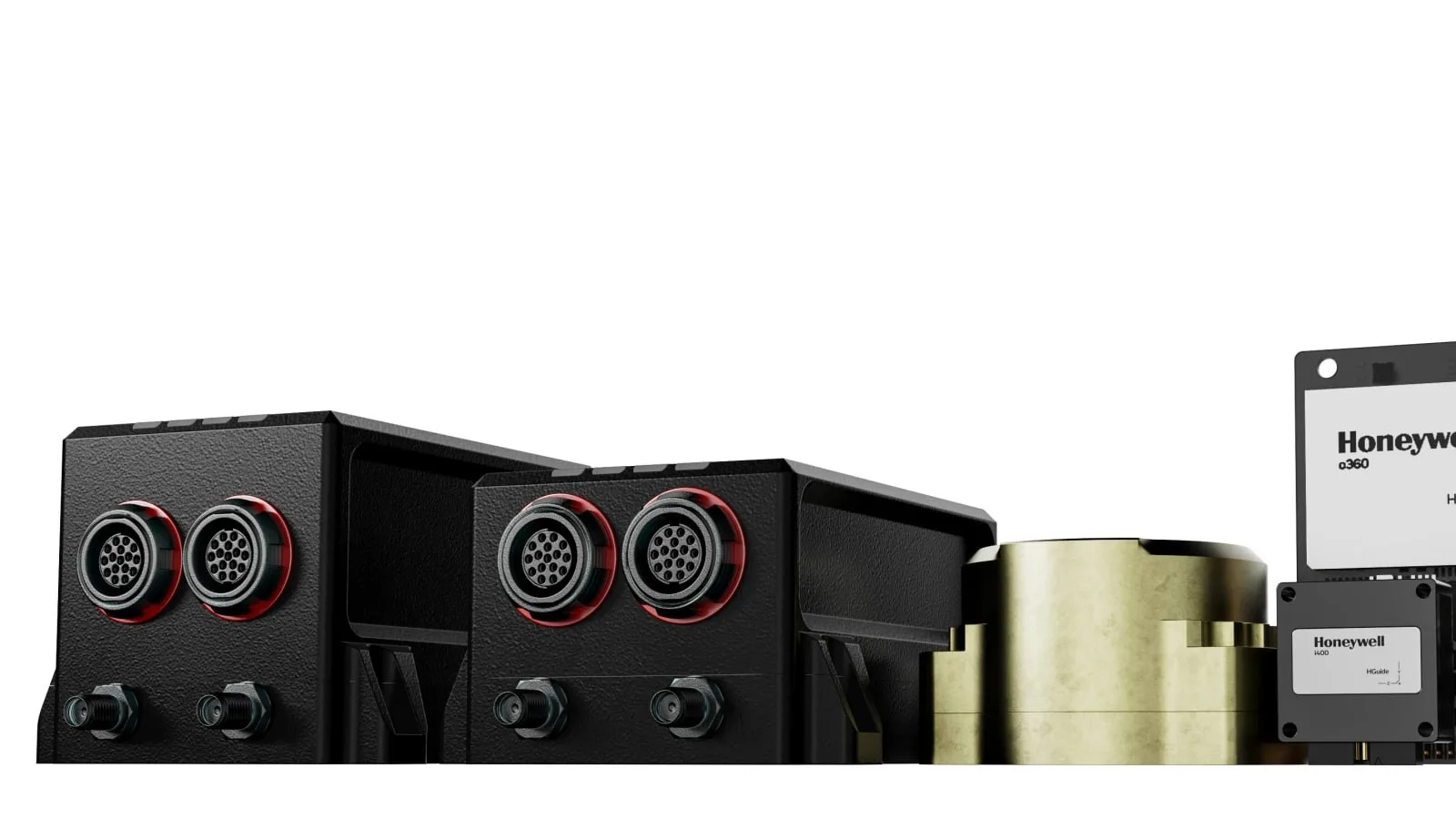
Honeywell Aerospace offers the HGuide o480, a 26-gram INS/GNSS navigator for attritable military platforms and industrial uses. The unit pairs an IMU and a GNSS receiver with AIM+ anti-jamming, and it is available globally without export…
Inertial Labs INS-NV pairs INS with Jetson for Alt-PNT
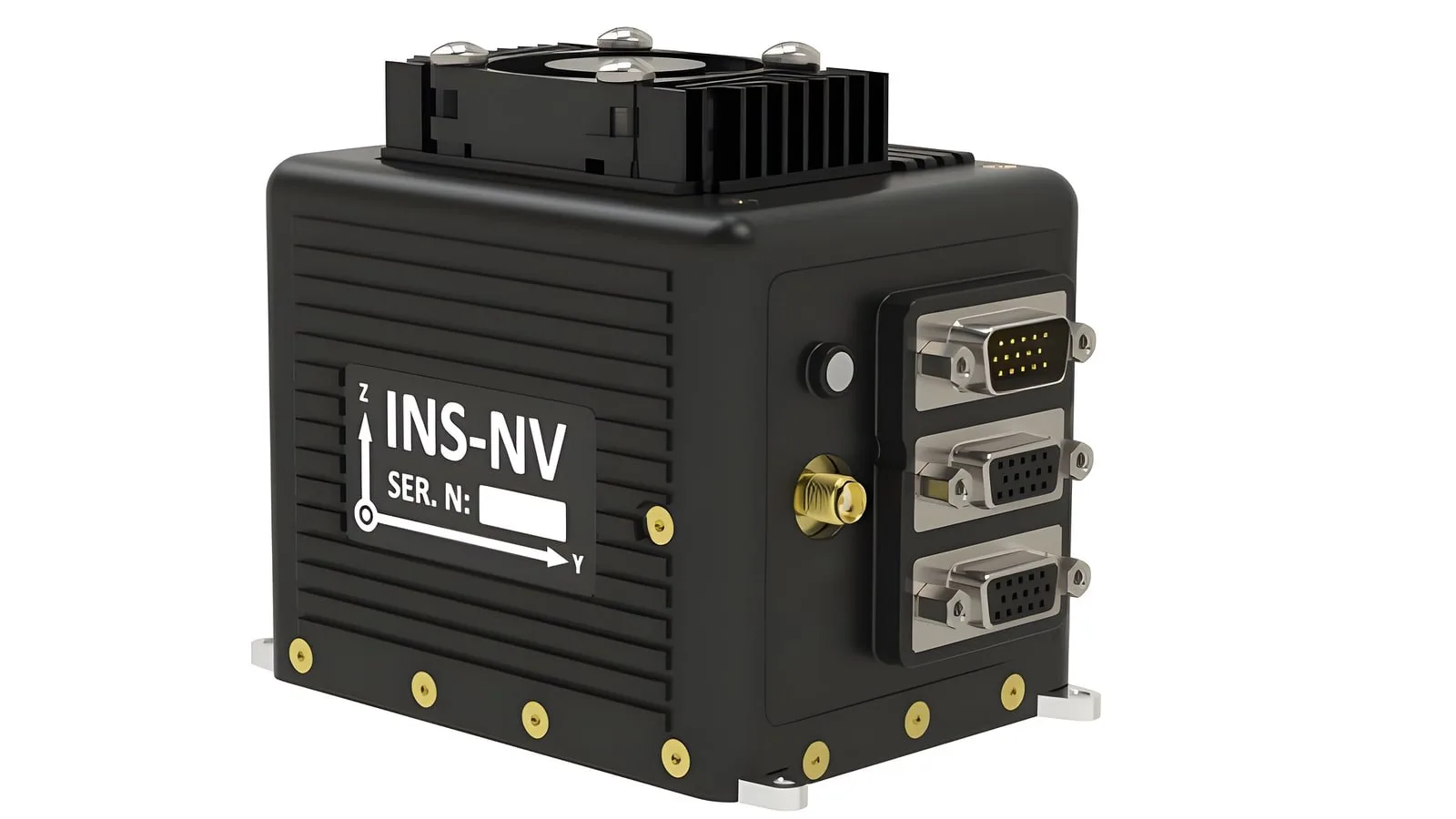
The INS-NV is a new programmable platform from Inertial Labs, which belongs to VIAVI, and it pairs an NVIDIA Jetson Orin NX module with an inertial navigation system and an AHRS. Developers of alternative PNT and visual navigation systems…
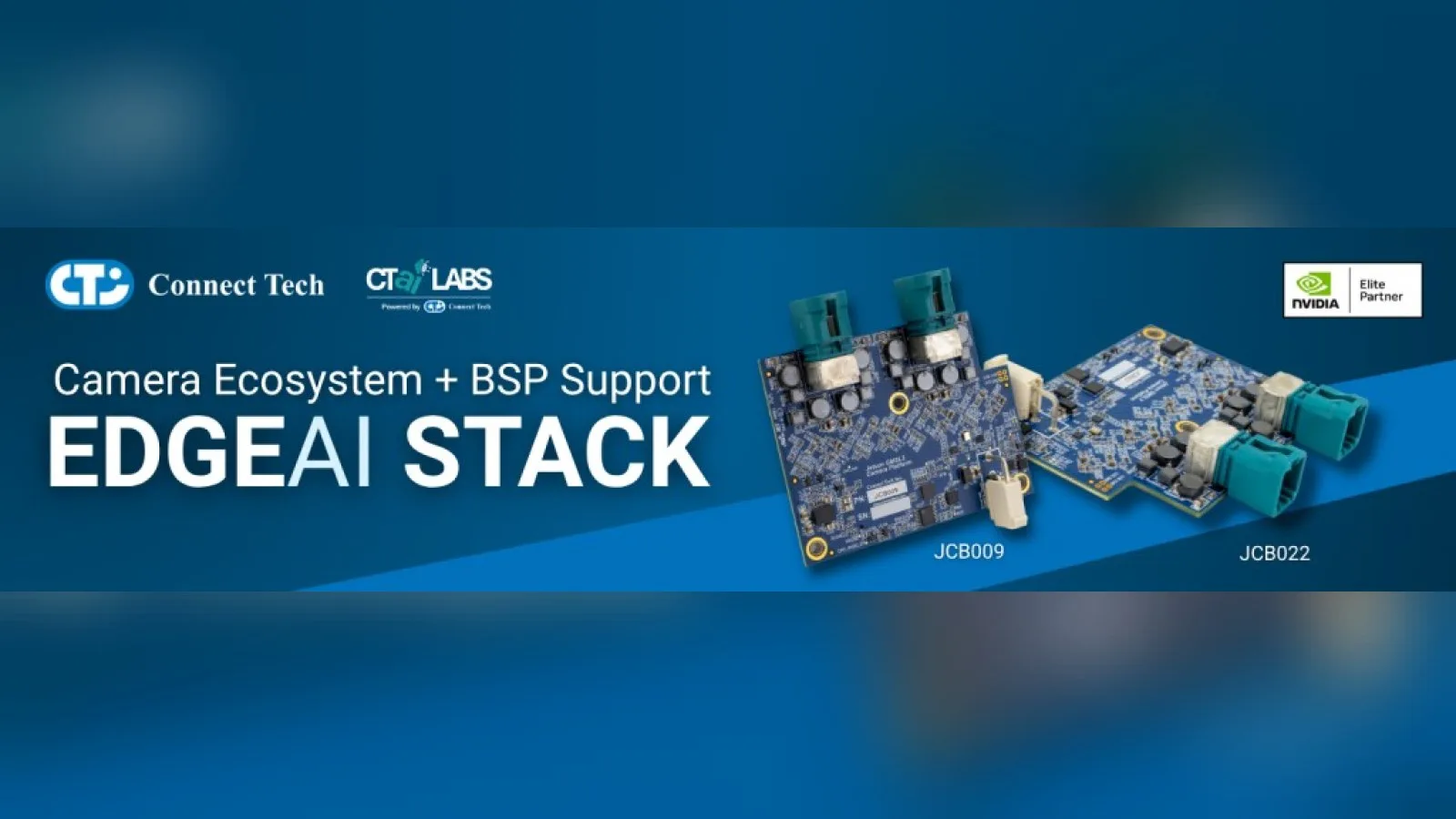
Connect Tech widens EdgeAI camera and BSP support
Connect Tech adds four camera platforms and JetPack 7.2 board support packages to its EdgeAI Stack. The Guelph company also lengthens its limited warranty to two years on eligible products.