
The package gives the e200X six Hensoldt systems, which ePlane describes as the aircraft’s “digital nervous system”. The EuroNav 7 NG digital moving map takes care of navigation and mission handling, while CaviSight, a visual landing aid, gives the crew an augmented camera view when taking off or landing. The RF1 Smart Antenna gives the crew cooperative traffic detection, with alerts about other aircraft. CaviConnect is the secure link to the ground station, used to manage the fleet and monitor aircraft health.
Onboard computing comes from the EB1 Multipurpose Airborne Computer, which hosts the aircraft’s critical applications and leaves room for autonomy in later versions. The SferiRec LCR 100, a lightweight flight data recorder, completes the set and records critical flight data for certification and fleet analysis.
ePlane has finished assembling its full-scale prototype, bringing the major subsystems of the e200X together in one structure for the first time. The programme thus moves from design to testing. A long ground-test campaign comes first, followed by flight trials and type certification by India’s civil aviation regulator, the Directorate General of Civil Aviation (DGCA).







Why it matters
The two companies announced their partnership in March 2026, as the e200X progressed from small-scale prototypes towards a full-size production aircraft. The avionics architecture has since been frozen, and the configuration is part of the DGCA certification programme. A firm order turns that joint engineering work into a supply commitment for a certifiable aircraft.
ePlane was incubated at IIT Madras and builds the e200X as a compact electric air taxi. Its first commercial use is air ambulance work, with the aim of shortening emergency medical journeys nationwide. Dense urban airspace and confined landing sites such as rooftop helipads explain the weight placed on traffic awareness and a visual landing aid.
For Hensoldt, the contract adds an Indian eVTOL programme to its civil avionics business. Michael Groeninger, who runs Hensoldt Avionics GmbH, says urban air mobility brings new operational challenges and that its systems are meant to provide the awareness and dependability these missions call for. The financial terms of the order are not disclosed.
Source: Hensoldt newsroom
Was this article useful?
Thanks for your feedback. You can change your answer at any time.
Latest news
Latest news
Companies in this article
 Payload · 1
Products in this article
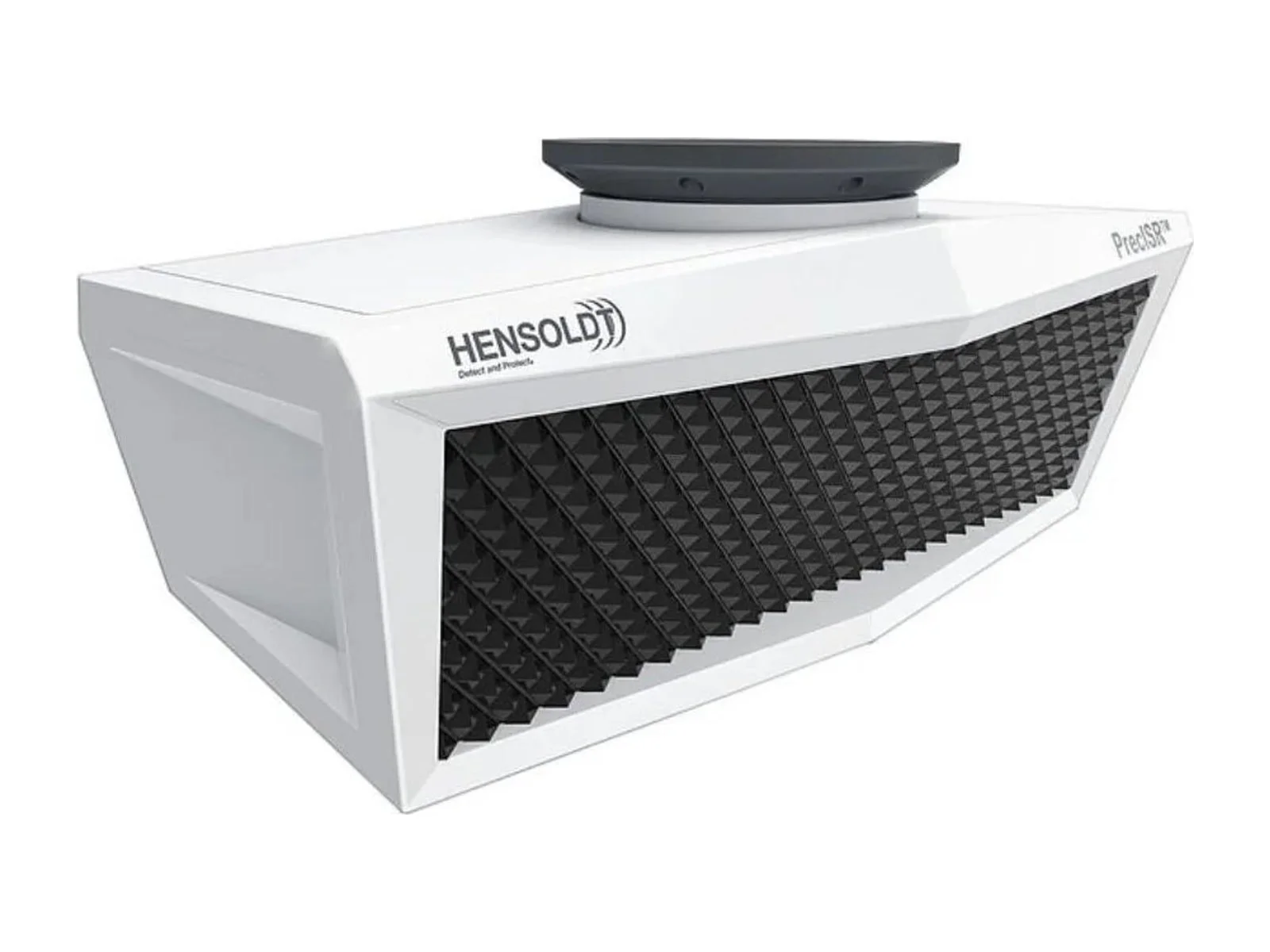 Featured
 FeaturedMission computers
A178 Thunder embedded mission computer
- AI performance
- 32 TOPS
- RAM
- 32 GB
- Grade
- Professional
Related articles

Honeywell tests alternative navigation for GNSS-denied flight
Honeywell Aerospace presents results from demonstrations of celestial-, vision- and magnetic-aided navigation that support inertial systems when GNSS signals are lost. Its star-tracker based system matches GNSS-INS performance under…

Honeywell HGuide o480 INS/GNSS navigator with AIM+ anti-jamming
Honeywell Aerospace offers the HGuide o480, a 26-gram INS/GNSS navigator for attritable military platforms and industrial uses. The unit pairs an IMU and a GNSS receiver with AIM+ anti-jamming, and it is available globally without export…
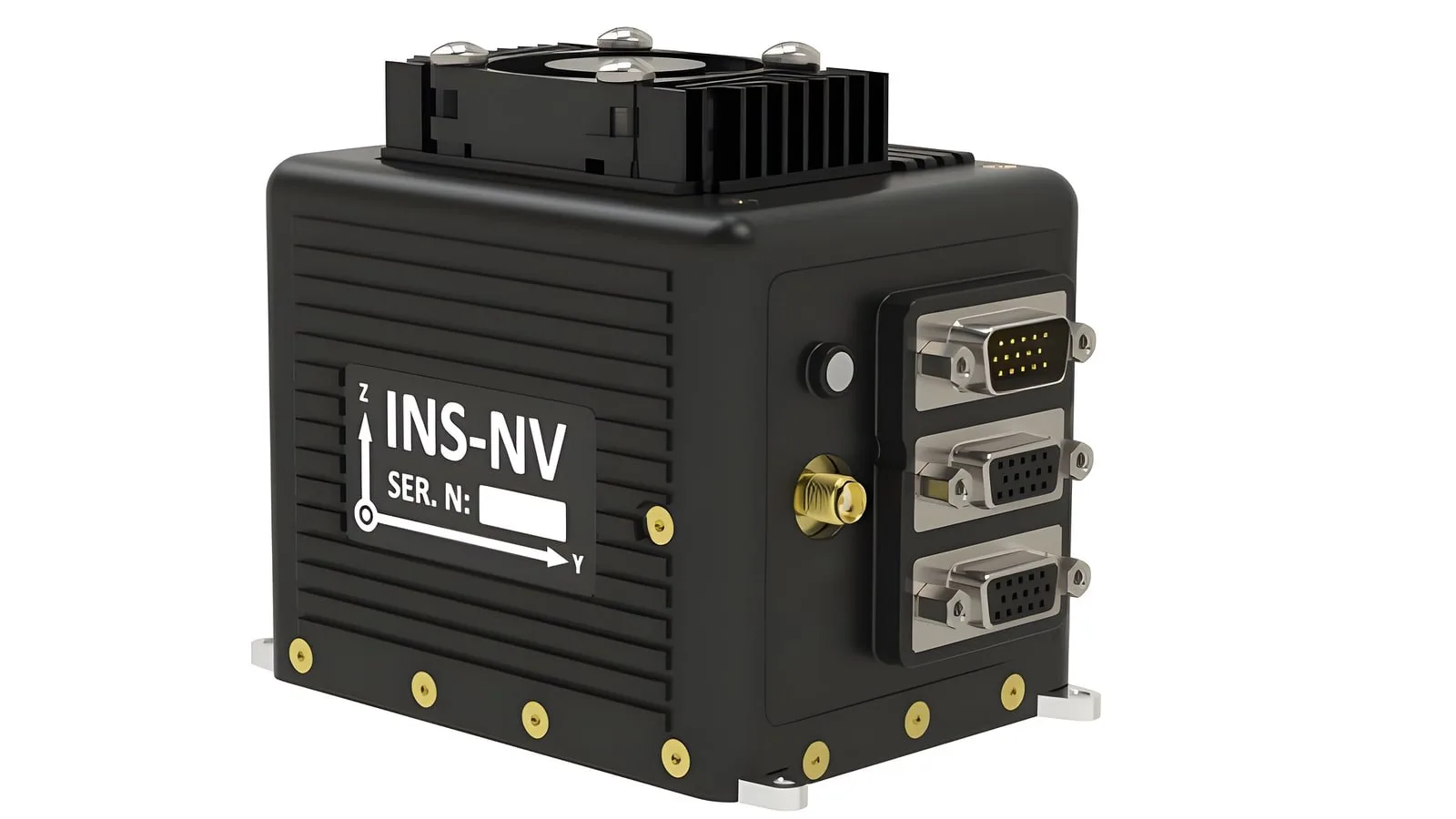
Inertial Labs INS-NV pairs INS with Jetson for Alt-PNT
The INS-NV is a new programmable platform from Inertial Labs, which belongs to VIAVI, and it pairs an NVIDIA Jetson Orin NX module with an inertial navigation system and an AHRS. Developers of alternative PNT and visual navigation systems…
Auterion and Project Q link AuterionOS to HYDRIS
Auterion and Project Q have connected Auterion Mission Control with the HYDRIS integration layer, the first milestone of an agreement signed in August 2026. The connector passes tracks, drone positions and tasking commands in both…