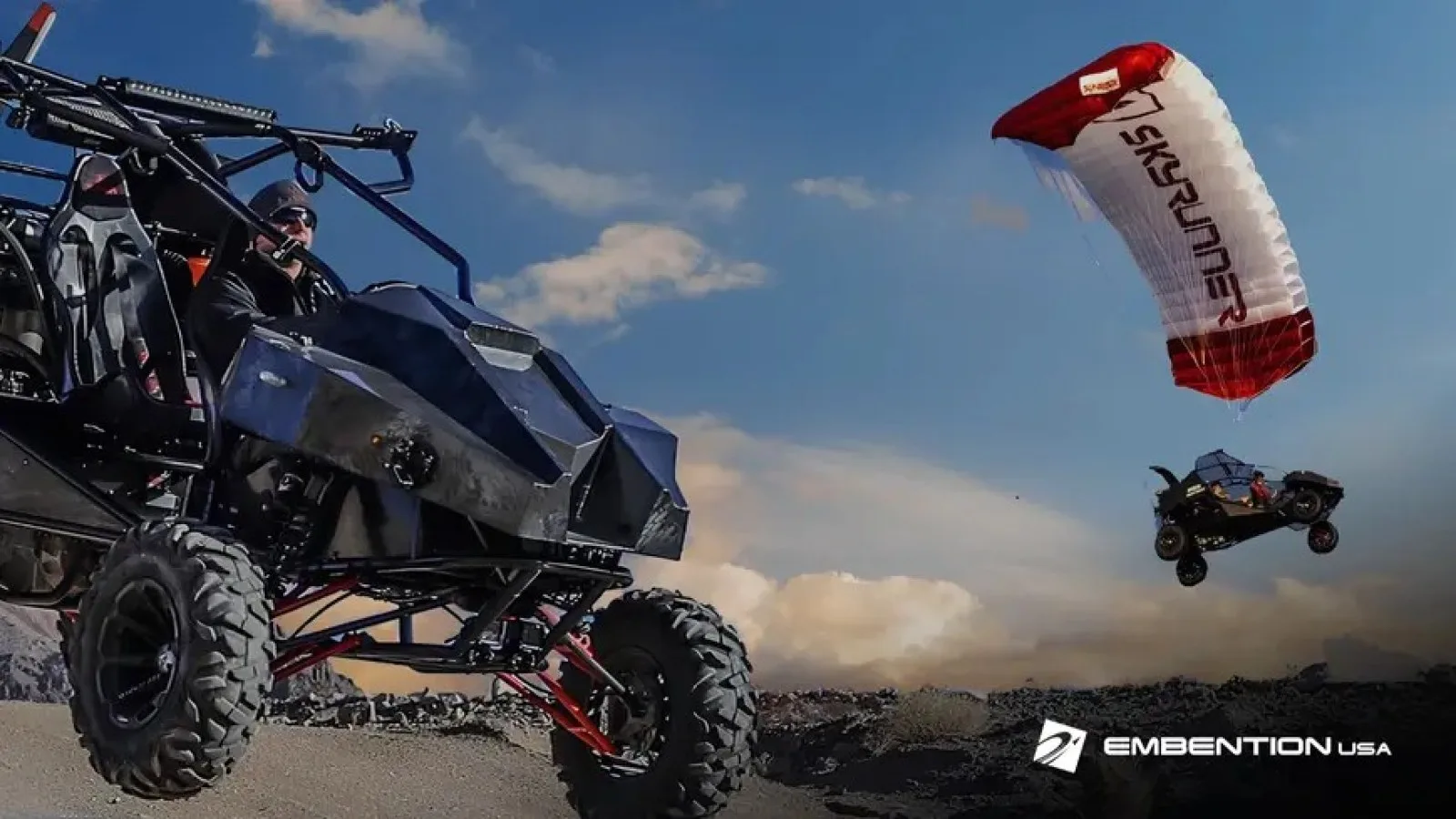
The partners say Veronte converts the crewed MK 3.2 into an expendable, unmanned aircraft that can work without airfields or other support. It brings three functions.
The aircraft can start its mission with nobody aboard, which lets it deploy from rugged ground, front-line locations or hidden sites. Once airborne, operators plan routes through waypoints for intelligence, supply and reconnaissance flights over complicated terrain. At the end of the mission a remote pilot takes over for the last approach, recovery or a change of position, a mode aimed at areas where GPS is unreliable or communications are restricted.
Uses cited for the unmanned aircraft include operating in zones where jamming keeps small drones on the ground, delivering supplies to the final destination with no crew at risk, scouting farther than ground vehicles go, entering terrain with no runway or road, and helping casualties or evacuating them from contested zones. In the companies’ view the MK 3.2 fills a gap between small UAVs, ground robots and crewed aviation. They market it as a cheap, expendable asset for defence and homeland security forces and for the protection of critical infrastructure.



Stewart Hamel, who founded and runs SkyRunner, says the Embention autonomy package multiplies the force of small units, responders and defenders. David Benavente, founder and chief executive of Embention, finds the aircraft’s dual-mode architecture well suited to autonomy, and says Veronte contributes reliability, precision and safety for unmanned flight.
Why it matters
SkyRunner produces FAA-certified, TRL-9 aircraft for the U.S. defence market. Its coming programme adds unmanned variants that fly autonomously, under remote pilot or, optionally, with crew, and Veronte now handles the flight control behind the first two modes.
Embention reports 19 years of activity, a workforce above 180 and a new listing on Euronext Growth. Embention presents itself as the first drone avionics specialist to win EASA APDOA and POA approvals together, relevant for buyers who need certifiable flight control.
Source: Embention newsroom
Was this article useful?
Thanks for your feedback. You can change your answer at any time.
Latest news
Latest news
Companies in this article
 Propulsion · 5Avionics · 5Comms & GCS · 2
Products in this article
 FeaturedFlight controllers
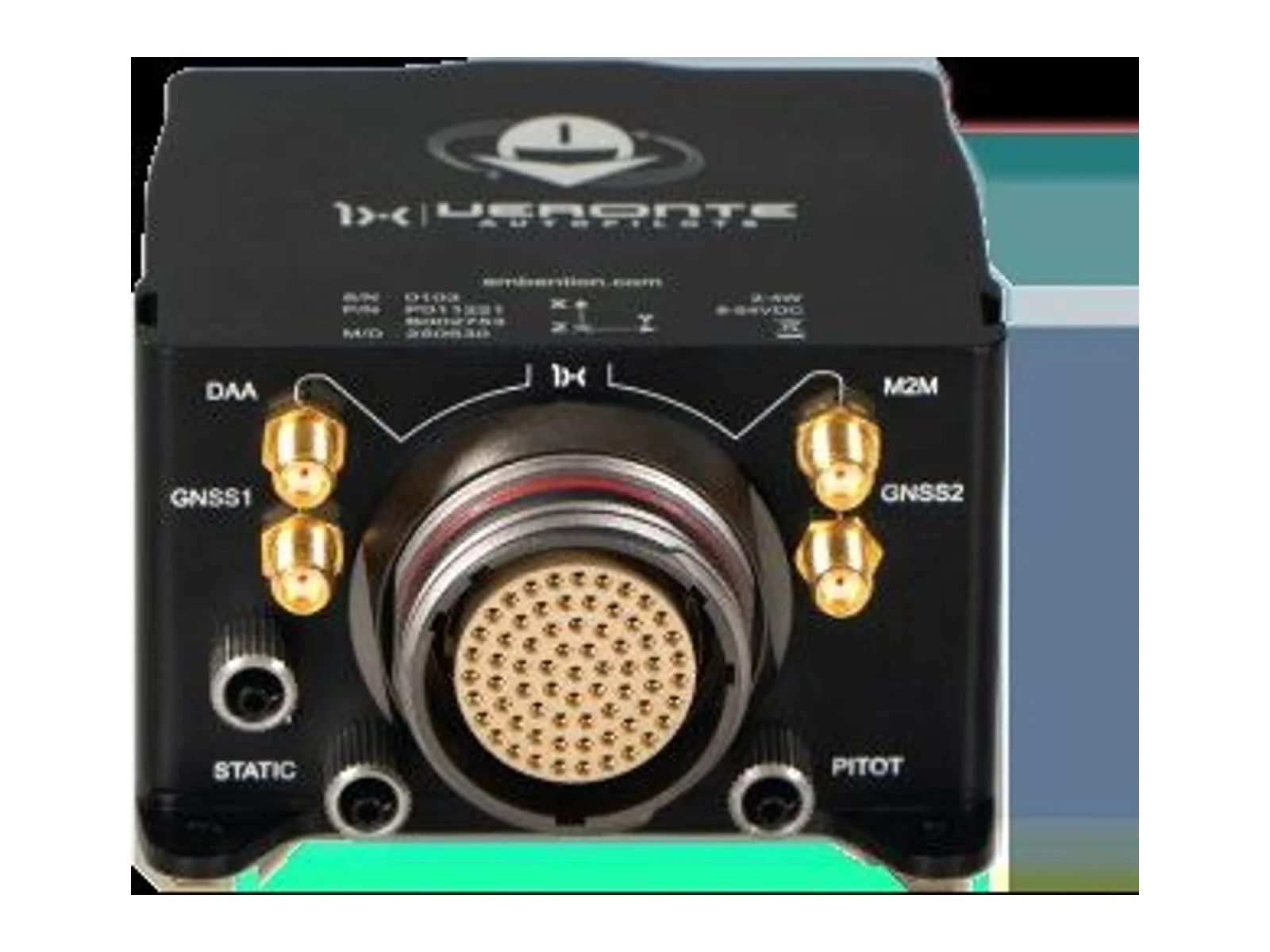
Veronte Autopilot 1x flight control system
- Redundancy
- Simplex
- Software stack
- Proprietary
- Design assurance level
- DAL B
 FeaturedFlight controllers
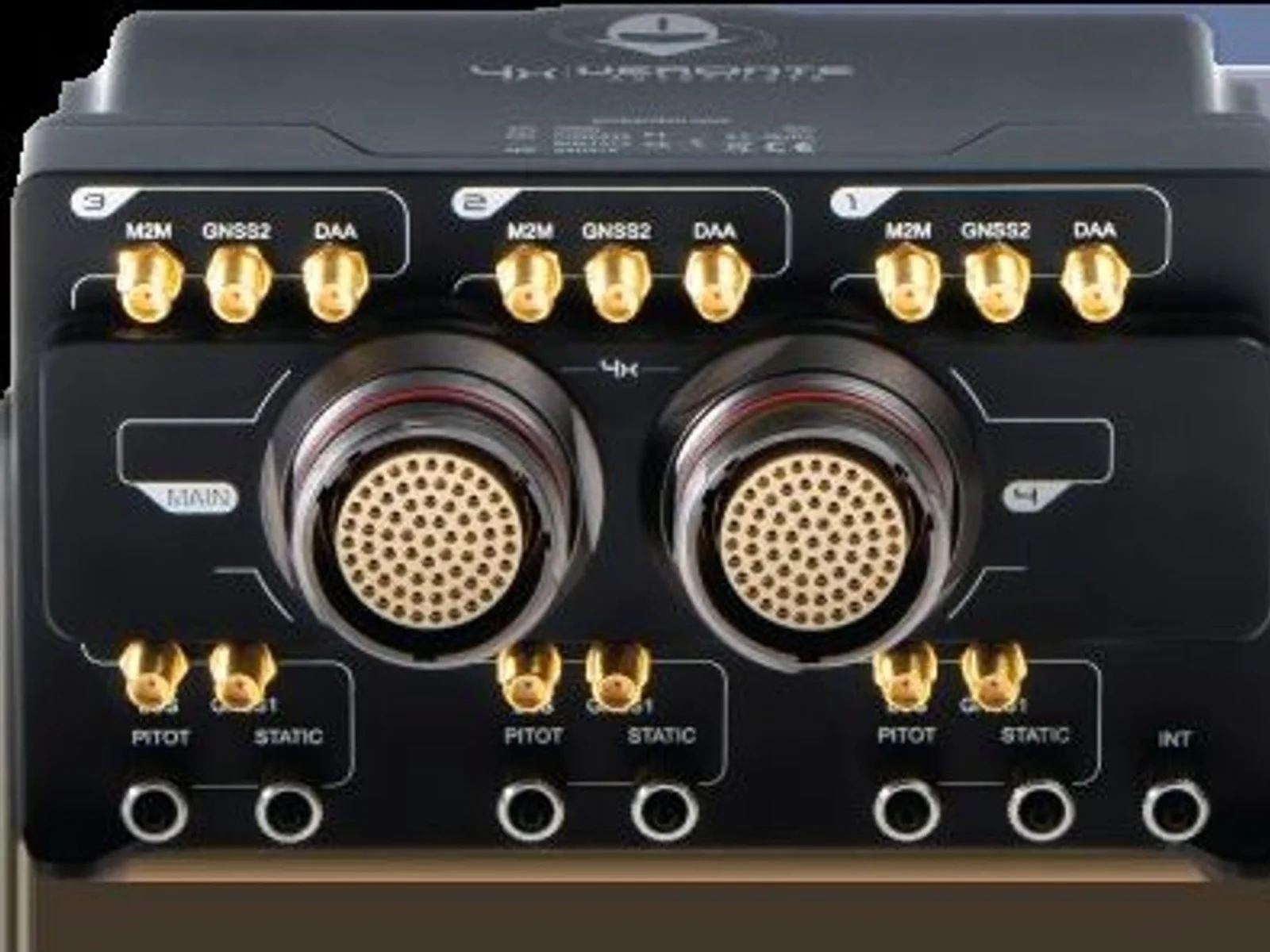
Veronte Autopilot 4x flight control system
- Redundancy
- Triple
- Software stack
- Proprietary
- Design assurance level
- DAL B
Related articles

Honeywell tests alternative navigation for GNSS-denied flight
Honeywell Aerospace presents results from demonstrations of celestial-, vision- and magnetic-aided navigation that support inertial systems when GNSS signals are lost. Its star-tracker based system matches GNSS-INS performance under…
Honeywell HGuide o480 INS/GNSS navigator with AIM+ anti-jamming
Honeywell Aerospace offers the HGuide o480, a 26-gram INS/GNSS navigator for attritable military platforms and industrial uses. The unit pairs an IMU and a GNSS receiver with AIM+ anti-jamming, and it is available globally without export…
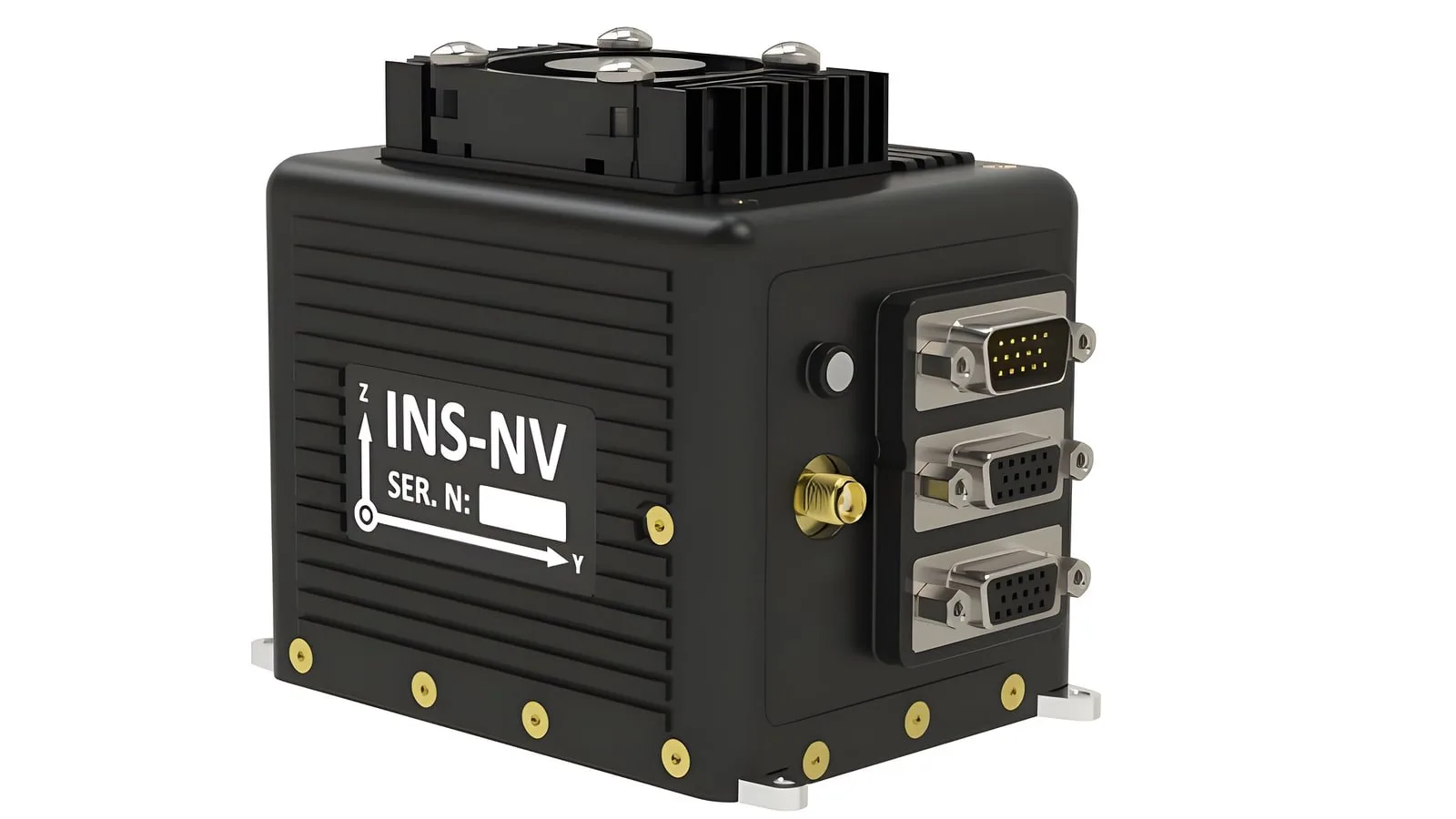
Inertial Labs INS-NV pairs INS with Jetson for Alt-PNT
The INS-NV is a new programmable platform from Inertial Labs, which belongs to VIAVI, and it pairs an NVIDIA Jetson Orin NX module with an inertial navigation system and an AHRS. Developers of alternative PNT and visual navigation systems…
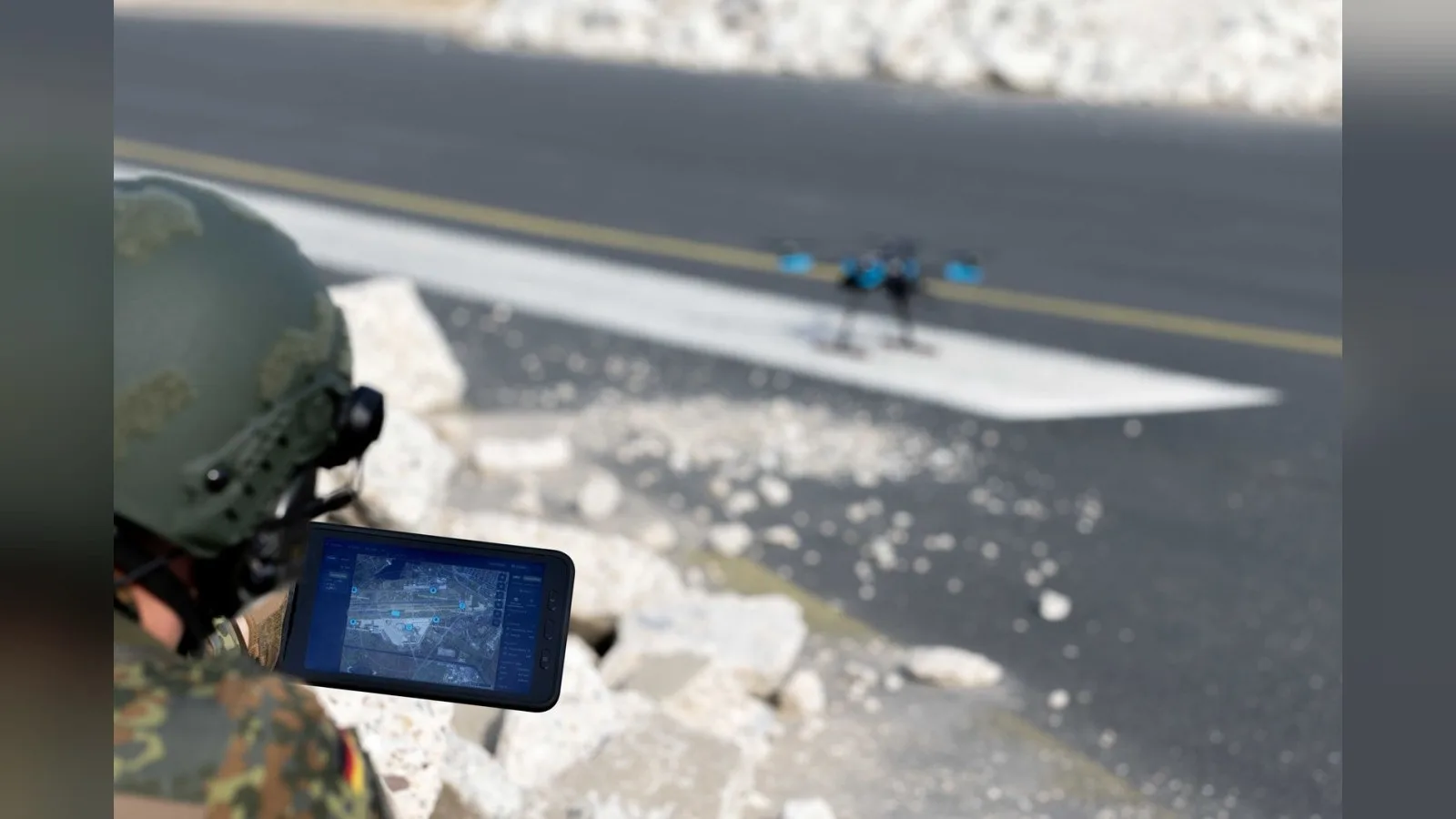
Auterion and Project Q link AuterionOS to HYDRIS
Auterion and Project Q have connected Auterion Mission Control with the HYDRIS integration layer, the first milestone of an agreement signed in August 2026. The connector passes tracks, drone positions and tasking commands in both…