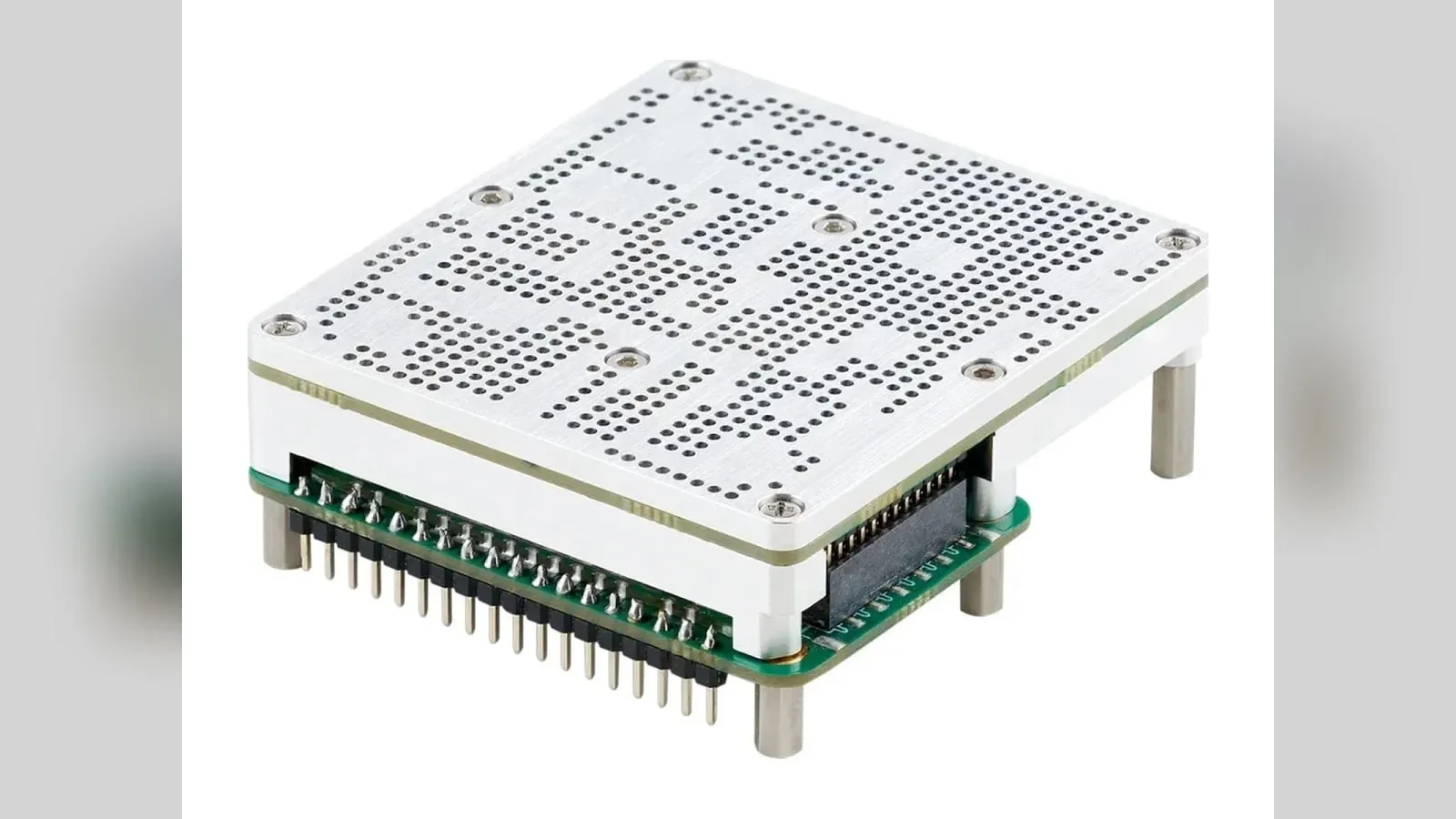
Doodle Labs’ radios are to be integrated with XOS, the operating system of XTEND AI Robotics (NYSE: XTND), across XTEND’s existing platform architecture. The hardware work is finished on STRIKER. Doodle Labs’ technical teams developed the integration jointly with XTEND engineers and made improvements that support the multi-platform approach of XOS, which is designed to make swapping radios straightforward. Earlier coverage of the work is in Doodle Labs Mesh Rider radios integrate with XTEND XOS.
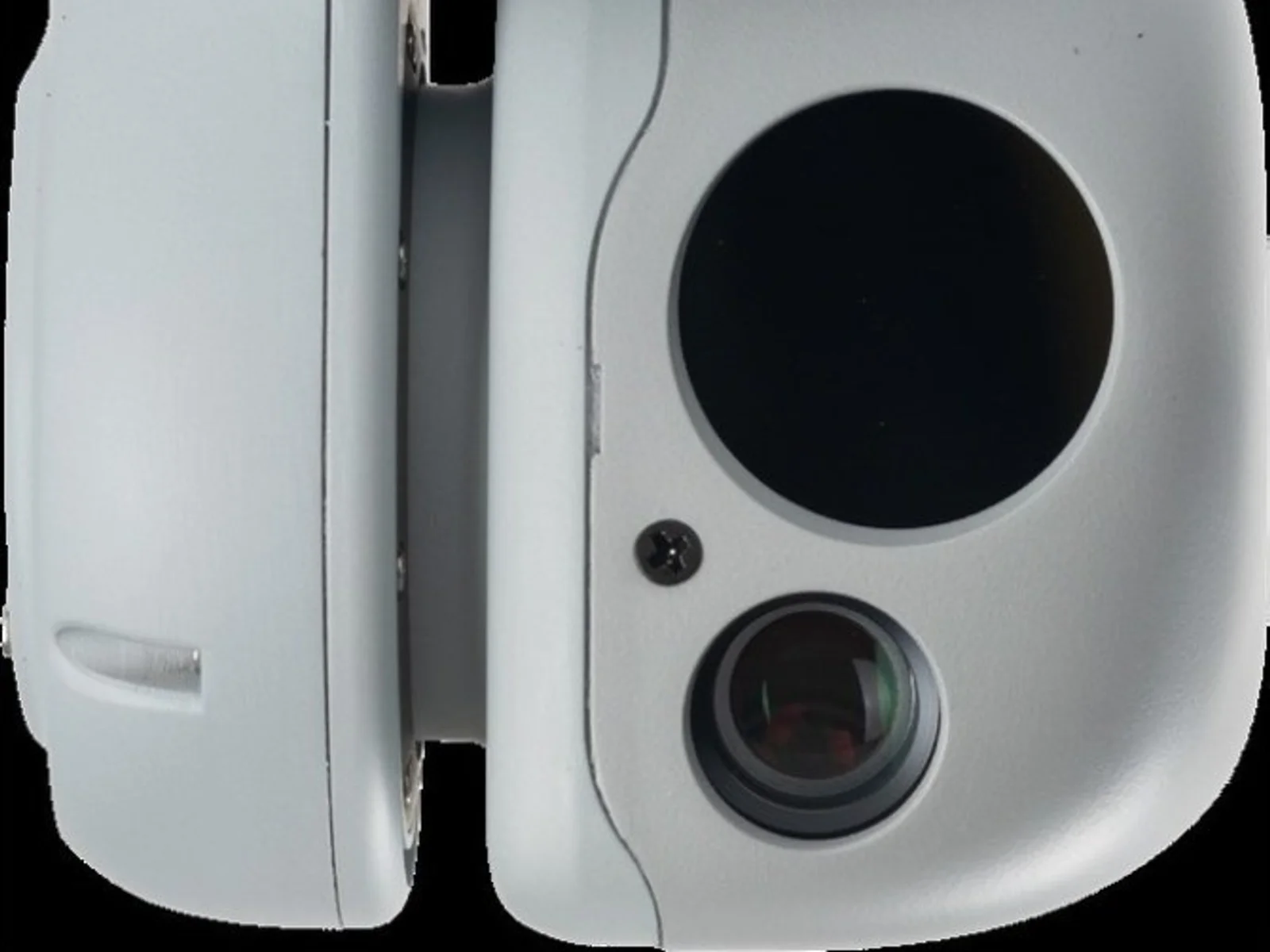
STRIKER carries a Mesh Rider radio, designed to hold the link under interference and electronic warfare. The drone targets tactical missions in tight, complex spaces where GNSS is denied. Gauntlet II of the U.S. XTEND announced on October 13, 2026 an order worth $40.5 million for 6,000 STRIKER systems. The U.S. Department of War’s Drone Dominance Program first named the drone a top performer in its Close Quarters Battle segment, and the order comes after that selection.
According to Aviv Shapira, who co-founded XTEND and serves as its CEO, the design goal for XOS is compatibility with numerous platforms and components. He cites the joint engineering effort with Doodle Labs as an illustration. Amol Parikh, co-CEO of Doodle Labs, describes XTEND as a like-minded partner and says his company supplies the connectivity that lets advanced Physical AI systems operate in the field. Both companies intend to keep working together on connected unmanned systems.






Why it matters
The U.S. is expanding its drone industrial base, with work on manufacturing capacity, supply-chain security and faster delivery of low-cost unmanned systems to frontline units. Deployments now reach into the thousands of units in contested areas, so dependable communications across that many systems have become a central operational need.
Both suppliers stress compliance. Doodle Labs states that its products are NDAA-compliant and manufactured through trusted global partners. XTEND, founded in Tel Aviv and headquartered in Tampa, Florida, reports more than 12,500 systems deployed in over 30 countries. Its NDAA-compliant products come out of regional XFAB factories located in Latvia, Mexico, Israel, Singapore, the U.K. and the U.S.
XTEND cautions that the integration across its platforms and the deliveries under the order depend on several factors. Among them is whether XTEND can connect outside technologies to XOS, and whether it can build systems and ship them when planned.
Was this article useful?
Thanks for your feedback. You can change your answer at any time.
Latest news
Latest news
Companies in this article
 Comms & GCS · 3
Products in this article
- FeaturedLOS links
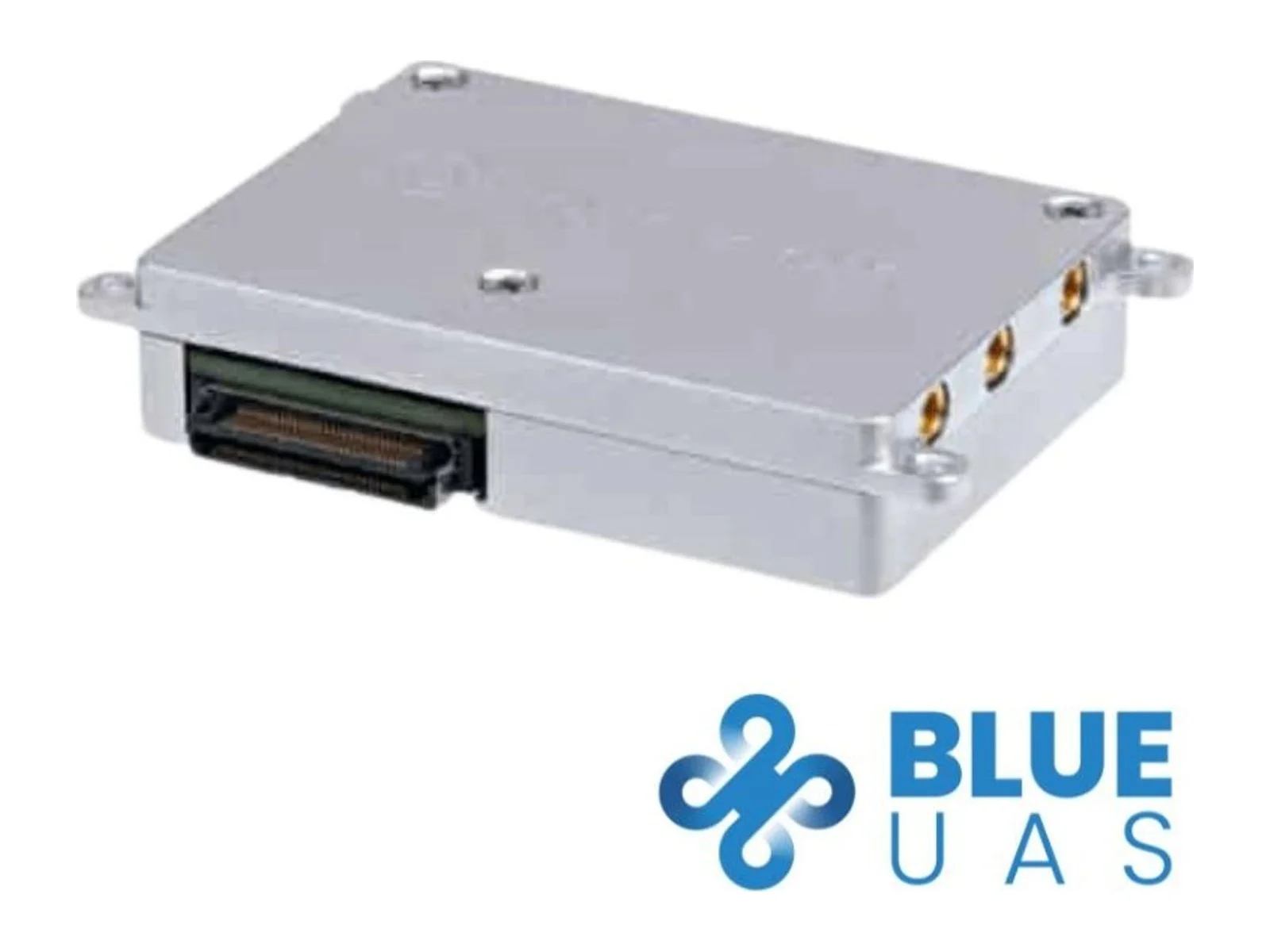
Mesh Rider Radio wireless data-link product
- Max range
- 50 km
- Max data rate
- 80 Mbps
- Transmit power
- 1.6 W
 FeaturedLOS links
SkyHopper Micro wireless data-link product
- Transmit power
- 0.2 W
- Grade
- Professional
- Market
- Dual-use
 FeaturedBLOS links
Halo beyond-line-of-sight connectivity product
- Grade
- Professional
- Market
- Dual-use
- Availability
- In production
 Featured
Related articles
Doodle Labs Mesh Rider radios integrate with XTEND XOS
Doodle Labs and XTEND AI Robotics expand their partnership, integrating Mesh Rider radios with XTEND's XOS software across its platform architecture. Hardware integration is already complete on the STRIKER drone, which is covered by an…
Doodle Labs unveils Mesh Rider Dual Radio kit
Doodle Labs unveils Mesh Rider Dual Radio, a kit that puts two Mesh Rider OEM modules, each on its own band, into a single node. It addresses users under heavy jamming, for whom reliance on one band is a weak point.
Doodle Labs adds Boost amplifier for Mesh Rider radios
Doodle Labs launches Boost, a gallium-nitride amplifier that raises the transmit power of Mesh Rider radios on demand. The C-Band version targets longer range and better resistance to jamming on small drones without a constant drain on…