Unverified
Display Unit Phase 3A Upgrade flight display unit
Also known as: DisplayUnitPhase3AUpgrade, Display-Unit-Phase-3A-Upgrade, Display-Unit-Phase-3-A-Upgrade, Display Unit Phase 3 A Upgrade, Honeywell Aerospace Display Unit Phase 3A Upgrade, Honeywell Aerospace DisplayUnitPhase3AUpgrade
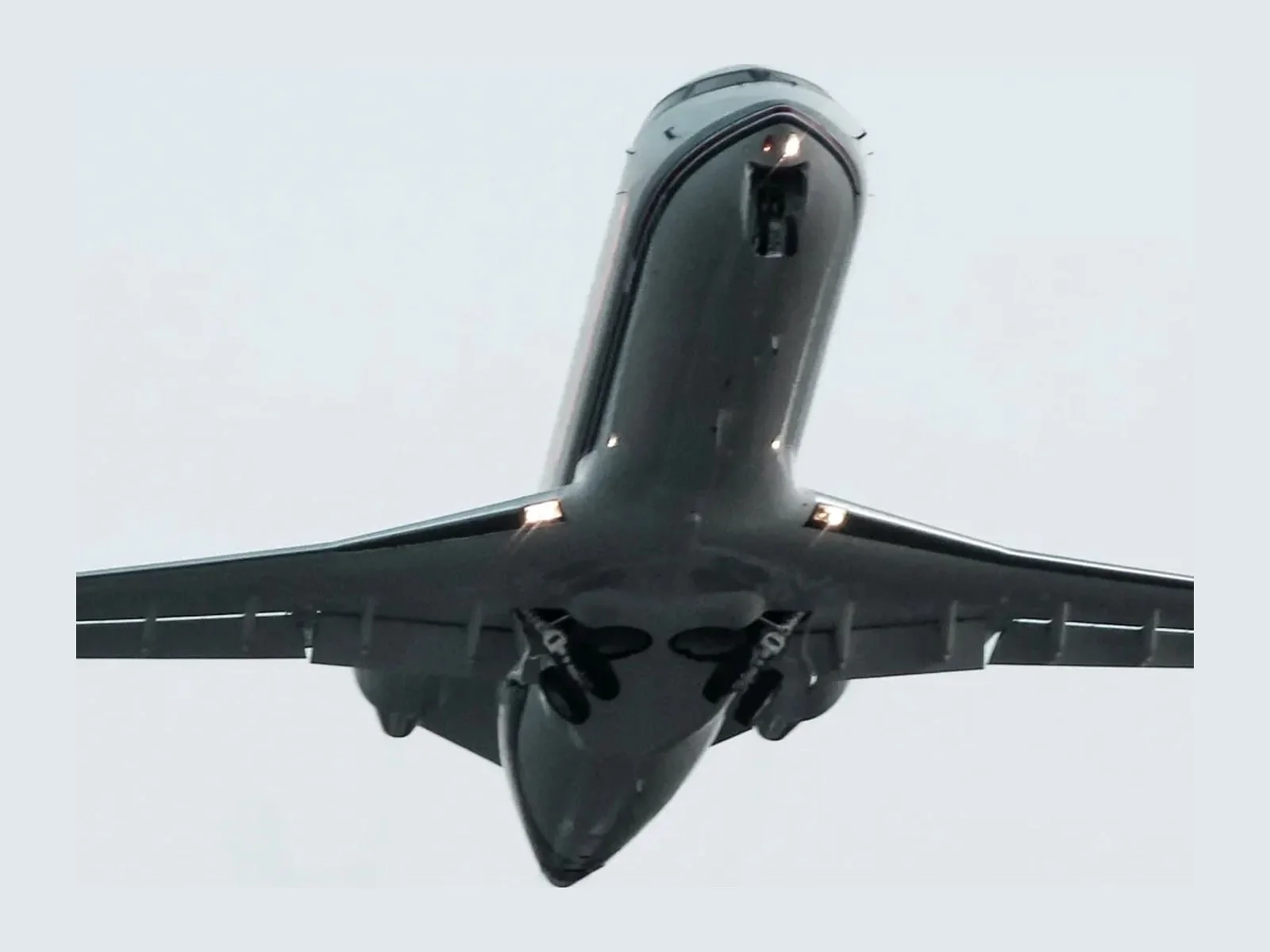
This display unit upgrade for Boeing 737 and 777 aircraft provides a path to mitigate obsolescence. It incorporates an LED backlight for a brighter picture and reduces the number of internal circuit card assemblies.
Description
The Display Unit Phase 3A Upgrade by Honeywell Aerospace is a flight display unit designed to modernize cockpit instrumentation for Boeing 737 and 777 aircraft. This solution offers a path to mitigate obsolescence for operators of these platforms, providing an alternative to legacy Phase I and II display units.
The system functionality is similar to previous liquid crystal display units but internally supports a new design. This architecture incorporates a light emitting diode backlight, which provides a more evenly lit and brighter picture. The display glass assemblies are updated to an industry-standard striped-pixel liquid crystal display configuration.
Integration benefits include a reduction in the total number of circuit card assemblies within the unit. This engineering improvement contributes to a lower overall weight and higher reliability, which are factors for reducing aircraft operating costs. The unit also includes a provision for an expansion module to support future growth.
This upgrade is intended for professional aerospace environments. It is designed to address the needs of operators looking to maintain their existing flight deck systems while benefiting from modern display technology and improved component reliability.
Display Unit Phase 3A Upgrade specifications
| General | |
|---|---|
| Grade | Aerospace-grade[1][2] |
| Market | Civil[1][2] |
| Platform class | Manned aircraft[1][2] |
| Airframe | Fixed-wing[1][2] |
| Availability | In production[1][2] |
| Key specifications | |
| Product type | Multifunction display[1][2] |
| Touchscreen | No[1][2] |
| Sunlight readable | No[1][2] |
| Additional specifications | |
| NVIS compatible | No[1][2] |
Sources
- honeywellaerospace.com/us/en/products-and-services/products/cabin-and-cockpit/avionics/cockpit-and-flight-displays/display-unit-phase-3a-upgrade · checked November 24, 2026
- honeywellaerospace.com/us/en/customer-support/technical-support · checked November 24, 2026
Frequently asked questions
Which aircraft platforms are compatible with the Phase 3A display unit upgrade?
The upgrade is designed for Boeing 737 and 777 operators.
What are the physical design improvements of the Phase IIIA display unit compared to previous versions?
The unit features a reduced number of Circuit Card Assemblies for lower weight and higher reliability, an LED backlight for improved brightness, and updated Display Glass Assemblies using industry-standard striped-pixel LCD technology.
Does the Phase 3A display unit allow for future hardware additions?
Yes, the unit includes a provision for an expansion module to support future growth.
Reviews & Ratings
– / 5
No reviews yet. Be the first to rate.
Rate this product
Almost done: send the form below to publish your rating.
Thank you: your review is published and already counts in the rating.
Demo mode: the form is not connected yet and nothing was sent.









More from Honeywell Aerospace
- FeaturedFlight deck
CD-830 Control Display Unit
- Product type
- Multifunction display
- Grade
- Aerospace-grade
- Market
- Civil
 FeaturedFlight deck
DU-875 LCD Display Upgrade
- Product type
- Multifunction display
- Grade
- Aerospace-grade
- Market
- Civil
 Featured
 FeaturedFlight deck
DU 1310-2 Cockpit Display
- Product type
- Multifunction display
- Grade
- Aerospace-grade
- Market
- Civil
Key terms
- design assurance level (DAL)
A design assurance level (DAL) is the letter A to E that sets how rigorous the development process of an aircraft function, software item or hardware item must be, according to the effect its failure would have on the aircraft.
- DO-160
DO-160 is the RTCA standard (EUROCAE ED-14) that defines environmental test conditions and procedures for airborne equipment, covering temperature, altitude, vibration, humidity, EMI and lightning among other sections.
- DO-178C
DO-178C is the RTCA/EUROCAE (ED-12C) guidance document that the FAA and EASA accept as a means of showing that airborne software meets airworthiness requirements, using objectives that scale with the software level A to D.
- DO-254
DO-254 is the RTCA guidance (EUROCAE ED-80) on design assurance for airborne electronic hardware such as FPGAs, ASICs and circuit boards, with five assurance levels A to E that match the hardware's failure effect.
Related news
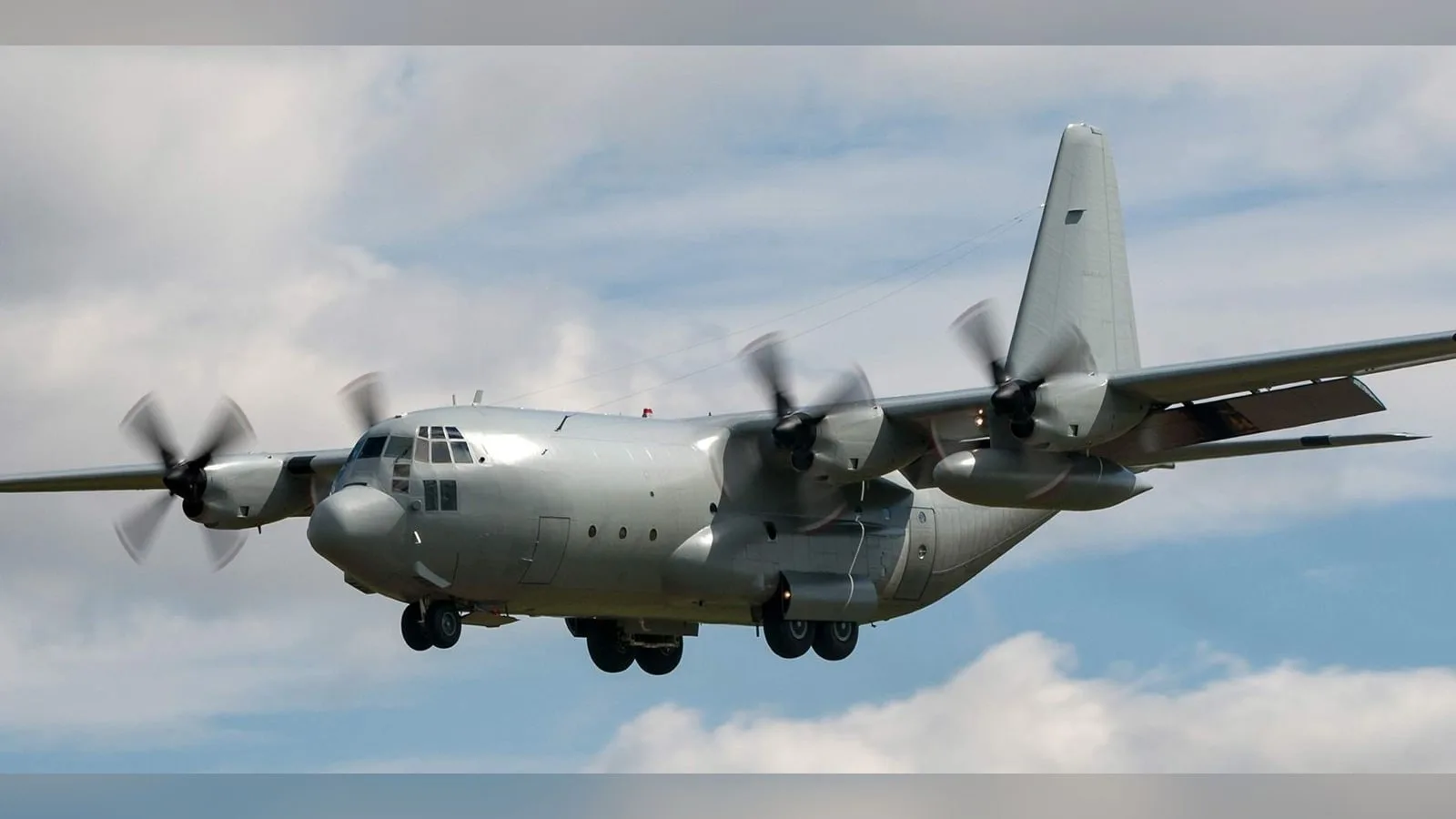
Honeywell tested multi-network satcom failover on 757 testbed
Honeywell Aerospace detailed on May 5, 2022 a test of a Primary, Alternate, Contingency and Emergency (PACE) satcom scheme on its Boeing 757-200 flying testbed, which switched between commercial and military satellite networks in flight…

Honeywell tests alternative navigation for GNSS-denied flight
Honeywell Aerospace presents results from demonstrations of celestial-, vision- and magnetic-aided navigation that support inertial systems when GNSS signals are lost. Its star-tracker based system matches GNSS-INS performance under…

Honeywell tests 1 MW hybrid-electric generator for airship
Honeywell Aerospace tests a 1 MW generator in a Mexicali test cell, and Flying Whales will integrate it into the hybrid-electric powertrain of its LCA60T airship. The unit reaches 1 MW steady state at 97% efficiency, giving…
This product listing is maintained by our editorial team and may contain errors. Last updated .