DO-178C, published with the identical EUROCAE document ED-12C, does not prescribe a particular design. It lists objectives that a software life cycle must satisfy: planning, requirements, design, coding, integration, verification, configuration management and quality assurance. The FAA recognises it in advisory circular AC 20-115D as an acceptable, but not the only, means of compliance for the software aspects of airborne systems.
How many objectives apply depends on the software level, which comes from the safety assessment of the function the software performs. Level A (catastrophic failure condition) carries 71 objectives, 30 of them to be met with independence; level B carries 69, level C 62 and level D 26. Level E has none. Supplements cover tool qualification (DO-330), model-based development (DO-331), object-oriented techniques (DO-332) and formal methods (DO-333).
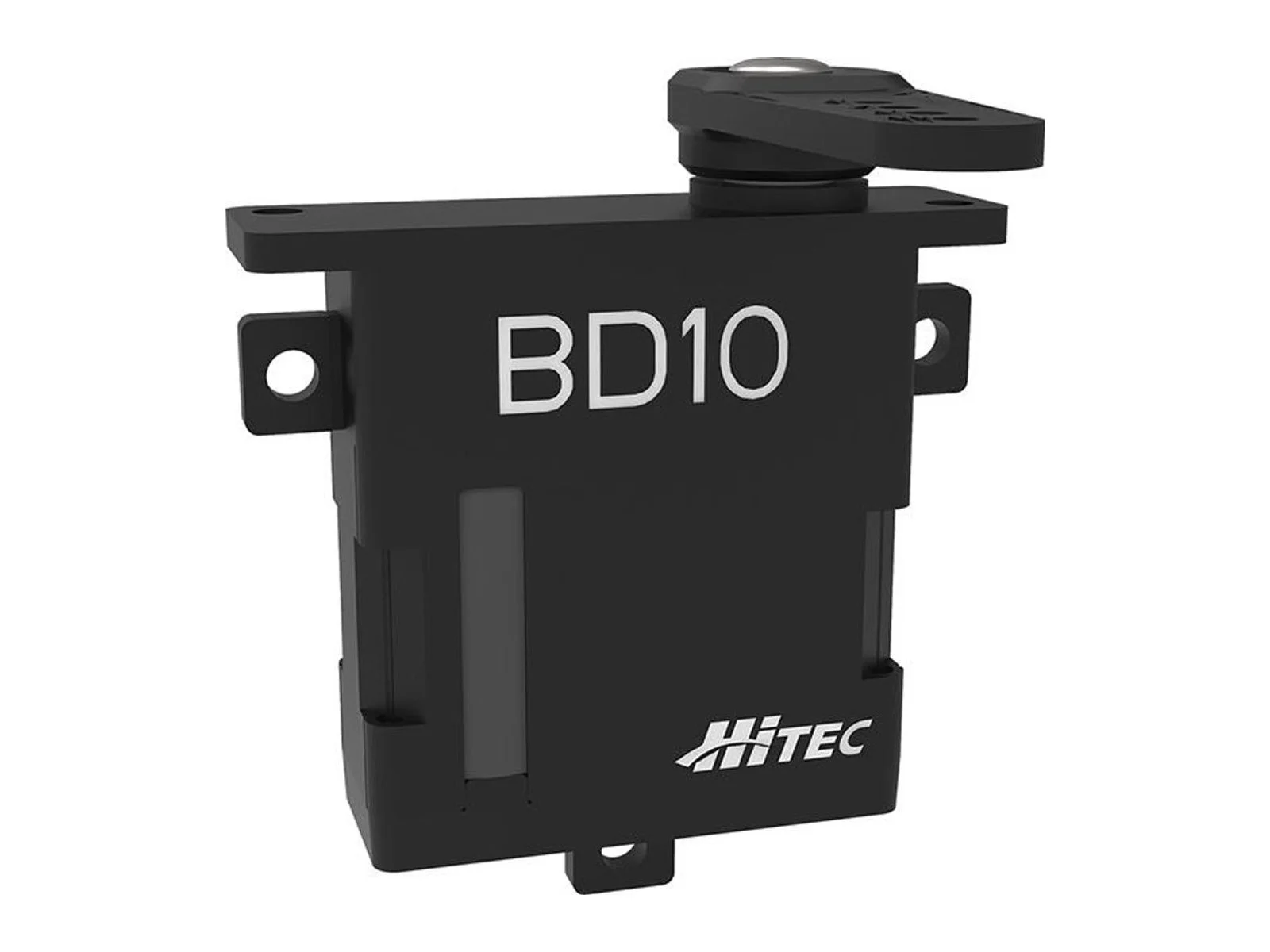
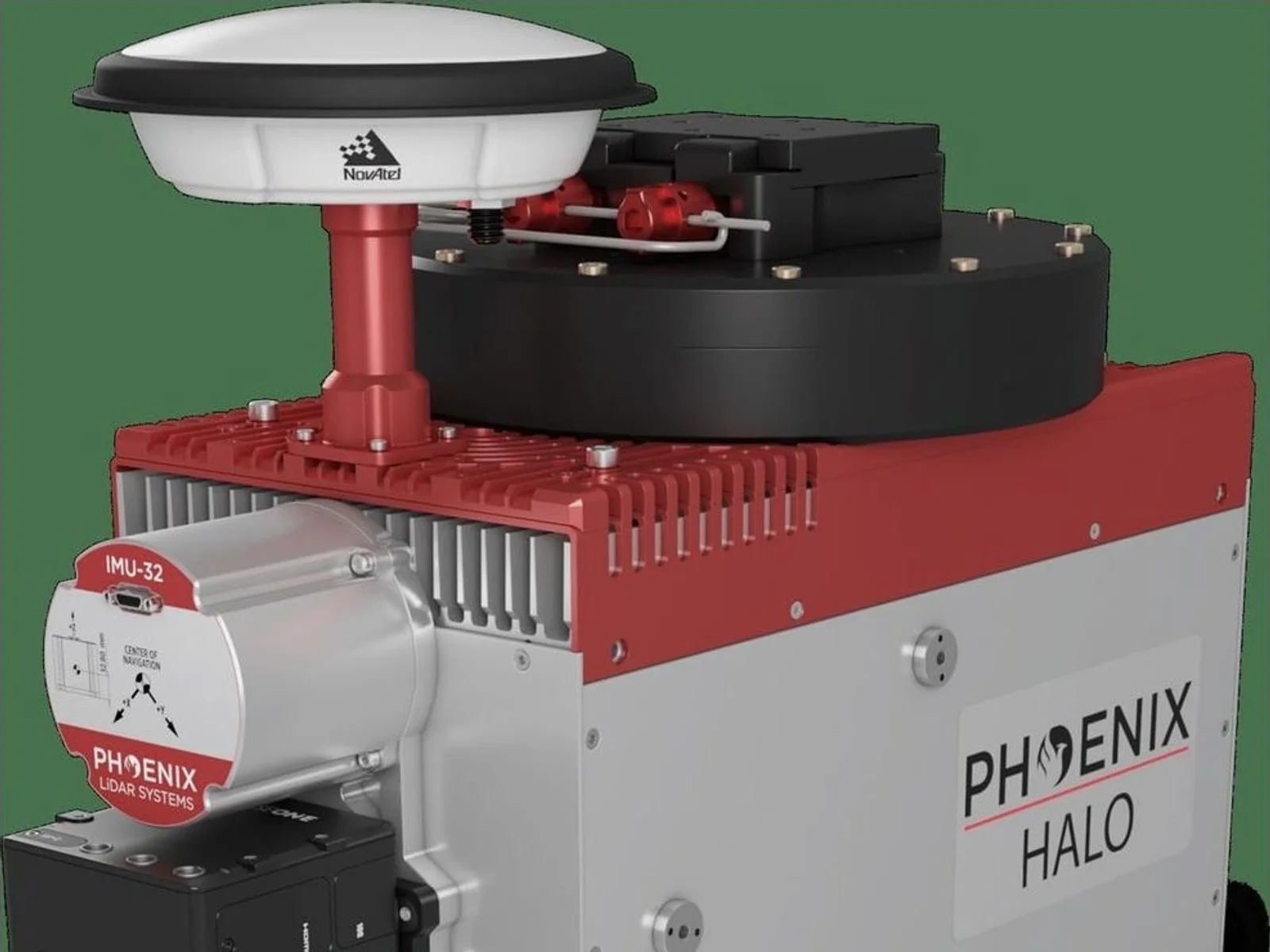
For drones and eVTOL aircraft, flight-control, mission and detect-and-avoid computers that support higher-category operations are typically offered with software developed to level C, B or A, depending on what the aircraft-level safety assessment assigns. On a datasheet it appears as “DO-178C level B” or “developed per DO-178C DAL A”, sometimes with a list of the supplements used.
A frequent mistake is to read the claim as a certificate of the product. DO-178C describes a process and its evidence (plans, requirements traceability, structural coverage, review records); the approval belongs to the project that integrates the software. A “compliant” or “developed in accordance with” statement without the level, the evidence package or the certification authority involved says little. Another mistake is to compare a software level with a hardware level as if they were one scale; the hardware counterpart is DO-254.