Unverified
HiMax FAHM112 Aramid Standard +/-45 Biaxials
Also known as: HiMaxFAHM112, HiMax-FAHM112, HiMax-FAHM-112, HiMax FAHM 112, Hexcel HiMax FAHM112, Hexcel HiMaxFAHM112
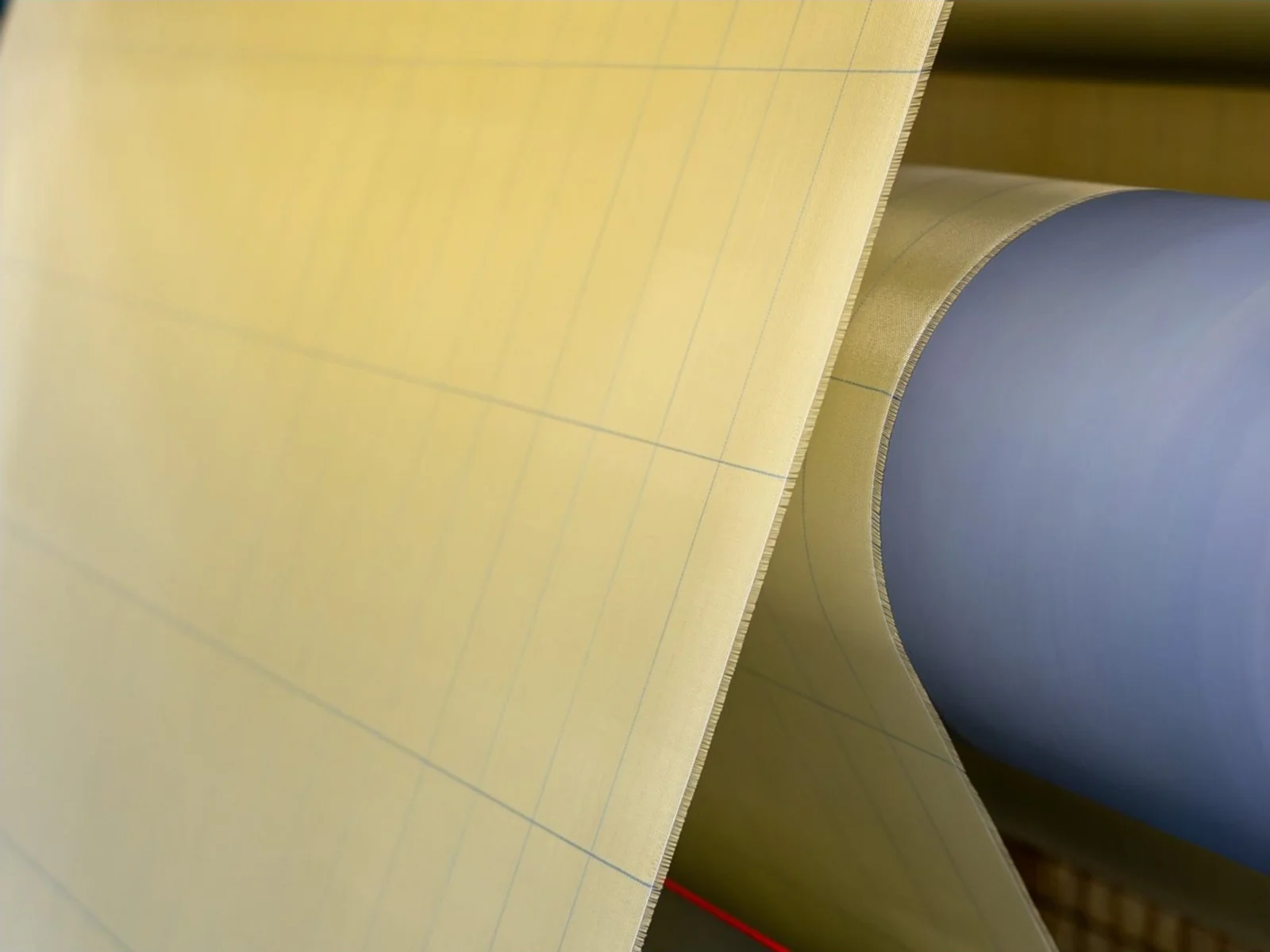
This aramid fiber reinforcement is designed for high-strength, low-weight aerospace applications. It features a density of 1.44 g/cm³ and provides dimensional stability across a wide range of temperatures.
Description
The HiMax FAHM112 Aramid Standard +/-45 Biaxials, manufactured by Hexcel, is a composite material reinforcement engineered for aerospace, marine, tooling, and recreational applications. This fabric is designed to provide high strength, low weight, and impact resistance for structural components where mass reduction is a priority.
This material utilizes aramid fibers, which are 43% lighter than glass fiber, offering a density of 1.44 g/cm³. The fibers exhibit a slightly negative coefficient of thermal expansion of -2.4 x 10⁻⁶/°C, which contributes to the dimensional stability of the finished composite parts. The material is resistant to chemicals, with the exception of certain strong acids and alkalis.
The fibers maintain stability over a wide range of temperatures for prolonged periods. They show no significant embrittlement or strength loss at temperatures as low as -196 °C. The material does not melt or support combustion, beginning to carbonize at approximately 427 °C.
Hexcel provides technical resources to assist engineers in the evaluation, specification, and implementation of these fiber reinforcements. The product is part of a portfolio that includes various weaving solutions and hybrid fiber combinations to meet specific structural requirements.
HiMax FAHM112 specifications
| General | |
|---|---|
| Grade | Aerospace-grade[1][2][3] |
| Market | Civil[1][2][3] |
| Platform class | Manned aircraft[1][2][3] |
| Airframe | Any[1][2][3] |
| Availability | In production[1][2][3] |
| Operating temperature | -196 – 427 °C[1][2][3] |
| Waterproofness (IP rating) | None[1][2][3] |
| Key specifications | |
| Material form | Fibre[1][2][3] |
| Density | 1.44 g/cm³[1][2][3] |
| Additional specifications | |
| Fibre grade | Aramid[1][2][3] |
| Out-of-autoclave | No[1][2][3] |
| FST compliance | No[1][2][3] |
Sources
- hexcel.com/products/fabrics-reinforcements/aramid-fiber-reinforcements · checked November 18, 2026
- hexcel.com/products/fabrics-reinforcements/hexforce-specialties · checked November 18, 2026
- hexcel.com/Resources/DataSheets/Reinforcements/Aramid_Standard_-45_Biaxials · checked November 18, 2026
Frequently asked questions
What is the density of aramid fibers compared to glass fiber?
Aramid fibers have a density of 1.44 g/cc, which makes them 43% lighter than glass fiber at 2.5 g/cc.
How do aramid fibers perform at low temperatures?
Aramid fibers maintain stability and do not experience embrittlement or strength loss at temperatures as low as -320°F (-196°C).
At what temperature do aramid fibers begin to carbonize?
Aramid fibers do not melt or support combustion, but they begin to carbonize at approximately 800°F (427°C).
What is the coefficient of thermal expansion for aramid fibers?
Aramid fibers exhibit a slightly negative coefficient of thermal expansion of -2.4 x 10⁻⁶/°C.
Reviews & Ratings
– / 5
No reviews yet. Be the first to rate.
Rate this product
Almost done: send the form below to publish your rating.
Thank you: your review is published and already counts in the rating.
Demo mode: the form is not connected yet and nothing was sent.







Similar composite materials from other manufacturers
- FeaturedComposite materials
TORAYCA T1100G high-strength carbon fibre
Toray Composite Materials America
- Material form
- Fibre
- Tensile strength
- 7,000 MPa
- Tensile modulus
- 324 GPa
- FeaturedComposite materials
TORAYCA T800S intermediate-modulus carbon fibre
Toray Composite Materials America
- Material form
- Fibre
- Tensile strength
- 5,880 MPa
- Tensile modulus
- 294 GPa
 FeaturedComposite materials
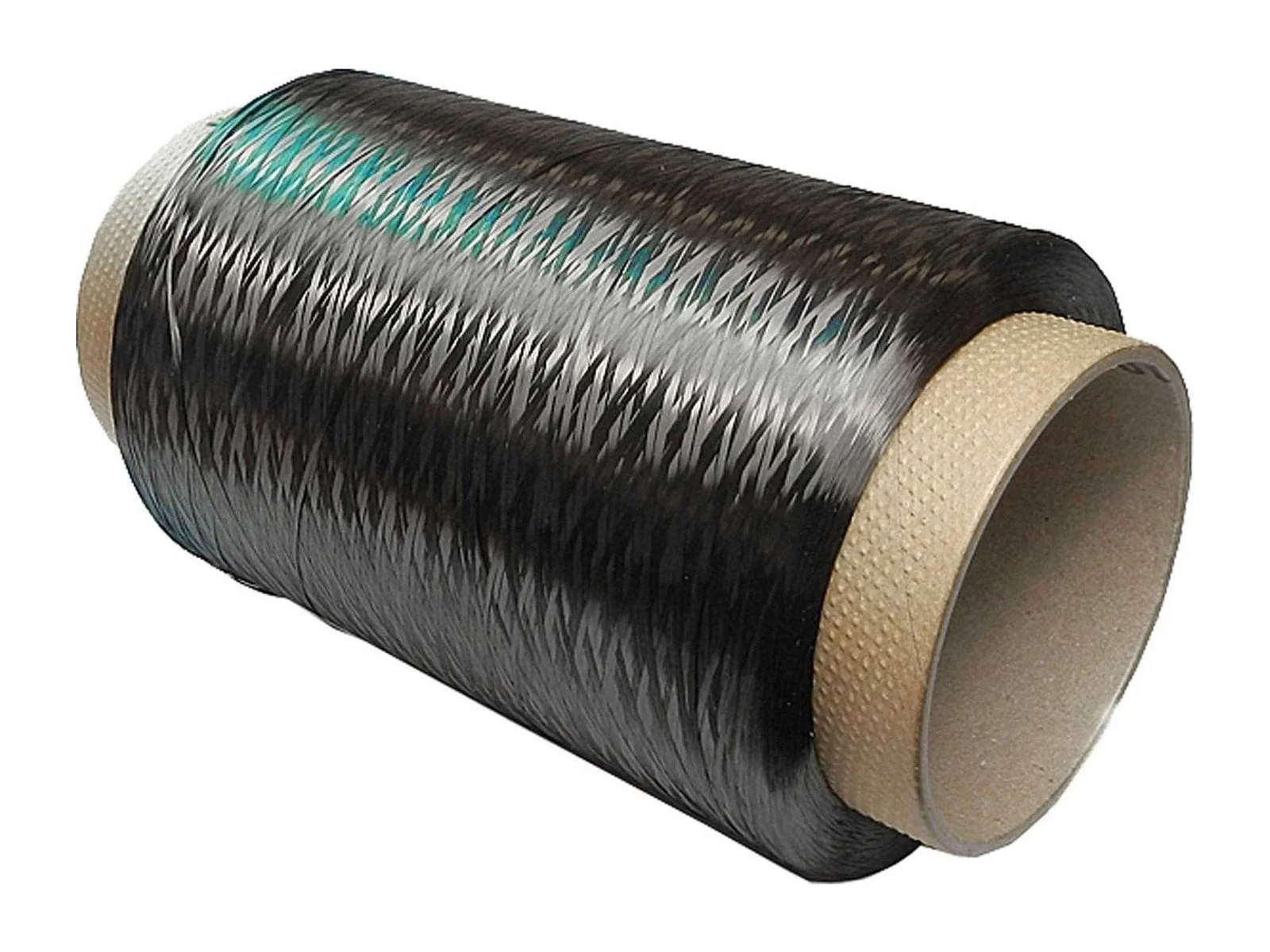
Tenax HTS40 high-tenacity carbon-fibre family
- Material form
- Fibre
- Tensile strength
- 4,400 MPa
- Tensile modulus
- 240 GPa
 FeaturedComposite materials
Tenax IMS65 intermediate-modulus carbon-fibre family
- Material form
- Fibre
- Tensile strength
- 6,000 MPa
- Tensile modulus
- 290 GPa
 FeaturedComposite materials
SIGRAFIL continuous carbon-fibre reinforcement family
- Material form
- Fibre
- Grade
- Aerospace-grade
- Market
- Dual-use
 FeaturedComposite materials
Toray Cetex TC1225 low-melt PAEK composite material
Toray Composite Materials America
- Tensile strength
- 2,410 MPa
- Tensile modulus
- 135 GPa
- Density
- 1.3 g/cm³
View all: Similar composite materials from other manufacturers
More from Hexcel
- FeaturedComposite materials
HexTow IM7 continuous carbon fibre
- Material form
- Fibre
- Tensile strength
- 5,670 MPa
- Tensile modulus
- 276 GPa
 FeaturedComposite materials
HexForce 1581 glass fiber reinforcement fabric
- Material form
- Fibre
- Grade
- Professional
- Market
- Civil
- FeaturedComposite materials
HiMax Aramid Multiaxial non-crimp fabric
- Material form
- Fibre
- Grade
- Aerospace-grade
- Market
- Dual-use
- FeaturedComposite materials
HexPly M21 toughened epoxy prepreg matrix
- Material form
- Prepreg
- Tensile strength
- 2,860 MPa
- Tensile modulus
- 160 GPa
Related news
Hexcel adds Salt Lake City production of HexPly M901 prepreg
Hexcel is adding US production of its HexPly M901 fast-curing prepreg at its Salt Lake City facility, transferring a material now made in France. The company expects shorter cycles and higher volumes for UAV airframes and other structural…

Hexcel completes NCAMP qualification of HexPly M91 prepreg
Hexcel finishes qualifying its carbon fibre epoxy prepreg HexPly M91 through NCAMP and publishes the resulting data. Aerospace manufacturers can use it for design and certification.
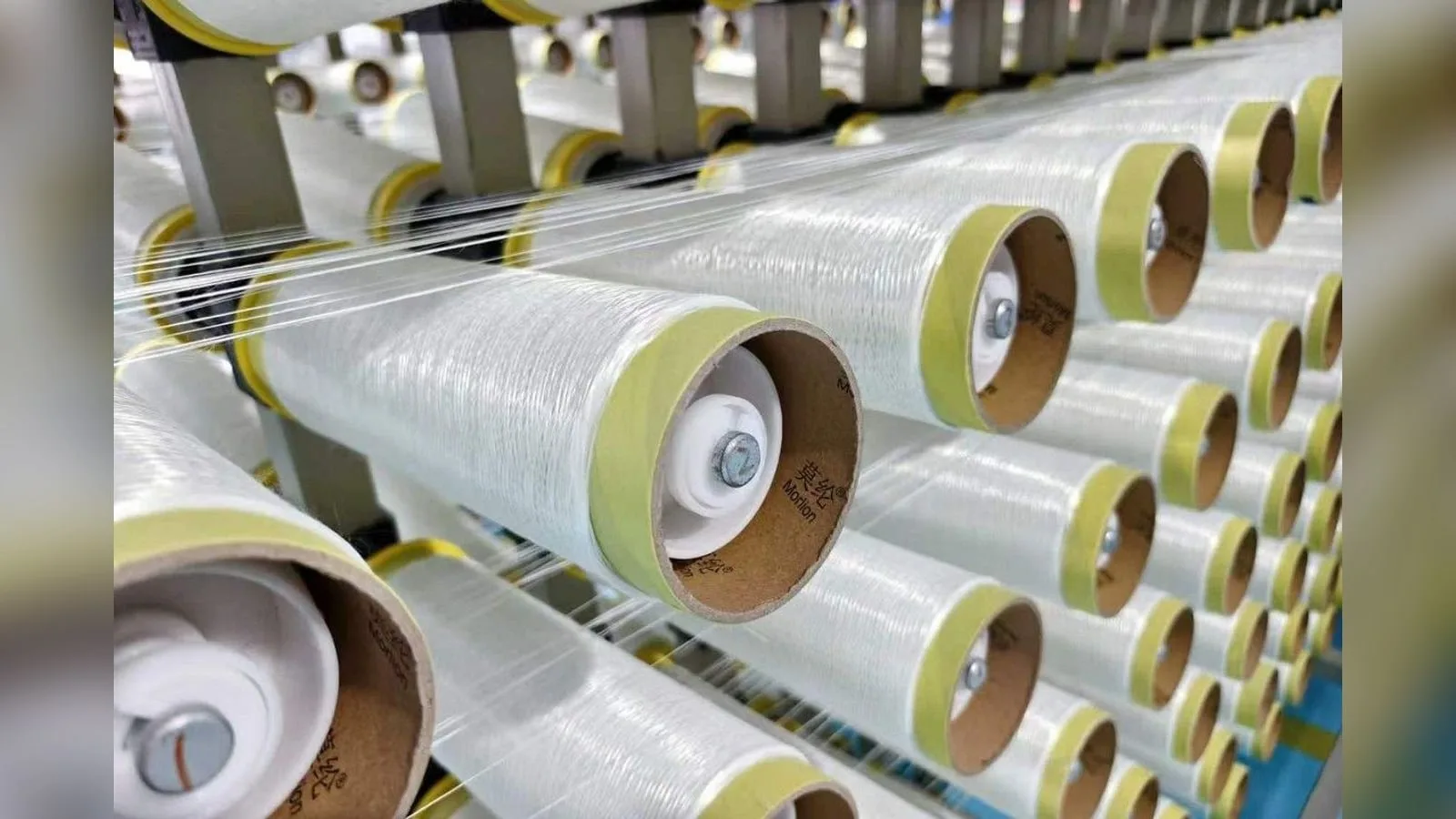
Continuous alumina fiber for oxide CMC from Morlion
Morlion (Zhuhai) New Materials Technology unveils its Morlion line of continuous alumina fibers, aimed at ox/ox ceramic matrix composites, high-temperature seals and insulation, and radome parts. The grades target strength retention above…
This product listing is maintained by our editorial team and may contain errors. Last updated .