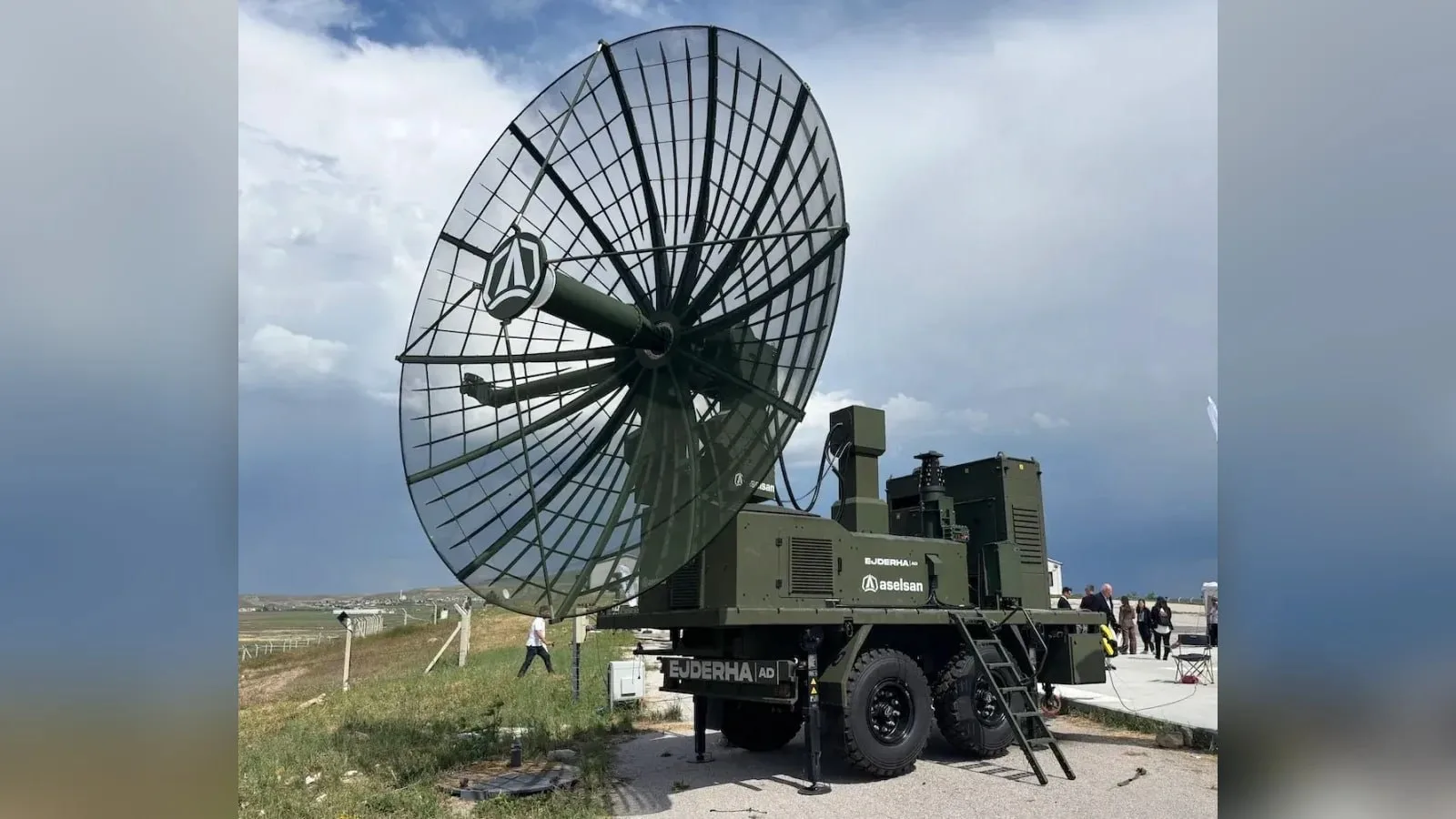
Aselsan, the Turkish defense company, says all 51 aircraft in the test were launched at the same time and were neutralized within seconds. It describes the engagement as a world record among directed-energy systems; the figure of 51 marks the company’s 51st anniversary. President and CEO Ahmet Akyol says a single push of a button was enough to neutralize the swarm, with no missile or ammunition used, and that the system is in serial production and has been deployed operationally.
In a separate test, EJDERHA neutralized two wired drones at about 1,000 meters. Aselsan says the result demonstrates it can engage targets that are hard for conventional systems to stop.
EJDERHA detects drones with radar and tracks them with electro-optical sensors. Vacuum electronics generate the high-power electromagnetic waves, which are directed at the aircraft’s electronic circuits. Aselsan says the waves can disturb navigation, communications and command-and-control functions and, depending on the target, suppress, reset, disable or damage the electronics.



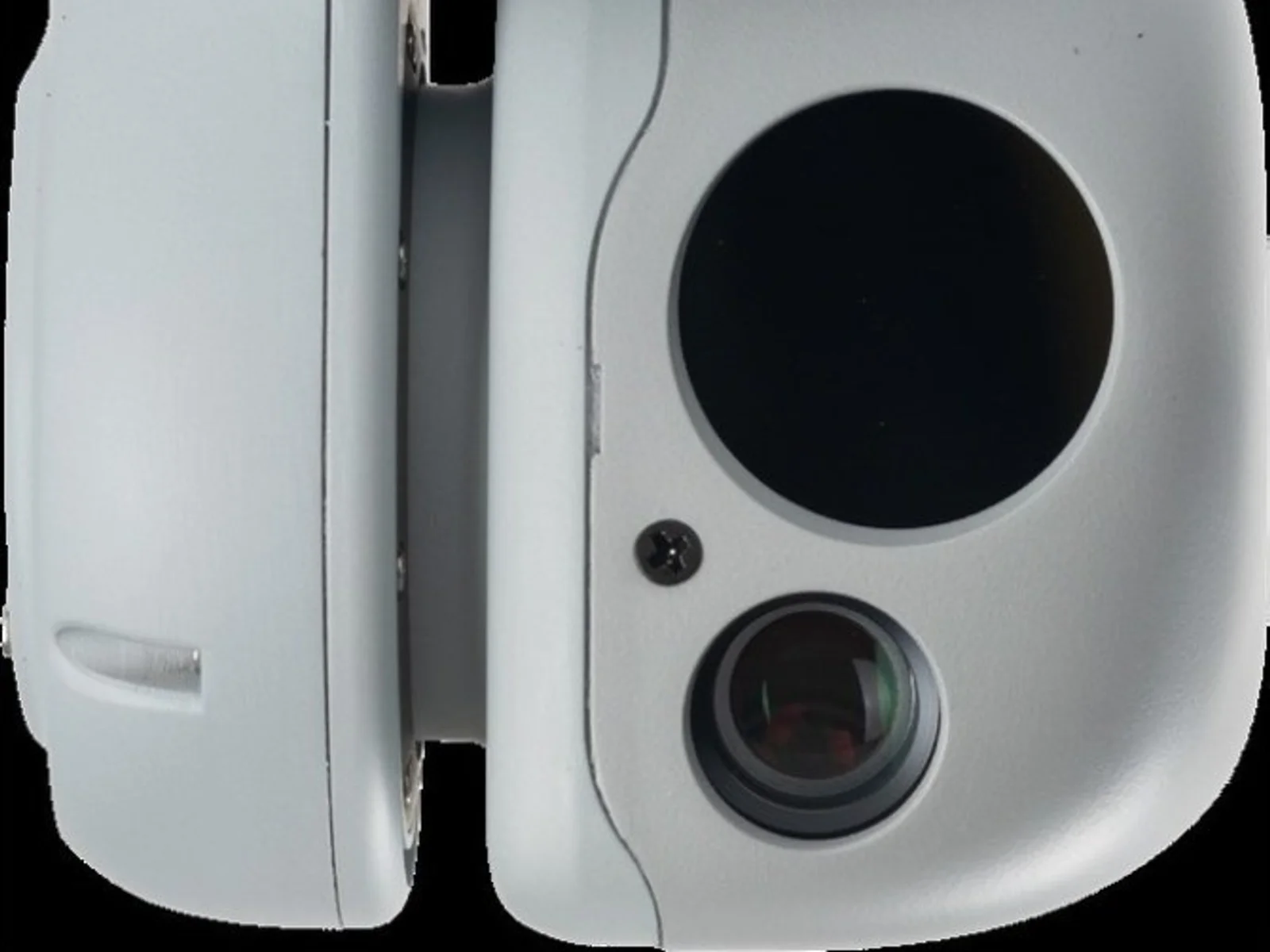




Targets in field tests include wireless and wired first-person-view drones, mini and micro drones, and low-altitude fixed-wing aircraft. Aselsan has also tested the system against drones with internal-combustion engines.
Why it matters
EJDERHA is a counter-UAS effector rather than an airborne component, but the functions it targets are those that avionics, navigation and datalink suppliers deliver to defense UAS programs: positioning, radio links and command-and-control. Aselsan reports effects ranging from suppression and reset to disabling or damaging the electronics, depending on the target.
Demand for counter-UAS capability is also reflected in procurement. The NATO Support and Procurement Agency has established five framework contracts for tactical and deployable counter-UAS, giving Allies and partner nations a route to pre-qualified systems. Aselsan has also presented a containerized GÖKDENİZ close-in weapon system and a deployable GÖKSUR VLS point-defense missile system at Euronaval 2026 in Paris.


Was this article useful?
Thanks for your feedback. You can change your answer at any time.
Latest news
Latest news
- Dronetag Remote ID receiver adds 5 GHz on every antenna
- Aernnova to acquire GE Aviation's Hamble aerostructures unit
- Hitec DPC-20 programmer configures PWM, CAN, DroneCAN actuators
- DAIRCM missile-warning system enters production at Leonardo DRS
- Aernnova joins Radia WindRunner wing and pylon design effort
Products in this article
- FeaturedLOS links
Mesh Rider Radio wireless data-link product
- Max range
- 50 km
- Max data rate
- 80 Mbps
- Transmit power
- 1.6 W
 Featured
 FeaturedLOS links
Embedded Module wireless data-link product
- Max range
- 209.215 km
- Grade
- Professional
- Market
- Dual-use
Related articles
Dronetag Remote ID receiver adds 5 GHz on every antenna
Prague-based Dronetag launches the Scout Gen 2, a fixed Remote ID receiver that picks up both 2.4 GHz and 5 GHz broadcasts on every antenna. The second-generation unit targets public safety, critical infrastructure and security users, and…
Honeywell tested multi-network satcom failover on 757 testbed
Honeywell Aerospace detailed on May 5, 2022 a test of a Primary, Alternate, Contingency and Emergency (PACE) satcom scheme on its Boeing 757-200 flying testbed, which switched between commercial and military satellite networks in flight…

Halo multilink connectivity to be integrated into AV Mayhem 10
AeroVironment (AV) will fit Elsight's Halo multilink unit to its Mayhem 10 launched effects system under a new partnership. The aim is to keep the system's communications working in contested environments by combining satellite, cellular…

Mobilicom datalink pipeline reaches nine tier-1 design wins
Mobilicom reports nine tier-1 design wins for its SkyHopper datalinks and ICE cybersecurity software, plus $2.2 million in purchase orders tied to a U.S. loitering munition program of record. One program already ships monthly, and the…