Unverified
DRS-NOA parachute recovery system
Also known as: DRSNOA, DRS NOA, Drone Rescue Systems DRS-NOA, Drone Rescue Systems DRSNOA
The DRS-NOA is a parachute recovery system for uncrewed aircraft. It provides a descent velocity of 2.0 m/s for a 12 kg load and 4.0 m/s for a 25 kg load.
Description
The DRS-NOA is a parachute recovery system that provides a descent mechanism for uncrewed aircraft. This safety component is engineered to manage descent velocity and impact energy during emergency scenarios, supporting aircraft weights up to 25 kg.
The system has a total mass of 620 g and dimensions of 250 mm by 100 mm. Parachute deployment occurs within a range of 35 m to 45 m. The descent velocity is rated at 2.0 m/s for a 12 kg load and 4.0 m/s for a 25 kg load, resulting in impact energy levels of 24 J and 200 J respectively.
Integration is facilitated through a MAVLink interface, allowing for communication with the flight controller. The system supports optional features such as geofencing and an RC-trigger to initiate deployment. The hardware is designed for reusability.
The DRS-NOA is eligible for testing according to the ASTM F3322 standard, as well as EASA MOC-2511 and MOC-2512 guidelines.
DRS-NOA specifications
| General | |
|---|---|
| Grade | Professional[1][2] |
| Market | Dual-use[1][2] |
| Platform class | Small UAS (<25 kg)[1][2] |
| Airframe | Any[1][2] |
| Availability | In production[1][2] |
| Certifications | ASTM F3322[1][2] |
| Mass | 0.62 kg[1][2] |
| Dimensions (L × W × H, mm) | 250 mm / 100 mm[1][2] |
| Key specifications | |
| Max aircraft weight | 25 kg[1][2] |
| Min deployment altitude | 35 m[1][2] |
| Descent rate | 2 m/s[1][2] |
| Automatic trigger | No[1][2] |
| Additional specifications | |
| Flight termination | No[1][2] |
| Field repackable | No[1][2] |
| Protocols | MAVLink[1][2] |
Sources
- dronerescue.com/products/drs-noa · checked November 24, 2026
- dronerescue.com/drs-noa · checked November 24, 2026
Frequently asked questions
What is the parachute deployment time for the DRS-NOA?
The parachute deploys within a range of 35 to 45 meters.
What are the descent velocity specifications for the DRS-NOA?
The descent velocity ranges from 2.0 m/s for a 12 kg load to 4.0 m/s for a 25 kg load.
Which regulatory standards is the DRS-NOA eligible for?
The system is eligible for testing according to the ASTM-F3322 standard as well as EASA MOC-2511 and MOC-2512.
Reviews & Ratings
– / 5
No reviews yet. Be the first to rate.
Rate this product
Almost done: send the form below to publish your rating.
Thank you: your review is published and already counts in the rating.
Demo mode: the form is not connected yet and nothing was sent.






Similar parachutes from other manufacturers
- FeaturedParachutes
GRS 350 parachute recovery product
- Max aircraft weight
- 350 kg
- Min deployment altitude
- 40 m
- Descent rate
- 6.7 m/s
 FeaturedParachutes
Iris Ultra parachute recovery product
- Max aircraft weight
- 92.533 kg
- Grade
- Professional
- Market
- Dual-use
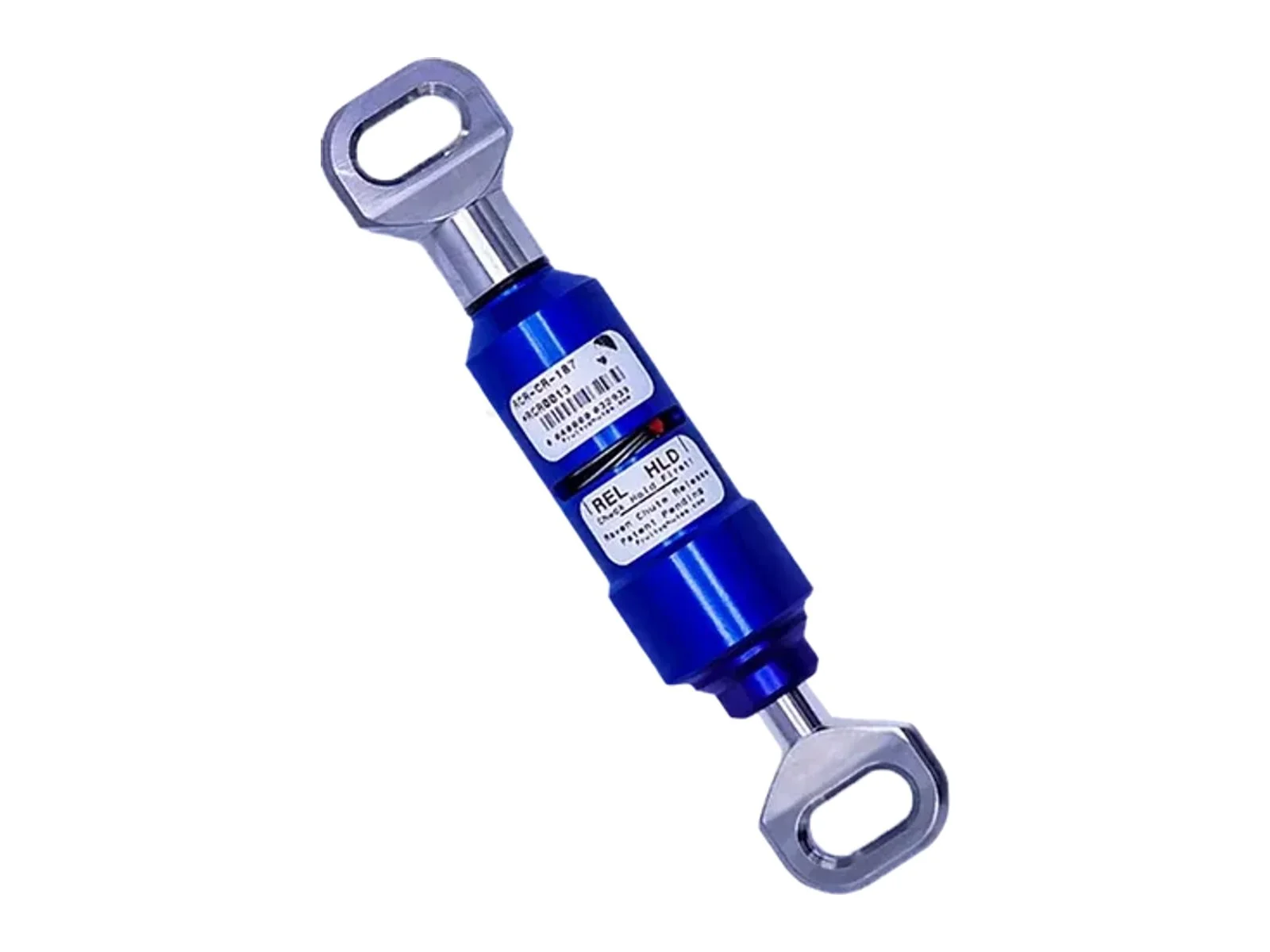 FeaturedParachutes
Raven On-Landing Parachute Release automatic parachute detachment device
- Max aircraft weight
- 50 kg
- Grade
- Professional
- Market
- Civil
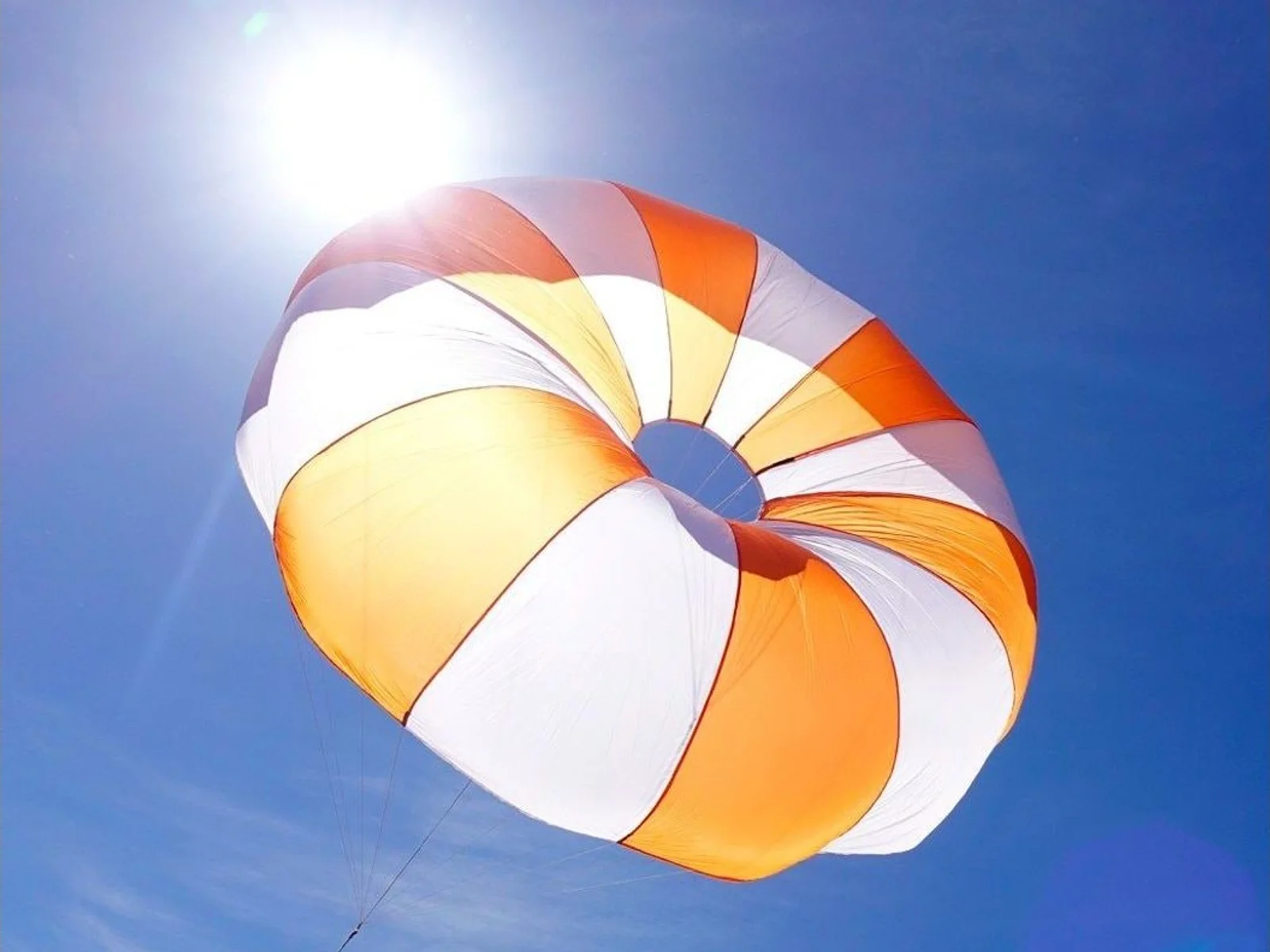 FeaturedParachutes
Drogue and pilot parachutes for staged recovery systems
- Grade
- Professional
- Market
- Dual-use
- Availability
- In production
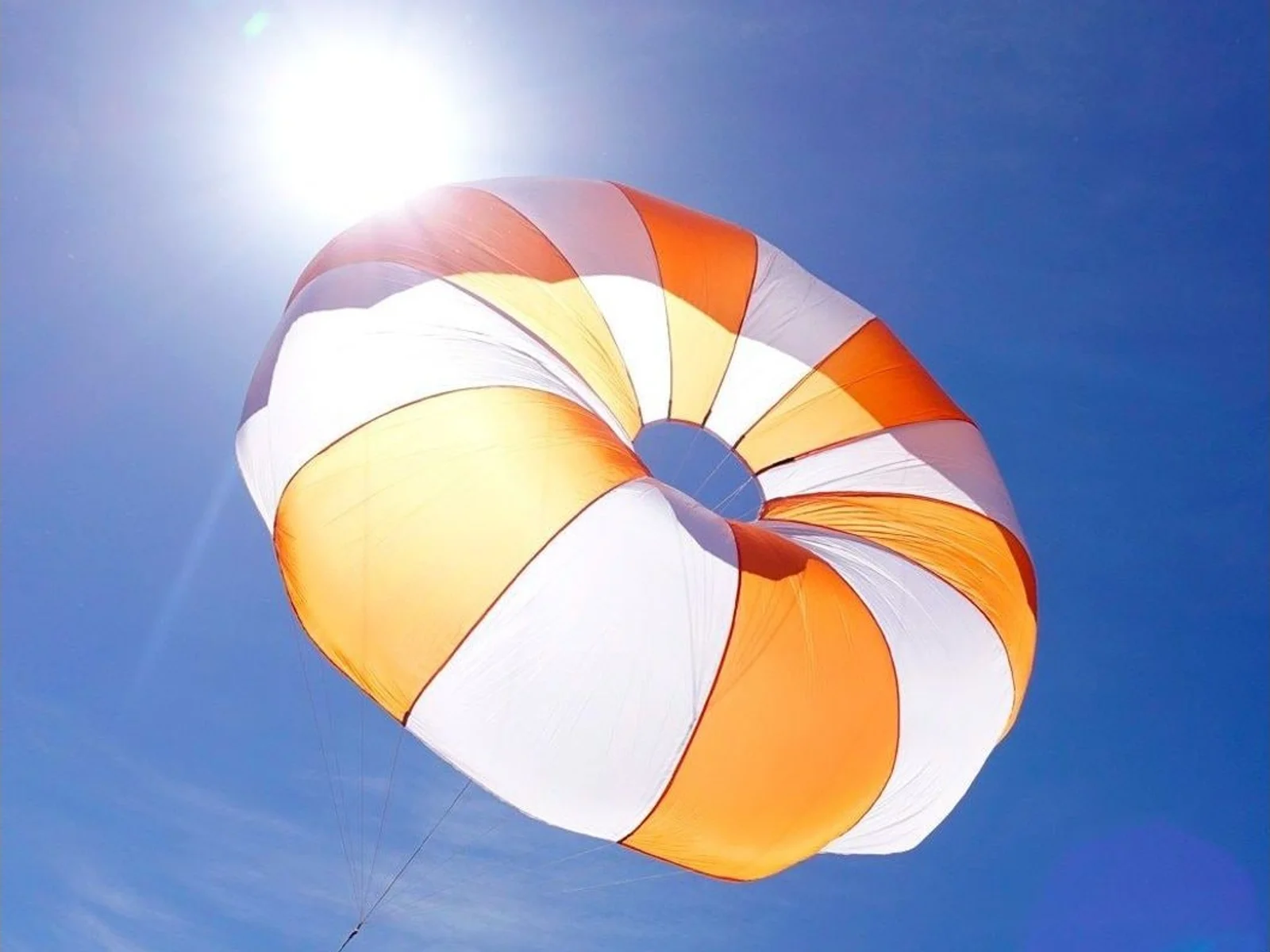 FeaturedParachutes
UAV parachute recovery-system kits
- Grade
- Professional
- Market
- Dual-use
- Availability
- In production
- FeaturedParachutes
GRS 6 parachute recovery product
- Min deployment altitude
- 170 m
- Deployment method
- Ballistic (rocket)
- Grade
- Aerospace-grade
More from Drone Rescue Systems
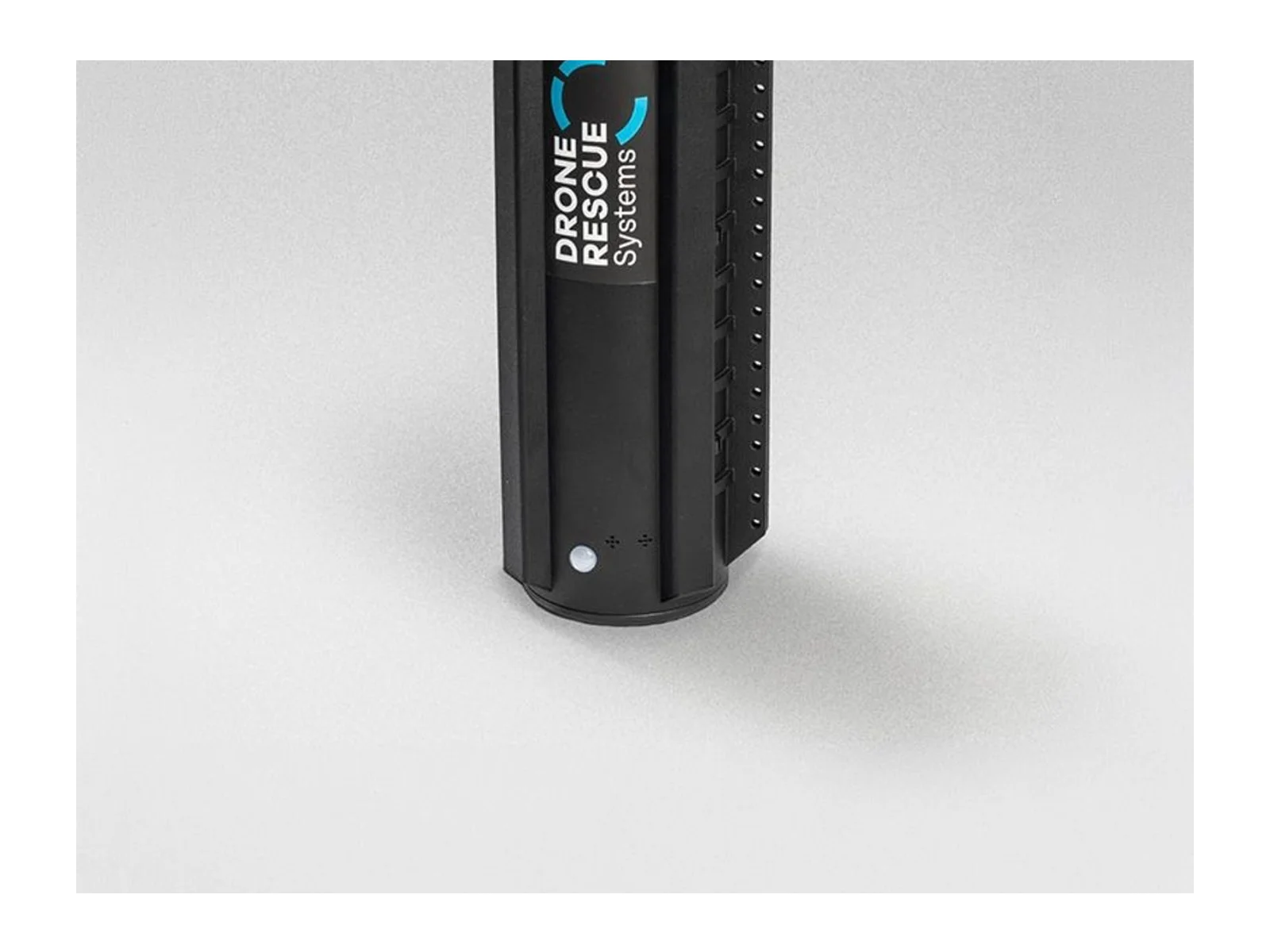 FeaturedParachutes
DRS-IF1200 parachute recovery system
- Max aircraft weight
- 25 kg
- Min deployment altitude
- 35 m
- Descent rate
- 3.6 m/s
- FeaturedParachutes
DRS-ZOE parachute recovery system
- Max aircraft weight
- 12.1 kg
- Min deployment altitude
- 20 m
- Descent rate
- 2 m/s
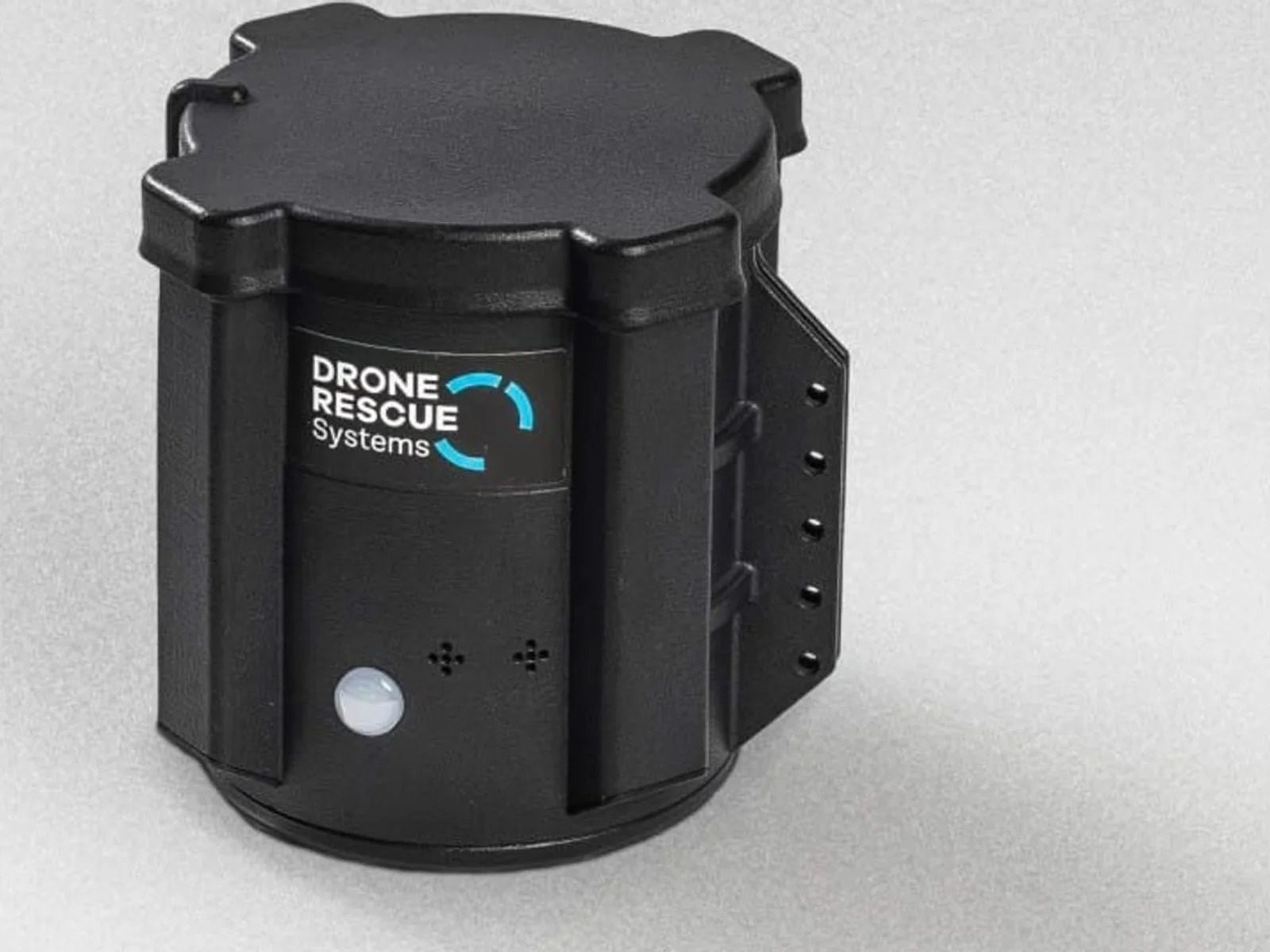 FeaturedParachutes
DRS-AQ-200FP parachute recovery system
- Min deployment altitude
- 15 m
- Descent rate
- 2.5 m/s
- Grade
- Professional
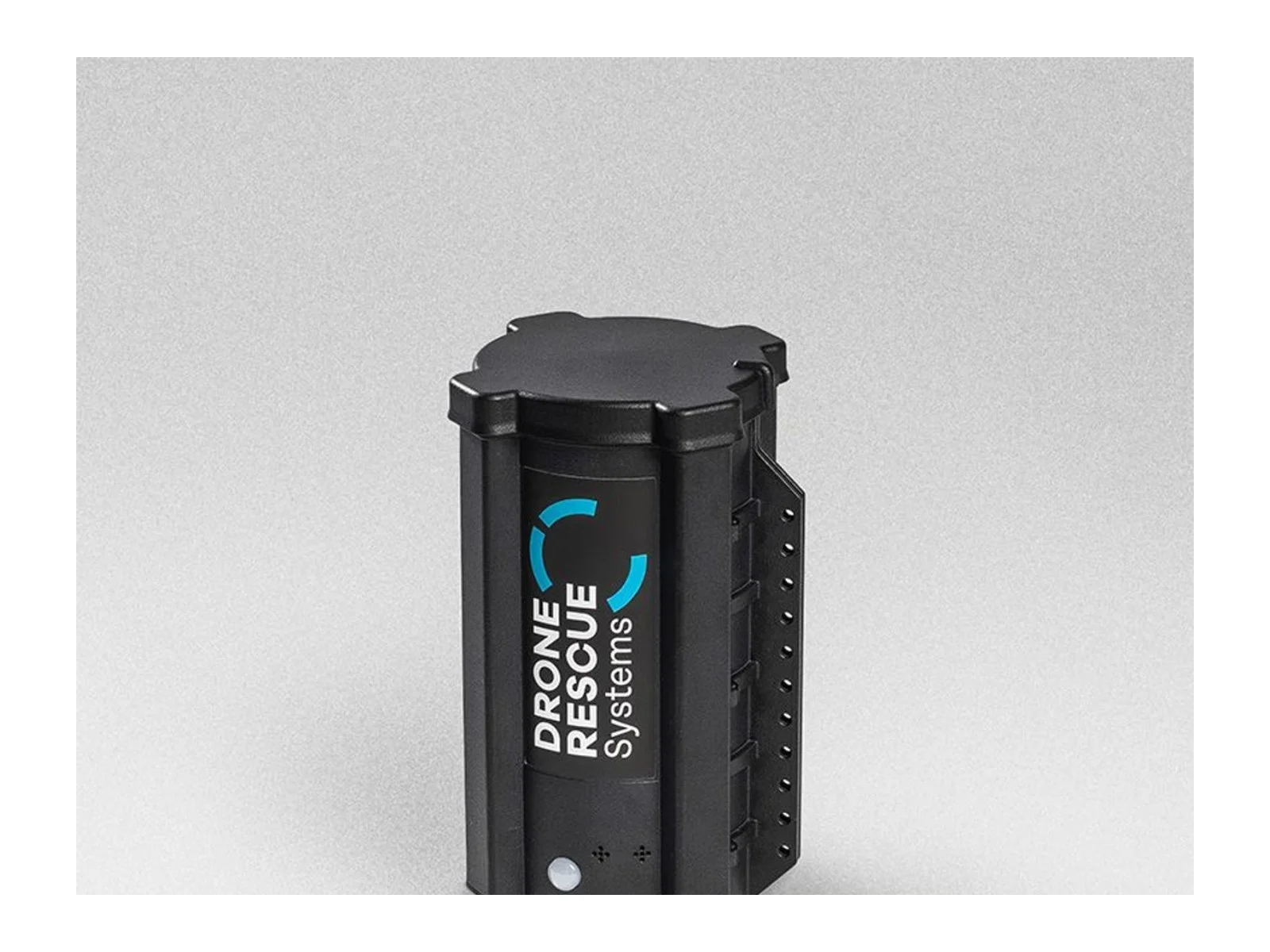 FeaturedParachutes
DRS-M400 parachute recovery system
- Max aircraft weight
- 16.75 kg
- Grade
- Professional
- Market
- Dual-use
Related news
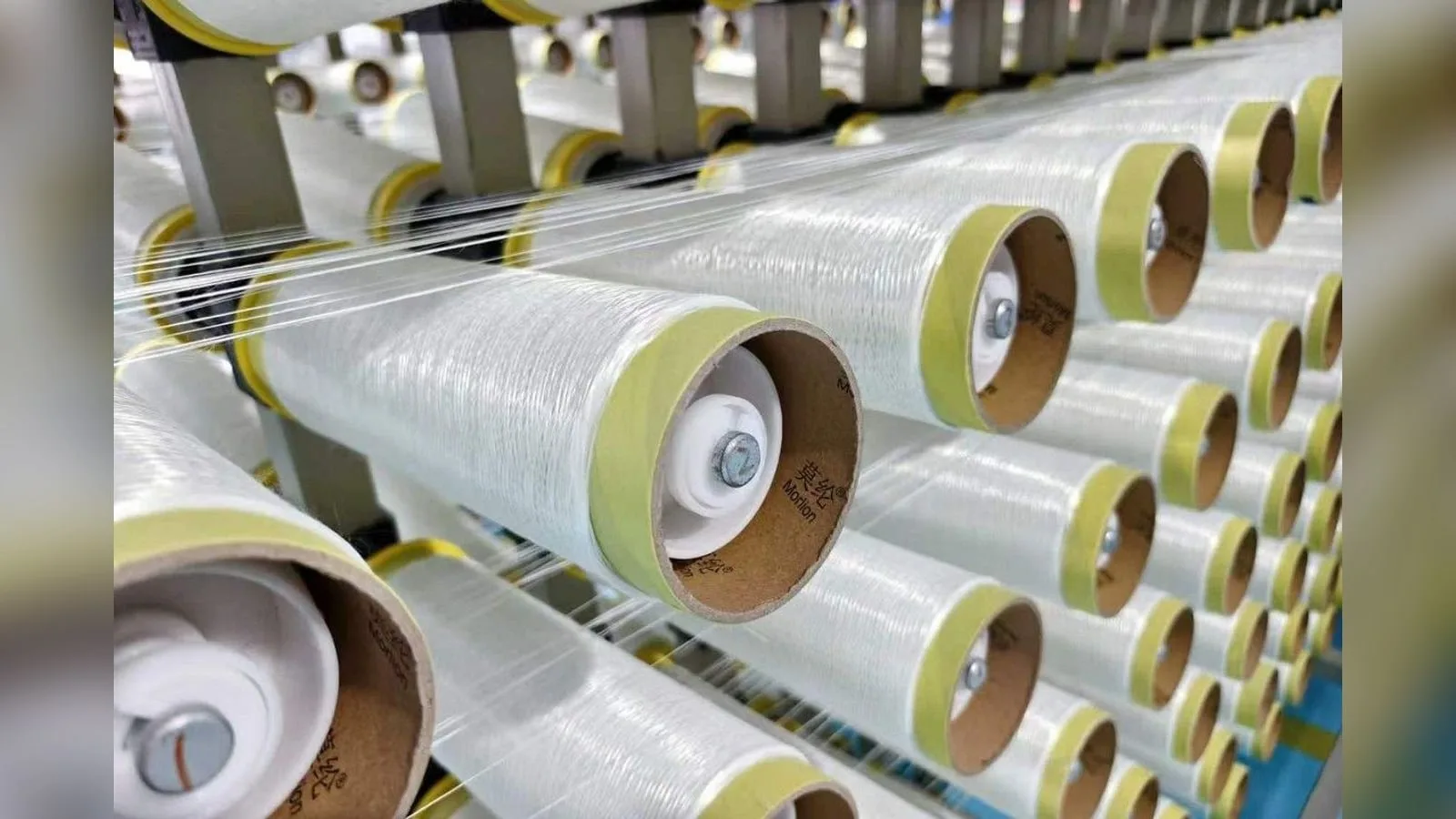
Continuous alumina fiber for oxide CMC from Morlion
Morlion (Zhuhai) New Materials Technology unveils its Morlion line of continuous alumina fibers, aimed at ox/ox ceramic matrix composites, high-temperature seals and insulation, and radome parts. The grades target strength retention above…
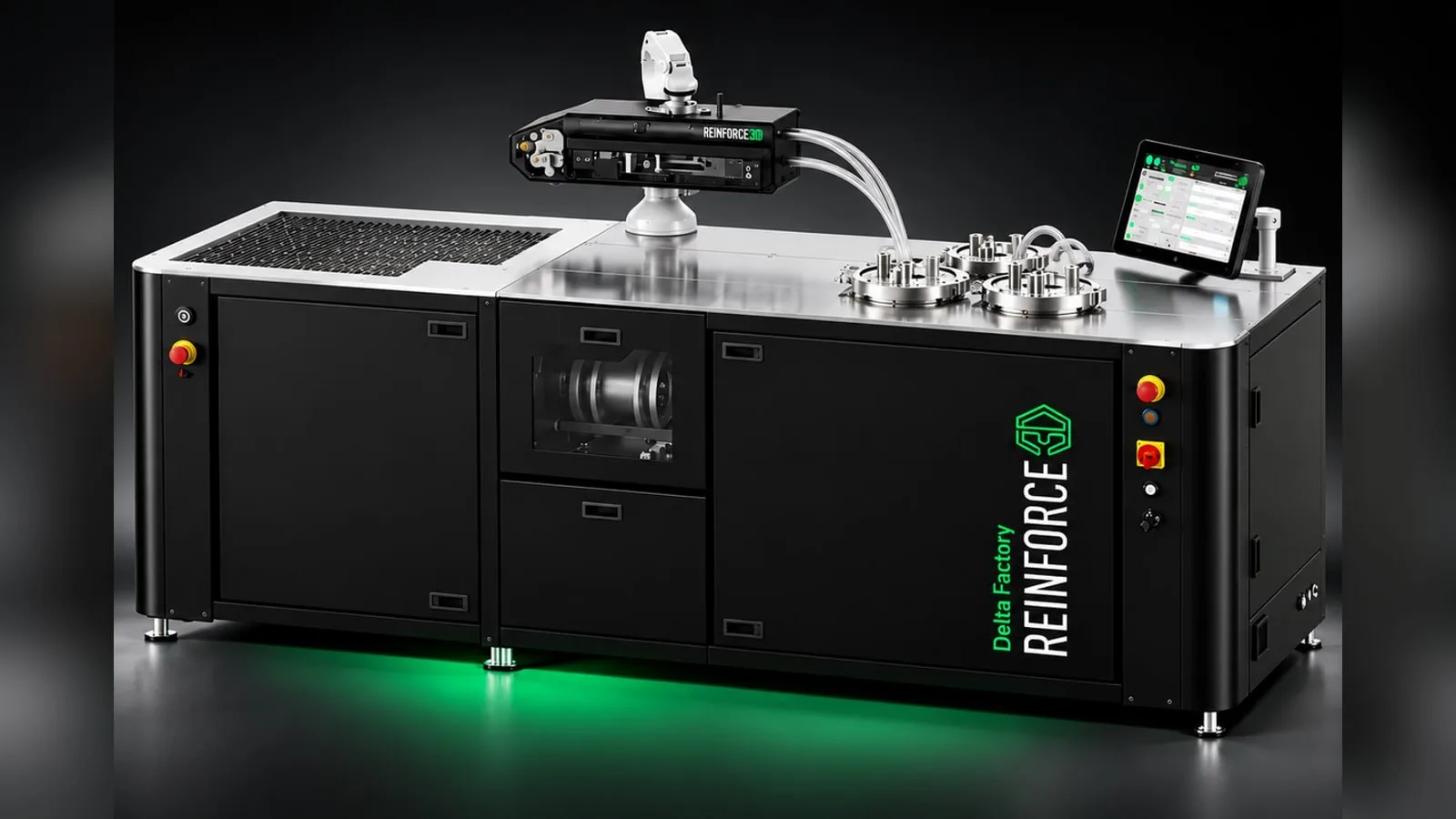
Reinforce3D Delta Factory automates continuous fiber injection
Reinforce3D of Amposta, Spain, unveils Delta Factory, a production-plant version of its Continuous Fiber Injection Process (CFIP) equipment. The system targets series manufacturing of continuous-fiber-reinforced parts without molds…
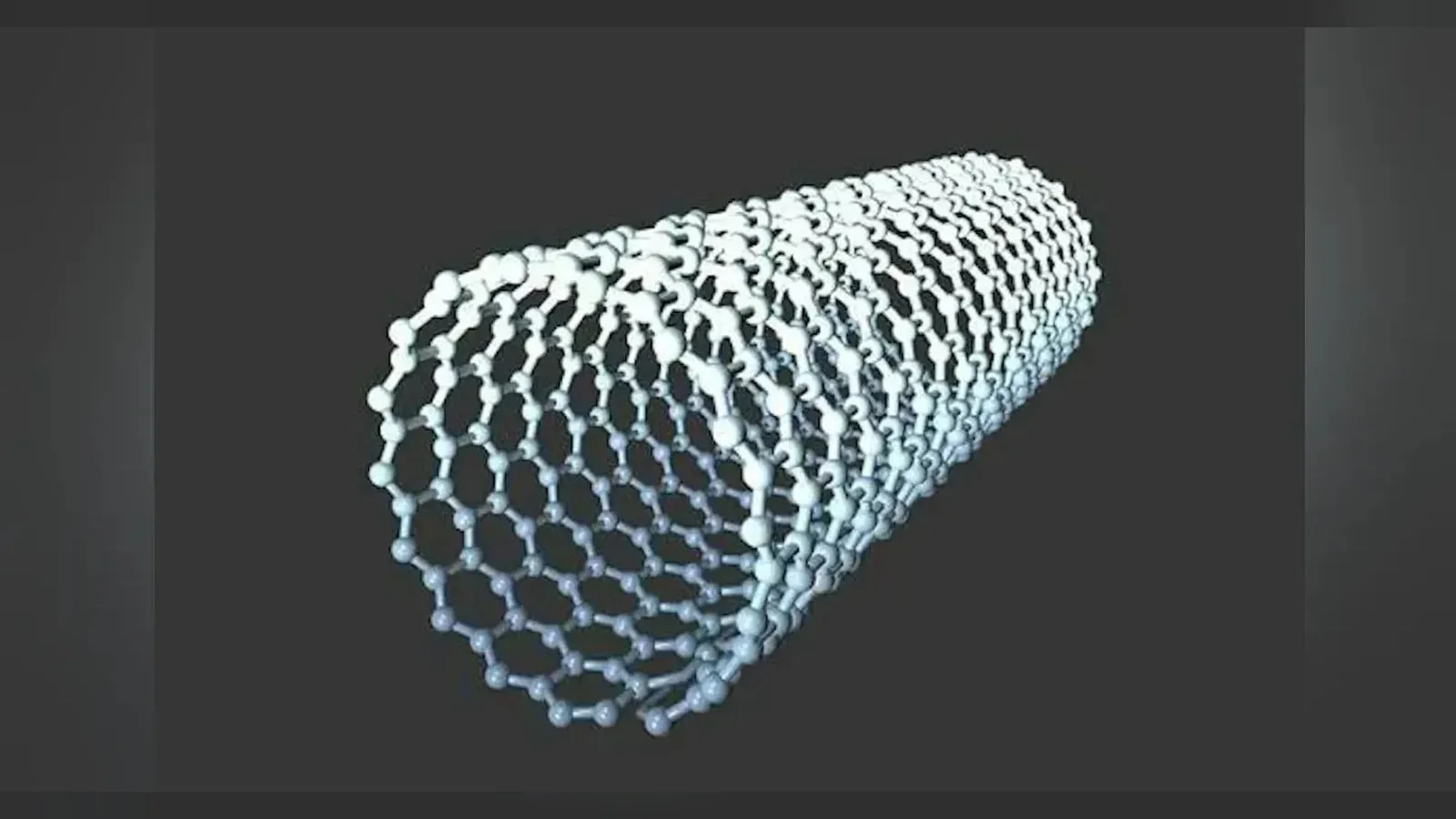
DexMat to scale Galvorn fiber for Air Force microwave cathodes
DexMat, a Houston-based maker of advanced carbon materials, receives a two-year U.S. Air Force research contract to scale up production of its Galvorn carbon nanotube fiber. The fiber is to be qualified for microwave cathodes; by mass it…
This product listing is maintained by our editorial team and may contain errors. Last updated .